REVIEW · ANGRA DO HEROISMO
Azores: Dairy Farm Tour
Book on GetYourGuide →Operated by Azorica Tours · Bookable on GetYourGuide
Milk, cows, and real farm work—on Terceira. This half-day experience on the island of Terceira is interesting because you see how milk goes from pasture to bottle while you get truly involved with daily farm routines. I especially like the hands-on milking process and the close interaction with cows and calves, plus the views from the farming area. One drawback: it’s not suitable if you have animal allergies.
You’ll start in Angra do Heroísmo, then ride in a van (about 30 minutes) to a guided stretch with viewpoints and a traditional village stop before you move into the farm portion. Expect comfortable-but-practical time outdoors, guided in English, Portuguese, or Spanish, with a friendly guide who (in recent groups) has been praised for giving people her full attention—like Carolina, who’s known for mixing farm work with island stories.
In This Review
- Key things to know before you go
- From Angra do Heroísmo to a Working Farm
- Viewpoints and a Traditional Village Stop (Why They Matter)
- Meeting the Herd: Pasture Care and Cow Personalities
- Calves Up Close: Learning Care in Their First Weeks
- Milking Demonstration: How It Works, and How You Fit In
- From Pasture to Bottle: Milk Collection and Sustainable Farming Lessons
- Complimentary Local Tasting: Cheese, Bread, and the Culture Link
- Price and Value for a 4-Hour Terceira Farm Experience
- Who Should Book This Dairy Farm Tour (and Who Might Skip It)
- Should You Book Azorica Tours for the Dairy Farm Day?
- FAQ
- How long is the Azores dairy farm tour?
- Where does the pickup happen?
- What activities are included on the farm?
- What should I bring for the tour?
- Is the tour available in multiple languages?
- Is it suitable for people with animal allergies?
Key things to know before you go
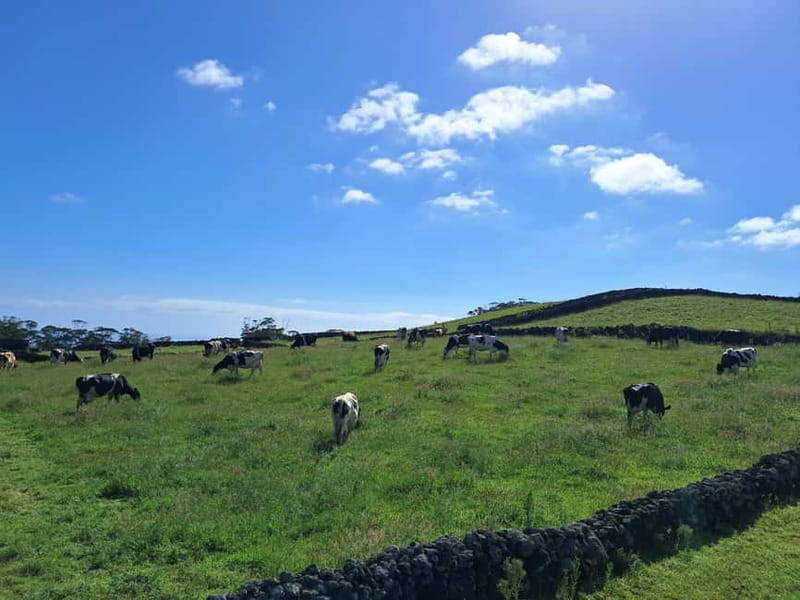
- Meet the herd up close: feeding and learning how cows are cared for as part of routine farm life
- Calves get real attention: you’ll spend time with young calves and help with their care
- Watch (and help with) milking: you’ll see how the process works while respecting animal welfare
- Pasture to bottle, step by step: there’s a milk collection station stop tied to how fresh milk is handled
- Scenic breaks are built in: viewpoints and a village stroll break up the day so it feels like more than a single stop
- You finish with local flavors: a complimentary taste of regional food, often cheese and bread processed locally
From Angra do Heroísmo to a Working Farm
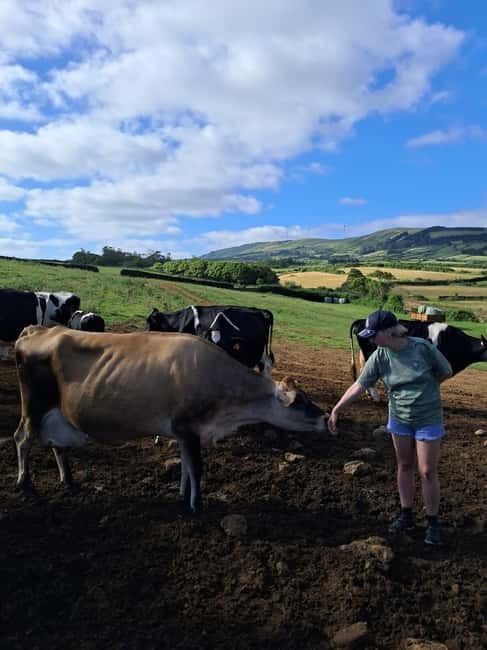
The day is built around a simple rhythm: transportation, a bit of island context, and then the real reason you’re here—a family dairy farm you can’t view from behind glass.
You’ll be picked up in/around Angra do Heroísmo and taken by van for roughly 30 minutes. The small-group setup matters here. You don’t want to feel rushed or lost when you’re standing near animals and learning how daily work actually gets done. Recent groups have also noted a brand-new all-electric van, which adds a small feel-good factor—quiet ride, no drama, just get there and get to the work part.
One practical note: this is a working farm morning/afternoon. That means comfortable shoes, clothes you can get dirty, and a willingness to be close to animals. You’ll also want to plan around the rule that alcoholic drinks aren’t allowed in the vehicle, so keep the focus on the farm and the views rather than a buzz.
If you like experiences that feel grounded—less staged, more hands-on—this setup works well. If you’re expecting a museum-style presentation, you may find the pace a little more “real life” than “polished show.”
Viewpoints and a Traditional Village Stop (Why They Matter)
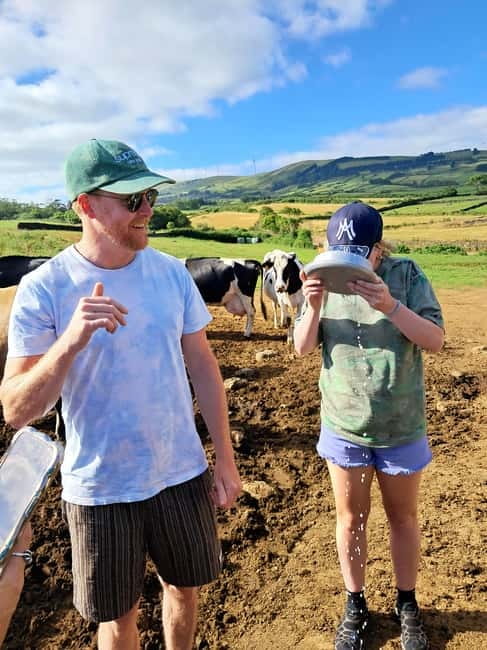
This tour doesn’t go straight from pickup to barn door. You get a few scenic and cultural pauses that help the farm experience land in context.
First comes a guided viewpoint stretch. This is where your guide can frame what dairy farming looks like on Terceira: how pasture and weather shape day-to-day decisions, and why local agriculture matters beyond the farm gate. Even if you’ve been to the Azores before, I like that these stops remind you that the island isn’t just scenery—it’s a living working place.
Next, you’ll visit a traditional village area for walking and self-guided exploring. This isn’t a long museum detour; it’s time to stretch your legs and notice the human side of the countryside—how daily life and farm life sit close together on the island. After that, there’s another viewpoint break where you can take photos, catch your breath, and reset before the animal time ramps up.
The final guided short stop at a viewpoint before you head back adds one more chance to look out over the island and connect the dots: green pastures, livestock care, and how milk becomes part of local food culture.
If you hate waiting, the good news is these pauses aren’t random. They help you understand what you’re about to see, and they keep the overall four-hour block from feeling like one long, repetitive room-and-rope situation.
Meeting the Herd: Pasture Care and Cow Personalities
The moment the farm portion starts, the experience shifts from scenery to routine. You meet the herd and learn how cows are cared for as part of daily work, not as a “petting zoo” setup.
Expect a guided orientation to the farm life around the animals: feeding practices, how the cows are handled, and what farmers watch for as they manage a herd. One of the best parts of this kind of tour is that it doesn’t just talk about milk; it talks about the animals as living, fed, monitored individuals. In recent feedback, guides were praised for being warm and attentive, which is a big deal when you’re learning while standing near large animals.
You’ll also get time where interaction is encouraged—feeding and learning about each cow’s personality is part of the point. That’s useful knowledge for you as a visitor, because it changes how you look at the farm. Instead of seeing a row of cows, you start noticing patterns: who settles quickly, who moves when they’re called, who prefers certain feeding times.
This is also where animal welfare is emphasized. You aren’t meant to crowd the herd or treat it like a selfie session. You’ll be guided to respect the animals’ space and the farm routine, which keeps the experience both safer and more ethical.
If you’re an animal lover, this is often the “wow” moment. If you’re less into animals, I’d still say it’s worth leaning in—because learning the herd routine helps you understand the rest of the milk story.
Calves Up Close: Learning Care in Their First Weeks
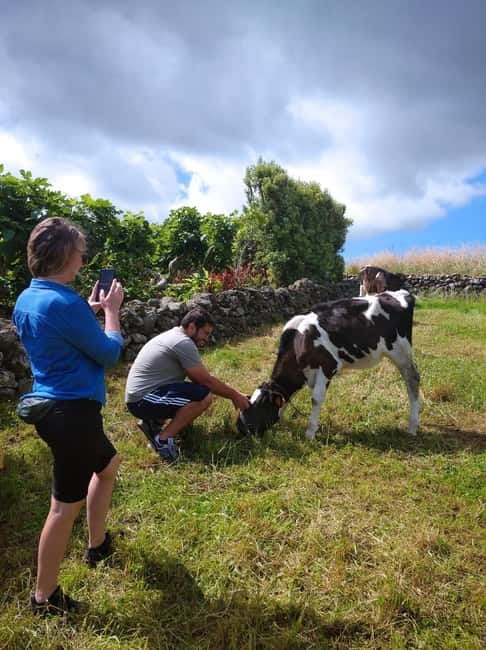
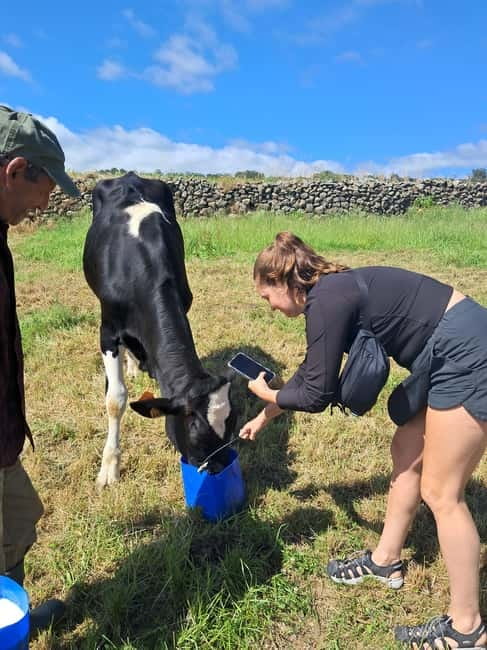
Then the tour shifts focus from adult cows to the youngest members of the farm: the calves. This part is a standout if you like watching how care changes when animals are young and still developing.
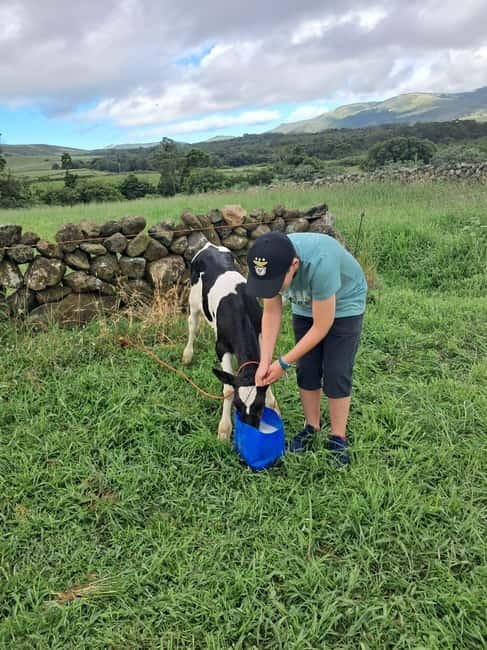
You’ll spend time with the calves and learn about how they’re looked after in their early weeks. The emphasis here is practical: what farmers do, why it matters, and how calves fit into the larger daily routine. There’s also a hands-on element—your participation can include feeding and calf care tasks, depending on how your guide structures it for your group.
This is one reason the tour tends to work well for families. A calf’s presence turns the learning into something visual. You don’t just hear about farming; you see the result of good care in real time. And because the farm is described as peaceful and authentic, the calf interaction usually feels gentle rather than hectic.
A small caution: even though the tour encourages interaction, you should still expect this to be an animal-focused environment—so keep your movements calm and follow your guide closely. Comfortable clothes matter here too. You might be standing near areas where things can get a little “farm real,” even if the tour itself is well-run.
If you’re hoping for a farm tour that teaches you more than “milk comes from cows,” calves help you understand the full cycle—birth, early care, and then the herd’s role later on. It’s not just about the final product.
Milking Demonstration: How It Works, and How You Fit In
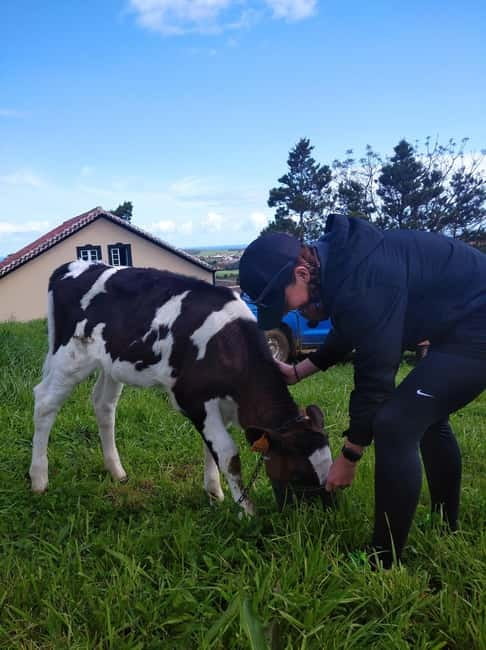
Watching milking is one thing. Being part of it is another. This experience is designed so you can witness (and, at the right times, help with) the milking process under guidance that prioritizes animal welfare.
You’ll see how milking is done and learn what farmers consider routine—how they prepare, how the milking happens, and how the process fits into the farm schedule. The best tours explain “what” and “why,” and this one does, connecting milking to the broader daily rhythm of feeding, caring, and maintaining the herd.
What I like most is that milking is presented as work, not spectacle. That keeps it grounded and educational. You’re likely to walk away understanding that milk isn’t an instant product. It’s the end result of consistent care, a clean process, and steady attention to the animals.
Recent feedback also called out how much hands-on time groups got, including care tasks tied to feeding and routine work. If you learn best by doing—rather than listening from afar—this is a strong match.
Timing-wise, it fits the half-day format without dragging. You won’t spend the whole time in one “wait your turn” line. You’ll be guided through the process while the farm stays the center of gravity.
From Pasture to Bottle: Milk Collection and Sustainable Farming Lessons
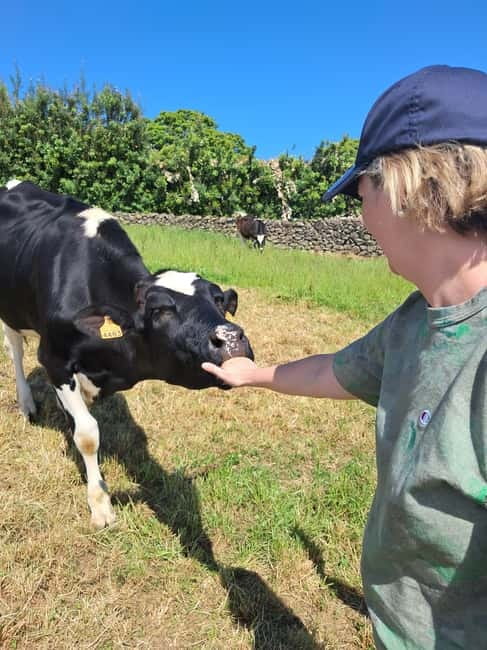
The farm story doesn’t stop once the milking ends. You’ll also visit the milk collection station, which helps you understand the path between on-farm work and the milk you buy or taste later.
This stop is more important than it sounds. It’s where you learn that handling milk isn’t just a single step—it’s part of a chain. Seeing the collection point gives you a clearer picture of how fresh milk is managed and why local farms care about consistent routines.
Throughout the tour, you’ll hear about sustainable farming practices and why local agriculture matters. The description emphasizes farming that respects animal welfare and the idea that dairy is rooted in the island’s culture and food. In plain terms, you’re learning how a small island food system keeps going: pasture, animals, milk processing, and community nutrition.
This part is also a good reality check. It shows you what “sustainable” means on a working farm: daily management, careful handling, and maintaining healthy conditions for the animals—not just vague eco slogans.
If you’re the type who wants to understand the why behind your food, you’ll appreciate this section. If you’re only here for photos of cows, you might still walk away more informed than you expected.
Complimentary Local Tasting: Cheese, Bread, and the Culture Link
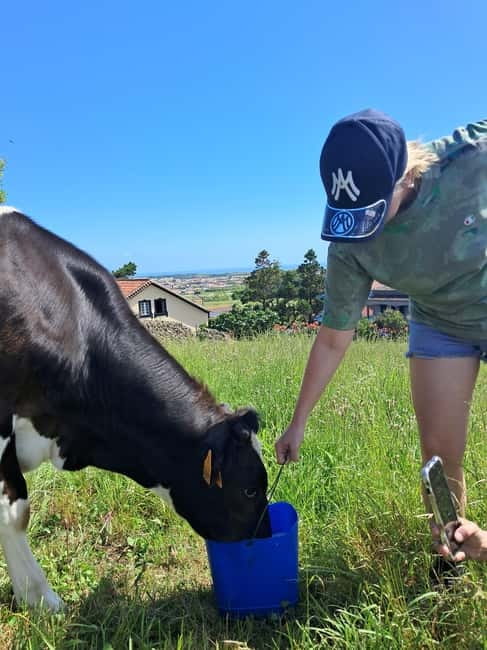
Near the end, you’ll enjoy a complimentary taste of local flavors. This is where the tour connects the farm experience back to Azorean cuisine.
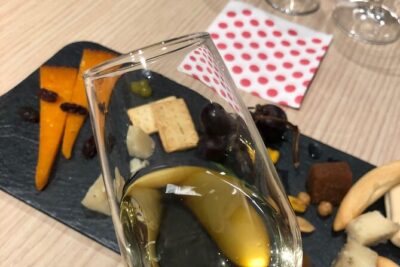
You’ll likely be tasting regional items that tie into milk production—especially cheese and bread. Some recent groups described a picnic-style end with delicious bread and cheese processed locally. That kind of finish changes how you interpret the morning. The milk story becomes something you can taste, not just something you watched.
It also makes the hour-and-a-half feeling like you’ve completed a loop: learn how cows are cared for, see milking and collection, then sample what those systems produce. You don’t have to become a dairy expert to enjoy it. You just need an appetite and an open mind.
Practical angle: since this is included, it adds real value to the $70 price point. You’re not only paying for animal interaction; you’re also getting a food payoff that feels connected to the place.
If you’re a picky eater, don’t panic. You’ll still get a complimentary taste, and your guide can help explain what you’re trying based on the languages offered—English, Portuguese, or Spanish.
Price and Value for a 4-Hour Terceira Farm Experience
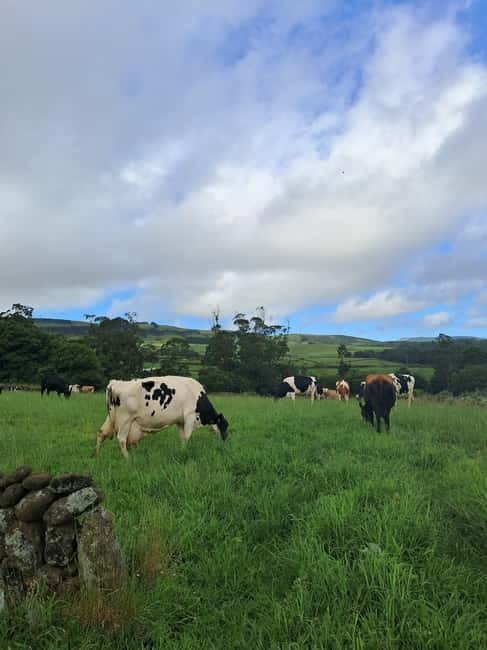
At $70 per person for about four hours, this tour sits in the “reasonable for a hands-on half-day” range—especially because it includes far more than a simple viewing.
Here’s what’s built into the experience:
- Pickup from the Angra do Heroísmo area (and pick-up at accommodation on the island, per your agreed meeting point)
- Guided farm tour with active interaction
- Time with both cows and calves
- A milking demonstration
- Visiting the milk collection station
- A complimentary local tasting afterward
When you compare that to typical paid attractions that mostly show you things from a distance, the value becomes clearer. You’re paying for time, teaching, and access to a working process.
It also helps that recent groups praised the guide experience—Carolina was noted for being personable and giving undivided attention. That matters because farm tours can get messy if the group is too big or the guide can’t manage the flow. The fact that the tour offers private or small groups (when available) is a good sign for how much interaction you’ll actually get.
One consideration: the experience is hands-on and outdoors. If you want a fully indoor, climate-controlled day, you’ll need to adjust expectations. If you’re okay with farm clothes and close-up animal time, you’ll probably feel the value quickly.
Who Should Book This Dairy Farm Tour (and Who Might Skip It)
This is a strong match for:
- Families who want a gentle, educational farm day with real animals and real routines
- Animal lovers who enjoy learning how farmers care for livestock
- Food-focused travelers who want to understand milk as part of Azorean culture, not just as a product
- People who like small-group interaction and guides who actually pay attention
You should think twice if:
- You have animal allergies (this tour isn’t suitable)
- You dislike messy, practical environments where comfortable shoes and farm-appropriate clothes are part of the deal
- You want a purely sightseeing day. This is farm-first, with viewpoints and a village as supportive context
If you’re traveling on Terceira and want one experience that feels both personal and educational, this hits that target. It’s not just “see the farm.” It’s learn the daily work behind the milk and how it ties to the island.
Carolina’s presence has been a highlight in recent feedback, and the overall tone seems calm and caring—exactly what you want when you’re spending time around calves and cows.
Should You Book Azorica Tours for the Dairy Farm Day?
Yes—if you want a hands-on Azores farm experience that’s genuinely connected to dairy work and not just a quick photo stop. The best reason to book is the mix of interaction (cows and calves) plus process learning (milking and the milk collection station) plus a local tasting at the end.
I’d book if you’re excited by everyday rural life and you like guided explanations that stay practical. It’s also a smart choice if you’re visiting with kids who do better when they can touch, watch, and ask questions rather than sit and listen.
I wouldn’t book if animal allergies are an issue or if you’re looking for a high-comfort, low-contact day. This is a working farm tour. You’ll get the rewards when you lean into that.
If you’re on Terceira, this is one of the rare activities where you leave with both memories and a clear understanding of how the milk story really works.
FAQ
How long is the Azores dairy farm tour?
The tour lasts about 4 hours.
Where does the pickup happen?
Pickup is included from Angra do Heroísmo, and you can be collected at your accommodation on the island based on the meeting point agreed when booking.
What activities are included on the farm?
You’ll have a guided farm tour with interaction with cows and calves, a milking demonstration, time feeding and caring for calves, and a visit to the milk collection station. A complimentary local tasting comes at the end.
What should I bring for the tour?
Wear comfortable shoes and clothes that you don’t mind getting dirty, since you’ll be outdoors and around farm areas.
Is the tour available in multiple languages?
Yes. The live tour guide is offered in English, Portuguese, and Spanish.
Is it suitable for people with animal allergies?
No. The tour is not suitable for people with animal allergies.