REVIEW · OVIEDO
Bulnes: Excursion with funicular and Cabrales cheese cave in the Picos de Europa
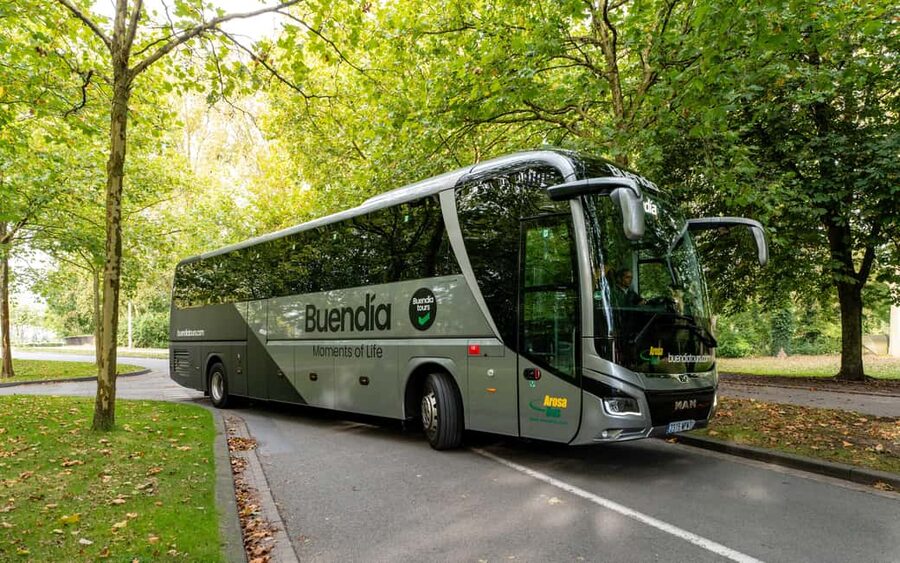
Book on GetYourGuide →Operated by buendía · Bookable on GetYourGuide
An underground ride drops you into Bulnes. This full-day Picos de Europa outing ties together Cares Gorge views at Poncebos, a phone-free village, and a hands-on Cabrales cheese visit with cider. I love how the day mixes scenery with local food culture, not just ticket stops. I also like that the funicular is included, so you skip the planning headaches.
One thing to plan around: it’s a long 8–12 hour day with serious bus time, and the funicular portion is mostly underground—so don’t expect big sightlines. If you’re picky about language delivery, keep in mind that even with English offered, segments can run in Spanish first; in feedback, the guide Santiago stands out for clear group communication.
In This Review
- Key highlights at a glance
- Picos de Europa in One Long Day: Bulnes and Cabrales
- Poncebos and La Garganta Divina: where to focus your attention
- The underground funicular to Bulnes: fast ride, low sightlines
- Bulnes village walk: chapel, viewpoint, and that rare phone-free calm
- Arenas de Cabrales and the cheese cave: why this stop feels hands-on
- Cabrales tasting with Asturian cider: how to enjoy it like a local
- Timing and pace: 8–12 hours, built for movement
- Price and value for about $81: where your money actually goes
- Who this tour fits best (and who should rethink it)
- Tips that make the day smoother
- Should you book this Bulnes + Cheese Cave tour?
- FAQ
- How long is the Bulnes funicular and Cabrales cheese cave excursion?
- Where does the tour start?
- What languages will the live guide use?
- Is the Bulnes funicular ticket included in the price?
- Is there a viewpoint in Bulnes?
- What is the Cueva del Queso?
- Is food included?
- What should I bring for the day?
- Is the tour suitable for wheelchair users or mobility impairments?
- Is free cancellation available?
Key highlights at a glance
- Poncebos and La Garganta Divina: pause for canyon views where the Cares River carved steep walls.
- Funicular ticket included: an 8-minute, underground crossing to Bulnes (views are limited by design).
- Bulnes without cell service: cobbled streets, traditional houses, and calm that feels time-stopped.
- Cabrales cheese cave tour: learn how the traditional process works before you taste.
- Cabrales + Asturian cider tasting: the day ends with classic pairings, not just samples.
Picos de Europa in One Long Day: Bulnes and Cabrales
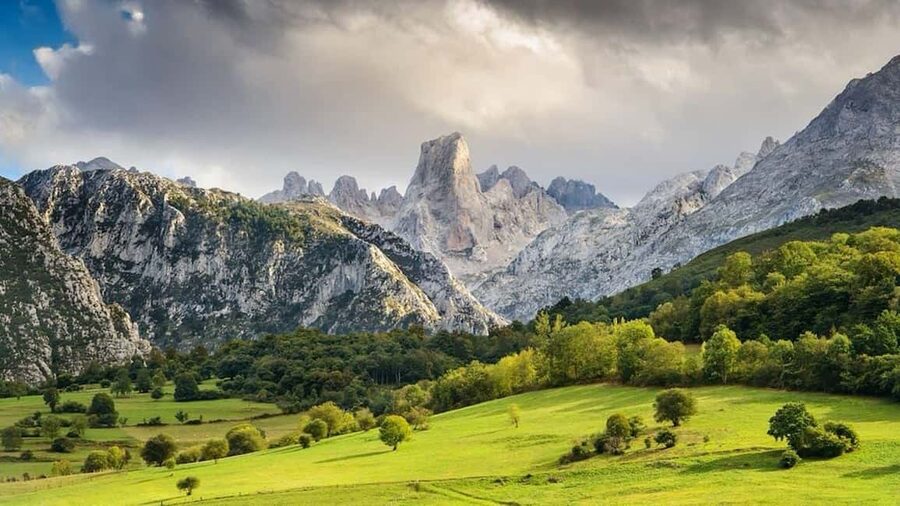
This trip is built for people who want more than a quick look at the Picos de Europa. You’ll start by the Cares River, then make your way to Bulnes—one of those villages you don’t “drive by.” You reach it via a funicular, because there’s no road access to the village itself.
What I like about this combo is that it shows two sides of Asturias. One is the dramatic natural setting around the Cares Gorge. The other is food culture you can actually understand with your senses: smell the cave, listen to how cheese is made, then taste Cabrales with Asturian cider.
It’s also a good value structure for the price, because the funicular ticket is already included, and the cheese cave visit includes the tasting. Just remember: this is a day with a lot of moving parts, and you’ll want comfortable shoes and patience on the road.
Poncebos and La Garganta Divina: where to focus your attention
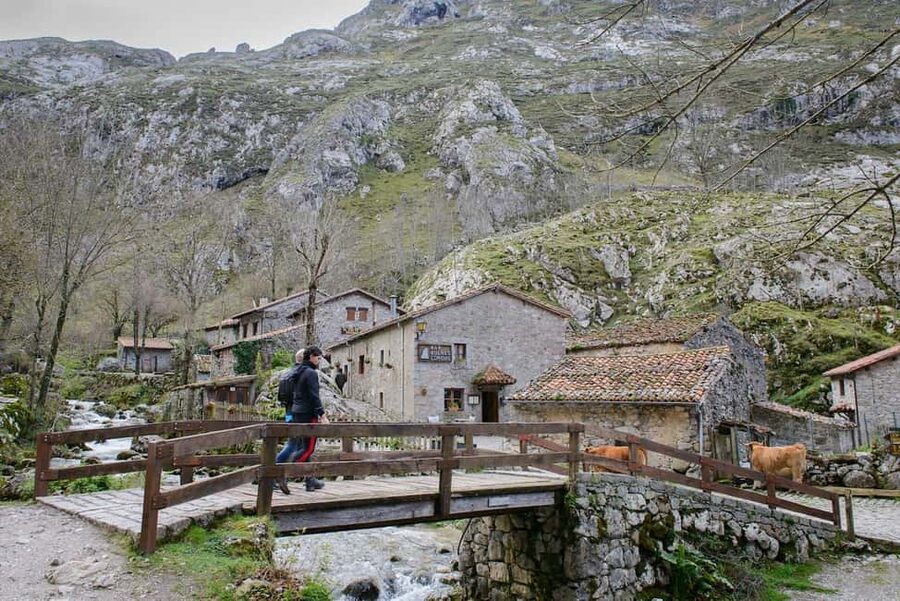
You’ll head to Poncebos, the starting point area tied to the famous Cares Route. This is the part of the region locals describe as La Garganta Divina—The Divine Gorge—because the Cares Gorge looks carved by sheer persistence. The river has eroded its way through rock over time, leaving steep rock walls that frame the canyon like a natural corridor.
From a practical point of view, this is a “take it in” stop. Even if you’re not doing the full hike, the viewpoint mindset helps. Look at the river line, then notice how the canyon walls narrow the scene. That’s the visual trick of the Cares: it’s dramatic without needing any gimmicks.
Timing matters here. Early on, you’re building momentum—then you move on to the funicular connection. So I’d treat Poncebos as your scenic reset: a place to stand still, breathe, and get oriented before the day becomes more structured.
The underground funicular to Bulnes: fast ride, low sightlines
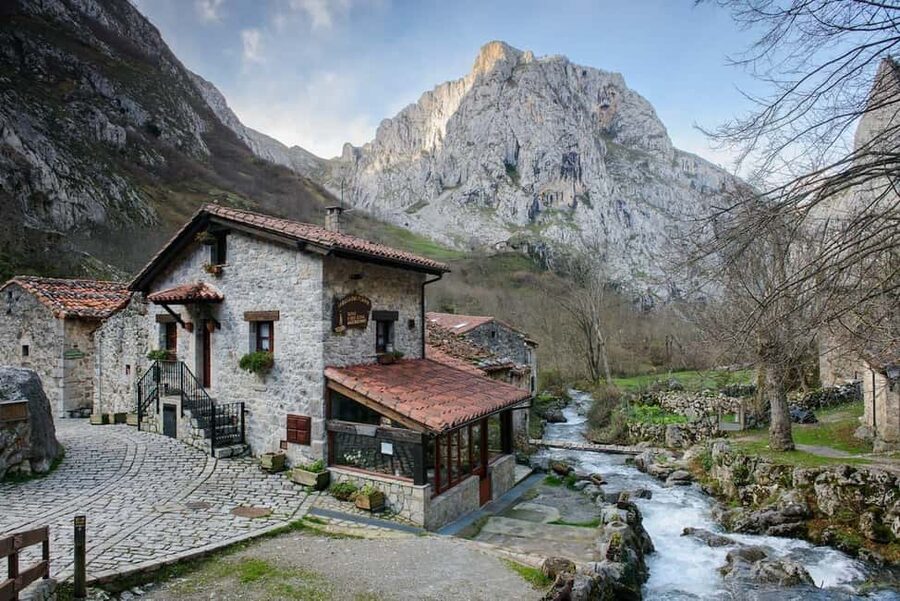
The star transport is the Funicular de Bulnes. The ticket is included, and the ride takes about 8 minutes. That sounds short, but it’s meaningful because the funicular doesn’t just move you upward—it takes you through the mountain and back out to a village that’s essentially cut off from road life.
Here’s the key expectation-setting point: this isn’t a sightseeing cable car where you watch the world roll by. One piece of feedback that’s especially useful is that it functions like a small train on track, with the car pulled by cable, and it’s mostly underground. So if you’re hoping for panoramic windows, you’ll likely be disappointed.
Instead, treat it like part of the experience. The value is the access method: you’re arriving by the same approach that makes Bulnes feel isolated. Once you’re there, you get the reward—cobbled streets, traditional houses, and a village rhythm that doesn’t revolve around cars.
Bulnes village walk: chapel, viewpoint, and that rare phone-free calm
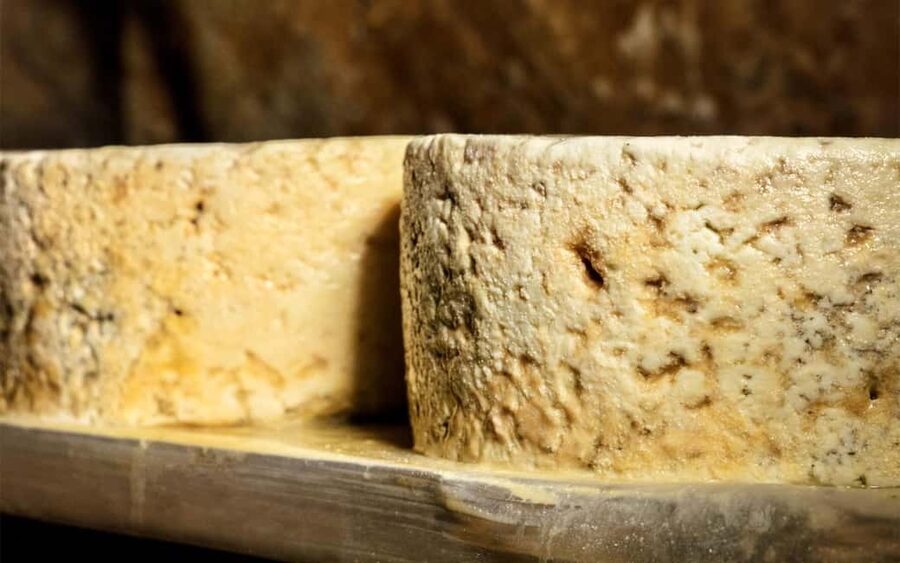
Bulnes is the kind of place where your posture changes. You slow down. You look up at peaks, and you stop thinking in schedules for a bit.
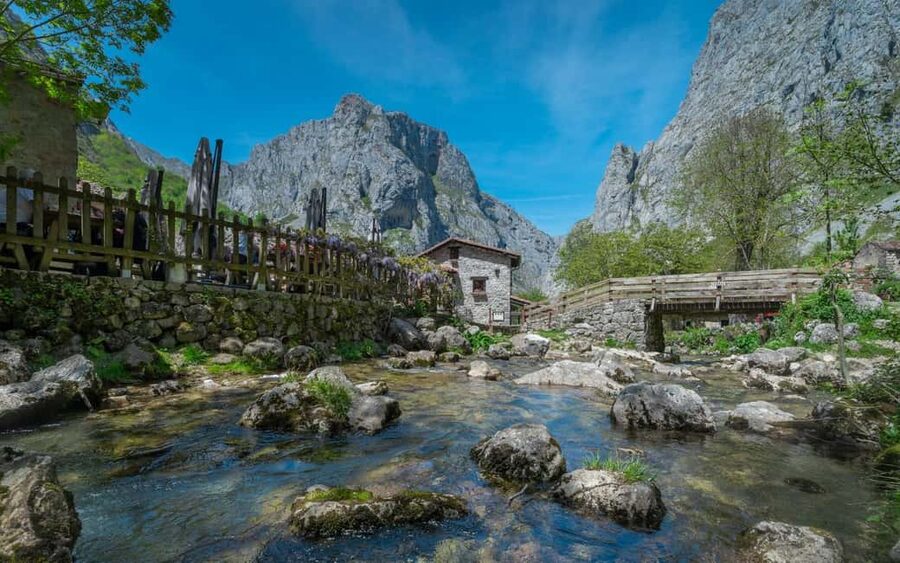
The village has cobbled streets and traditional homes, and there’s no cell phone coverage. That detail is more than trivia. It affects how the village feels. People tend to wander, chat, and notice small things—stonework, tiny lanes, and the way the village opens toward big mountain views.
You’ll have time for a guided tour of Bulnes, plus additional free time. Two “do not miss” targets are built into the experience:
- The small chapel of Nuestra Señora de las Nieves
- The viewpoint walk where you can take in Picu Urriellu (also known as Naranjo de Bulnes)
Picu Urriellu is one of Spain’s most iconic peaks, and it shows up repeatedly in mountaineering imagination. In Bulnes, it’s not just a far-off photo subject—it’s part of the backdrop that shapes the village’s everyday look.
A small reality check: Bulnes doesn’t feel like a museum town. It’s a working village with quiet streets. That’s the point. If you want constant entertainment, this may feel simple. If you want the atmosphere and the views, it’s perfect.
Arenas de Cabrales and the cheese cave: why this stop feels hands-on
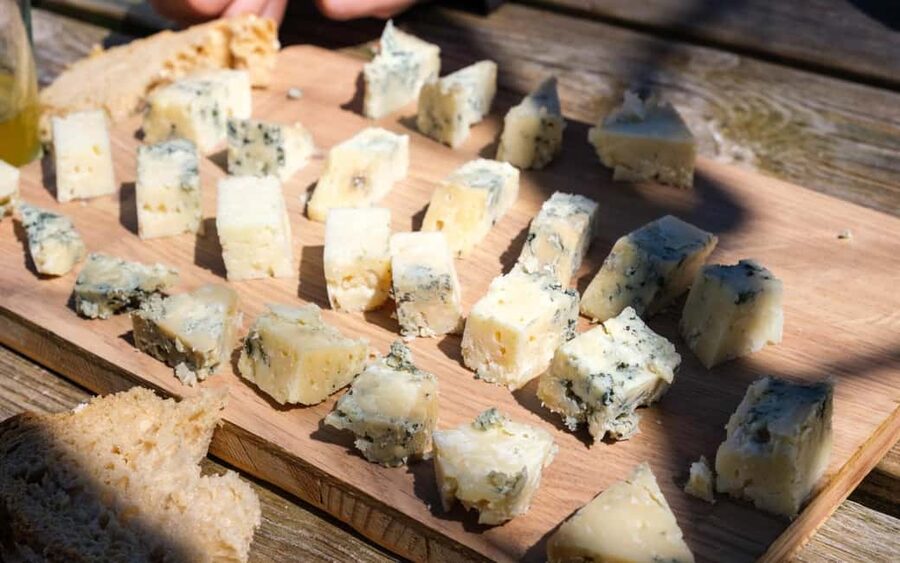
After Bulnes, the day shifts gears toward Arenas de Cabrales, tied to the birthplace of Asturias’s most famous blue cheese tradition: Cabrales.
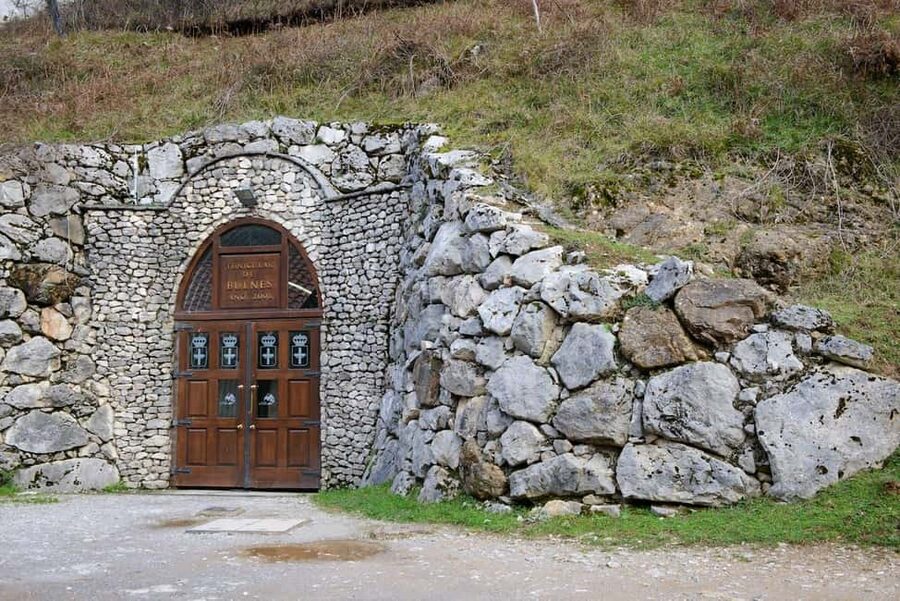
You’ll have a short stop in town, then you’ll move on to the Cueva del Queso (Cheese Cave). This is where you start understanding why Cabrales tastes the way it does. A cave isn’t a stage set; it’s an environment. The air, temperature stability, and time-based process all play roles in making the cheese develop its character.
The visit is guided, and you learn about the traditional cheese-making method passed down through generations. The language pacing can vary in practice—English is offered, but some groups may experience Spanish segments first. Either way, don’t worry about catching every word. The process is concrete: what you see and how it’s explained will do most of the heavy lifting.
Cabrales tasting with Asturian cider: how to enjoy it like a local
The best part of the cheese stop is that you don’t just tour a cave—you finish with a tasting of Cabrales cheese plus Asturian cider. This pairing is one of those simple combinations that makes regional food make sense fast.
When you taste, use a quick, no-stress approach:
- Start with a small bite and notice the texture and intensity.
- Follow with cider to reset your palate.
- If you’re comparing varieties (or even just comparing bites), pay attention to the aroma more than the label.
Cabrales can be assertive, so the cider helps smooth the experience. I also like that this tasting ends the day with something you can take home in your memory: a specific flavor tied to a specific place, not a generic “food sample.”
Also, this is included as part of the guided experience, so you’re not forced to hunt for a meal right away. Still, you may want to plan for gaps in hunger between the cave and the ride back.
Timing and pace: 8–12 hours, built for movement
This excursion runs 8 to 12 hours, and it follows a steady rhythm: bus time, funicular access, guided village time, guided cave time, and then the return drive.
The itinerary is structured enough that you won’t be guessing where to go, but it’s still active. A typical pattern looks like this:
- A long coach ride toward the Poncebos area
- A break connected to the Bulnes funicular timing
- Time in Bulnes with guided narration plus free wandering
- Transfers toward Arenas de Cabrales
- Cheese cave visit and tasting
- Return by bus with drop-off options
Two practical tips for the pace:
- Bring a snack strategy. The tour includes tasting, but additional food isn’t listed as included, so you’ll want a plan for any longer gaps.
- Wear shoes you trust. Even in Bulnes, you’ll walk enough for comfortable footing to matter.
If you’re the type who gets stressed by tight timing, this trip may feel full. If you like an organized day with real stops, it’s a good fit.
Price and value for about $81: where your money actually goes
At around $81 per person, this trip looks “reasonable” once you map it to what you get. The funicular ticket is included and has a stated value of $26.99, so right away, a chunk of your cost is transportation you don’t have to price out separately.
Beyond that, you’re paying for:
- Round-trip private bus transfers (from the listed starting points)
- An expert tour guide
- Guided tour time in Bulnes
- A guided visit to the cheese cave
- A tasting that includes Cabrales cheese and Asturian cider
- Guaranteed access to Bulnes for lunch time (but lunch itself is not included)
That “guaranteed access” detail matters because mountain village schedules can be tricky. You’re not left hoping you’ll find your way into the right lunch setting. Still, since lunch isn’t included, you should budget for it.
For value, the best comparison is mental: you’re not buying one activity. You’re buying access to a hard-to-reach village plus a specific food experience tied to its place of origin.
Who this tour fits best (and who should rethink it)
This is a strong match if you want:
- The Picos de Europa experience without doing heavy hiking
- A quiet village stop that’s hard to reach by road
- Real culinary education (not just tasting something bland next to a tourist shop)
It’s less ideal if:
- You have mobility limitations. The tour is not suitable for people with mobility impairments or wheelchair users.
- You expect long, wide window views on the funicular. Much of the ride is underground, by design.
- You need everything explained in English at every moment. The guide languages are English and Spanish, but timing and language flow can vary in practice.
If you like nature and you also like food, you’ll likely enjoy the way the day balances outdoor views with a hands-on cultural visit.
Tips that make the day smoother
A few small choices can make a big difference on this kind of full-day route:
- Comfortable shoes: you’ll walk in Bulnes and likely around the stop areas.
- Weather gear: the mountains change fast, so bring clothing suited to conditions.
- Pace mindset: plan to move from viewpoint to village to cave without expecting long lingering pauses every stop.
- Food planning: since lunch isn’t included (even though access is guaranteed), pack a small snack just in case the timing stretches your appetite.
Also, if you’re sensitive to language speed during the cave visit, focus on what you can see and smell. The experience is sensory as much as it is informational.
Should you book this Bulnes + Cheese Cave tour?
I’d book it if you want a structured day that hits three big wins: Cares Gorge views, a village that feels genuinely remote, and a food experience you can connect to place. The inclusion of the funicular ticket and the included cheese-and-cider tasting make the price easier to justify.
I wouldn’t book it if your top priority is panoramic views from transport, or if you need full accessibility. And if you dislike long bus rides, you might find the timing exhausting.
For the right person, this is the kind of day that feels like you left with stories, not just photos.
FAQ
How long is the Bulnes funicular and Cabrales cheese cave excursion?
The duration is listed as 8 to 12 hours.
Where does the tour start?
The meeting point can vary depending on the option booked. Starting locations include the Estación de Autobuses de Cangas de Onís, and Oviedo options such as Buendía Store and Panadería Manín.
What languages will the live guide use?
The tour offers a live guide in English and Spanish.
Is the Bulnes funicular ticket included in the price?
Yes. The funicular ticket is included.
Is there a viewpoint in Bulnes?
Yes. In Bulnes you can climb to a viewpoint with views of Picu Urriellu (Naranjo de Bulnes).
What is the Cueva del Queso?
It’s the Cabrales cheese cave visit, where you learn about the traditional Cabrales cheese-making process.
Is food included?
Cabrales cheese tasting with Asturian cider is included. Lunch access in Bulnes is guaranteed, but lunch itself is not included.
What should I bring for the day?
Bring comfortable shoes and weather-appropriate clothing.
Is the tour suitable for wheelchair users or mobility impairments?
No. It is not suitable for people with mobility impairments or wheelchair users.
Is free cancellation available?
Yes, free cancellation is available up to 24 hours in advance for a full refund.