REVIEW · AUXERRE
Chablis Wine and Cheese Pairings Clotilde Davenne
Book on GetYourGuide →Operated by Domaine Clotilde Davenne · Bookable on GetYourGuide
A quick taste lesson in Chablis. At Domaine Clotilde Davenne, you’ll get Chablis wine and regional cheese pairings explained in plain language, with guidance focused on subtle differences in terroir and style. I love that the format stays short, so you can fit it into a busy day without turning your afternoon into a wine marathon.
I also like the way the tasting pace can flex. In reviews, the guide (Axel) is praised for answering questions and adjusting the flow so you don’t feel rushed. One possible drawback: even though the experience is marked wheelchair accessible, one review notes 3 steps to reach the boutique entrance, so you’ll want to plan accordingly.
In This Review
- Key Things You’ll Notice in This Chablis Pairing Session
- Boutique Clotilde Davenne in Chablis: a 45-minute stop that teaches fast
- What you actually taste: Chablisien and Grand Auxerrois plus more
- The core experience: guided Chablis wine and cheese pairings, step by step
- The wine lineup surprises: Irancy, and a listed cheese called Holy break
- Cheese at the center: texture and salt are your secret weapons
- Price and value: $23 for a guided tasting that includes both wine and cheese
- Who should book this Chablis pairing experience (and who might not)
- Quick practical notes before you go
- Should you book Chablis Wine and Cheese Pairings at Clotilde Davenne?
- FAQ
- How long is the wine and cheese pairing experience?
- What does the experience cost?
- What’s included in the tasting?
- Where do I meet for the tour?
- Is there a live guide?
- Is this a small-group activity?
- Is the experience wheelchair accessible?
- What is the cancellation and payment policy?
Key Things You’ll Notice in This Chablis Pairing Session
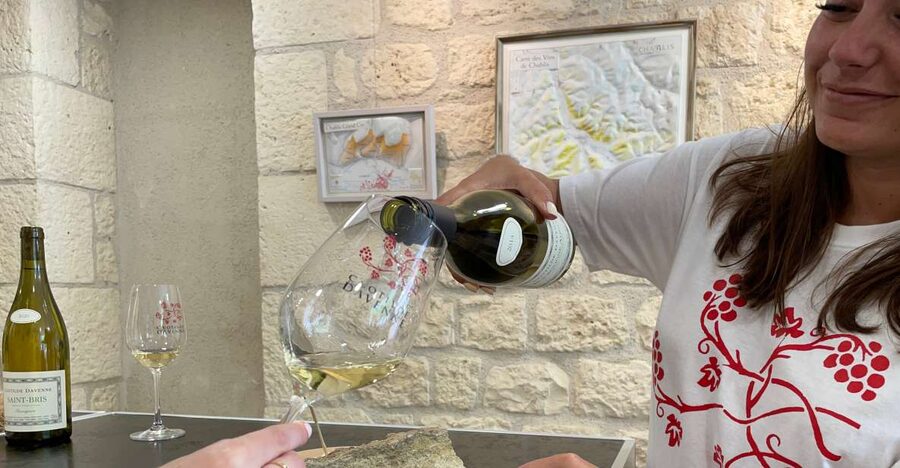
- Small-group format (up to 6) for more back-and-forth with the guide
- Chablis focus, plus additional regional wines to compare styles
- Hands-on pairings designed around how flavors and textures change together
- Guide-led Q&A with clear, passionate explanations (Axel is mentioned by name)
- Your pace matters, with the tasting able to be adjusted during the session
Boutique Clotilde Davenne in Chablis: a 45-minute stop that teaches fast
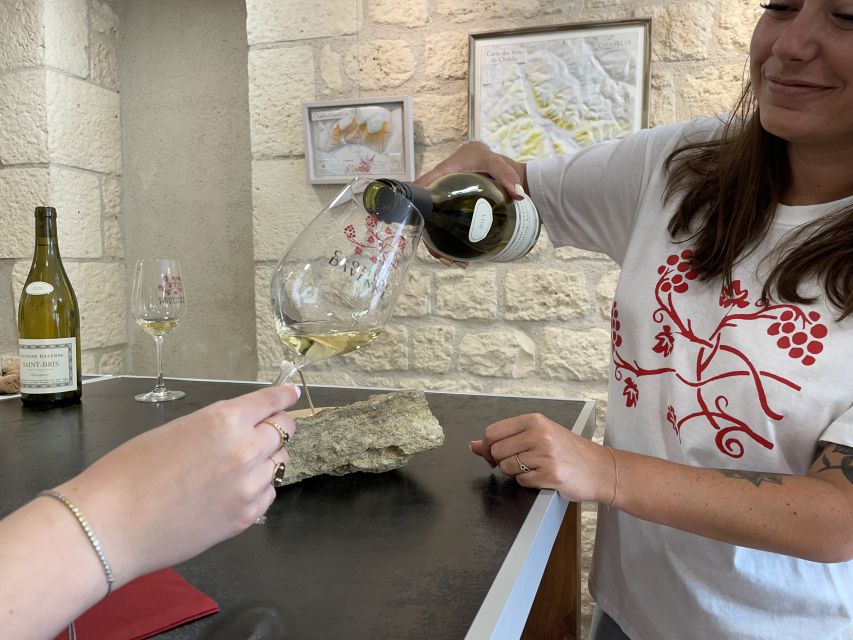
This experience is built for people who want the point of Burgundy wine without the heavy lectures. You meet at Boutique Clotilde Davenne in the town of Chablis, then step into a guided tasting that lasts about 45 minutes. With a small group capped at 6 participants, it feels less like a classroom and more like a focused tasting with room to ask questions.
The setting is a boutique environment, which matters because the vibe is casual and practical. You’re not spending hours touring buildings. Instead, you’re using that time to learn how Chablis-style wines can shift when you add different cheeses, and how the pairing changes what you notice first: acidity, creaminess, salt, or aroma.
If you’re pairing this with a larger day of sightseeing in Burgundy, this is a smart anchor. It’s short enough to keep your energy for the rest of the day, but structured enough that you leave with a real takeaway instead of just remembering that everything tasted good.
What you actually taste: Chablisien and Grand Auxerrois plus more
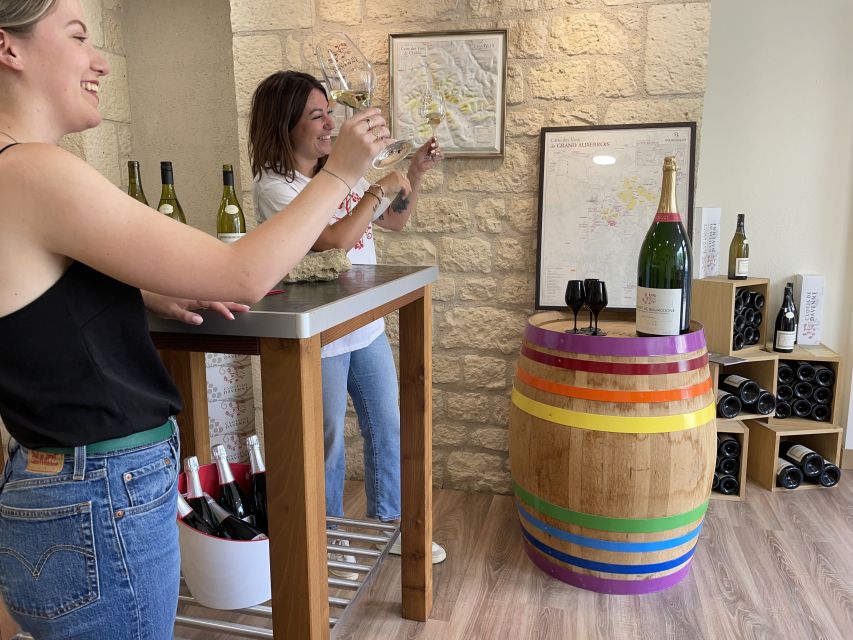
The tasting isn’t just one wine and one cheese. The goal is comparison—so you can learn how variations in style change the pairing. The description highlights wines tied to the estate’s identity, including Chablisien and Grand Auxerrois.
You’ll also run into additional Burgundy options in the lineup, including Saint-Bris and sparkling Crémant. That mix is valuable because it shows you how Chablis-region flavors can be both crisp and refreshing, and also more celebratory when bubbles enter the picture.
Why this matters: if you only drink Chablis on its own, you might miss why it pairs so well with food. The pairing session forces your palate to work in context. You learn what the wine does to the cheese and what the cheese does back to the wine—especially when you’re switching between still whites and sparkling.
Also, the experience is guided live by a French/English tour guide. So if your French is limited, you still get the full meaning of the explanations, not just the tasting notes floating in the air.
The core experience: guided Chablis wine and cheese pairings, step by step
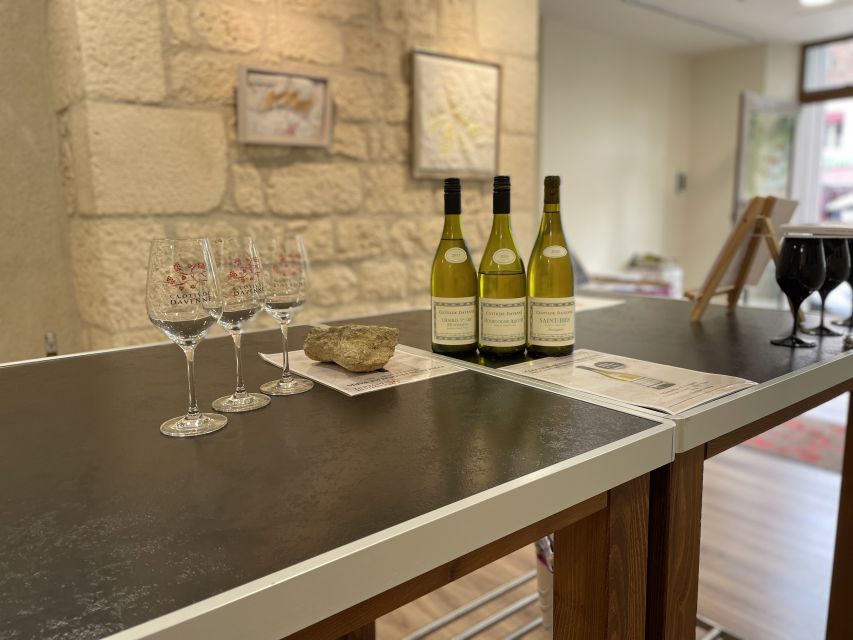
The heart of this tour is a guided tasting where you’re guided through both the wine and the cheese sides together. You’ll sample a selection of regional cheeses alongside a range of wines. The emphasis is on subtleties—how small shifts in taste and texture can make one wine suddenly feel brighter or smoother.
Here’s what you should expect during the pairing itself:
You’ll taste the wine, then you’ll try it with a cheese, and the guide will point out what to notice. That could be how acidity meets richness, or how a stronger cheese can change the way a wine’s fruit or dryness comes across. You’re not stuck reading a menu. You’re learning a method you can reuse later when you’re shopping for cheese at home.
One highlight from reviews is the teaching approach. People praised the guide for being able to respond to many questions, and for explaining the wine in a way that reflects real passion. There’s also a practical advantage: you can set the tempo to some extent. One review notes the pace can be decided by you, and the flow can be adjusted individually. In plain terms, you’re not trapped in a rigid script where you’re swallowing quickly just to keep up.
If you like food pairing as a skill, this is the right format. If you only want to drink and move on, it might feel a little too guided. But if you’re curious about why pairings work, you’ll probably enjoy the back-and-forth.
The wine lineup surprises: Irancy, and a listed cheese called Holy break
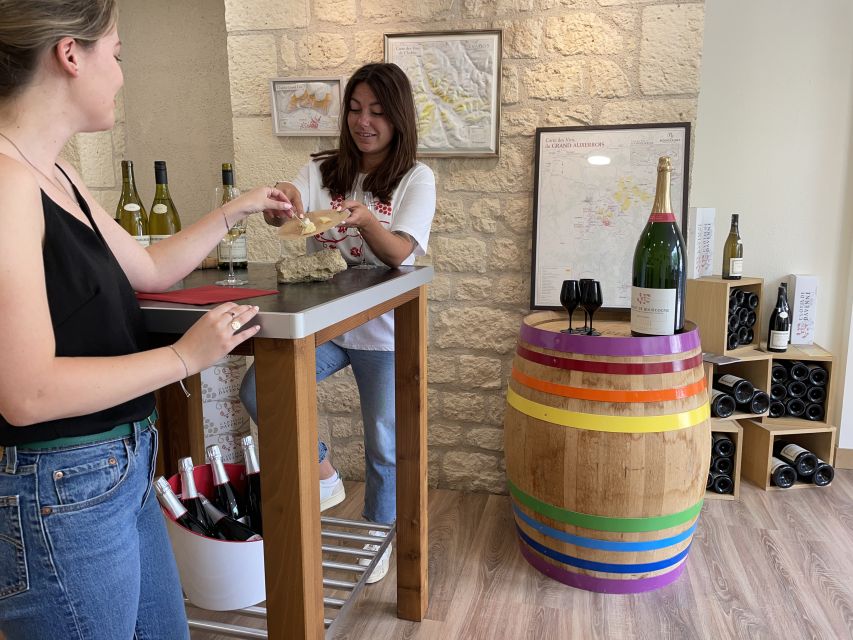
The tasting includes specific standouts listed in the experience highlights, including Irancy and something called Holy break. The practical value here is that it broadens the tasting beyond a single “Chablis = white wine” idea.
Irancy appears on the list, and that’s useful because it nudges you to compare a different regional wine profile alongside Chablis-style whites. Even if you don’t know the details ahead of time, the guide-led format helps you experience the difference through taste and pairing rather than relying on pre-reading.
The Holy break item is listed as part of the tasting highlights. Since the name is specific but not explained in the provided details, the best approach for you is to treat it like a tasting wildcard: pay attention to texture first, then see how it changes the wine. If the cheese is milder, the wine’s acidity may lead. If it’s stronger, the wine can taste more rounded or even slightly different in aroma.
This is one of those moments where you learn more by being observant than by trying to decode every technical term. You’ll leave with a feeling for how the pairing is built, not just a list of what you drank.
Cheese at the center: texture and salt are your secret weapons
Most people think cheese pairing is about flavor alone. In reality, texture and salt do a lot of the heavy lifting, and this experience is structured around that idea. You’re offered a variety of regional cheeses, which gives you contrast: soft vs firm, mild vs sharper notes, and creamy vs snappier textures.
As you taste, watch for a few repeatable patterns:
- When a cheese has more salt, the wine can feel crisper and more defined.
- When a cheese feels creamy, even a dry wine can seem rounder.
- When a cheese has a stronger profile, it can change what you perceive as fruit vs acidity.
This is where the short duration actually helps. In 45 minutes, you’re not stuck in one cheese style for too long. You get enough variety to learn the pairing logic without tiring out.
And because it’s a small group, the guide can likely help you calibrate your palate quickly. That’s the difference between tasting as entertainment and tasting as learning. If you’ve ever tried cheese pairings on your own and wondered why one combination didn’t work, you’ll probably appreciate how this session teaches you what to check next.
Price and value: $23 for a guided tasting that includes both wine and cheese
At $23 per person for a 45-minute session that includes wines and cheeses, you’re paying for three things at once:
1) guided explanations in French or English,
2) a curated set of pairings you don’t have to plan,
3) time-efficient learning while everything is served at its best.
Is it a deep, multi-hour wine immersion? No. It’s a focused pairing class, not a full day of tasting. But for many people, that’s exactly the point. You can sample, learn, and get moving without turning the trip into a cork-collecting hobby.
This is also a good value choice if you’re traveling with limited time in Chablis. The experience is built so you can slot it into an itinerary, walk out with knowledge you can use later, and still enjoy the town.
Who should book this Chablis pairing experience (and who might not)
This tour fits best if you want:
- a guided intro to Chablis wine and food pairing,
- a short activity you can understand quickly,
- a small group experience where questions are welcome,
- and pairings that include both still wines and sparkling Crémant.
It may feel less ideal if you want an extended cellar tour or a full-length tasting with many more courses than what’s possible in 45 minutes. Since the experience is designed to be efficient, the tasting ends right when you’re starting to get fully comfortable with the first few pairings.
If you’re someone who likes learning by tasting—then adjusting your palate as you go—you’ll likely enjoy this. Reviews also point to a teaching style that responds to questions and keeps the tempo flexible. That’s a real quality-of-life detail, especially if you’re not the type who reads every label out loud.
Quick practical notes before you go
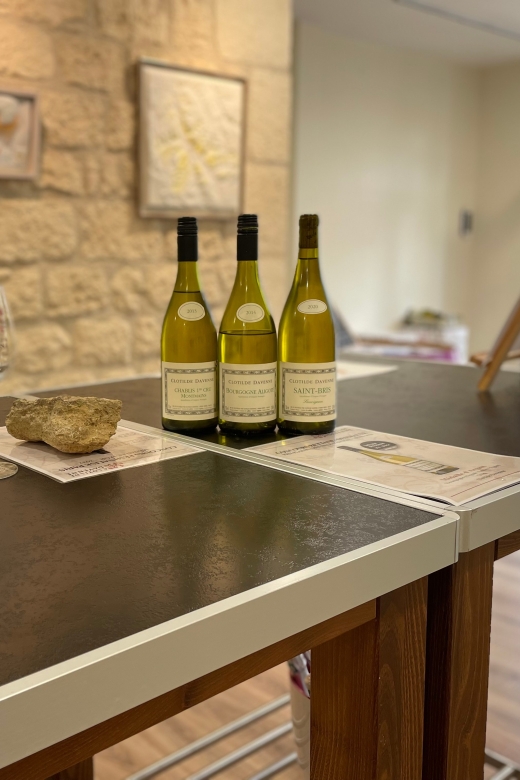
A couple of details can help you have an easier time.
First, plan for the entrance situation. One review mentions 3 steps to enter the boutique, even though it’s labeled wheelchair accessible on the site. If mobility is a factor, it’s worth checking directly ahead of time so you’re not surprised on arrival.
Second, go with curiosity, not with a rigid expectation of technical wine jargon. The experience is set up for explanations and pairing logic. If you’re hungry, this kind of tasting can be especially satisfying, since cheese and wine are meant to be experienced together right away.
Should you book Chablis Wine and Cheese Pairings at Clotilde Davenne?
Yes—if you want a smart, short, guided Chablis wine and cheese pairing experience with real instruction, not just passive sipping. The strongest reasons to book are the teaching quality and the format: a guide who can answer questions (Axel is specifically mentioned), a tasting pace that can be adjusted, and a lineup that goes beyond one wine and one cheese.
If you’re on a tight schedule in Chablis, this is a good use of time. If you care about how food changes wine, you’ll get value fast. If you need step-free access, confirm the entrance details first.
FAQ
How long is the wine and cheese pairing experience?
The duration is 45 minutes.
What does the experience cost?
It costs $23 per person.
What’s included in the tasting?
Wines and cheeses are included.
Where do I meet for the tour?
You meet at Boutique Clotilde Davenne in Chablis.
Is there a live guide?
Yes, there is a live tour guide who speaks French and English.
Is this a small-group activity?
Yes, it’s limited to 6 participants.
Is the experience wheelchair accessible?
It is marked wheelchair accessible, but one review notes there are 3 steps to enter the boutique.
What is the cancellation and payment policy?
Free cancellation is available up to 24 hours in advance for a full refund, and there’s also an option to reserve now & pay later.