REVIEW · LYON
Cheese and Wine Accord Tour at Château de Champ-Renard
Book on Viator →Operated by Château de Champ-Renard · Bookable on Viator
Medieval walls and serious tastings in Beaujolais. What makes this tour work is the guided walk through Château de Champ-Renard and the vineyards, then the wine-and-cheese pairings finished with four Château vintages and four matured cheeses. One caution: the portions are intentionally modest, so if you want a big food-heavy meal, you might leave a bit hungry.
I like that the group is capped at 10, which means you get real back-and-forth with the winemaker animation and your guide. You’ll also get a clear explanation of terroir and how grapes become wine, so the tasting feels practical, not just ceremonial.
In This Review
- Quick Takeaways
- Where This Tour Shines in Beaujolais
- Meeting Point and Timing You Can Actually Manage
- The Vineyard Stroll: Terroir, But in Human Terms
- Winemaking Process Explained Before the First Sip
- Inside the Medieval Château: More Than a Pretty Room
- Cheese and Wine Pairing: How the Tastings Feel on the Ground
- The Small-Group Advantage (and Why Guides Matter)
- Price and Value: Is $57.62 a Fair Deal?
- After the Tour: Bottles You May Want to Bring Home
- Who Should Book This Tour (and Who Might Skip It)
- Should You Book This Château de Champ-Renard Cheese and Wine Accord Tour?
- FAQ
- How long is the Cheese and Wine Accord Tour?
- What does the tasting include?
- Is transport included?
- Where does the tour start and end?
- How large is the group?
- Do I need a print ticket?
- When will I receive confirmation after booking?
- Is the tour a private tasting?
- Are service animals allowed?
- What if the tour gets canceled?
Quick Takeaways
- Four vintages, including reds and a white: you taste 4 Château wines as the core of the experience
- Four matured cheeses, matched wine by wine: you get pairings designed to teach you what to look for
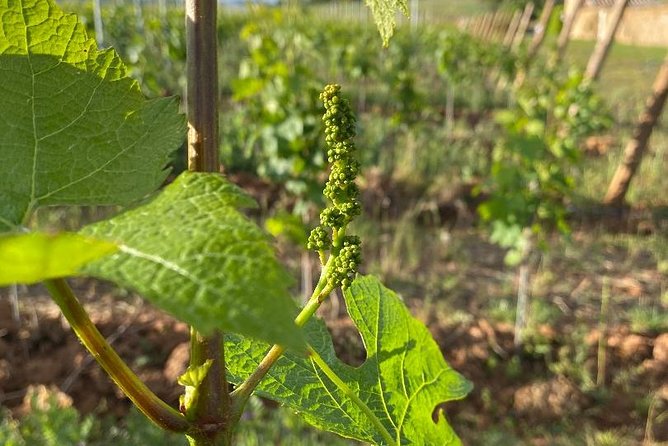
- Terroir taught on foot: a short stroll through the vineyards connects the idea of Beaujolais to real vines
- A château visit beyond the tasting room: exteriors, gardens, and interiors all get time
- Small group for real attention: max 10 travelers, plus undivided guide focus for questions
- About two hours total: short enough to fit into a Lyon day, with a mobile ticket at hand
Where This Tour Shines in Beaujolais
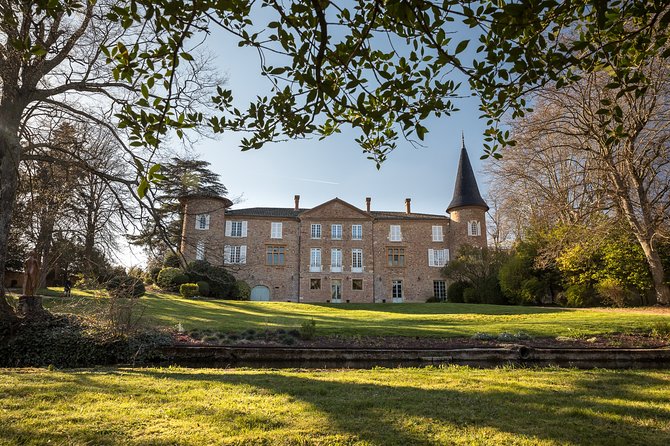
This isn’t the kind of wine tour where you shuffle in, taste, and shuffle out. At Château de Champ-Renard, the day is built around how you taste and why these wines taste the way they do. The setting helps too: the château sits right in the Beaujolais vineyards, so the tour doesn’t feel like you’re reading about wine. You’re looking at it, then tasting it.
What you’ll likely love most is the pairing structure. You sample four vintages, and you get four matured cheeses that are presented as matches, not random snacks. That turns the tasting into something you can copy later: smell first, notice acidity and tannins, then see how the cheese changes the wine.
The other big win is the guided château + vineyard flow. Reviews put special weight on how informative the guides are and how complete the château tour feels. If you care about wine, the vineyard walk matters. If you care about buildings, the château visit delivers.
You can also read our reviews of more tours and experiences in Lyon.
Meeting Point and Timing You Can Actually Manage
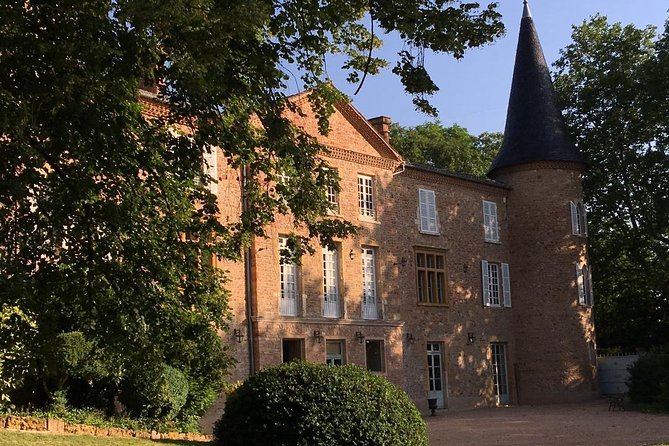
The tour meets at Château De Champ-Renard, Route de Berne, Angle, Rue de l’Ancien Pensionnat, 69460 Blacé, France and ends back at the same place. It runs about 2 hours.
That timing is a practical sweet spot. You get enough time to walk the property, hear how the vineyard and winemaking work, and still taste multiple wines and cheeses without turning it into a half-day project.
Two planning notes that will help:
- Transport isn’t included. You’ll need to get there on your own.
- Bring your mobile ticket and show up ready to walk. Comfortable shoes matter, since the visit includes a stroll through the vineyards.
If you’re visiting during a busy stretch, plan to book ahead. This tour is commonly reserved about 28 days in advance, and it runs with a maximum group size of 10 travelers, which keeps things intimate.
The Vineyard Stroll: Terroir, But in Human Terms
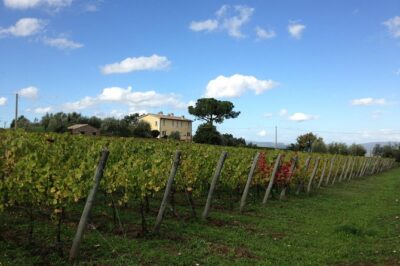
The tour starts with exteriors and gardens, where you get the story of the château and a sense of the estate’s place in the Beaujolais countryside. Then you move into the next phase: a short stroll through the vineyards.
This part matters because it connects terroir to something you can point at. Beaujolais terroir isn’t just a buzzword here. Your guide explains the vineyard work and ties it to what grapes produce in the glass. Even if you’re new to wine, this is where things click, because you can connect the explanations to the actual vines and the way the estate is laid out.
What to expect during the vineyard walk:
- A guided explanation of the appellation context and the idea of terroir
- A look at the work of the vineyard (how grapes get handled before they ever become wine)
- A build-up toward the winemaking process you’ll hear next
If you’re the type who likes questions, this is a good moment to ask. Because the group is small, you won’t be repeating yourself to a crowd.
Winemaking Process Explained Before the First Sip
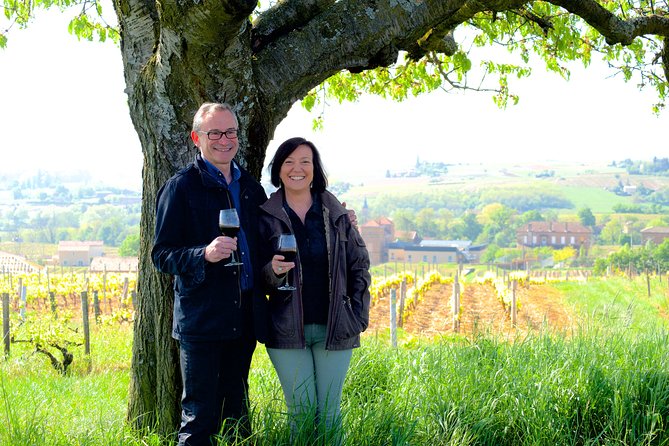
After the vineyard walk, the tour shifts into the practical side: how the vineyard work becomes wine. The experience includes an explanation of the winemaking process and how the grapes are turned into the Château wines you’ll later taste.
You shouldn’t expect a technical lecture that runs in circles. From the way the experience is described, the goal is to help you taste with better instincts: what the vineyard choices do, what winemaking steps contribute, and how these choices show up in a finished wine.
This order is smart:
- You learn the basics first
- Then you taste and compare using that new language
It also helps with enjoyment. If you show up tasting blind, wine can feel like guesswork. If you show up with a few concepts in mind—like how the vineyard’s choices affect the wine—each pour becomes a mini experiment.
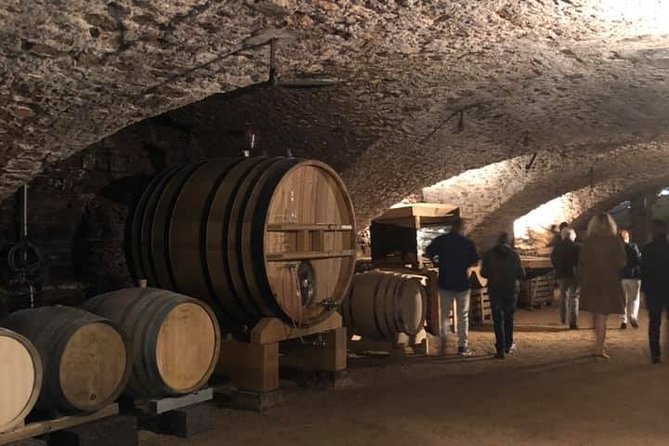
Inside the Medieval Château: More Than a Pretty Room
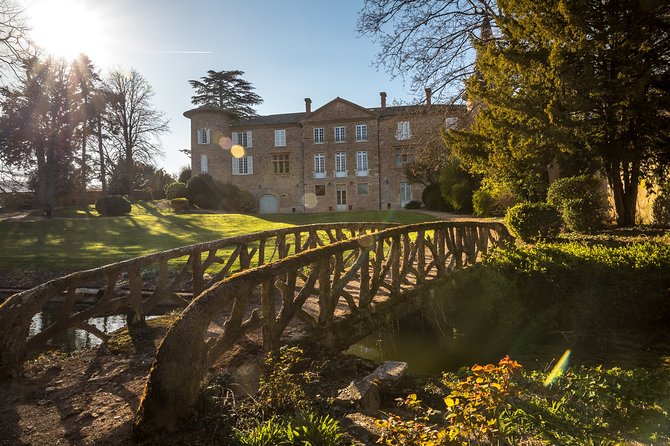
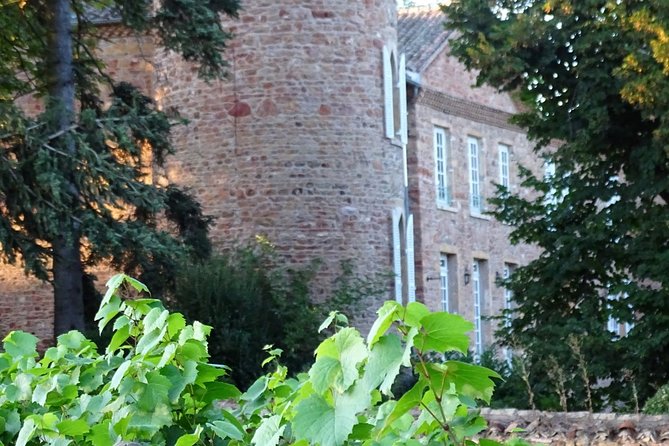
The tour doesn’t stop with the courtyard photos. You also get time discovering the interiors of the Château after the outdoor portions.
Why this matters for your experience: wine tours often feel like they’re only about the glass. Here, the château visit gives you context. You get a guided version of the château, and the medieval setting adds a sense of place that you can’t fake with a brochure.
Reviews also emphasize that people felt they received a complete château tour, not just a quick look at a tasting nook. That’s a big difference when you’re paying for an experience that includes both wine education and site viewing.
If you enjoy architecture, gardens, and atmosphere, you’ll likely appreciate the pacing: exteriors and gardens first, then the vineyard stroll, then interiors, and finally the tasting.
Cheese and Wine Pairing: How the Tastings Feel on the Ground
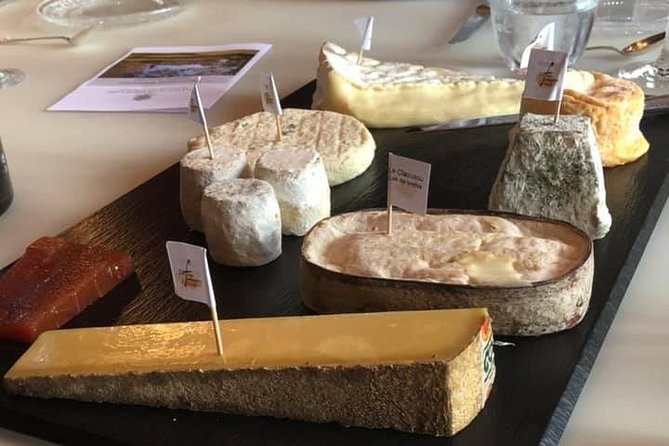
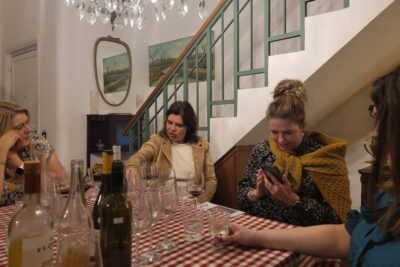
The finale is the part most people book for: a tasting of four Château vintages paired with four matured cheeses.
Key details that define the tasting:
- You taste four wines, including both red and white
- Each wine is paired with matured cheese
- The overall vibe is an intimate private tasting with guide attention
Here’s how to get the most out of the pairing without overthinking it:
- Smell the wine first, then take a sip.
- Note what you feel immediately (dryness, fruit, acidity, texture).
- Take a bite of cheese after the wine so you can compare change.
Matured cheese does a lot. It can push wine toward different fruit notes and can make tannins feel softer or sharper depending on the match. That’s the reason this pairing format works so well: you’re not just tasting; you’re learning a pattern.
One fair caution from reviews: some people felt portions were small—especially the cheese and wine amounts. If you want a lot of food and a lot of liquid, keep your expectations realistic. Think of it as a guided tasting, not a meal replacement.
The Small-Group Advantage (and Why Guides Matter)
This experience caps at 10 travelers, which is the practical ingredient behind many positive reviews. When the group is small, you get:
- more direct questions answered
- better pace (you don’t feel rushed)
- more chance to connect what you’re hearing to what you’re tasting
Guide personality shows up in the reviews as well. Names like Anaïs and Analise come up in positive feedback, including notes that the guide speaks English well and does a strong job explaining wine and winemaking at a smaller vineyard setting. Another review highlights that the hospitality can come directly from the owner, with genuine passion for the region and terroir.
Why you should care: the best part of a wine tour is often the conversation you didn’t plan. A good guide helps you taste smarter and enjoy more, and they can steer your attention to the details that make each pairing meaningful.
Price and Value: Is $57.62 a Fair Deal?
At $57.62 per person for about 2 hours, this is in the mid-range for wine experiences. The value case here is what’s included:
- tasting of 4 wines
- pairing with 4 matured cheeses
- guided walk of château + vineyards
- animation by a winemaker
So you’re paying for a structured experience: education + tasting + pairing, rather than just pouring wine and hoping for the best. Also, because the group is small (max 10), you’re more likely to feel the guide’s attention.
The counterpoint is real and worth noting: one review described it as overpriced for what was received, specifically calling out small cheese/wine portions. That doesn’t mean the tour is bad. It means it’s best suited to people who want a guided tasting experience with teaching built in, not a generous feast.
If you want a simple rule of thumb: if you enjoy tasting and learning, the price likely feels fair. If you’re hungry and expect large portions, you may feel disappointed.
After the Tour: Bottles You May Want to Bring Home
Some people add an extra step after the tasting. One review notes buying bottles in a small boutique afterwards. Even if you skip shopping, it’s a helpful sign: you can taste, then take home something you actually liked, instead of guessing later.
If you do plan to buy bottles, pace yourself. Don’t max out the tasting if you’re driving yourself afterward. And remember that your tasting notes from the pairing walk can help you pick more confidently.
Who Should Book This Tour (and Who Might Skip It)
This tour fits best if you:
- want a short, focused experience (about 2 hours)
- like guided tastings with pairings and explanations
- enjoy both wine education and château sightseeing
- prefer small groups and real conversation
You might skip or choose something different if you:
- want a big meal with large portions rather than a tasting format
- mainly want transport included (this tour does not include it)
- only care about drinking and not about terroir and winemaking context
If you’re new to wine, the vineyard walk and the winemaking explanation are the parts that help you build confidence fast. If you already know your way around a tasting room, the pairing structure still gives you a different angle: cheese shows you how to read the wine.
Should You Book This Château de Champ-Renard Cheese and Wine Accord Tour?
If you’re looking for a 2-hour Beaujolais experience that combines a guided château visit, a vineyard stroll, and a structured tasting of 4 Château wines with 4 matured cheeses, this is a strong pick. The small group size and the winemaker-led animation make it feel more personal than many larger tours.
I’d book if you enjoy tasting with context and want to leave with better instincts, not just souvenirs. I’d think twice if you’re expecting big food and generous pours, since the format is clearly a guided tasting rather than a full-on lunch.
FAQ
How long is the Cheese and Wine Accord Tour?
The tour lasts about 2 hours.
What does the tasting include?
You’ll taste 4 Château wines (including both red and white) and you’ll be paired with 4 matured cheeses.
Is transport included?
No. Transport is not included, so you’ll need to arrange getting to Château de Champ-Renard yourself.
Where does the tour start and end?
It starts at Château De Champ-Renard, Route de Berne, Angle, Rue de l’Ancien Pensionnat, 69460 Blacé, France and ends back at the same meeting point.
How large is the group?
This experience has a maximum of 10 travelers.
Do I need a print ticket?
No. The tour uses a mobile ticket.
When will I receive confirmation after booking?
Confirmation is received within 48 hours of booking, subject to availability.
Is the tour a private tasting?
It’s described as an intimate private tasting, with undivided attention of your guide.
Are service animals allowed?
Yes, service animals are allowed.
What if the tour gets canceled?
You can cancel for a full refund if you cancel at least 24 hours before the experience starts. The experience also requires a minimum number of travelers, and if that minimum isn’t met, you’ll be offered a different date/experience or a full refund.