REVIEW · GREECE
Crete: Farm Visit with Cheese Tasting and Milking Experience
Book on GetYourGuide →Operated by Arkadianos Farm · Bookable on GetYourGuide
Cheese-making gets real fast. On a family farm in Crete, you’ll go from feeding animals to making traditional Cretan cheese like you mean it. You’ll also learn the day-to-day animal care behind the food.
I especially liked the goat and sheep milking part—both by hand and with modern equipment—because it’s interactive, not just watch-and-smile. And the end tasting is the payoff: you sample fresh feta and graviera, plus their goat cheese Tyromalama, Greek sheep yoghurt, handmade milk desserts, and local raki (and wine as listed). Even if you think goat or sheep milk has a strong taste, it’s worth showing up to taste how good theirs is.
One practical drawback: hotel transfer isn’t included, so plan your ride to reach the farm.
In This Review
- Key things to know before you go
- Arkadianos Farm: hands-on Crete, not a museum stop
- 90 minutes of shepherd mode: feeding animals and milking
- Making traditional cheese in real steps (and why it’s worth watching)
- The tasting table: feta, graviera, Tyromalama, yoghurt, and desserts
- Kids’ playground time and animal interaction breaks
- Extra farm areas: herbal garden, artificial lake, and vegetable patch
- Price and value: what $29 buys in real experience time
- Where it fits with a Rethymno day trip
- Accessibility and language: what to expect for comfort
- Who should book this farm visit (and who might skip)
- Should you book Arkadianos Farm?
- FAQ
- How long is the farm visit?
- What’s included in the price?
- Is hotel transfer included?
- Is the tour guided in English?
- Will kids be able to participate?
- What animals will we see, and can we feed them?
- Is the farm wheelchair accessible?
- What are the cancellation rules and pay-later options?
Key things to know before you go
- Milk from the source: you try milking goats and sheep during the visit
- Cheese hands-on moment: you actively participate in making a traditional Cretan cheese
- Family-led farm tour in English: Michaelis guides and explains the process
- A proper tasting table: cheeses, yoghurt, desserts, and raki/wine as part of the experience
- Kids get real farm fun: a safe playground plus feeding and animal time
- More than animals: you can also look around the artificial lake, herbal garden, and vegetable patch
Arkadianos Farm: hands-on Crete, not a museum stop
If you’re in Crete and you want something more honest than another photo stop, this farm visit is built for that. Arkadianos Farm turns a short visit into a mini day on a Cretan family operation: animals, milking, cheese making, then tasting.
What makes it work is the rhythm. You’re not just passing through rooms. You move through tasks that fit together—feed animals, learn how milk becomes dairy products, then taste what you helped create. And because it’s guided in English with live explanations, you’re not left guessing what you’re looking at.
Also, the setting helps. The farm sits with views of the Cretan mountains, and the day isn’t stuck indoors. You’ll have time outdoors for animal interaction, plus time to wander through calmer areas like the herbal garden and vegetable patch.
90 minutes of shepherd mode: feeding animals and milking
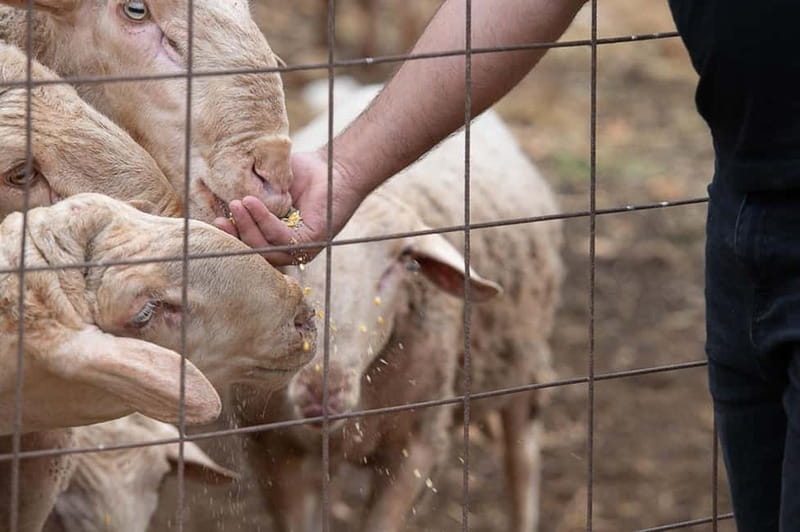
This is the part most people remember first, and for good reason: you get to do it, not just watch it.
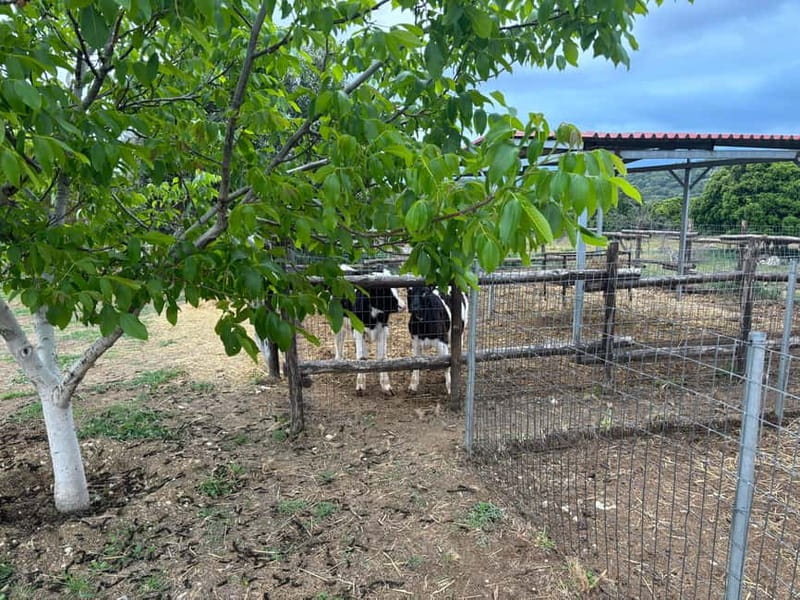
You’ll meet a whole mix of farm animals, including goats, sheep, cows, dogs, cats, chickens, geese, partridges, and peacocks. You can feed them, pet them, and snap photos. For kids, this is usually the fastest route to excitement—because it feels like a real farm, not a staged zoo.
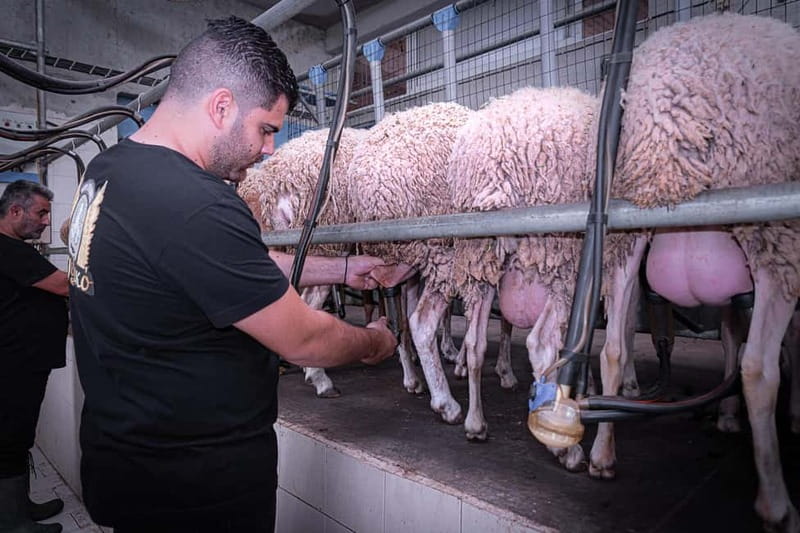
Then comes the milking. The experience includes goat and sheep milking, with the chance to try it by hand and also see milking with modern equipment. That blend matters. By-hand milking gives you a direct feel for the effort and routine. The modern equipment view helps you connect tradition with how the farm keeps things running efficiently.
If you’re thinking about dairy taste—especially goat or sheep milk—you’ll be glad you came. One visitor noted that people who associate sheep and goat products with an off taste often change their mind after tasting what this farm produces. That’s a big deal, because it turns the “I’m not sure I’ll like it” question into an actual try-and-decide moment.
Making traditional cheese in real steps (and why it’s worth watching)
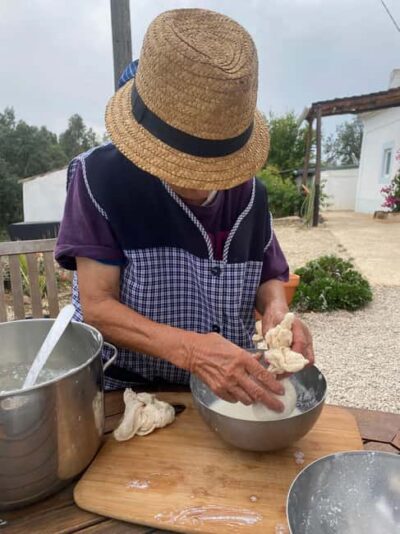
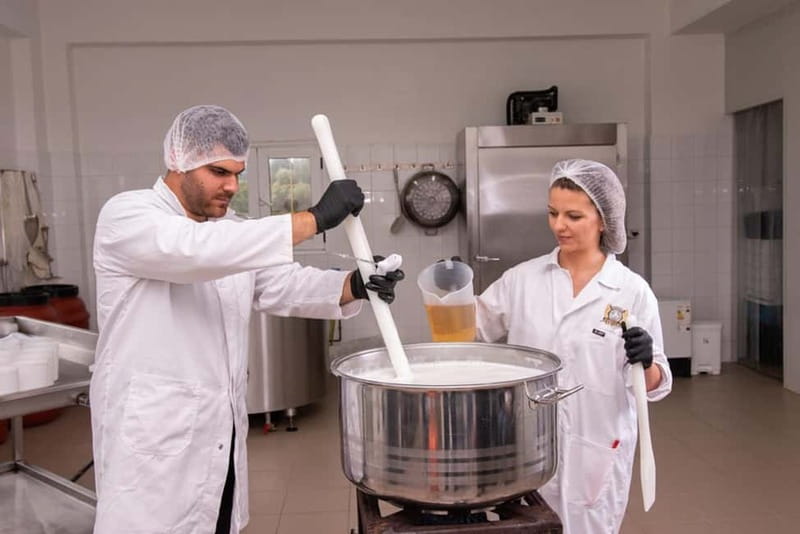
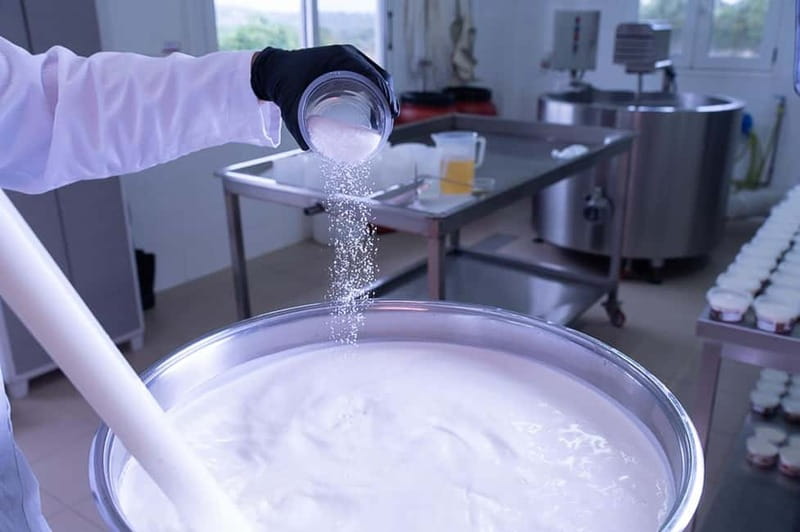
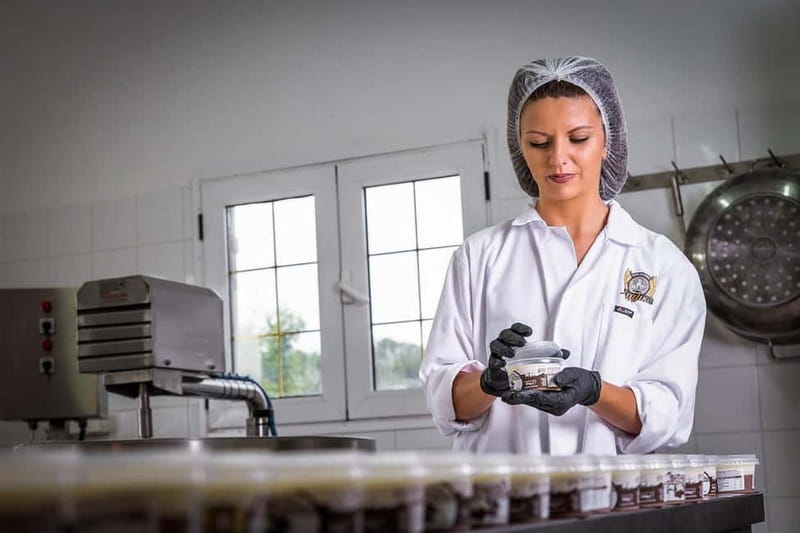
After milking and animal time, the focus shifts to cheese. You’ll take part in making a traditional Cretan cheese, and you’ll also see how their process works inside their cheese factory setup.
Two things make this more satisfying than a typical food demo. First, you’re not only observing the final product—you’re learning the chain from fresh milk to finished cheese. Second, the guided explanations help you understand what changes during the process and why the result tastes like it does.
In particular, you’ll hear about local cheeses and get to taste them right after. One highlight from the experience is the fresh cheese lesson (Tyrozouli), where the cheese is tasted after it’s made, and people specifically call out how good it is while still warm. Even if warm cheese isn’t your priority, it’s a great way to understand texture and flavor before it cools and changes.
And yes, a Cretan cheese factory visit can still feel personal here. This is a family operation, and the tone is more home-and-farm than industrial. Michaelis (the English guide) and his family explain the work, answer questions, and keep the flow moving without rushing you through the details.
The tasting table: feta, graviera, Tyromalama, yoghurt, and desserts
For many people, the tasting is the best part—because it lets you connect the whole day back to your mouth.
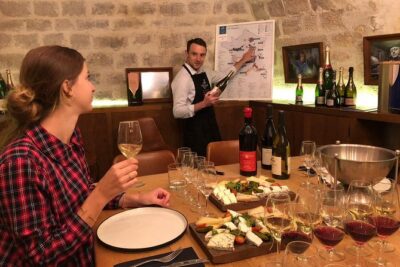
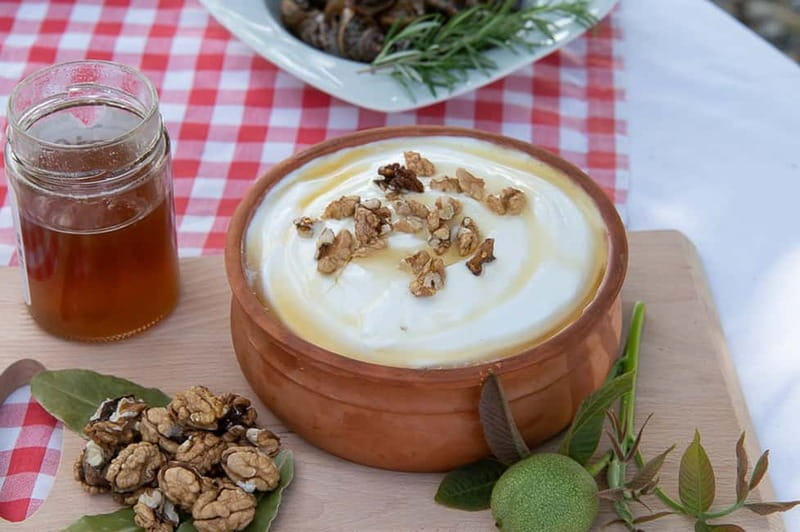
You’ll get a tasting featuring cheeses such as fresh feta and graviera, plus their unique goat cheese Tyromalama. You’ll also try Greek sheep yoghurt and handmade milk desserts. And local raki is part of the experience as listed (with local wine too).
A quick heads-up: one participant said the raki/wine wasn’t offered exactly as described. That doesn’t mean the tasting is incomplete, but if you strongly care about having raki during your stop, it’s smart to ask the guide on arrival what’s currently included that day.
Either way, the tasting is the moment where the farm’s care shows up. The cheeses aren’t presented as expensive souvenirs; they’re treated like something you should understand and enjoy. And because you already saw how the process works, the flavors make more sense. You’re tasting with context, not just tasting because it’s free at the end.
Kids’ playground time and animal interaction breaks
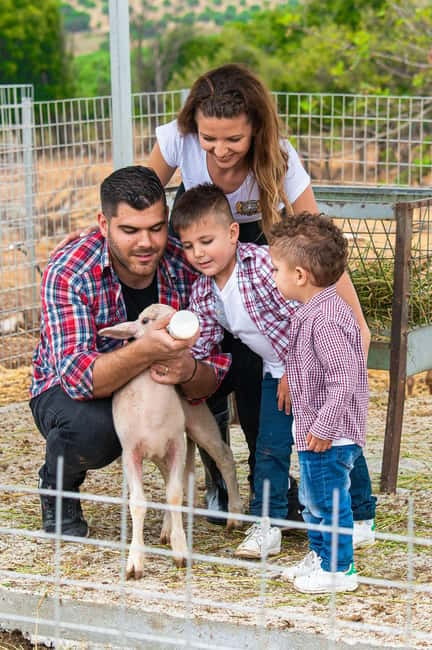
This visit is built for families, and it doesn’t feel like an afterthought.
Kids get a safe and natural playground designed just for them. That matters because it gives parents a breather. After the milking and factory time, your kids can reset with play while you linger at the farm areas you enjoy most.
In addition, kids don’t just watch. They feed and interact with animals, and they participate in hands-on parts of the day (the experience is designed so every child and adult can become part of the process). In one set of experiences, visitors also mention small farm tasks like collecting eggs during the visit. Even if you don’t get that exact activity every time, the overall idea is the same: kids get to do farm things, not only look at farm things.
Extra farm areas: herbal garden, artificial lake, and vegetable patch
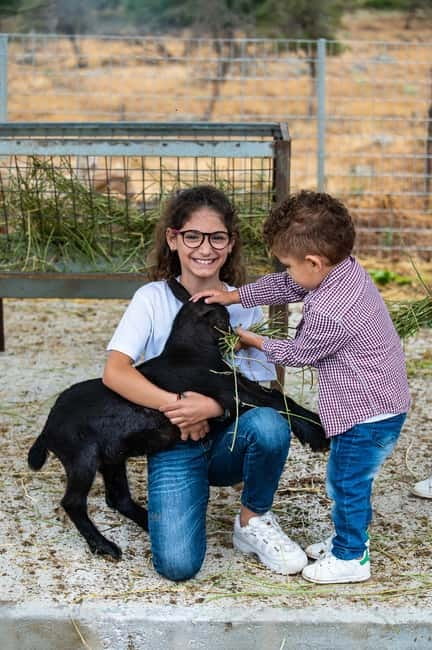
Not every minute is about dairy. You also get time to enjoy the farm as a working property and an outdoor space.
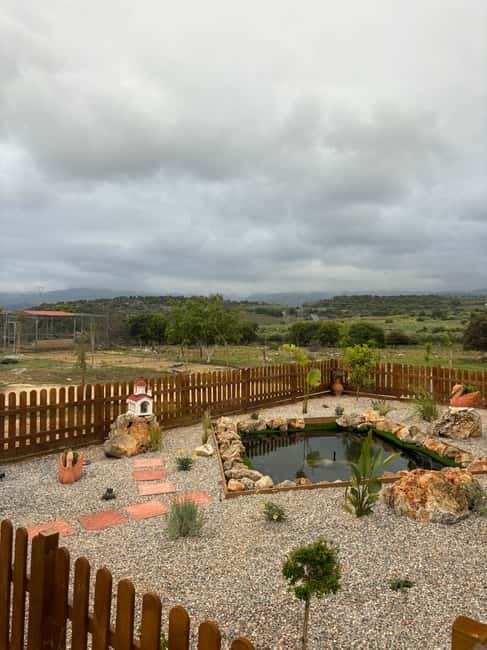
You can relax by an artificial lake, explore an herbal garden with aromatic local plants, and visit a vegetable patch where tomatoes and cucumbers can be tasted straight from the earth. These parts add variety so the day doesn’t become one long room-to-room experience.
If you like slow travel—standing still for a few minutes, noticing how a place smells, tasting something fresh from a patch rather than a store shelf—these stops are what make the farm feel lived-in. It’s also a nice contrast to the more structured cheese-making time, so the visit stays balanced.
Price and value: what $29 buys in real experience time
At $29 per person for about 90 minutes, the value comes from what’s included, not from the headline price.
You’re getting:
- a guided farm visit
- animal feeding
- the chance to try milking goats and sheep
- cheese making viewing and active participation
- cheese tasting
- local wine and raki as listed
The big value here is that you’re paying for activities. Many food tours are mostly watching. This one builds in hands-on tasks: milking and cheese-making involvement, plus the tasting that follows while the memory of how it’s made is still fresh.
Families often feel this value immediately because the kids get meaningful farm time plus their own playground space. Adults often feel it during tasting, once you realize the flavors match the process you saw.
Where it fits with a Rethymno day trip
Even though hotel transfer isn’t included, the farm’s location can make it easy to combine with other spots near Rethymno.
From the farm, you can pair your visit with:
- Monastery of Arkadi, about 12 km away
- The museum of ancient Eleftherna, about 24 km away
- Margarites village (pottery), about 9 km away
- Rethymno town, about 18 km away
So if you’re building a day around Rethymno, this farm can be the hands-on stop in the middle of a broader route: morning sightseeing, midday farm dairy work, then end with a town meal.
Because you’ll need your own transport to reach the farm, plan your timing around driving time rather than assuming this is a walk-in-from-your-hotel kind of outing.
Accessibility and language: what to expect for comfort
The experience is listed as wheelchair accessible, and that’s a meaningful plus if you want to avoid scrambling around uneven farm terrain. It’s also guided in English, which helps a lot for explaining the cheese steps and animal care.
Since the visit is 90 minutes, it’s short enough to fit into a day without eating up your whole schedule, but long enough for the full arc: animals, milking, cheese making, then tasting.
Who should book this farm visit (and who might skip)
This is a great fit if you want:
- a family-friendly, hands-on food experience in Crete
- something centered on real farm life—animals, milk, cheese—rather than a staged show
- a guided explanation in English
- a mix of indoor and outdoor time, including a playground and garden areas
You might consider skipping if:
- you only want purely scenic stops with no participation at all
- you’re hoping for a full-day tour with lots of long wandering (this is 90 minutes)
- you don’t want to handle transport, since hotel transfer isn’t included
Should you book Arkadianos Farm?
Yes, if you’re looking for a short Crete experience with real hands-on value. For $29, you’re not just tasting cheese—you’re learning how it comes together, trying milking yourself, and then eating the results in a way that actually makes sense.
Book it especially if you’re traveling with kids, because the playground and animal time are built in. And book it even if you think you’re a picky dairy taster—since the farm’s goat and sheep products can be a pleasant surprise once you taste them fresh.
If you’re planning your Crete route, just make sure transport to the farm is handled ahead of time, and you’ll get a memorable, practical taste of the island’s daily work.
FAQ
How long is the farm visit?
The experience lasts 90 minutes.
What’s included in the price?
The visit includes a guided farm tour, animal feeding, goat and sheep milking experience, cheese-making viewing, cheese tasting, and local wine and raki.
Is hotel transfer included?
No. Hotel transfer isn’t included.
Is the tour guided in English?
Yes. The live tour guide provides the experience in English.
Will kids be able to participate?
Yes. The experience is designed so both children and adults can take part in activities like becoming part of the cheese-making experience, and kids also have a safe playground.
What animals will we see, and can we feed them?
You’ll meet goats, sheep, cows, dogs, cats, chickens, geese, partridges, and peacocks. The experience includes animal feeding.
Is the farm wheelchair accessible?
Yes, the visit is listed as wheelchair accessible.
What are the cancellation rules and pay-later options?
You can cancel up to 24 hours in advance for a full refund, and you can reserve now and pay later.