REVIEW · SANTA CATARINA DA FONTE DO BISPO
Goat Cheese Making Workshop with Tasting
Book on GetYourGuide →Operated by Quinta Rosa De Victoria · Bookable on GetYourGuide
Cheese made by hand beats any souvenir. In the Serra do Caldeirão area of the Algarve, you get a practical look at how a local farmer produces fresh goat cheese, then you sit down for a tasting built from regional favorites. It is a simple plan with real farm energy, not a show for tourists.
What I like most is the hands-on learning and the chance to ask questions while you are right there with the process. I also love how the tasting is not just cheese on a plate: you get olives, high-quality olive oil, freshly baked bread, and a glass of wine to round it out.
One caution: this experience is not suitable for lactose intolerance or people with food allergies, since the tasting includes goat cheese and other food items. If dairy is an issue, skip this one and look for a different farm experience that fits your needs.
In This Review
- Key Highlights You’ll Care About
- Getting There: Finding Quinta Rosa De Victoria Without Stress
- The 2-Hour Flow: How the Goat Cheese Workshop Works
- Tasting Session: Olives, Olive Oil, Bread, and Wine Done Right
- Serra do Caldeirão: The Cultural Context You’ll Notice
- What to Bring, Rules That Matter, and Who This Fits
- Value and Time: Why This 2-Hour Workshop Is a Smart Slot
- Should You Book This Goat Cheese Making Workshop?
- FAQ
- How long is the goat cheese making workshop with tasting?
- Where is the meeting point?
- What is included in the tasting?
- What languages will the instructor speak?
- Is this experience wheelchair accessible?
- What should I bring?
- Is it suitable for lactose intolerance or food allergies?
- What are the key house rules?
Key Highlights You’ll Care About
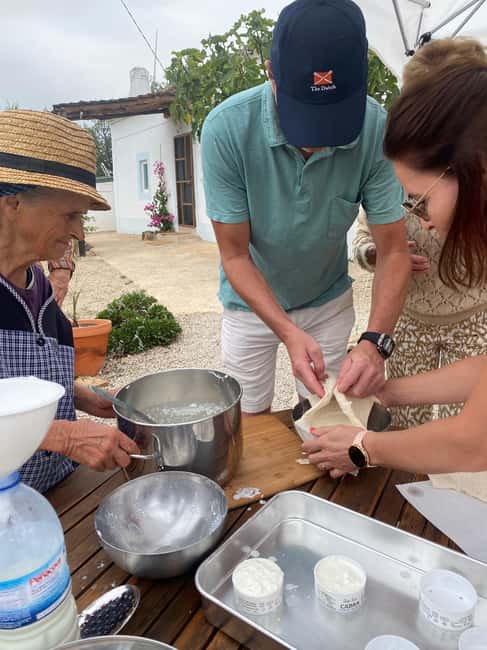
- Hands-on goat cheese making with a local farmer you learn the traditional approach used in the Serra do Caldeirão area
- Tasting that includes more than cheese olives, olive oil, bread, and wine
- Serra do Caldeirão setting in the Algarvian countryside where you can feel how farming fits the land
- Instructor support in English, Portuguese, and Spanish so you can follow along comfortably
- Wheelchair accessible experience with a 2-hour time commitment that works for many schedules
- Practical farm comfort tips like wearing comfy shoes and bringing sunscreen and water
Getting There: Finding Quinta Rosa De Victoria Without Stress
This workshop starts at Quinta Rosa De Victoria, and it is easy to miss if you are expecting a standard street address. You drive in through open black gates, then down a dirt road, and park by the small white house on site.
If you like having backup, use the coordinates: 37.27318572998047, -7.868228435516357. Once you are there, the rest feels low-key and farm-like. You are not being herded through a big venue, and that matters. Smaller settings make it easier to ask questions about goat care, cheese-making traditions, and daily life in this part of the Algarve.
Since you will be outside and moving a bit, treat it like a countryside stop. Bring a hat and sunscreen, even if the day looks mild at first. If you forget, you will still be able to enjoy it, but you will feel it during the walking and the waiting between the demo and tasting.
The 2-Hour Flow: How the Goat Cheese Workshop Works
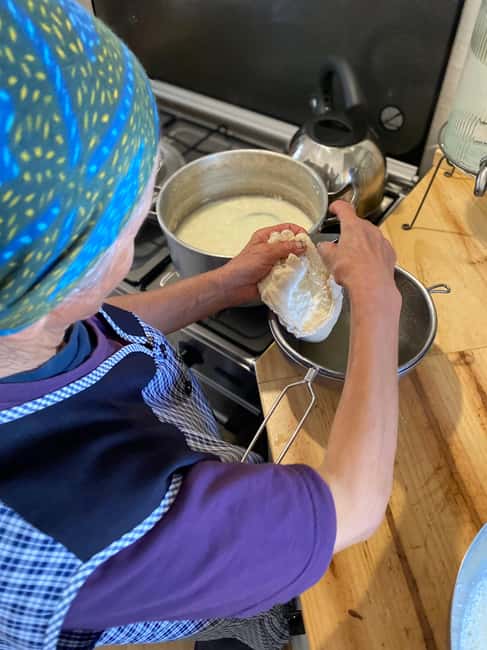
The total time is about 2 hours, so you get enough time to learn and taste without blowing half a day. The workshop is centered on a demonstration where you learn how the farmer crafts fresh goat cheese using traditional methods.
Here is the rhythm you should expect:
1) Arrival and welcome on the farm
You will start at the farm site, settle in, and get oriented. Expect a friendly explanation of what you are about to see and what makes goat cheese-making specific here.
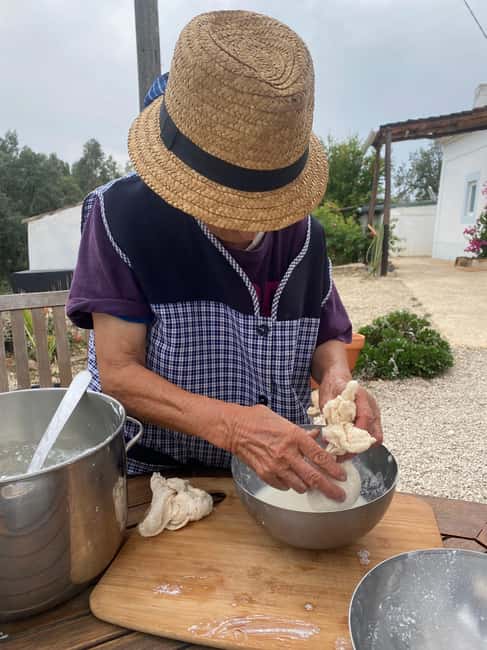
2) Goat cheese making demonstration with hands-on moments
You will follow along as the farmer shows the traditional process. The key value is not speed or shortcuts. It is the slow, practical way local farmers approach food: work carefully, use what the land and animals provide, and keep the process consistent.
Because details of each step are not described here, the smartest mindset is to focus on the main takeaway: you are watching and learning a real workflow for turning goat milk into a fresh cheese you can taste right after. That connection between making and eating is the whole point.
3) Time to absorb the place and the people
Between demo moments, you also get context about Serra do Caldeirão and its residents. You are not just tasting; you are learning what this region is like and how local culture connects to farm practices.
4) Sit down for tasting right after
Once the cheese-making part is done, you transition smoothly into eating and pairing: cheese, olives, olive oil, bread, and wine.
If you enjoy food you can learn from, this format hits the sweet spot. It is hands-on enough to feel real, but not so technical that you need a background in dairy science.
Tasting Session: Olives, Olive Oil, Bread, and Wine Done Right
The tasting is a big part of why this workshop feels special. You are not paying for a sample tray that disappears in five minutes. You get a full pairing-style setup that highlights Algarvian flavors.
What is included:
- Local goat cheese
- Olives
- High-quality olive oil
- Bread
- A glass of wine
This matters because goat cheese tastes best when you understand it as part of a meal, not a stand-alone bite. The olives and olive oil bring salty and grassy notes that help balance the tang typical of fresh goat cheese. Bread is there for texture and for scooping. Then the wine adds a familiar adult-food pairing that makes the whole experience feel like an actual countryside meal.
Practical tip: pace yourself. Fresh goat cheese can hit more strongly than aged cheese, especially if you taste a lot right away. Start with small bites, then let the next item change the flavor. That is where the pairing becomes fun instead of overwhelming.
Also, bring a camera if you can. The setting around the farm is part of the experience, and you will likely want a few shots while you are waiting between the demo and tasting.
Serra do Caldeirão: The Cultural Context You’ll Notice
Serra do Caldeirão is not a theme park concept. It is a real farming landscape, and this workshop helps you see how heritage shows up in everyday practices.
You will learn about the region and its residents as part of the experience, not through lectures. The idea is simple: traditional cheese-making is one of those work traditions where knowledge passes between generations. You see that through the way the farmer teaches and through the care taken in the process.
In a lot of food tours, you only learn the end result. Here, you connect it to the place. That connection is why the workshop is often described as special: it feels like you are getting a slice of life rather than collecting facts for later.
One more thing I appreciate: you are in the countryside, so the experience naturally slows down. You are not sprinting from stop to stop. The conversation and the tasting give you time to actually pay attention.
What to Bring, Rules That Matter, and Who This Fits
To enjoy it comfortably, bring:
- Comfortable walking shoes
- Hat
- Sunscreen
- Water
- Camera
Not allowed:
- Pets
- Smoking
That is all pretty standard for a working farm, but it is worth flagging because it affects what you can pack and who should come along with you.
Wheelchair accessibility is listed, which is great news if you need step-free or easier movement. Still, because this is on a farm with outdoor areas and a dirt-road approach, you should treat your visit like a countryside day: expect some uneven ground and plan accordingly.
Who this is best for:
- You like hands-on food learning
- You enjoy olive oil, olives, and local wine
- You want an Algarve activity that feels grounded in farming
Who should skip it:
- People with lactose intolerance
- People with food allergies
Since the tasting includes goat cheese and other foods, it is not a do-your-own-substitution situation based on the information provided.
Small funny reality check: you will leave with that farm-food smell in your clothes. It is not bad, but it is real.
Value and Time: Why This 2-Hour Workshop Is a Smart Slot
This is a short experience at about 2 hours, which makes it easier to fit into a travel day than half-day tours. You get a full loop: learning, then tasting, then time to enjoy the surroundings without rushing.
Value-wise, what you are buying is:
- A hands-on demonstration led by a farm instructor
- A tasting that includes goat cheese, olives, olive oil, bread, and wine
- Region context tied to Serra do Caldeirão and its people
- Instruction available in English, Portuguese, and Spanish
Even without a stated price here, the structure is clear: you are not just walking through; you are learning something practical and then eating the result. That combination is usually what turns a “nice activity” into a memory.
Also, the ratings are strong: the workshop holds a 5/5 score across 3 verified reviews. The themes in those top marks are consistent—people felt it was fun, special, and memorable. That lines up with the format: it is approachable, farm-based, and not overly complicated.
Should You Book This Goat Cheese Making Workshop?
If you want one Algarve experience that feels local and hands-on, I think this is an excellent choice. It is especially good when you care about food you can understand, not just food you can photograph.
Book it if:
- You love goat cheese and want to see how it is made in a traditional way
- You will enjoy olives, olive oil, bread, and wine with your tasting
- You want a 2-hour countryside activity rather than a long tour day
Skip it if:
- Dairy is a problem for you, since lactose intolerance and allergies are specifically noted as not suitable
- You want a purely indoor, high-comfort experience, since you are outside part of the time
FAQ
How long is the goat cheese making workshop with tasting?
It lasts about 2 hours.
Where is the meeting point?
You drive into the open black gates, down the dirt road, and park by the small white house. The coordinates are 37.27318572998047, -7.868228435516357.
What is included in the tasting?
The tasting includes local goat cheese, olives, high-quality olive oil, freshly baked bread, and a glass of wine.
What languages will the instructor speak?
The instructor teaches in English, Portuguese, and Spanish.
Is this experience wheelchair accessible?
Yes, it is listed as wheelchair accessible.
What should I bring?
Wear comfortable shoes and bring a hat, sunscreen, water, and a camera if you want photos.
Is it suitable for lactose intolerance or food allergies?
No. It is not suitable for people with food allergies or lactose intolerance.
What are the key house rules?
Pets are not allowed, and smoking is not allowed.