REVIEW · MATERA
Matera: Mozzarella and Cheese tasting with a Cheesemaker
Book on GetYourGuide →Operated by Latteria da Nicola · Bookable on GetYourGuide
Matera’s cheese lesson feels more like family than class. I love the hands-on mozzarella stretching and tasting in a real cheesemaker’s home, not a staged demo. You’ll also get a serious lineup of cheeses, from fresh and creamy to semi-mature and matured, with plenty to compare side by side. One thing to consider: this experience is not suitable if you’re lactose intolerant, and it’s very food-heavy, so plan accordingly.
What makes it especially interesting is the way the cheesemaker walks you through the work from milk to finished cheese. You’ll get a farmer-style breakfast, then help with parts of the process, and finish with a take-home cheese packed for travel. The only drawback I’d flag is timing and logistics: transport isn’t included, and the meeting point is specific (a brown door by a cheese shop), so you’ll want to arrive on time and ready to move.
In This Review
- Key Things I’d Put on Your Must-Do List
- A Cheesemaker’s Home Setup in Matera (Small Group, Clear Focus)
- The Farmer Breakfast: Don’t Eat Before You Come
- The Family Story Behind the Milk (Three Generations of Work)
- Mozzarella and Burrata: Stretching That Changes Everything
- Tasting Through the Cheese Spectrum (Fresh, Semi-Fresh, Semi-Matured, Matured)
- What You’re Cooking and What You’re Learning Along the Way
- Take-Home Cheese: Vacuum Packaging and a Real Shelf-Life
- Price and Value: Is $77 for 2 Hours Fair?
- Logistics That Matter: Transportation, Timing, and What to Wear
- Who This Is Best For (And Who Should Skip)
- Should You Book Mozzarella and Cheese Tasting with a Cheesemaker?
- FAQ
- How long is the cheese tasting and mozzarella experience?
- Where do I meet, and is transportation included?
- What cheeses will I taste during the tour?
- Will I be able to make mozzarella myself?
- Can I take cheese home, and how is it packaged?
- Is this suitable for lactose intolerance or bringing pets?
Key Things I’d Put on Your Must-Do List
- Hands-on mozzarella stretching, including a practical session instead of only watching
- Farmer breakfast before the tasting, with fresh dairy and homemade treats
- A structured tasting lineup: fresh, semi-fresh, semi-matured, and matured cheeses
- More than one dairy skill: milk processing phases plus mozzarella stretching
- Take-home cheese in vacuum packaging, transportable for 20 days
- Small group (up to 10), so questions and attention don’t disappear
A Cheesemaker’s Home Setup in Matera (Small Group, Clear Focus)
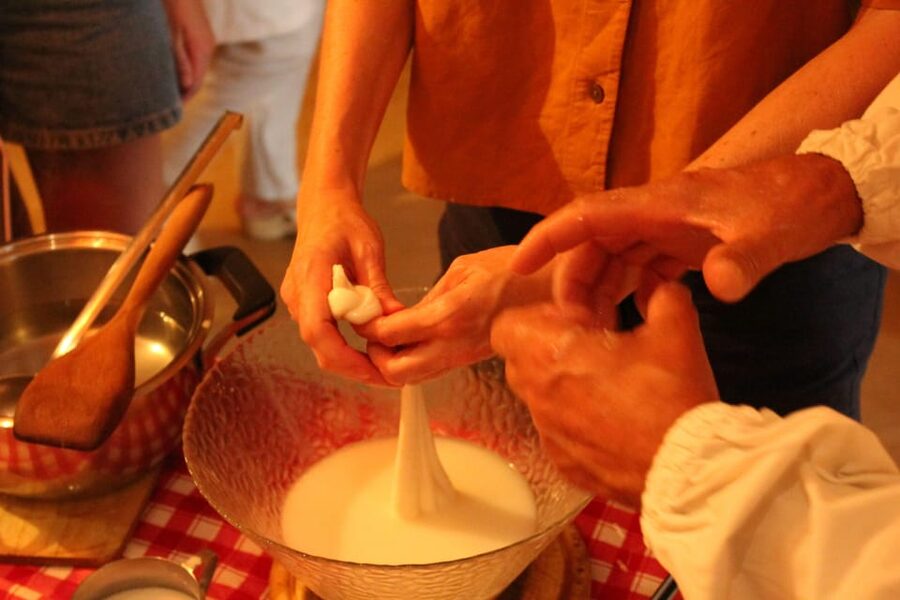
This is the kind of tour that works because it stays simple. You’re in Matera, Basilicata, and you’re not dealing with a big group funnel or a rushed schedule. The group is capped at 10, and the instructor speaks Italian and English, which helps if you want to ask practical questions about what you’re tasting and doing.
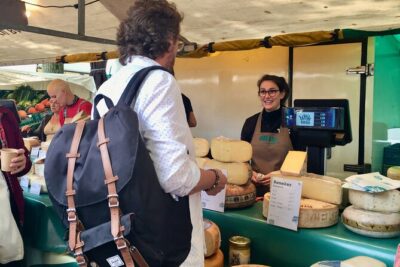
You’ll meet at the brown door beside the cheese shop. That sounds minor, but it matters. If you arrive late or slightly lost, you’ll throw off the flow—this is a 2-hour experience with multiple steps: breakfast first, then making, then tasting, then a take-home package.
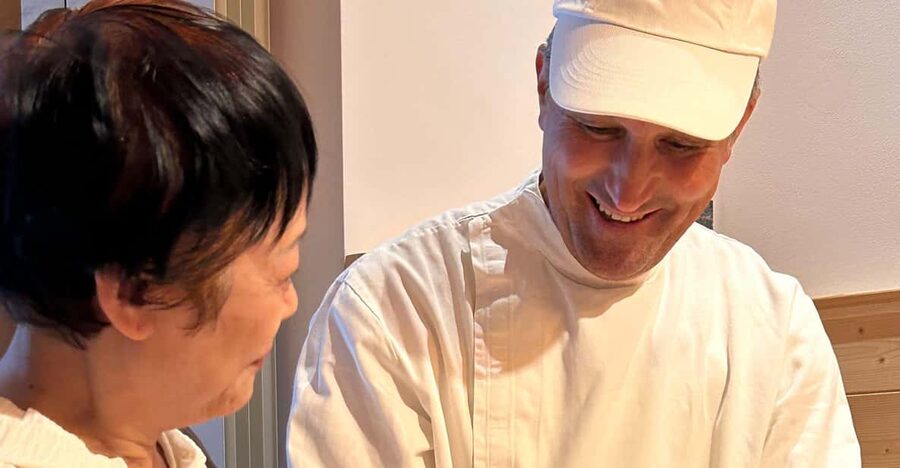
In terms of vibe, the standout theme from the experience is warmth. You’re not just a customer. It feels like you’re being welcomed to a working routine, with lots of conversation about how the work is done and why it matters.
The Farmer Breakfast: Don’t Eat Before You Come
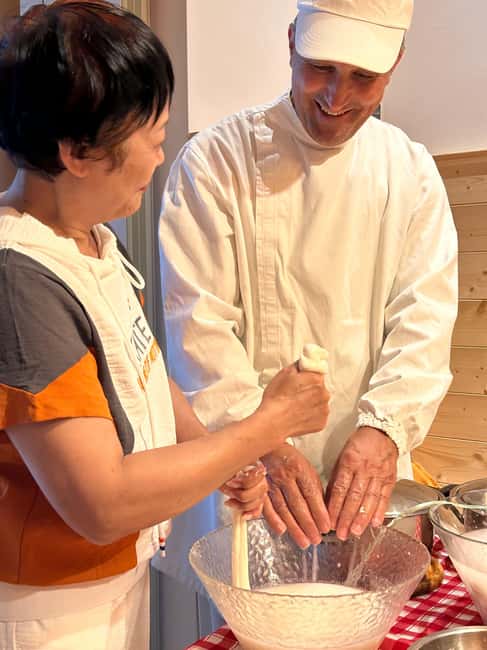
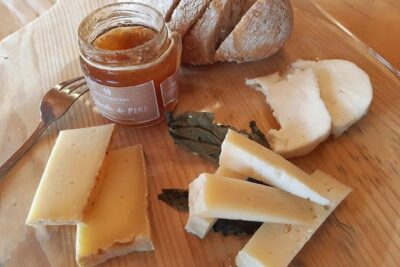
Plan your day around this breakfast. The tour starts with a typical farmer’s breakfast built around organic dairy from their creamery. Expect fresh yogurt, fresh milk, and fresh butter, plus homemade treats, local bread, and items like honey and jam.
This is not a token sip of something bland. It’s a real meal meant to set you up for the cheese work that comes next. If you show up having already eaten a full breakfast, you’ll either feel overly full or you’ll miss some of the tasting nuance later. In other words: go in ready to taste, not stuffed.
One practical reason the breakfast is so valuable: you start with the basics—milk and butter flavors—so when you later compare fresh mozzarella or burrata against semi-mature and matured cheeses, your palate has a baseline. That makes the differences easier to notice and more fun to talk about.
The Family Story Behind the Milk (Three Generations of Work)
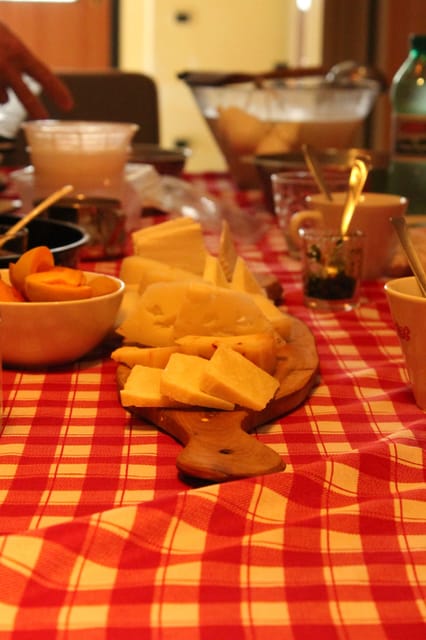
A big part of the value here is context. You’ll get an introduction to the history of the family business and the tradition of handmade cheese passed from father to son across three generations.
Why this matters: cheesemaking isn’t only technical. It’s also local know-how, repetition, and decisions made by feel as much as by formula. When you hear how a family learned the process over time, the tour stops being just food and becomes a story of craft. You start understanding why certain steps happen when they do, and why they protect flavor and texture.
You’ll also hear about the processing phases—from milk through to a huge variety of outcomes. The tour specifically mentions more than 100 types of cheese, which gives you a sense of scale. Even if you only taste a handful during your session, you’ll understand the breadth of what can be created from the same starting ingredient.
Mozzarella and Burrata: Stretching That Changes Everything
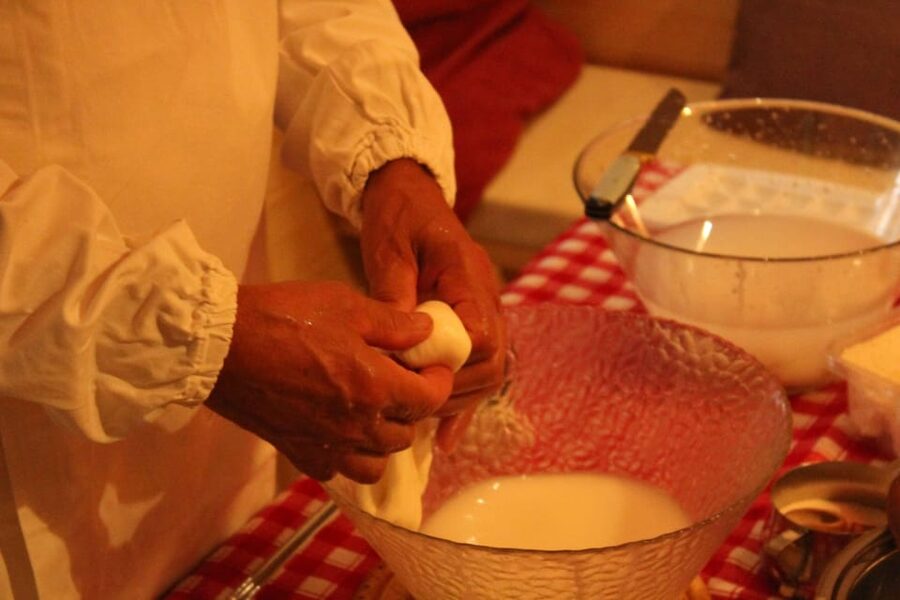
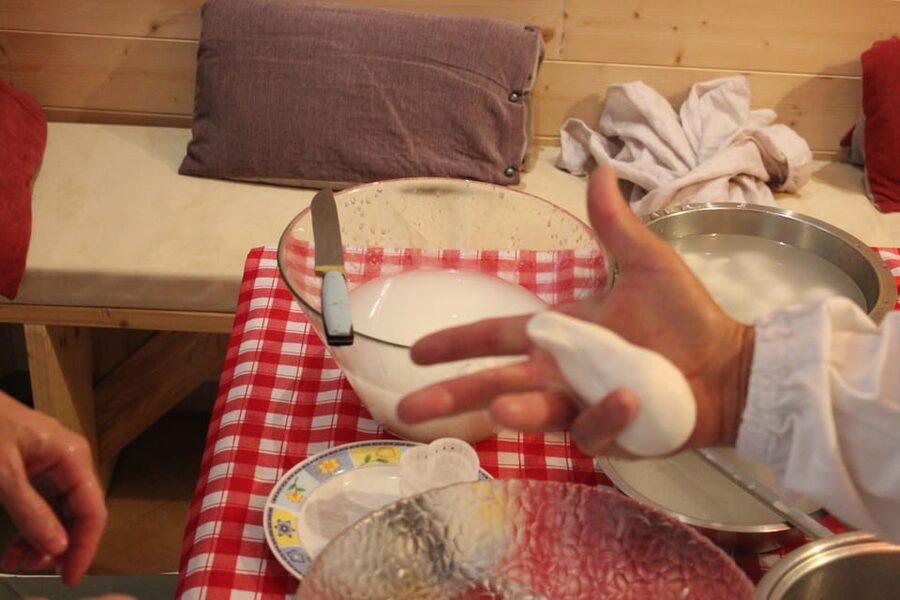
Here’s the section that most people talk about, and for good reason. You get a mozarella stretching demonstration followed by a hands-on session. This is where you can feel the difference between mozzarella as a menu item and mozzarella as a living process.
The stretching matters because it affects the texture you’ll later taste. Fresh mozzarella isn’t just salty milk curd. It’s a particular kind of plastic, stretchy curd handled in a time-sensitive way. Getting your hands involved makes you pay attention to the right cues: heat, consistency, and how the curd behaves when it’s ready.
Then you taste. The tour includes fresh mozzarella and burrata, with burrata being the smooth, luxurious cousin that many people fall for instantly. Burrata’s soft interior and creamy richness are the kind of flavors you don’t forget because they hit both aroma and mouthfeel.
A quick practical note: since you’re working with food textures, bring a clear mindset. You’re not trying to master restaurant-level perfection in 20 minutes. The goal is to understand the method and experience the contrast between fresh mozzarella, burrata, and the cheeses that come later.
Tasting Through the Cheese Spectrum (Fresh, Semi-Fresh, Semi-Matured, Matured)
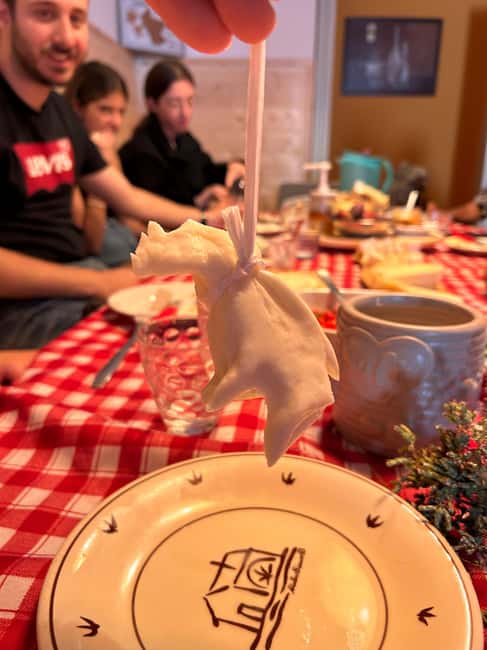
After breakfast and the mozzarella part, the tour shifts into comparison mode. You’ll sample 2 fresh cheeses, 2 semi-fresh cheeses, 2 semi-matured cheeses, and 2 matured cheeses.
That lineup is more than a list. It’s a guided way to understand maturation and aging. As cheeses move from fresh to matured, you’ll usually notice changes in:
- Texture (from soft and creamy to firmer)
- Aroma strength (from milky to more pronounced)
- Flavor complexity (from gentle to deeper notes)
The value for you is that you’ll taste in a structured progression, not random cheese samples. That makes it easier to decide what you like, and why you like it. If you’re the type who thinks you only like one style of cheese, this lineup often helps you expand your favorites.
Also, the group stays small, so you can ask questions about what you’re sensing. The cheesemaker can point out differences in milk use, handling, and how aging affects each batch. If you’re the sort who likes learning by asking, this portion can be the most satisfying part of the entire two hours.
What You’re Cooking and What You’re Learning Along the Way
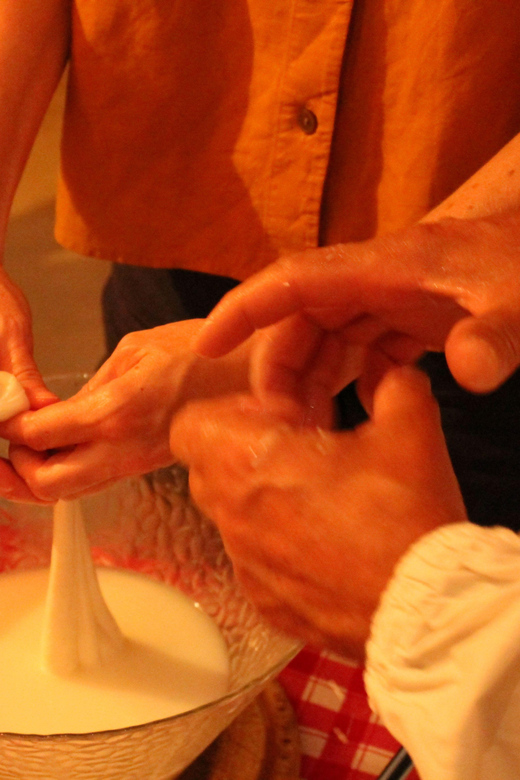
This isn’t just stretching mozzarella. The tour includes a cooking class style experience where you help with milk processing and cooking, then you get the hand mozzarella portion, and you move through the broader handmade cheese production phases between tastings.
That pacing—process steps mixed with tastings—is one of the smartest parts of the experience. Instead of learning theory and then waiting hours for tasting, you connect steps to results immediately. You’ll see how work done earlier shows up later in texture and flavor.
You should also expect a learning tone that’s practical, not academic. You’re getting taught what matters in real production: how curd forms, what timing means, and how steps affect the final cheese you’ll eat.
Take-Home Cheese: Vacuum Packaging and a Real Shelf-Life
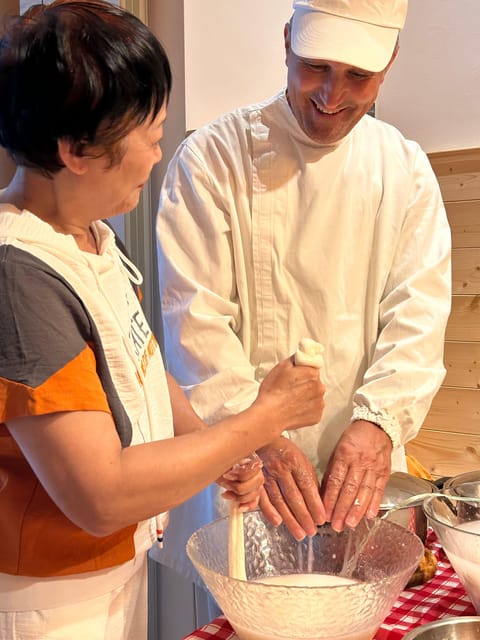
One of the easiest wins for value is what you leave with. At the end, you get Provolone cheese or Scamorza cheese (or another type of cheese) in vacuum packaging.
And the travel practicality is specific: it can be transported for 20 days without any problem. That’s the kind of detail you want if you’re thinking about bringing something back to family or friends—or even just enjoying it later at home when the memories of the tour are still fresh.
Why this is a big deal: tasting is fun, but bring-home cheese lets you extend the experience. Later, you’ll taste the difference again and remember what you were taught about the process.
Price and Value: Is $77 for 2 Hours Fair?
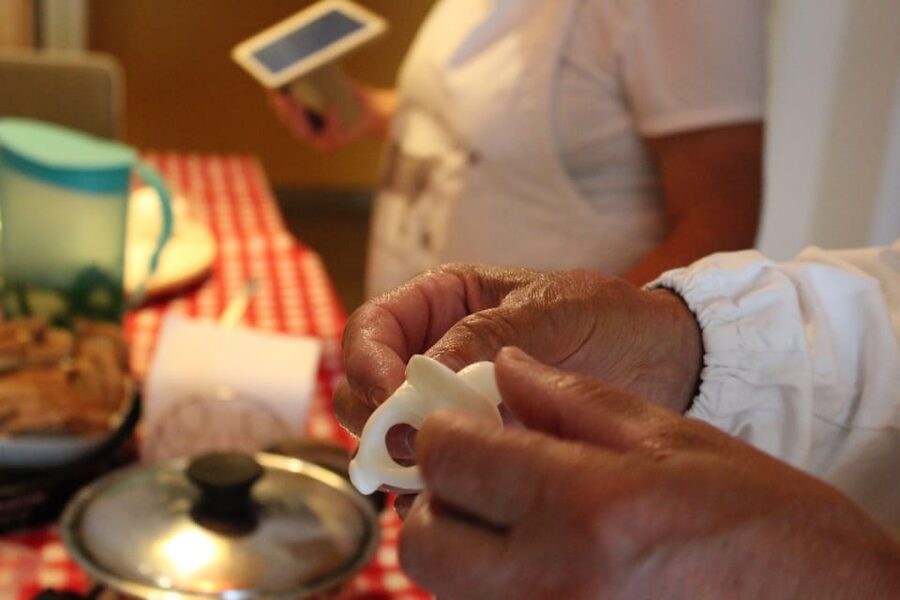
At $77 per person for about 2 hours, the price feels reasonable because you’re not paying only for tasting. You’re paying for:
- A full farmer breakfast with fresh dairy and homemade items
- A hands-on mozzarella session plus a stretching demonstration
- A structured set of multiple tastings (fresh through matured)
- The instruction and production walkthrough
- A vacuum-packed take-home cheese with a long transport window
If you usually think cheese tastings are expensive, here’s the value logic: this experience combines education, labor, food, and takeaway. You also keep the group small, so you’re not getting a crowd-style presentation where your tasting time shrinks.
So who will feel the best value? People who want more than “taste and leave.” If you enjoy hands-on cooking, food craftsmanship, and learning by doing, this tends to feel like a bargain rather than a splurge.
Logistics That Matter: Transportation, Timing, and What to Wear
Transportation isn’t included. That means you’ll likely need to handle getting yourself to the brown door beside the cheese shop. If you’re relying on public transport or rides, build in extra buffer time so you don’t arrive stressed.
Duration is listed at 2 hours, and the session is sequential: breakfast first, then process work, then tastings, then takeaway. You’ll enjoy it most if you don’t treat it like an appointment you can barely make.
What about what to wear? The tour involves food work, so think practical. You might not get covered in cheese, but you’ll be handling textures and moving through a working space.
Most important: don’t arrive with a full stomach. This isn’t a cookie-cutter “two bites and a sip” situation. It’s a meal plus tasting plus making.
Who This Is Best For (And Who Should Skip)
This experience is a strong match for:
- Food lovers who like to learn by working with the ingredients
- People curious about how mozzarella texture is created
- Travelers who want a small group experience in a real home/work setting
- Anyone planning to bring cheese home and appreciates the vacuum package detail
It’s not a good match if:
- You have lactose intolerance (it’s centered on fresh dairy and cheeses)
- You’re traveling with pets (pets aren’t allowed)
If you’re unsure about dairy tolerance, don’t gamble. Ask questions before booking if you need reassurance, because the tour is built around dairy products.
Should You Book Mozzarella and Cheese Tasting with a Cheesemaker?
I’d say book it if you want an experience that feels like craft, not performance. The hands-on mozzarella stretching, the farmer breakfast, and the structured fresh-to-mature tasting lineup make this worth your time. The take-home vacuum-packed cheese with a 20-day transport window is a real bonus.
Skip it if you’re lactose intolerant or you want something light and casual. This is food-focused, and you’ll taste a lot over a short period.
If you’re debating this versus a generic tasting, choose the one where you can get your hands involved and leave with cheese that still tastes like a memory. This one leans exactly in that direction.
FAQ
How long is the cheese tasting and mozzarella experience?
It runs for about 2 hours.
Where do I meet, and is transportation included?
You meet at the brown door beside the cheese shop. Transportation is not included.
What cheeses will I taste during the tour?
You’ll taste freshly prepared mozzarella and burrata, plus 2 fresh cheeses, 2 semi-fresh cheeses, 2 semi-matured cheeses, and 2 matured cheeses.
Will I be able to make mozzarella myself?
Yes. You’ll get a mozzarella stretching demonstration and then a hands-on session.
Can I take cheese home, and how is it packaged?
Yes. You’ll take home Provolone cheese or Scamorza cheese (or another type of cheese) in a vacuum package, transportable for 20 days.
Is this suitable for lactose intolerance or bringing pets?
No. It is not suitable for people with lactose intolerance, and pets are not allowed.