REVIEW · CEGLIE MESSAPICA
Puglia: Masseria Seppunisi Tour, Cheese, Burrata Tasting
Book on GetYourGuide →Operated by Masseria Seppunisi · Bookable on GetYourGuide
Burrata tastes better when your hands make it. At Masseria Seppunisi, I love the hands-on burrata and mozzarella making, plus the close-up farm stops that explain where the milk turns into cheese. Just know it’s a working dairy, so loud equipment can make parts of the guide harder to hear.
You’ll be in the Murge plateau area of Apulia, between the Itria Valley and the edges of Salento, in a farm that dates back to the 1500s and has been run by the same family for generations. The focus stays practical: daily milking, km0 ingredients, and cheese production that happens on-site (including cheese aging rooms you can see).
The tour runs about 2 hours, starting with a farm story, then moving through the cowshed and dairy, and ending with an aperitif-style tasting of multiple cheeses plus local bites and wine.
In This Review
- Key highlights you’ll feel right away
- Entering the Masseria: where the Murge milk story starts
- Cowshed to dairy: seeing daily work up close
- The cheese rooms: fresh vs. aged flavors in the same tour
- Make mozzarella and burrata by hand: the main event
- The aperitif tasting: how your plate becomes a guided lesson
- Price and value: what $53 buys you in real life
- Practical tips for a working dairy tour in Puglia
- Where this tour fits best (and who will love it)
- Should you book Masseria Seppunisi for cheese, burrata, and an aperitivo?
Key highlights you’ll feel right away
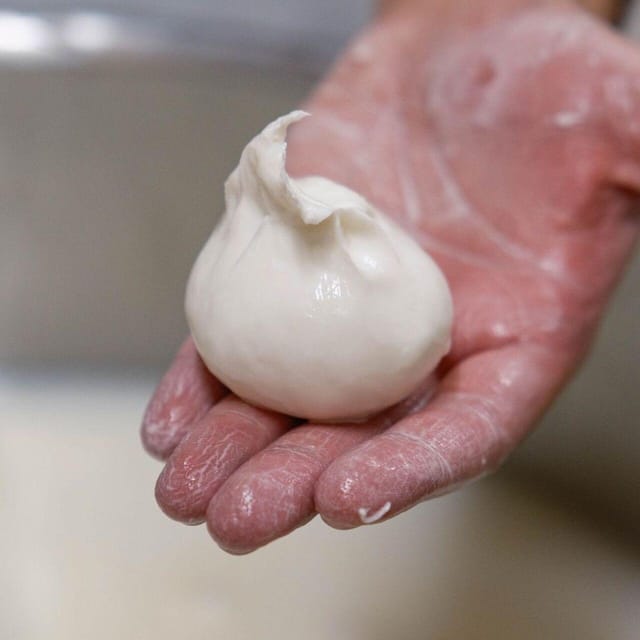
- Hands-on mozzarella and burrata: You shape and make it with your own hands, not just watch.
- Meet the cows early: It’s not staged in a shop. You see the livestock side first.
- Cheese aging rooms: You get the full production picture, from milk to matured flavors.
- A generous tasting plate: Five cheese types plus cold cuts, taralli, focaccia, dessert, and local wine.
- Small group energy: Limited to 10 people, so the guide can actually talk to you.
Entering the Masseria: where the Murge milk story starts
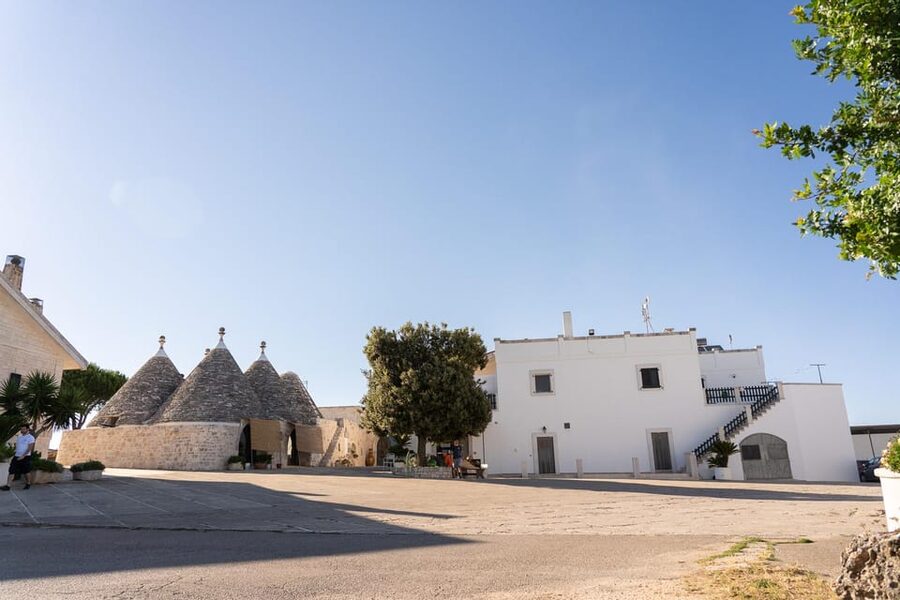
Masseria Seppunisi sits on the Murge plateau, a high, open area in Apulia that sits between the Itria Valley and the gates of Salento. That setting matters, because this is the kind of countryside where farming isn’t a theme. It’s the business.
Before you touch any cheese, you start with a historical overview of the farm and how it developed over time. The big point here is continuity: the operation has been run for four generations, and the daily rhythm of the farm drives the dairy quality. You’re not only getting a foodie activity. You’re getting context for why Apulian cheese tastes the way it does.
I also like the way the tour frames everything from milk onward. They emphasize that the cows’ milk is the foundation, and the km0 approach (local production) supports fresher flavors and a more direct connection between what you see and what you eat. If you’re the type who hates vague tasting experiences, this is more concrete.
Cowshed to dairy: seeing daily work up close
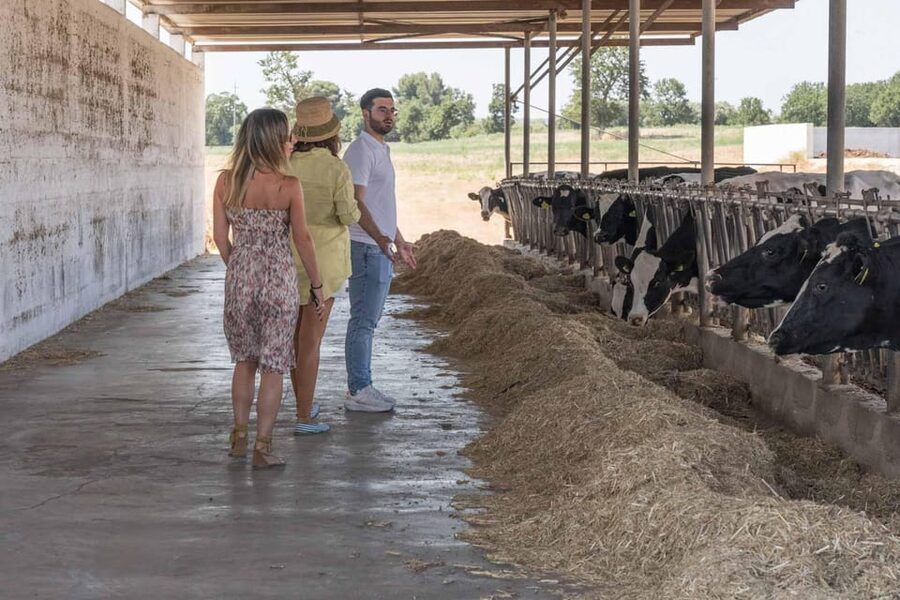
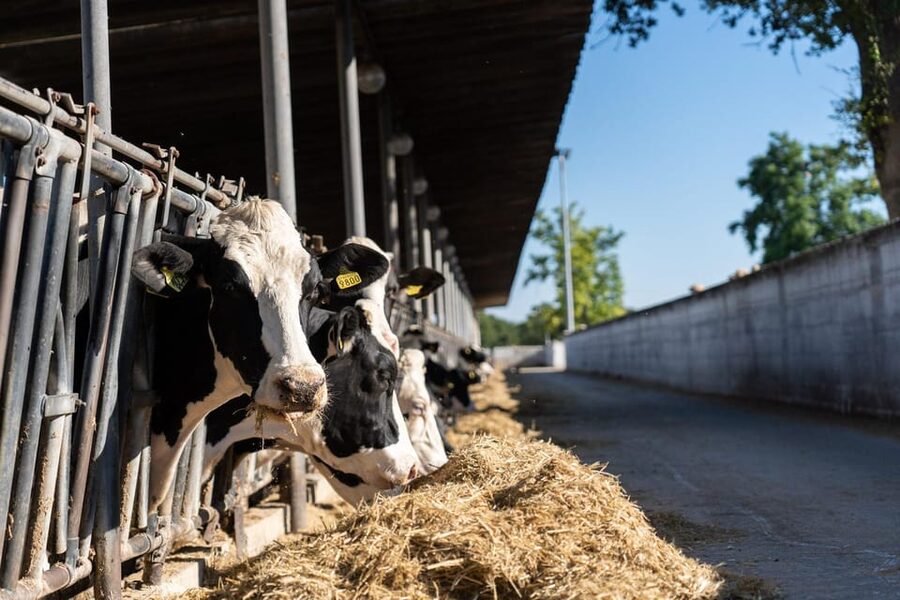
After the opening talk, you head to the cowshed and then cross into the dairy area. This is where the farm feels real. You’re walking through spaces that have an actual job to do, not a museum-style path.
The cows are the stars. They’re milked daily, and you get a chance to stroke and interact with calves, which makes the experience feel warm instead of clinical. One of the best parts is that the farm interaction comes before the “class.” It changes your mindset: you’re watching a process that starts with animals you met only moments earlier.
From there, the flow moves into the production zone. You’ll see how milk is handled and how cheese-making work is organized. The tour is built to keep you moving through the stages rather than lingering in just one room.
One practical caution: because this is still a working farm, the noise can rise around machinery. On one run, the audio was tough if you weren’t close to the guide. So pick a spot where you can hear well, especially during explanations.
The cheese rooms: fresh vs. aged flavors in the same tour
Next comes the cheese aging rooms. This stop is small, but it’s important. Fresh mozzarella and burrata are creamy and delicate; aged cheeses bring depth and sharper character. Seeing the aging rooms during the tour helps you understand that both styles come from the same farm mindset—time and technique are part of the product, not an afterthought.
Even if you don’t know the technical terms, you can usually feel the difference right away in how the guide describes storage and maturation. It also makes your final tasting plate more meaningful, because you’re not just tasting random items. You’re tasting stages of the same story.
If you’re a cheese fan who likes to connect the dots, this part is where the tour becomes more than a fun meal.
Make mozzarella and burrata by hand: the main event
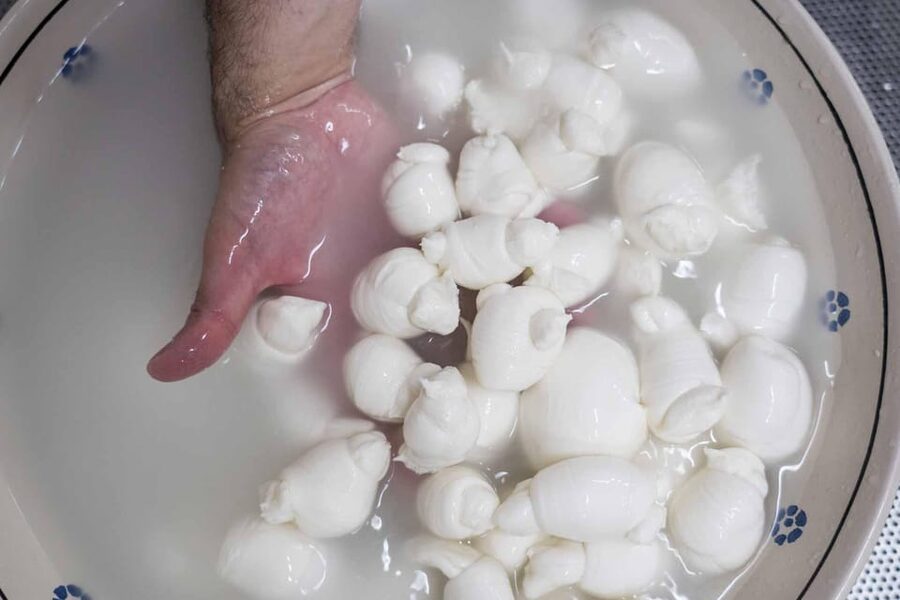
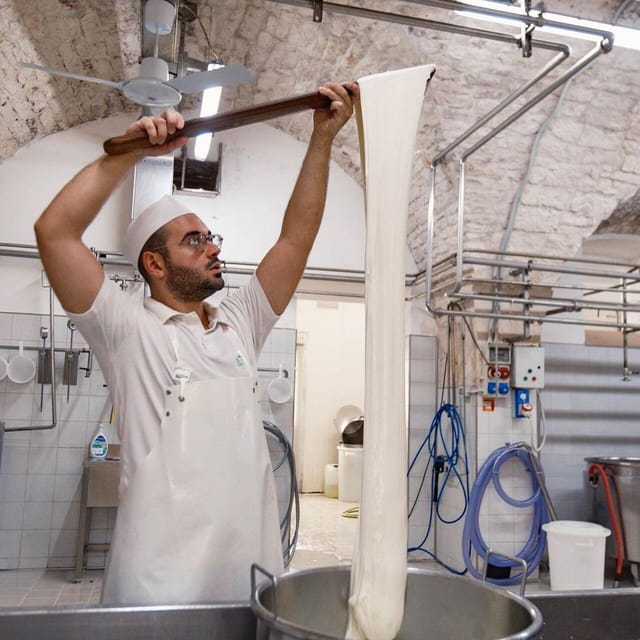
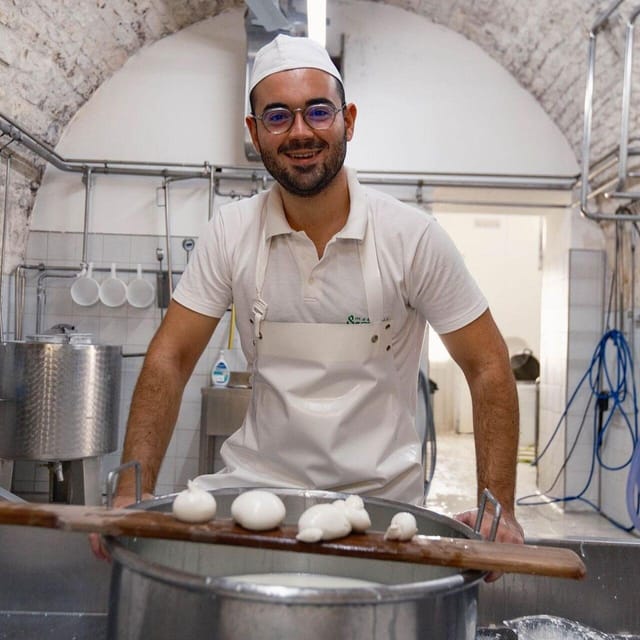
Here’s what makes this tour worth your time: you make mozzarella and burrata yourself, with help from an expert. You’re not only learning how it’s done. You’re doing it.
This hands-on section typically includes a demonstration, then you get your turn. The tour’s design matters here: you first learn where the milk comes from, then you see production, and only then do you shape the cheese. That sequence helps everything click.
Burrata can be especially fun because it’s about texture and shape as much as flavor. And when you handle it, you start noticing details you’d miss as a spectator. You also get a real sense of effort—this isn’t a “press button, eat cheese” experience.
If you’re traveling with kids or teenagers, this is usually the section that keeps attention. Multiple families enjoyed the chance to participate instead of sitting through a long talk. And if you’re traveling as a couple, it’s one of those activities where you end up laughing together as you compare how your burrata turned out.
The aperitif tasting: how your plate becomes a guided lesson
After you’ve made cheese, you finish with a tasting plate and aperitif moment. This is not a tiny sample. You get a full spread designed to match what you saw earlier.
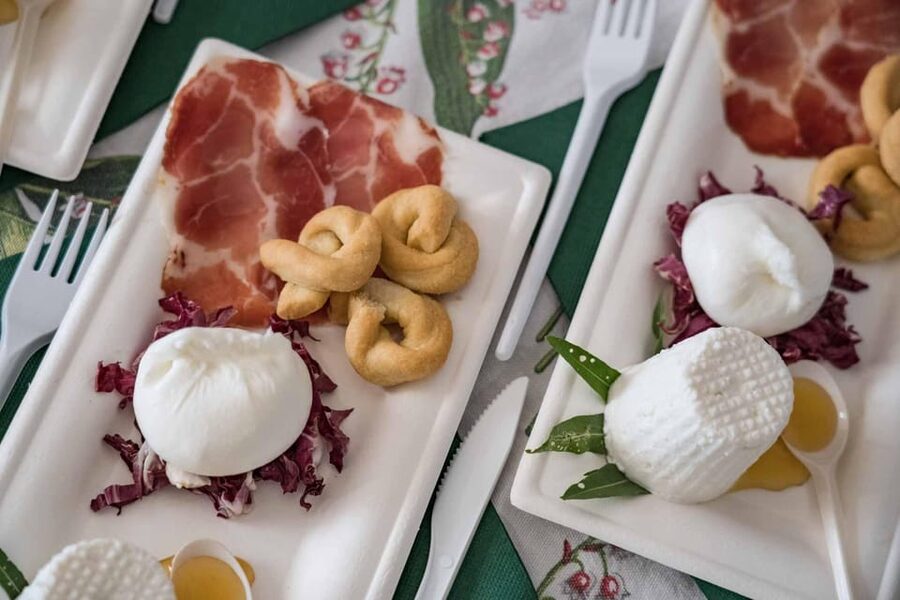
Your included tasting plate includes:
- 5 types of cheeses
- cold cuts
- Apulian taralli
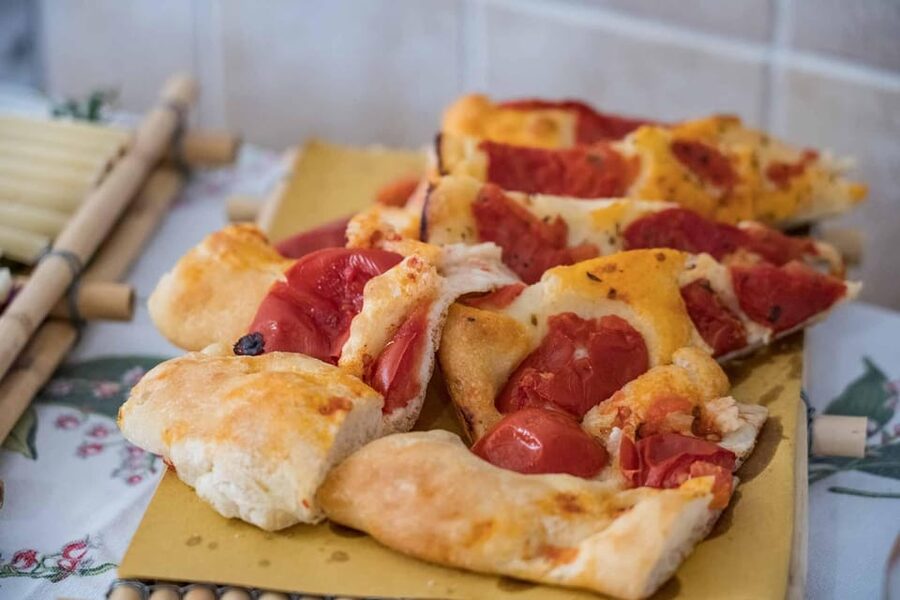
- Apulian focaccia
- a final dessert
- local wine
And there’s water service during the tour, which helps when you’re switching from dairy production rooms (often cool and drafty) to tasting.
I like that the tasting includes both soft and firmer styles. It teaches your palate how to move from creamy, fresh textures to more structured flavors, all tied to the farm’s work. The wine is also part of the education here. Several people noted that rose wine paired nicely with the cheeses, which makes sense: acidity and fruit can cut through richness.
Bonus detail that made me smile from the reviews: after you’re done, farm cats may treat the tasting area like their personal snack bar. They look cute, but they’re quick. If you set down your mozzarella, keep an eye on it for a second.
Price and value: what $53 buys you in real life
At $53 per person for about 2 hours, this is priced in the “serious experience” range, not the cheapest farm activity. The value comes from what’s included, not from hype.
You’re getting:
- a guided tour through cowshed, dairy, and aging rooms
- a guided, hands-on mozzarella/burrata making segment
- water service during the tour
- a generous tasting plate with multiple cheeses, local breads/snacks, cold cuts, dessert, and wine
In other words, you’re not paying just for tasting. You’re paying for access and instruction inside a working production setup, plus a meal-style end that’s built from their own output.
If you’re a solo traveler, it can still be a good deal because the group is limited to 10, so you’re not swallowed by a crowd. If you’re a couple or small group, the cost can feel even better because you’re sharing a guided experience where you both participate.
If you’re mainly hoping for a quick bite and a scenic walk, you might find it more than you need. But if cheese is your thing, it’s a straightforward value.
Practical tips for a working dairy tour in Puglia
A few small choices can make the difference between a smooth experience and a mildly annoying one.
Wear comfortable shoes. The farm involves walking through farm areas and production spaces where traction matters. Sandals and flip flops are a no-go, and that makes sense once you see the grounds.
Decide where you’ll stand for explanations. If machinery noise is going on, you’ll want to be close enough to catch what the guide is saying. One review pointed out that it was hard to hear unless you were near the guide, so plan to stay within easy listening distance during each instruction moment.
Bring patience for the farm pace. This isn’t a polished demo kitchen. There’s real work happening, and the guide keeps moving you through it.
And yes, keep food secure during the tasting. Farm cats are real, quick, and bold. Treat it like having a mischievous neighbor at a picnic, not like a tourist threat.
Where this tour fits best (and who will love it)
This is a great match if you:
- love cheese culture and want the why, not just the taste
- enjoy hands-on food activities
- want a Puglia experience that feels local and practical
- travel with teenagers who can handle a couple hours of farm work and tasting
It also works well for families, since the cows, calves, and making process tend to keep kids interested. The experience has a small-group setup, which often makes it easier to manage questions and participation.
If you’re someone who needs total silence, or you get frustrated in noisy environments, this might require a little adjustment. The working dairy aspect is part of the charm, but it can affect how much you hear.
Should you book Masseria Seppunisi for cheese, burrata, and an aperitivo?
If you’re planning time around Apulia and you want a cheese tour that’s more than a lecture, I think booking is an easy yes. You’ll get a real farm visit, a guided look at cheese production stages, and the payoff of making mozzarella and burrata yourself, then eating a full tasting plate with wine.
I’d only hesitate if you hate noise from active machinery or you’re expecting a leisurely, purely scenic stroll. This is active, close-up, and focused on production.
If cheese-making is even a little on your must-do list, this is the kind of experience that gives you something you can actually remember while you’re eating the next bite back in town.