REVIEW · RETHYMNO
Rethymno 4×4 Safari: Tastes & Farm Experience
Book on GetYourGuide →Operated by Uncharted Escapes · Bookable on GetYourGuide
Rethymno isn’t just beaches—it’s mountains and cheese. I love the semi-private 4×4 style day that mixes rugged roads with small villages, and I love the mitato experience where you watch Cretan cheese being made live. One catch: it’s a full 7 hours with winding roads and off-road sections, so it’s not ideal if you’re sensitive to bumps or carsickness.
You’ll get a guided food-and-countryside route with tastings and proper stops, not a rushed checklist. The day leans on scenic viewpoints (including a standout look at Psiloritis Mountain) plus three hands-on food moments: wine, olive oil, and mountain cheese, followed by a filling Axos tavern lunch.
In This Review
- Key things I’d plan around
- A 7-hour Rethymno 4×4 day that’s built for food people
- From pickup to Panormos: setting the tone at Klados Winery
- Melidoni Olive Oil Mill: how liquid gold earns its reputation
- Halepa Monastery: rebel-era views with a quick step uphill
- Off-road time at the mitato shepherd’s hut
- Scenic drives and a mountain viewpoint stop for your photos
- The cheese factory walk and tastings that keep the story going
- Axos lunch: traditional Cretan platters, not a tourist sandwich
- Price, comfort, and what the small-group format really buys you
- Who this safari fits best (and who should skip it)
- Practical tips for your day in Crete’s mountains
- Should you book the Rethymno 4×4 Safari to Klados, Mitato, and Axos?
- FAQ
- What’s the duration and starting time for the Rethymno safari?
- What’s included in the $128 price?
- Will we visit a winery and an olive oil mill?
- Do you visit the mitato and taste cheese?
- Is wine included for everyone?
- What should I bring, and what’s not allowed during the tour?
Key things I’d plan around
- Small-group safari feel with semi-private touring and vehicles carrying up to 6 or 8 people per car
- Owner-led wine time at Klados Winery in Panormos, plus a tasting of indigenous Cretan varieties
- Melidoni olive oil mill tasting with a look at traditional stone pressing
- Halepa Monastery photo stop high above valleys with dramatic rebel-era stories
- Mitato shepherd’s hut cheese-making plus wildlife-spotting odds (keep an eye out for kri-kri and eagles)
- Axos tavern lunch built around traditional Cretan platters (bottled drinks aren’t included)
A 7-hour Rethymno 4×4 day that’s built for food people
This tour is priced at $128 per person for a reason: you’re not just paying for transport. You’re also getting lunch with traditional platters plus entrance fees and tastings at the winery, olive oil mill, and farm stops.
The ride format matters too. You may travel in a 4×4 off-road vehicle or a 4×4 minivan depending on group size, but either way you’re aiming for roads that normal buses skip. That’s why the day feels more like a local outing than a sit-and-watch tour.
Also, do note that this is an active day. Even when you’re mostly seated, the route includes off-road adventures, short walks, and camera-time stops.
From pickup to Panormos: setting the tone at Klados Winery
Morning starts with hotel pickup at different times depending on where you’re staying. Typical pickup windows run from about 8:30 to 9:45, so plan to be ready early at the reception area and keep an eye on the clock.
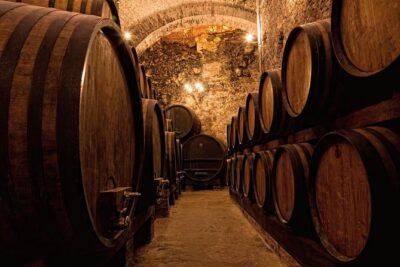
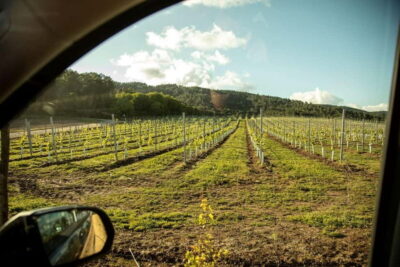
Your first real stop is Klados Winery in Panormos, described as award-winning, where the owner personally guides you through the vines and cellars. That’s a big deal for me because you’re not getting generic facts—you’re getting the kind of perspective only someone who actually runs the place can explain.
After the tour, you get a wine tasting focused on indigenous Cretan varieties. If you’re the sort of person who likes asking why a wine tastes a certain way, this part is where you’ll feel the most connection to the island. Timing is tight but comfortable: you’ll spend about 50 minutes here, then you’re back on the road.
A practical consideration: if you don’t drink wine, you might still enjoy the cellar and tasting explanation. But the tour is structured around tastings, so it’s worth knowing you may be surrounded by people sampling wine.
Melidoni Olive Oil Mill: how liquid gold earns its reputation
Next comes Melidoni olive oil mill, and this is where the day flips from grape to olive. You’ll get a guided tour about how olive oil goes from tree to bottle, with traditional stone presses alongside modern methods.
The tasting is the payoff. You sample fresh extra-virgin olive oil, and yes, it tends to be peppery when it’s young and freshly pressed. That bite is not a flaw—it’s part of what makes Cretan olive oil taste alive.
You’ll spend about 30 minutes at the mill. It’s long enough to learn the process and taste with context, but short enough that you’re not losing the day to a single stop.
If you’re picky about strong flavors, this is one you should taste slowly. Olive oil is best when you take it seriously, not when you rush to the end.
Halepa Monastery: rebel-era views with a quick step uphill
After the tastings, the tour climbs toward Halepa Monastery, perched in the mountains above towns and valleys. You’ll get a photo stop plus a visit and sightseeing for about 20 minutes, so it’s more “stop and absorb” than “spend hours exploring.”
What makes Halepa stand out is the combination of views and story. You’ll learn its dramatic past as a hideout for Cretan rebels, which gives the place more weight than just a pretty overlook. And the views themselves are the kind that help you understand how Crete’s geography shapes everything—farming, villages, and even how people move across the island.
One more practical note: the monastery is high and exposed. Bring a jacket even if the day starts warm, and wear shoes with grip, because you’ll want sure footing around scenic areas.
Off-road time at the mitato shepherd’s hut
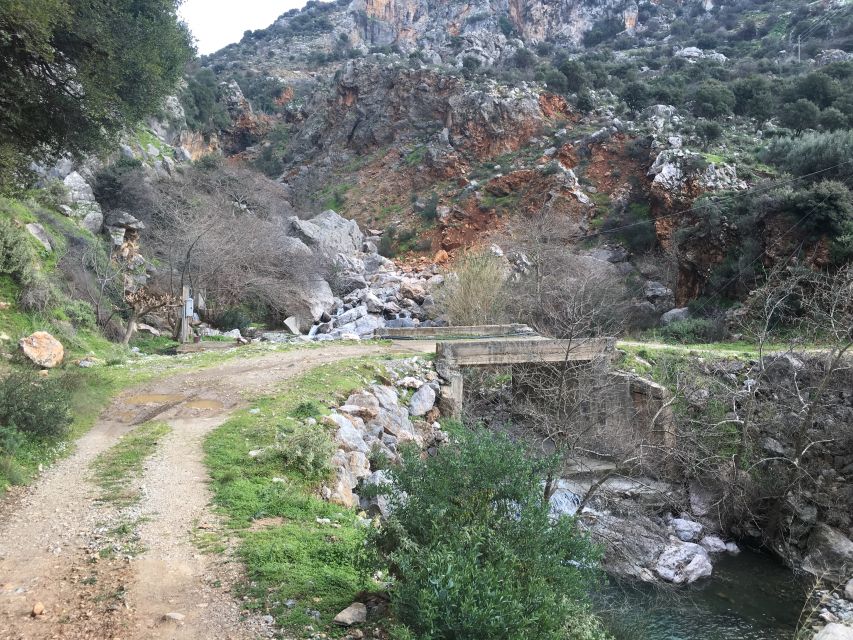
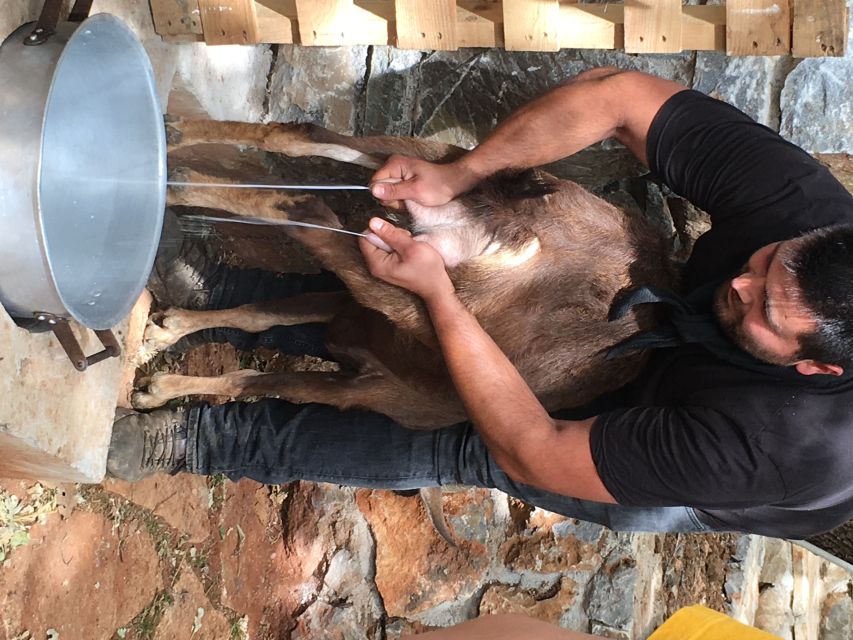
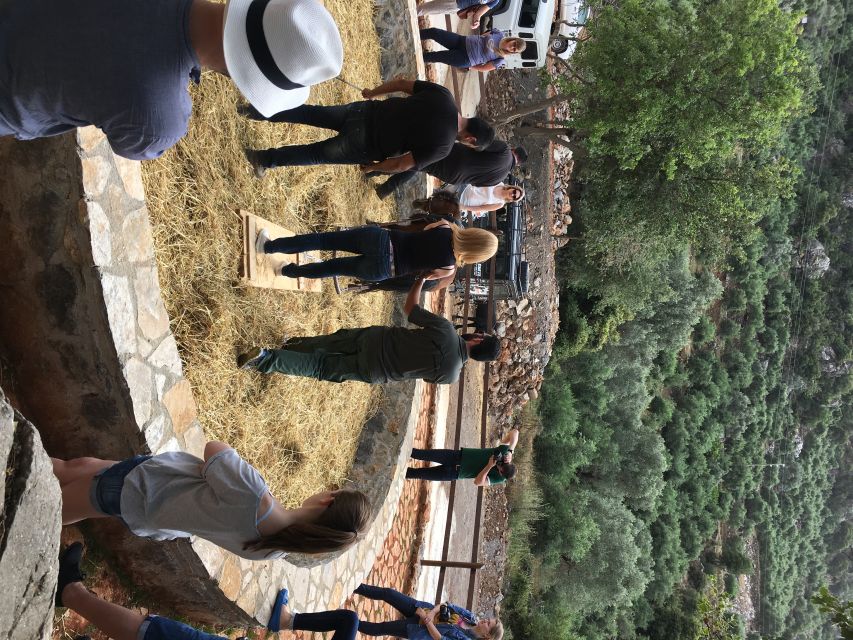
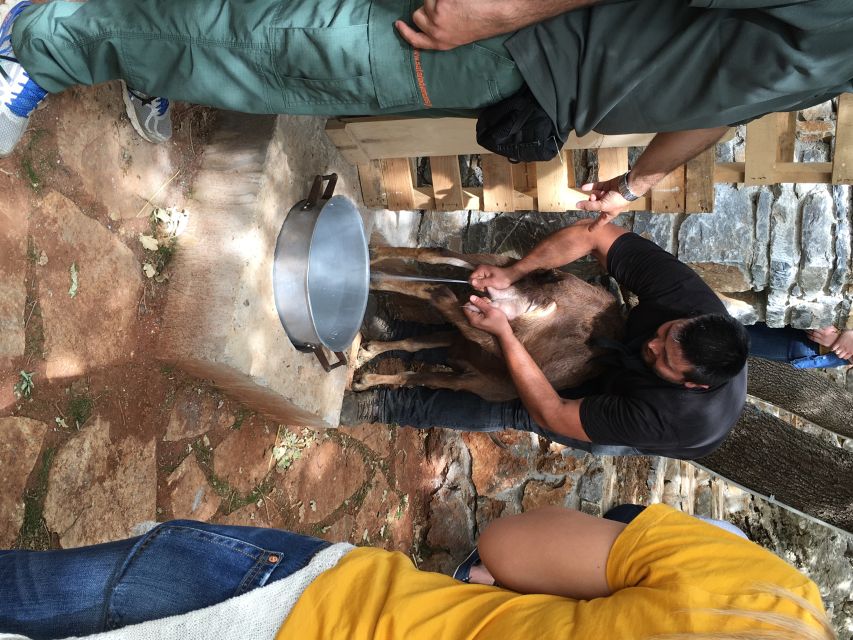
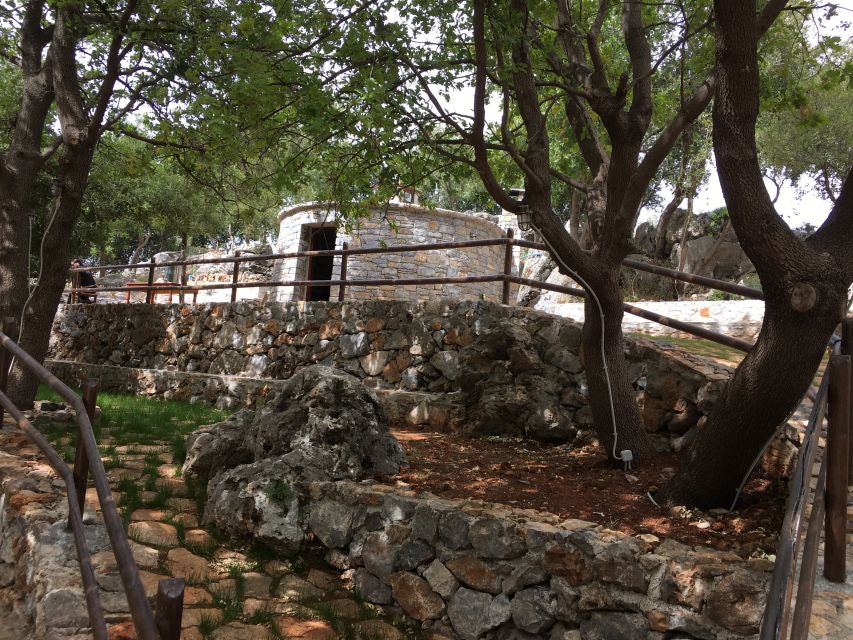
This is often the moment people remember most: leaving paved roads for the mountains and meeting real shepherd life at a traditional mitato—a stone hut where Cretan cheese is made by hand.
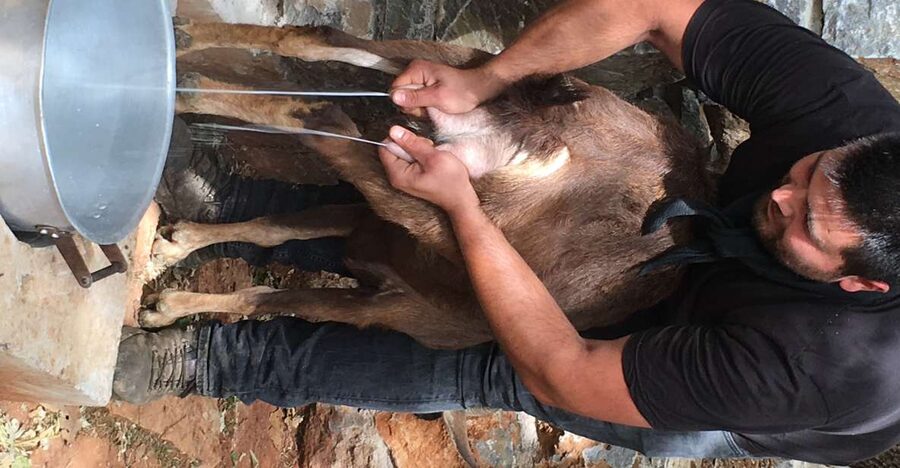
You’ll watch the cheese-making process live and hear stories about mountain life. This is not a museum stop where you look at something through glass; it’s hands-on in the sense that you’re watching the work happen in front of you.
And the tour’s wildlife angle is part of the magic. You’ll get wildlife viewing opportunities during the off-road stretches and lookout moments, with the chance to spot Cretan ibex (kri-kri) and soaring eagles. You shouldn’t plan your whole day around a sighting, but it’s clearly on the radar and it makes the drive more exciting.
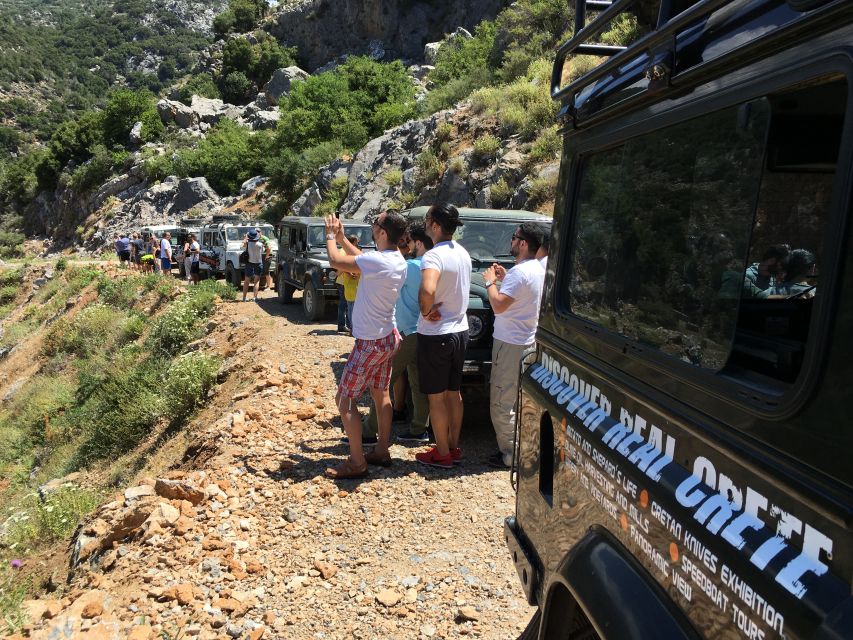
If you’re imagining this as a soft, easy scenic ride, adjust expectations. The terrain is rougher here, and the timing includes travel plus the cheese-making visit, so it’s your “hold onto your hat” stretch.
Scenic drives and a mountain viewpoint stop for your photos
Between major food stops, you’ll move through smaller villages and pass along scenic roads. The day includes multiple pass-by moments such as Apladiana, Doxaro, Agridia, and Tsachiana, plus a dedicated viewpoint stop.
That viewpoint segment is short—about 10 minutes—but it’s built for photos and wildlife spotting. Think of it as a quick breath of fresh air after road time, where the driver slows down and lets you look up and take it in.
The value here is simple: it breaks up the day so you’re not just traveling from tasting to tasting. You’re seeing why these places became villages in the first place.
The cheese factory walk and tastings that keep the story going
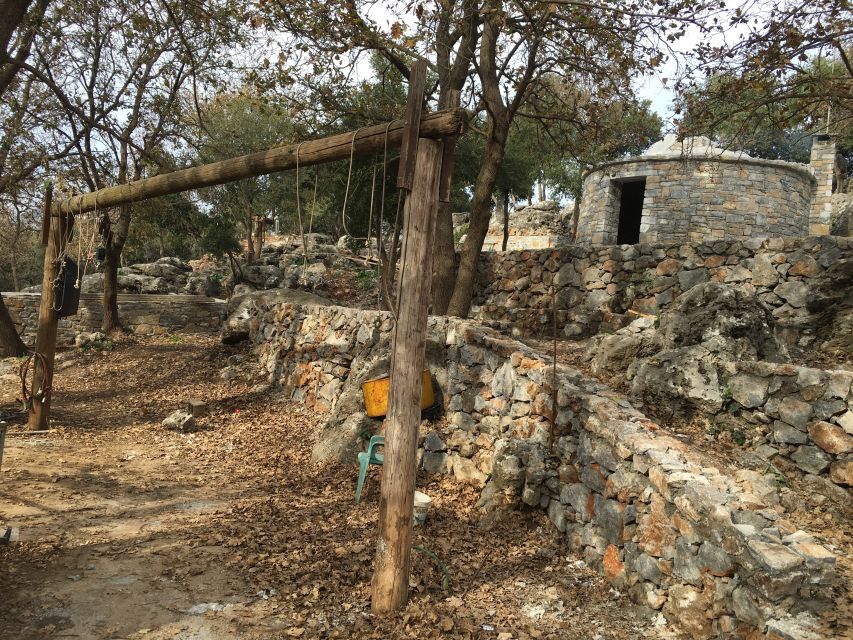
Later, you’ll reach a cheese factory stop that lasts about 75 minutes, with a guided tour plus time to walk around. You also get cheese tasting and local snacks, which means you’re not just watching the origin—you’re sampling the results.
This stop also pairs well with everything you saw at the mitato. The live cheese-making gives you the emotional story of mountain work, and the factory visit gives you the broader production view. Together, they help you connect the dots between tradition and output.
One subtle advantage: local snacks keep you from feeling too full or too empty as you head toward lunch. You’ll still be hungry after, but at least you won’t be worn out.
Axos lunch: traditional Cretan platters, not a tourist sandwich
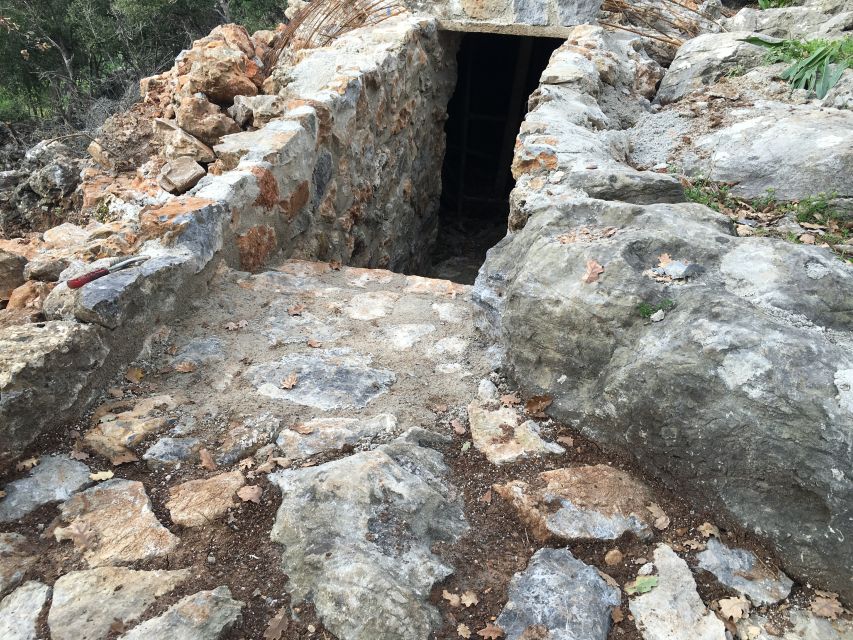
The final big block of time is lunch in Axos, a mountain village. Expect about 1.5 hours here, with regional food served at a family-run tavern.
Lunch is included and it’s described as traditional Cretan platters, which is exactly what you want after a day tasting wine and olive oil. This is where you can reset your palate, slow down, and eat like the locals eat—simple ingredients, serious flavor, and plenty of variety.
Do plan ahead for beverages: coffee or beers in the tavern are not included. If you want something specific to go with your meal, you’ll need to pay there.
And if you’re using your phone for photos, Axos is also a good place to grab natural-light shots before the drive back.
Price, comfort, and what the small-group format really buys you
Let’s talk value. At $128, you’re covering hotel pickup and drop-off, transport in a 4×4 vehicle or minivan, lunch, and all entrance fees plus tastings at the winery, olive oil mill, and farm/cheese stops. That package structure matters because those tasting and entrance costs add up fast on your own.
It’s also small-group focused. Vehicles take up to 6 or 8 people, which usually means less waiting around and more time for questions. In several cases, groups noted their guide had humor and answered questions well, with guide names like Sebastian and Panos mentioned for that friendly, quick-responding style.
A fair caution: this tour is not built for maximum comfort. If you have back problems, recent surgeries, high blood pressure, or you’re pregnant, it’s marked as not suitable. Even if you’re technically mobile, the day includes off-road sections and an active schedule.
Who this safari fits best (and who should skip it)
This trip shines if you want Crete that’s practical and tasty: wine, olive oil, cheese-making, and the kind of mountain scenery you can’t get from a hotel shuttle.
It’s a strong fit for:
- Food lovers who want hands-on tastings with context
- People who enjoy villages and viewpoints more than big-city sights
- Travelers comfortable with a rugged day plan
It’s a weak fit if you are:
- A child under 7
- Pregnant
- Dealing with mobility impairments, back problems, heart problems, or recent surgeries
- Over the stated size/weight limits (over 200 cm or over 130 kg)
- Prone to altitude sickness or motion sickness
That doesn’t mean you can’t enjoy Crete. It means you should pick a day that matches your body and comfort level. On a bumpy safari day, your comfort affects how much you enjoy the tastings.
Practical tips for your day in Crete’s mountains
Bring the basics that keep you comfortable for hours outdoors: sunglasses, a sun hat, a camera, comfortable clothes, and a jacket. The tour also advises cash—useful because purchases at the winery or olive mill are not included.
Shoes matter more than you’d think. High heels are not allowed, and you’ll want footwear that grips for short walks and uneven ground.
Also remember what not to do: no pets, no large bags or luggage, no smoking in the vehicle, and no alcohol/drugs. Food and drinks aren’t meant to be brought into the vehicle either.
Small timing rule that helps: drivers can wait only about 5 minutes after pickup time, so don’t be late to the reception area. Being there early is the easiest way to avoid stress.
Should you book the Rethymno 4×4 Safari to Klados, Mitato, and Axos?
If your idea of a great Crete day includes tastings with a real story and you don’t mind an active schedule, this is an excellent choice. The mix is unusually balanced: you get wine at Klados, olive oil at Melidoni, monastery views at Halepa, live cheese-making at a mitato, and a satisfying Axos lunch.
I’d book it if you want a day that feels semi-private, with time to ask questions and a route that actually takes you off the main paths. I’d skip it if you need smooth roads all day, you have motion sensitivity, or you’re dealing with mobility or medical constraints.
FAQ
What’s the duration and starting time for the Rethymno safari?
The tour runs for about 7 hours. Pickup times vary by area, with scheduled pickups starting around 8:30 and running later depending on where you’re staying, and starting times can vary by availability.
What’s included in the $128 price?
The price includes free hotel pickup and drop-off, transportation in a 4×4 vehicle or 4×4 minivan with an escort-driver, lunch with traditional Cretan platters, all entrance fees and tastings at the winery, olive oil mill, and farm, plus the shepherd’s hut visit and cheese-making process.
Will we visit a winery and an olive oil mill?
Yes. You visit Klados Winery in Panormos for a guided tour and wine tasting, then you continue to Melidoni olive oil mill for a guided tour and olive oil tasting.
Do you visit the mitato and taste cheese?
Yes. The tour includes a visit to a traditional shepherd’s hut called a mitato, where you watch cheese-making and taste local cheese.
Is wine included for everyone?
Wine is part of the winery tasting, but children under 18 are not allowed to consume wine.
What should I bring, and what’s not allowed during the tour?
Bring sunglasses, a sun hat, a camera, a jacket, and comfortable clothes. Cash is also recommended since purchases at the winery or olive oil mill aren’t included. High-heeled shoes, pets, luggage or large bags, and smoking in the vehicle are not allowed. Alcohol and drugs are also not allowed.