REVIEW · SAN MIGUEL DE ALLENDE
Taste of Europe in Mexico: History and Flavors of Artisan Cheese
Book on Viator →Bookable on Viator
Cheese education, with real flavor payoff. In San Miguel de Allende, this 2-hour class turns a simple plate of cheese into a hands-on lesson, from how it’s made to how you build a cheeseboard. I loved the French-inspired cheeseboard approach using local artisan cheeses, and I also liked the way Tonya paired the tasting with practical pairing rules (including wine). The main drawback: you’re going to eat and drink your way through the lesson, so go hungry and come ready to like cheese a lot.
This is hosted in Tonya’s home, and the small group size (up to 12) makes it feel more like a friendly table conversation than a lecture. Expect multiple cheese-forward bites at the start, a big run of tastings, then a cheese-based dessert finish. If you want a museum-style history tour, this one is more about doing.
In This Review
- Key things to know before you go
- Arriving for a 3:00 pm cheese lesson near Parroquia San Miguel Arcángel
- Tonya’s home table: why this feels personal (and not touristy)
- What you’ll learn: from Mexican cheese history to artisan vs. commercial
- The cheeseboard moment: how to taste like you mean it
- Condiments with real clout: membrillo, cajeta, and orange blossom honey
- Starters that prep your palate: from baked cheeses to bread and olives
- Dessert after cheese: pistachio cheesecake, goat panna cotta, fig tart
- Price and what makes it feel like value at $110
- Who should book this cheese class (and who should skip it)
- Quick practical tips so you enjoy the full board
- FAQ
- What time does the cheese class start in San Miguel de Allende?
- How much does the tour cost?
- What language is the class offered in?
- What’s included in the ticket price?
- Is private transportation included?
- Can I cancel for a full refund?
- Should you book Taste of Europe in Mexico: History and Flavors of Artisan Cheese?
Key things to know before you go
- Small group table time: up to 12 people, so you can ask questions as you taste.
- A real cheeseboard, not just samples: you’ll learn how to arrange, cut, pair, and store cheese.
- Local condiments that matter: membrillo, cajeta de Celaya, and orange blossom honey (miel de azahar).
- French roots meet Mexican ingredients: you’ll hear how French cheese makers shaped the regional scene over generations.
- Dessert that stays in theme: pistachio cheesecake, goat cheese panna cotta, and fig frangipane tart.
Arriving for a 3:00 pm cheese lesson near Parroquia San Miguel Arcángel
The experience starts at 3:00 pm, which is a great slot if you like late afternoons over early mornings. The meeting point is on Independencia 2260 in Mexiquito, and the tour also references the Parroquia de San Miguel Arcángel area as a handy landmark. For navigation, that’s helpful because San Miguel can be easier when you have something familiar to aim for.
You’ll be given a mobile ticket, and the class is offered in English. Since there’s no private transportation included, plan to get there under your own steam—public transit or a short taxi/ride-share will likely be the easiest path.
You can also read our reviews of more tours and experiences in San Miguel de Allende.
Tonya’s home table: why this feels personal (and not touristy)
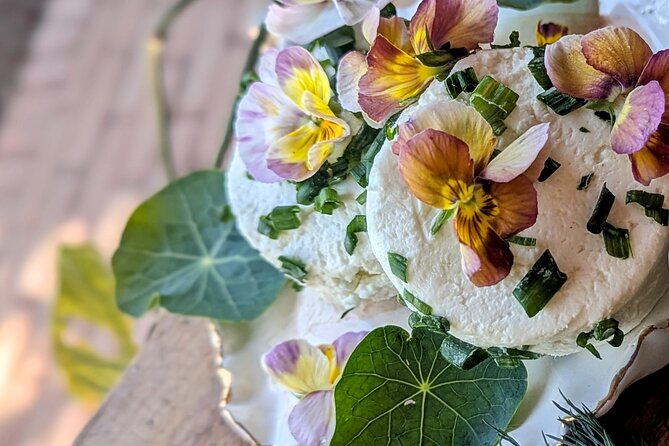
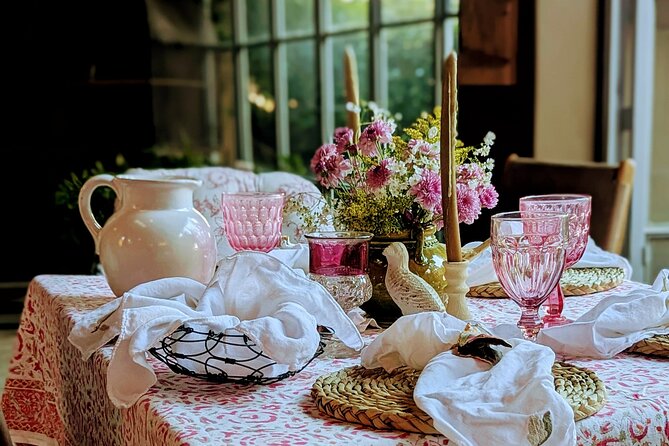
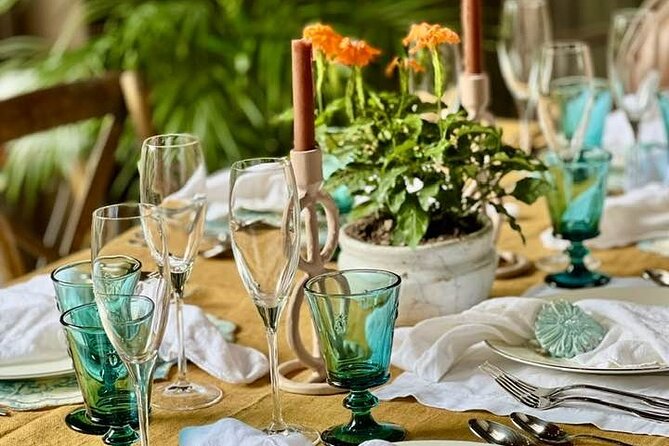
One reason this class lands so well is the setting. Tonya hosts the experience in her home, and that matters: you get a more relaxed pace, more eye-level conversation, and you’re not being herded through a room full of strangers.
In the words of the vibe you’ll feel there: it’s practical. Tonya loves cheese, and her husband brings the wine pairing side of things, so you get both the food detail and the drink logic. That combination is what makes the tastings stick after the tour ends—you’re not just consuming, you’re learning a system.
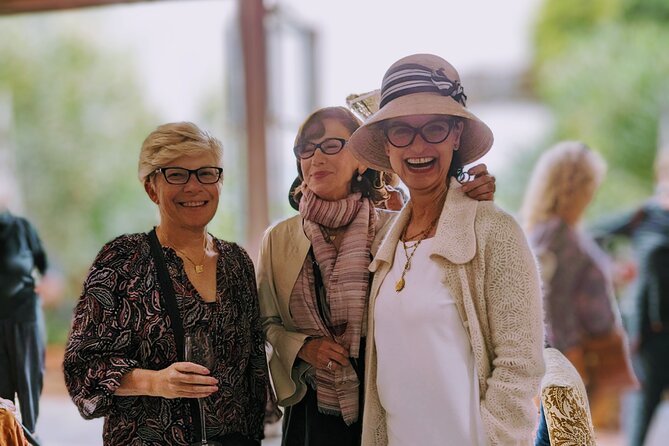
The pace also helps. You begin with appetizers and a beverage before you sit down for the main lesson, so your palate isn’t flat when the cheeseboard arrives. And because the group is capped at 12 travelers, you can actually hear what’s being said and pay attention to what you’re tasting.
What you’ll learn: from Mexican cheese history to artisan vs. commercial
After the early bites, the class shifts into the story and the science. You’ll get an overview of the history of cheese in Mexico, including the role of French cheese makers who made Mexico home generations ago. Even if you’re not a total cheese nerd, the human story makes the products easier to understand.
Then comes the hands-on part: how cheese is made, what different styles mean, and the differences between commercial and artisan cheeses. This is where a lot of cheese tastings lose people—too much jargon, too little clarity. Here, the lesson is framed around what you can notice yourself: texture, intensity, and how aging or production choices affect the flavor in your mouth.
Commercial cheeses can be consistent and mild, while artisan cheeses often show more personality—sometimes stronger, sometimes more nuanced, and often with a clearer sense of place. The useful takeaway isn’t which one is better. It’s how to tell the difference, and how to choose based on what you like.
The cheeseboard moment: how to taste like you mean it
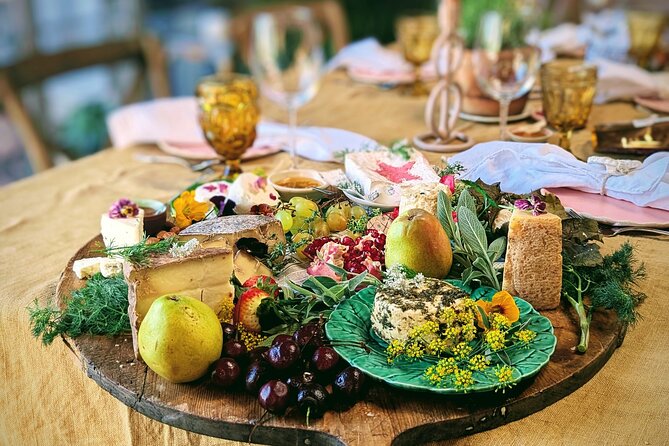
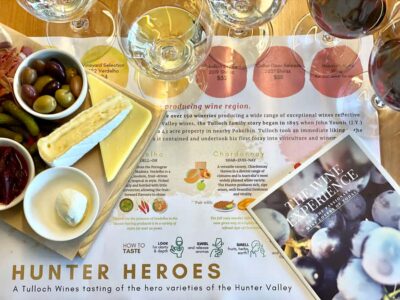
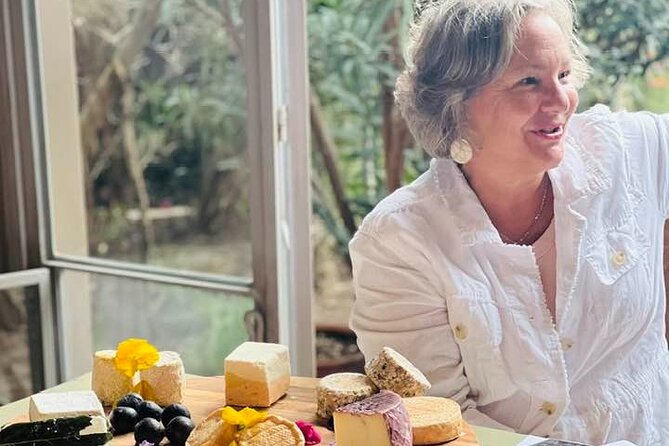
Then you hit the best part: the large French-inspired board with a dozen local artisan cheeses. You’ll taste each one as you go along, and you’ll learn about the maker side of the equation—cheese makers, cheese mongers, and where you can buy varieties locally. You also get instruction on building your own board later, which is a skill you’ll use at home.
What I like about this approach is that it turns a tasting into a lesson plan. Each cheese becomes a prompt:
- What does it smell like?
- How does it feel (creamy, firm, crumbly)?
- Where does the flavor land first, and where does it finish?
The class also explains pairing rules—including how to match different types of cheese with beverages. You’ll be served several drinks while you work your way across the board. The point isn’t that one cheese has a single perfect match. It’s that there are patterns you can follow when you’re choosing later.
Condiments with real clout: membrillo, cajeta, and orange blossom honey
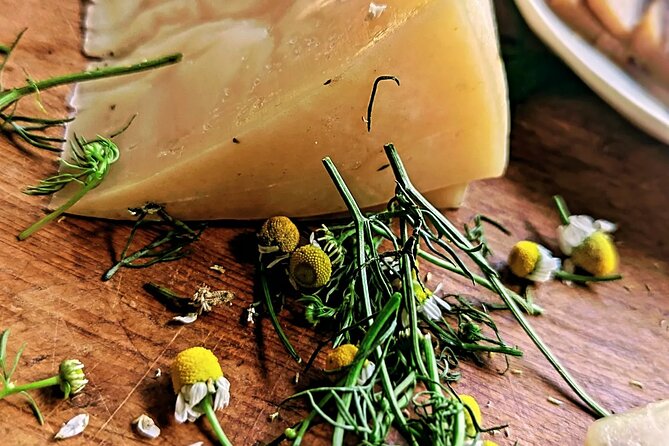
Cheese gets a lot of credit, but the supporting cast is what often makes people say wow. This board leans into Mexican flavors that act like a bridge between cheese and sweetness, between salt and perfume.
You’ll pair cheeses with condiments made around San Miguel de Allende, including:
- Membrillo (quince paste)
- Cajeta de Celaya (caramel-like goat milk candy)
- Miel de azahar (orange blossom honey)
Here’s why these matter. Soft, creamy cheeses often love a sweet element that brings out fruit notes and balances fat. Firmer cheeses can handle bolder sweetness too, especially when that sweetness is aromatic like orange blossom honey. Membrillo is thick and tangy, which gives you contrast without turning the whole board into dessert.
Tonya also shows you how to think about service: how to set up a board so it’s inviting, how to cut portions, and where and how to store leftovers. Those details are gold if you’ve ever tried to assemble a cheeseboard at home and ended up with one lonely chunk of cheese drying out in the fridge.
Starters that prep your palate: from baked cheeses to bread and olives
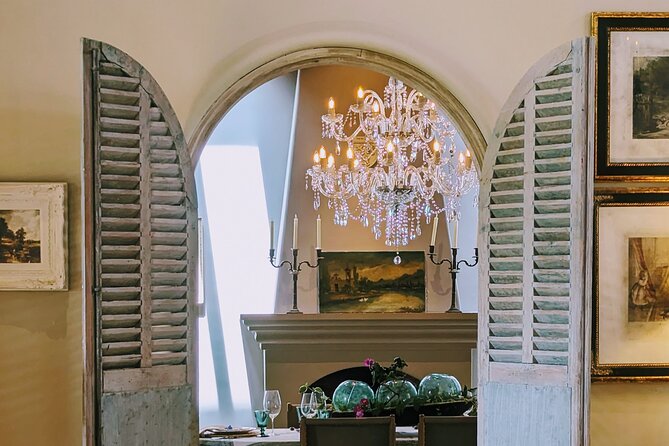
The class starts with cheese-based appetizers and a beverage, which is a smart move. Before the main tasting, you’ll have multiple bites that help you adjust to salt, dairy, and fat levels.
Depending on what’s served that day, you could see:
- Baked feta with grapes or tomatoes and herbs, with crostini
- Baked camembert, with candied pecans plus jams or honey, also with crostini
- A charcuterie board with meats, nuts, fruits, olives, jams, membrillo, bread, and crackers
- An antipasto platter: grilled bread, tomato, buffalo mozzarella, grilled eggplant and zucchini
- Italian artichoke pie with artichokes and provolone in a crust
- Homemade focaccia with rosemary and choices like tomatoes or olives
Even though these sound like a food sampler on its own, it’s doing something educational. You’re training your palate to notice differences between salty, melty, herbal, and roasted flavors. Then when the dozen artisan cheeses show up, you’re better equipped to describe what you taste instead of just saying it’s good.
Dessert after cheese: pistachio cheesecake, goat panna cotta, fig tart
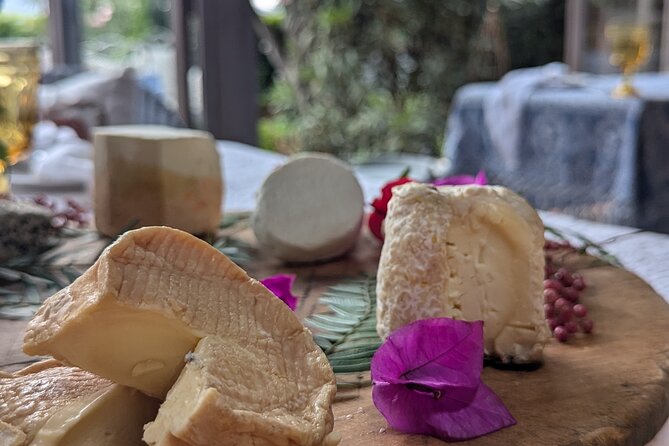
Most cheese tastings end and let you walk off with your thoughts. This one sticks the landing with dessert that still fits the theme—milk, cheese, and flavors you’ll recognize from Mexican and European-style sweets.
Possible dessert options include:
- Pistachio cheesecake made with fresh pistachios and cheeses
- Goat cheese panna cotta (a cooked pudding) made with fresh local goat cheese
- Fig frangipane tart, often served with cheese ice cream
This is a smart finish because it gives you a last contrast moment. After tasting cheeses across a range of styles, you get sweetness plus dairy again—so you can feel the differences between aged savory notes and dessert-style richness.
Price and what makes it feel like value at $110
At $110 per person for about 2 hours, this is not a cheap snack stop. But it also isn’t priced like a light tasting either. You’re paying for a guided food education experience with a structured run of bites, a dozen-plus local artisan cheeses, and multiple beverages.
The value also comes from how the class is designed. You’re not just tasting. You’re learning how cheese is made, how to differentiate commercial versus artisan styles, and how to build and serve a cheeseboard yourself. For people who like hosting or want to shop with confidence, that instruction has real payoff.
And because the group is capped at 12, the host time per person is better than larger classes. You get a table atmosphere, not a conveyor belt.
Who should book this cheese class (and who should skip it)
This experience fits best if you want:
- A hands-on food education in San Miguel de Allende
- A chance to taste multiple local artisan cheeses with pairing guidance
- Something social but not crowded, thanks to the small group size
You might skip it if you don’t like cheese in general, or if you prefer purely outdoor walking tours and don’t want a sitting-and-tasting event.
Quick practical tips so you enjoy the full board
Go in ready to taste. Wear comfortable clothes (you’re seated, eating, and likely moving only around the board). Plan your schedule so you’re not racing to the next activity right after class—dessert is part of the experience, and it’s better when you have a little breathing room afterward.
Also, ask questions while you’re tasting. The instruction is built for that moment-to-moment curiosity, especially around how to pair cheeses and how to assemble boards at home.
FAQ
What time does the cheese class start in San Miguel de Allende?
It starts at 3:00 pm and lasts about 2 hours.
How much does the tour cost?
The price is $110.00 per person.
What language is the class offered in?
The experience is offered in English.
What’s included in the ticket price?
Your ticket includes snacks (multiple appetizers), a range of beverages, a dozen or more cheeses, and a cheese-based dessert.
Is private transportation included?
No. Private transportation is not included, so you’ll need to make your own way to the meeting point.
Can I cancel for a full refund?
Yes, you can cancel up to 24 hours in advance for a full refund.
Should you book Taste of Europe in Mexico: History and Flavors of Artisan Cheese?
If you like cheese and you want to come away with practical pairing and board-building skills, I’d book it. The strongest reasons are the small group, the home-hosted feel with Tonya’s cheese knowledge, and the structured experience that goes beyond tasting into how to understand and serve cheese yourself.
If you want a fast stop with no sitting, or you don’t care about pairing wine and condiments, you may find it more food-focused than you want. But for most food-minded travelers in San Miguel de Allende, this is one of the better ways to spend a late afternoon with real substance.