REVIEW · AMSTERDAM
Amsterdam: Make your cheese next to De Hallen
Book on GetYourGuide →Operated by De Kaasserie · Bookable on GetYourGuide
Cheese starts as two kinds of milk. This hands-on workshop at De Kaasserie (by De Hallen in Amsterdam) turns a scary food project into a calm, doable skill, and you leave with two cheeses you made yourself. I like the short, structured start and the small-group feel, and you’ll learn both acid-coagulated and rennet-coagulated cheese-making basics. One consideration: it’s not suitable if you have a lactose intolerance.
The payoff is practical. You’ll make, press/finish (fresh and pressed styles), and then taste what you created, plus you take home the materials and recipes so you can try again later.
In This Review
- Key takeaways before you go
- Finding De Kaasserie by De Hallen (and why that location helps)
- The short intro that makes milk chemistry feel simple
- Acid vs rennet coagulation: what you practice with your own two batches
- Acid-coagulated cheese (fresh and straightforward)
- Rennet-coagulated cheese (the bridge to aged cheese)
- One key “aha”
- Herbs, spices, and making it yours without overthinking it
- The tasting moment: fresh and pressed, made by your own hands
- What you take home: two cheeses plus the tools to keep going
- Price and value: $135 for a 3-hour small-group class
- Small group lessons: who this workshop suits best
- How to pair it with your Amsterdam day near De Hallen
- Should you book this Amsterdam cheese workshop?
- FAQ
- Where is the meeting point?
- How long is the workshop?
- What do I make during the session?
- Do I use rennet, and is it for aged cheese?
- Can I add herbs or spices to my cheese?
- Do I take cheese home?
- What’s included to drink?
- What languages are offered?
- Is there free cancellation?
- Final call: who should book
Key takeaways before you go
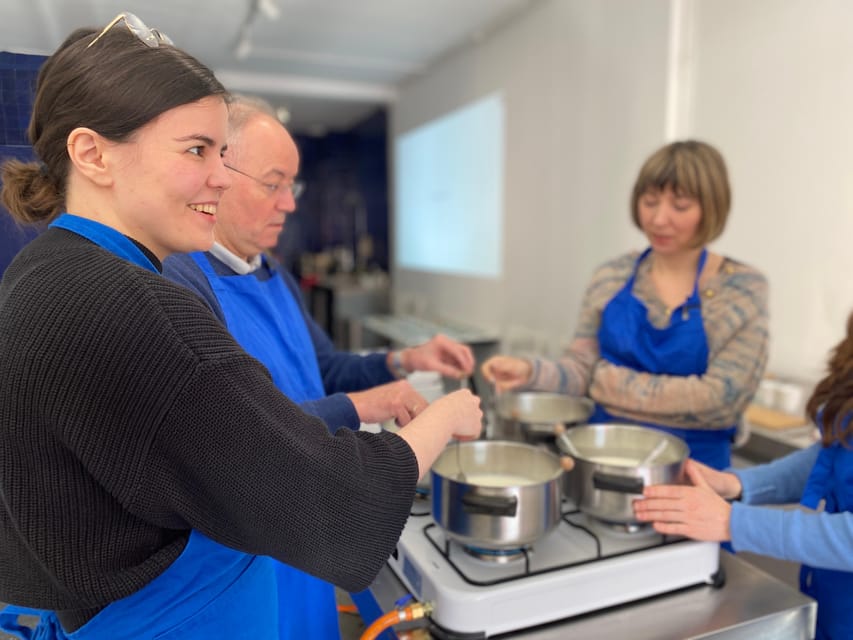
- Two coagulation methods, taught side by side using one liter of milk for each cheese
- Small group (max 10) keeps the class hands-on instead of lecture-heavy
- Seasoning experiments with herbs and spices so your cheese doesn’t have to be plain
- You leave with take-home supplies: cheese cloth, rennet, calcium, and emailed recipes
- A guided tasting of your homemade cheeses, fresh and pressed
Finding De Kaasserie by De Hallen (and why that location helps)
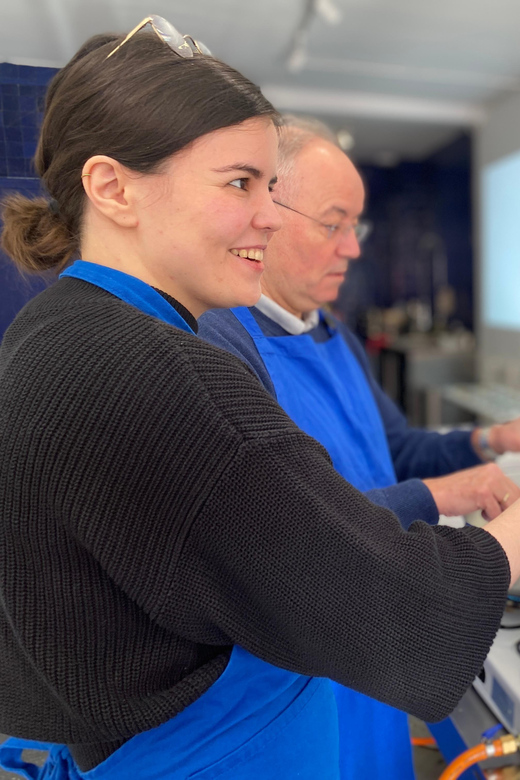
This workshop is based at De Kaasserie, and the meeting point is set once you book the exact option. The nice part is the location: you’re by De Hallen, which is an easy area to build around. If you like starting with one focused activity and then wandering, this is a smooth setup. You can grab a coffee after the class on your schedule (since coffee isn’t included here) and still have time to explore the neighborhood.
The session is 3 hours, and it’s designed for a small group of up to 10. That matters. Cheese-making often gets messy and slow when the class is big, so a small group usually means more attention during the turning points—when milk changes and you need to know what you’re looking for.
You can also read our reviews of more tours and experiences in Amsterdam.
- Zaanse Schans Windmills, Clogs and Dutch Cheese Small-Group Tour from Amsterdam
★ 4.5 · 2,369 reviews



The short intro that makes milk chemistry feel simple
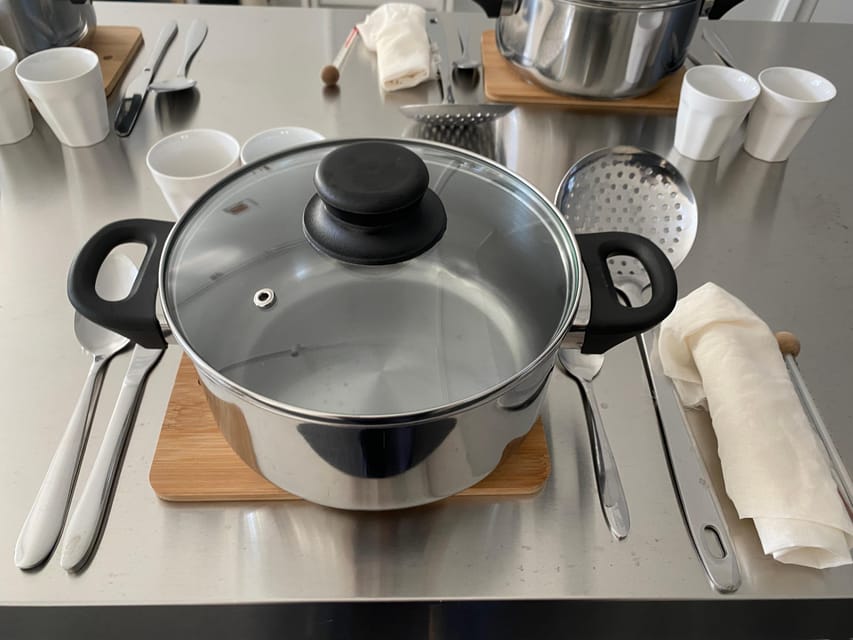
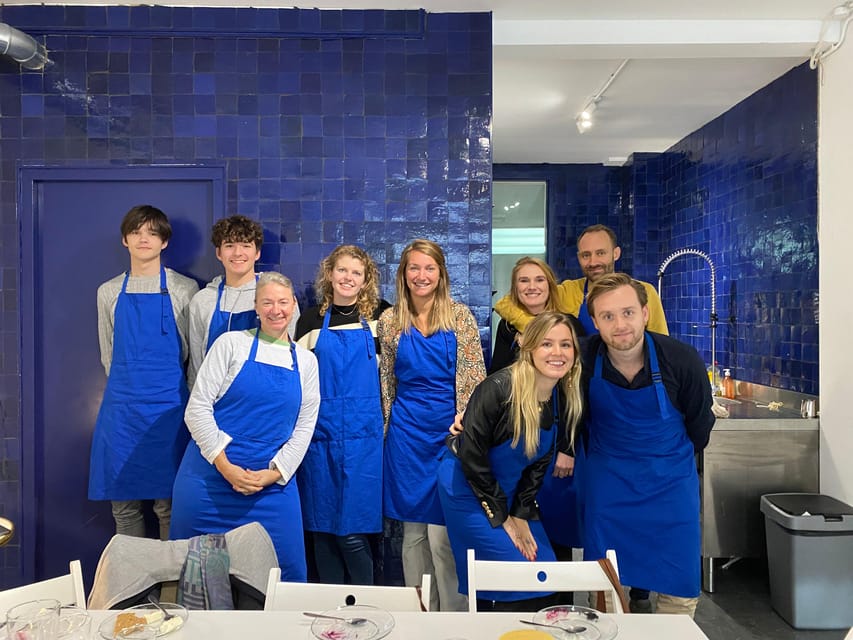
You meet at De Kaasserie, then everyone settles in as the instructor starts with tea and a short presentation. In the class format, it’s not just theory. The intro sets up the workshop contents and also works as a friendly start: people introduce themselves, and you learn what you’ll actually be doing during the session.
Then comes the key lesson: there are two basic types of milk coagulation you’ll practice—acid coagulation and rennet coagulation. Even if you’ve never made cheese before, the teaching is built to connect cause to result. You’re not memorizing trivia. You’re learning why the milk behaves differently when the curd forms, and what that means for the cheese that follows.
If you’re the type who wants the story behind the steps, this is a great fit. You’ll also understand the reason one of the methods is linked with longer-aged cheese styles later on—without needing to make aged cheese in this specific class.
Acid vs rennet coagulation: what you practice with your own two batches
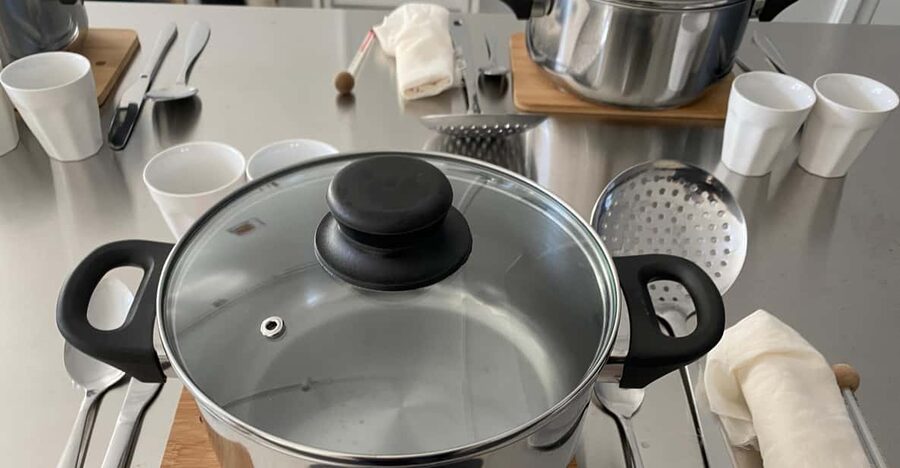
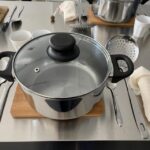
Here’s the core of the workshop: you’ll use supermarket milk to make two different kinds of cheese. One liter becomes an acid-coagulated cheese, and a second liter becomes a rennet-coagulated cheese. The class makes the comparison very tangible because both curds come from your hands and your timing.
Acid-coagulated cheese (fresh and straightforward)
Acid coagulation is generally the quicker, simpler pathway to curds for beginners. In this workshop, you’re making a fresh type of cheese using supermarket milk and learning the basic principles of how coagulation turns milk into curds and whey. You don’t need special equipment to understand the idea: when you change acidity, you trigger the milk proteins to clump and form curds.
Rennet-coagulated cheese (the bridge to aged cheese)
Rennet coagulation is the procedure used to make aged cheese. In this workshop, you start with a fresh cheese made this way, so you learn the method without the extra complexity of aging. That’s smart for learning. You get the hands-on feel of what rennet does—then you can carry the method forward at home for longer recipes later.






One key “aha”
You’re not just making food. You’re training your eye for what happens at each stage—when to expect curds, how the process differs between acid and rennet, and why those differences matter later. That’s the real value if you want to keep experimenting after the class.
Herbs, spices, and making it yours without overthinking it
You’ll get time to experiment with adding spices and herbs to your cheese. This is where the workshop feels less like a science lab and more like creative cooking. The class structure keeps things grounded (you’re still learning the coagulation basics), but seasoning gives you room to personalize the results.
A practical tip for enjoyment: think of seasonings as part of the learning loop, not as a test you must perfect. If your blend is stronger or milder than you expected, that’s not failure—it’s information. When you take the recipes home by email, you’ll have a baseline to compare against your own variations.
The tasting moment: fresh and pressed, made by your own hands
Once the two pieces of cheese are ready, you finish with a tasting of homemade cheeses, including both fresh and pressed styles. This is a good wrap-up because it helps you connect what you did earlier to what you’re tasting now. Acid-coagulated and rennet-coagulated cheeses can differ in texture and character, and the tasting is where those differences become clear.
Don’t underestimate how satisfying this part is. A hands-on class can feel incomplete if you never eat what you made. Here, you do taste the results while the experience is still fresh in your head—so the method you learned actually sticks.
Also, tasting is a sanity check. If something didn’t go exactly as you imagined, you’ll still have something good to eat, and you’ll understand why the cheese turned out the way it did.
What you take home: two cheeses plus the tools to keep going
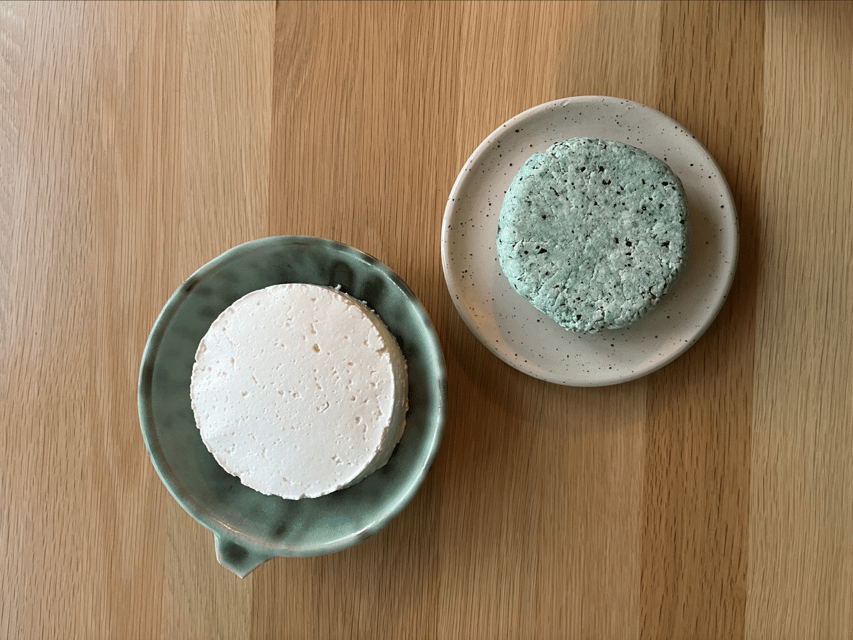
The take-home package is a big part of the value. You’re encouraged to experiment with cheese-making at home, and you take with you your two cheeses. You also receive a set of essentials: cheese cloth, rennet, calcium, and recipes sent via email.
That matters because the “learn once” problem is real with workshops. Many classes teach a technique but don’t make it easy to repeat. Here, you get the building blocks for the next attempt. The recipes by email are also useful because they turn the class steps into a reference you can follow later, at your own pace.
If you want to move beyond a one-time activity, this take-home setup is exactly what you need: you’re not leaving with memories only.
Price and value: $135 for a 3-hour small-group class
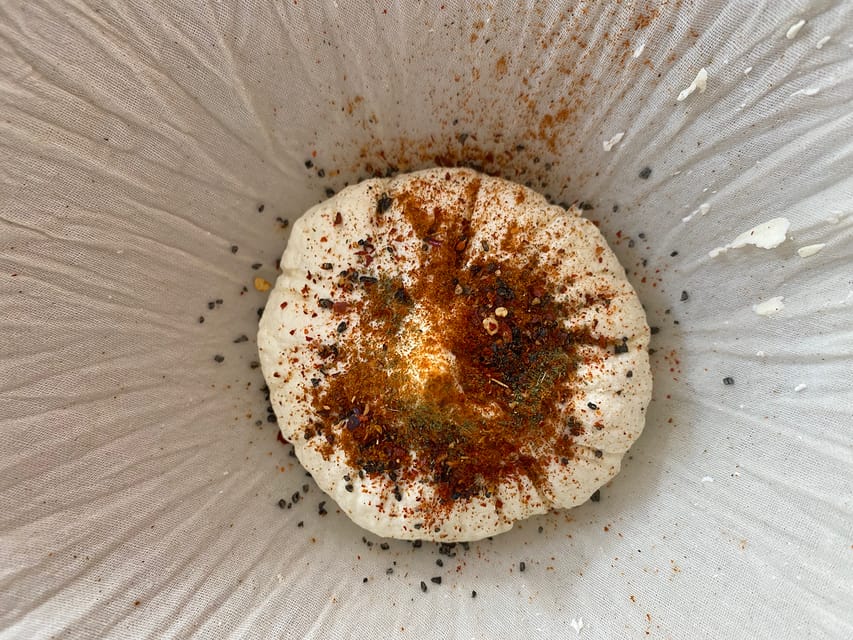
At $135 per person for 3 hours, this isn’t a budget activity. But you’re paying for more than instruction. You’re paying for a guided learning process (small group, hands-on time), plus materials that enable you to remake cheese later.
Here’s what the price is effectively covering:
- You make two cheeses during the session (acid + rennet methods)
- Tea is included, and the class includes a guided tasting
- You get take-home supplies (cheese cloth, rennet, calcium) and emailed recipes
If you like cooking classes where you leave with real food and a clear pathway to repeat at home, the value lands better. If you only want a quick food bite, you might feel it’s expensive. But if cheese-making sounds like a craft you’d actually use, this format gives you the best kind of souvenir: a skill plus ingredients.
One note: coffee and alcoholic beverages aren’t included, so if you’re the type who likes a morning or afternoon drink, plan to buy it separately.
Small group lessons: who this workshop suits best
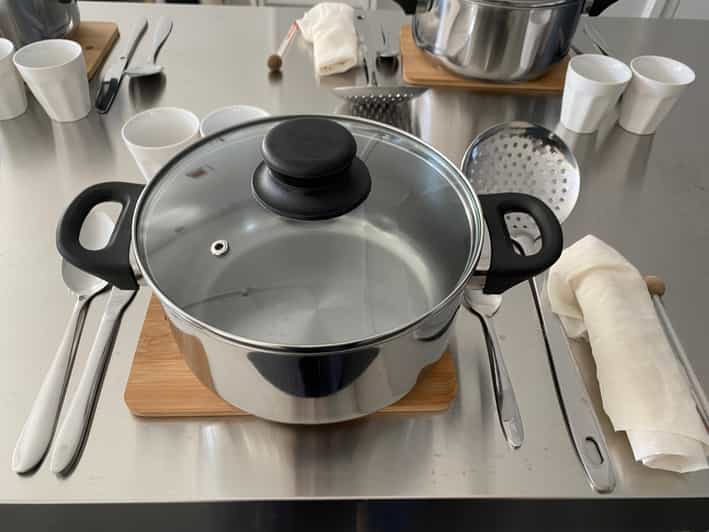
This class is set up for beginners through motivated home cooks who want clean instruction. It’s also ideal if you enjoy learning by doing. With a small group limited to 10, you’ll spend more time actively making cheese rather than waiting for demos.
It’s also a good fit if:
- You want to learn a lifelong skill (the whole point here)
- You’re curious about the difference between fresh cheese methods
- You want to add your own flavors using herbs and spices
It’s not a fit if:
- You have lactose intolerance (not suitable)
- You’re under 16 years old or over 95 years old (not suitable)
Languages offered are English, Spanish, French, and Dutch, which makes it easier to choose a session that matches your comfort level.
How to pair it with your Amsterdam day near De Hallen
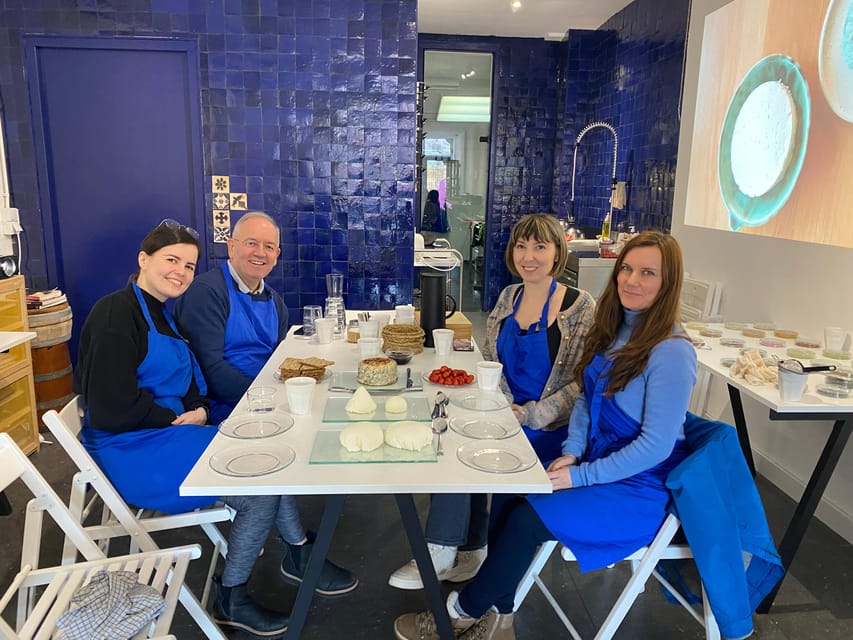
Because the workshop is located by De Hallen, it’s a practical add-on to an Amsterdam day. You can treat it like your anchor activity: go in, make cheese, eat the tasting, and then stroll afterward while the neighborhood is still on your mind.
You also get a helpful pace: 3 hours is long enough to learn and produce results, but short enough to keep the rest of your day flexible. If you’re building a trip around food and crafts, this is an activity that doesn’t require you to schedule the whole day around it.
Should you book this Amsterdam cheese workshop?
Book it if you want a guided, hands-on craft you can repeat. The combination of two coagulation methods, a structured intro, and a real take-home kit (cheeses plus rennet, calcium, and cloth) makes it more than a one-off experience.
Skip it if lactose intolerance applies, or if you’re looking only for a casual tasting without making anything yourself. Also, if you need a coffee or alcohol included with your class experience, you’ll want to plan for that separately.
If your goal is to leave with both understanding and supplies for round two at home, this one is a smart use of 3 hours near De Hallen.
FAQ
Where is the meeting point?
The meeting point is at De Kaasserie, and it may vary depending on which option you book.
How long is the workshop?
The duration is 3 hours.
What do I make during the session?
You make two kinds of cheese: one acid-coagulated cheese and one rennet-coagulated cheese.
Do I use rennet, and is it for aged cheese?
You learn the rennet coagulation procedure. Rennet coagulation is used to make aged cheese, but in this workshop you start by making a fresh cheese using that method.
Can I add herbs or spices to my cheese?
Yes. You can experiment with adding spices and herbs to your cheese.
Do I take cheese home?
Yes. You take home two cheeses, along with cheese cloth, rennet, calcium, and recipes sent by email.
What’s included to drink?
Tea is included with the introduction to De Kaasserie. Coffee and alcoholic beverages are not included.
What languages are offered?
The instructor offers English, Spanish, French, and Dutch.
Is there free cancellation?
Yes. You can cancel up to 24 hours in advance for a full refund.
Final call: who should book
If you want real instructions for a craft you can keep using, book it. You get hands-on practice, a tasting, and a take-home kit that sets you up to make cheese again at home. If lactose intolerance is part of your situation, this one isn’t the right fit—look for a different activity instead.
You Might Also Enjoy

More Tour Reviews in Amsterdam
- Zaanse Schans Windmills, Clogs and Dutch Cheese Small-Group Tour from Amsterdam
★ 4.5 · 2,369 reviews