REVIEW · BORDEAUX
Bordeaux: Wine Masterclass with Cheese and Charcuterie Board
Book on GetYourGuide →Operated by Olala Bordeaux · Bookable on GetYourGuide
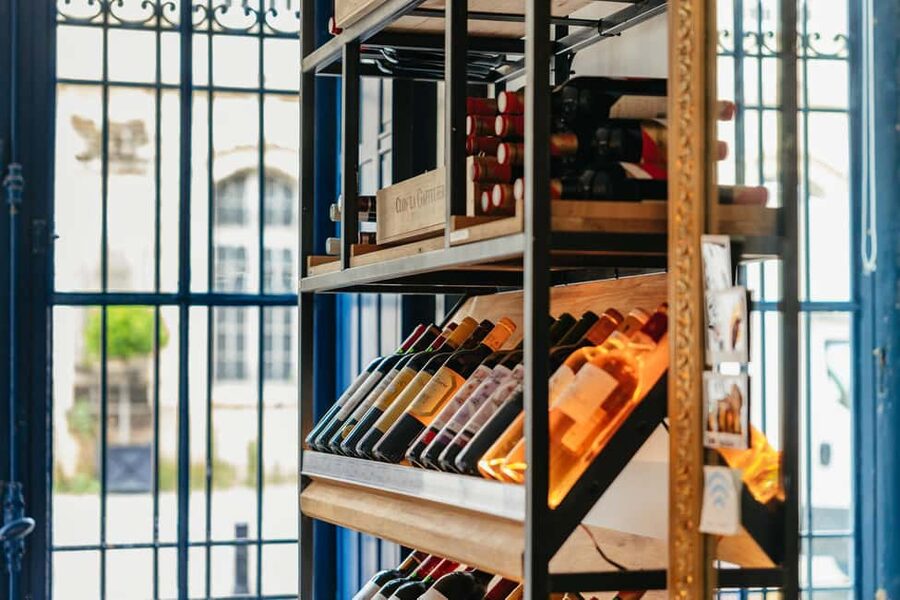
Your nose gets a workout. In 90 minutes, you sip Bordeaux wines from white to a left-bank vs right-bank showdown, with cheese and charcuterie built in. I love the sensory tasting method (look, smell, taste) and how the class makes big wine terms feel practical. One thing to consider: this one is for adults—children under 16 and pets aren’t allowed, and the exact wines can vary by schedule.
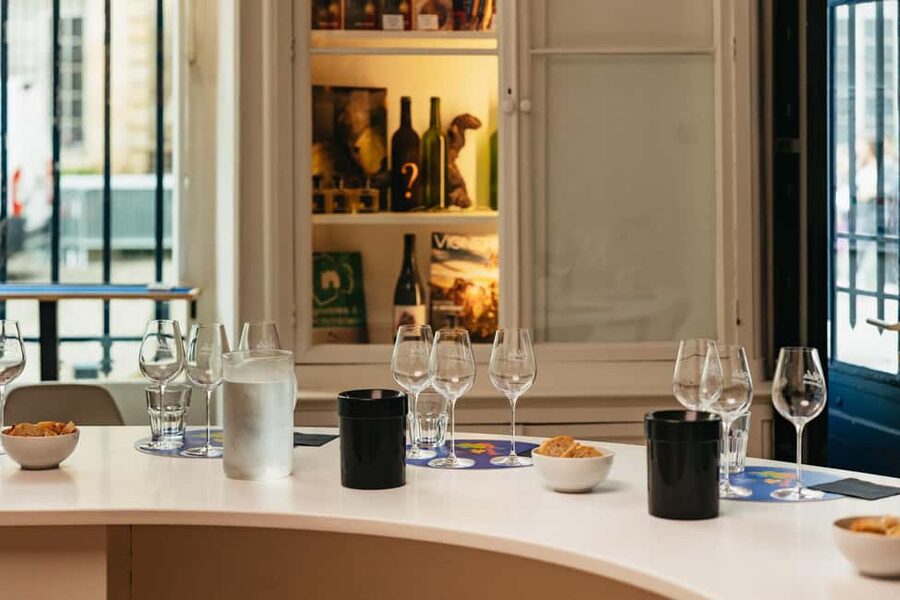
In a central wine bar setting just off the Grand Theatre, you’re not sent out to hunt for answers. You learn the logic behind terroir, grape varieties, appellation, classification, vinification, aging, and storage, then taste your way through it. Guides like Antoine, Hugo, and Enzo have led sessions, and they tend to keep it fun without skipping the how-and-why.
In This Review
- Key Highlights I’d Prioritize
- Bordeaux Wine Masterclass: 90 Minutes That Actually Teaches You to Taste
- Where You Meet in Bordeaux (and Why It Matters)
- The Tasting Flow: White First, Then Five Reds, Then Left Bank vs Right Bank
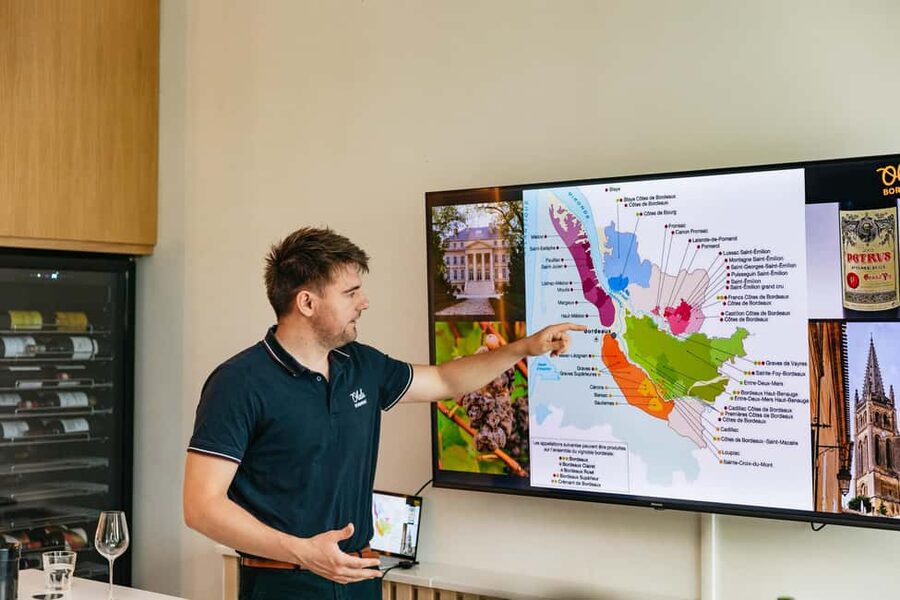
- How the Class Teaches Terroir, Classification, and Winemaking Without Boring You
- Cheese and Charcuterie: The Pairing Portion That Makes It Stick
- Instructor Energy: The Difference Between Memorizing and Understanding
- Who This Bordeaux Wine Masterclass Is For (and Who Should Skip It)
- Price and Value: Why $53 Makes Sense Here
- Quick Practical Tips Before You Go
- Should You Book Bordeaux: Wine Masterclass with Cheese and Charcuterie?
- FAQ
- How long is the Bordeaux wine masterclass?
- How much does it cost?
- What wines are included in the tasting?
- Is cheese and charcuterie included?
- Where is the meeting point?
- What languages are available for the instructor?
- Is it suitable for children or pets?
- Can I get a refund if I cancel?
- Can I book without paying right away?
Key Highlights I’d Prioritize
- Guided tasting you can repeat later, using a clear universal method for sight, smell, and taste
- A focused Bordeaux lineup: 1 white, 3 single-grape reds, then 2 fine reds including a Bordeaux grand cru
- Left bank vs right bank lesson, not just a label—what you taste changes with where grapes come from
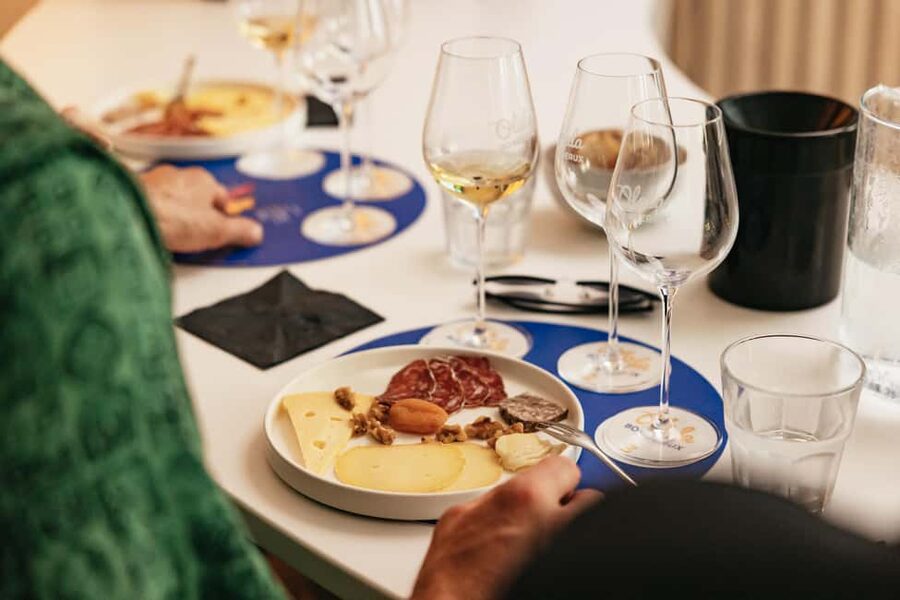
- Food pairing that teaches, with local cheese, charcuterie, and baguette that help you read the wine
- Small-room comfort in central Bordeaux, with easy tram access near Quinconces
- Serious instructor energy, with guides named Antoine, Hugo, Anna, Enzo, Vincent, and Xavier showing up across sessions
Bordeaux Wine Masterclass: 90 Minutes That Actually Teaches You to Taste
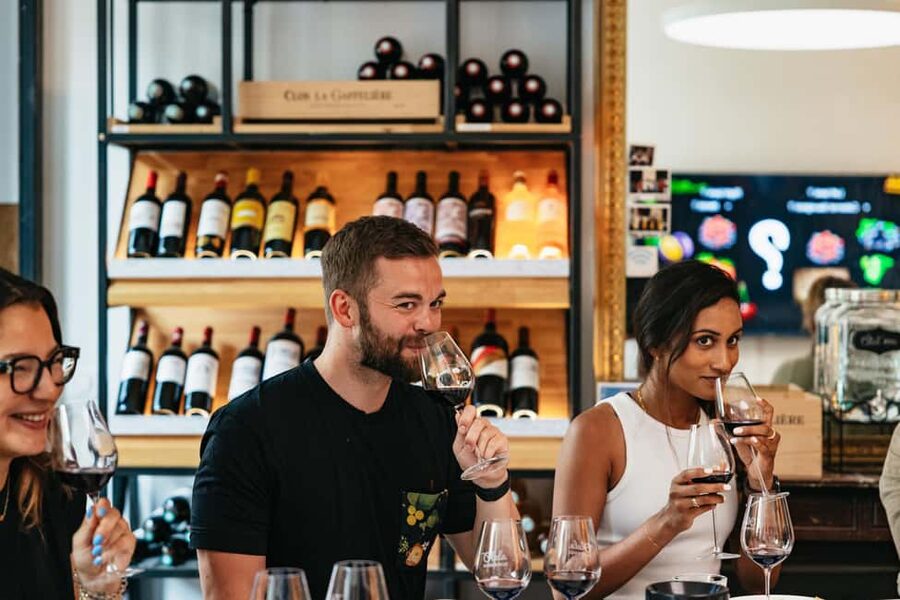
This is the kind of wine class that feels built for real life. Not a stuffy lecture. Not a quick pour-and-go. You get a structured tasting that walks you from basic sensory skills into the bigger Bordeaux map: how place, grape, and winemaking shape what ends up in the glass.
The format is clean. You start with a white wine to wake up your senses and learn the tasting steps. Then the program shifts into Bordeaux’s red lineup, including single-grape bottles and a final comparison between the left bank and the right bank—one wine from that most famous tier, a Bordeaux grand cru. Add a local cheese and charcuterie board and baguette, plus water, and you’re set for a lesson that sticks.
At $53 per person for 90 minutes, it’s not a budget gamble. It’s a value play if you want your money to buy skills, not just alcohol. You’re paying for an expert guide, multiple pours, and the food pairing that helps your brain connect flavors to technique.
You can also read our reviews of more tours and experiences in Bordeaux.
Where You Meet in Bordeaux (and Why It Matters)
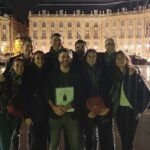
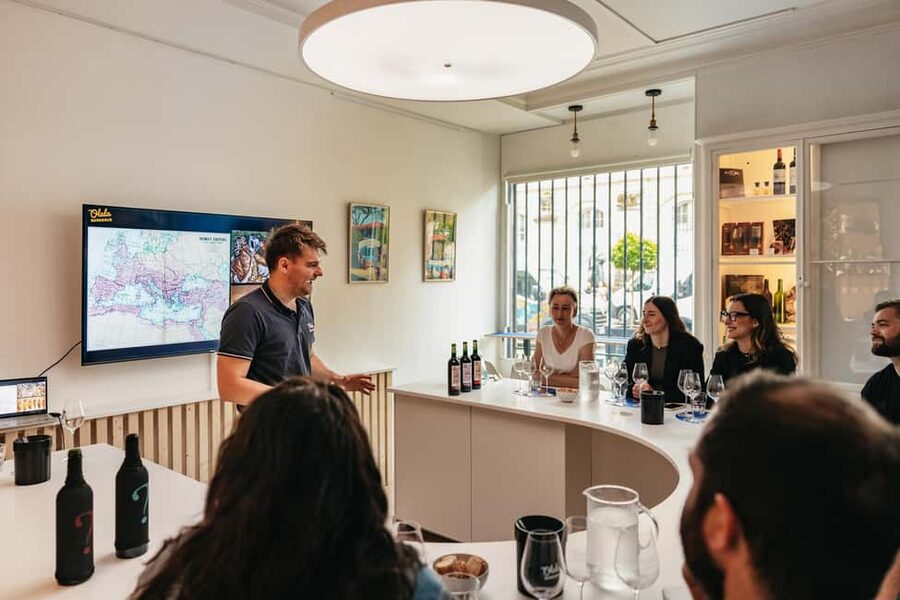
You meet at Olala Bordeaux, a five-minute walk from Quinconces tram stop. You can take tram lines B, C, or D, which keeps this activity easy to slot into your day. The class also sits in the city center area described as very close to the Grand Theatre, which is a big deal when you’re tired from walking and just want to be settled fast.
I like city-center wine activities for one simple reason: you don’t need a taxi run after. You can plan a normal Bordeaux day—morning sightseeing, class mid-day or afternoon, then keep wandering with less hassle.
The Tasting Flow: White First, Then Five Reds, Then Left Bank vs Right Bank
The best part of this masterclass is the order. It trains your palate like a workout plan.
Step one: 1 white wine to calibrate your senses
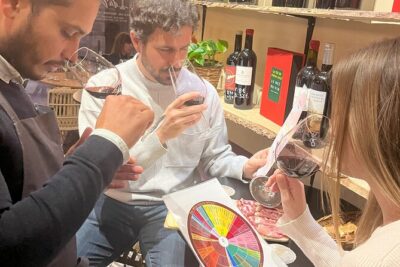
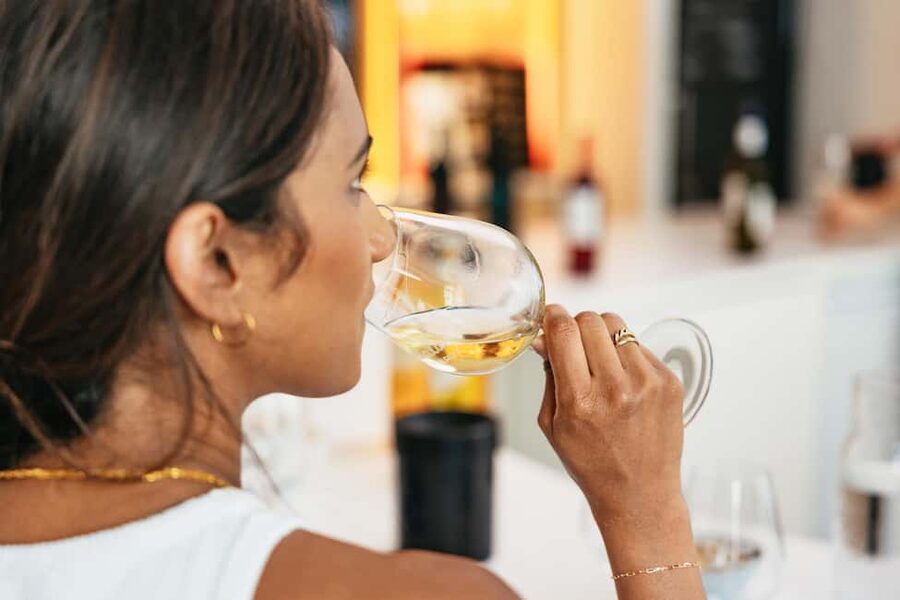
You begin with a white glass. The goal isn’t to debate whether you like it or not. It’s to get your senses working—visually, aromatically, and then on taste—using a method meant to be universal. Once you understand the steps, the next wines stop feeling random.
Step two: 3 single-grape regional reds
Next come three glasses of single-grape red wines from Bordeaux. This is where the class gets more useful. Instead of blending everything together, you taste wines tied to specific grape characteristics. That helps you learn what changes when you move through the Bordeaux red profile.
And because the Bordeaux region is known for blending practices, tasting single-grape wines also gives you a clearer mental picture of why blends work. You start seeing the components before they’re mixed.
Step three: 2 fine reds to compare banks (and a grand cru)
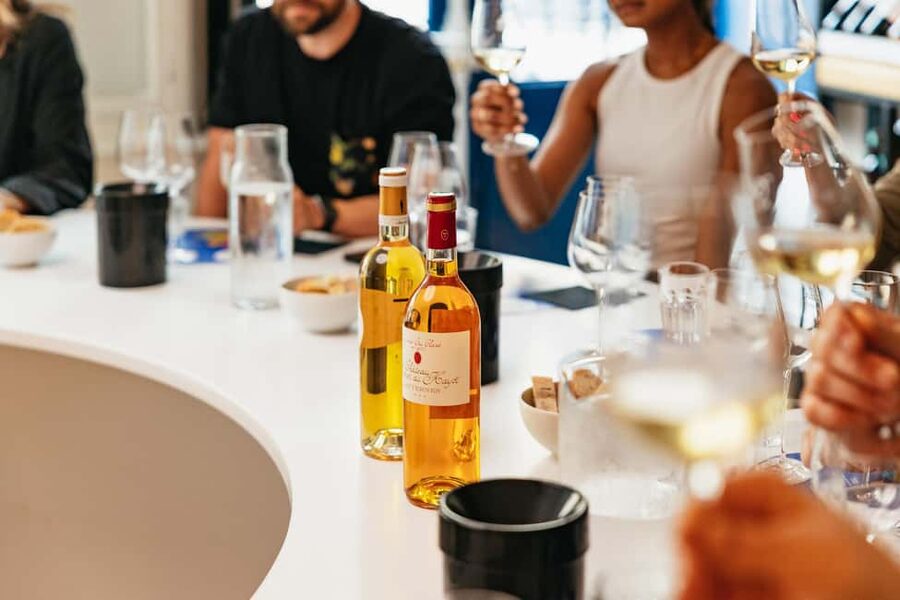
Finally, you taste two fine wines: one from the left bank and one from the right bank. One of these is a Bordeaux grand cru, which makes the ending feel special without turning it into a snob fest.
This left-bank vs right-bank pairing is one of those lessons that can change how you shop later. When you taste both, the labels start to mean something. You’re not memorizing geography—you’re connecting geography to flavor.
How the Class Teaches Terroir, Classification, and Winemaking Without Boring You
Wine terms can be a trap. They sound important, then you forget them. This class tackles the trap by teaching the meaning and then immediately tying it to what you taste.
Here’s what you learn as concepts, in plain terms:
- Terroir: why the land matters
- Grape varieties: what grapes contribute
- Appellation: what the rules try to protect
- Classification: how certain estates fit into Bordeaux’s system
- Vinification and winemaking: what happens from grape to wine
- Aging and storage: why time and conditions change character
- Wine service: how serving choices affect what you experience
In particular, I like that the guide teaches storage and aging, not just tasting vocabulary. Those parts explain why a wine can taste different from bottle to bottle or behave differently when opened.
Also, the class is designed for multiple levels. Some guides lean more beginner-friendly, while others add extra detail if you ask. That flexibility is part of what keeps this experience scoring so high across sessions.
One extra note: a few hosts have used tools like an aroma-focused kit to help practice smells. Even when those extras aren’t present, the class still pushes you to use scent as a key part of tasting—not just sugar-and-acid guessing.
Cheese and Charcuterie: The Pairing Portion That Makes It Stick
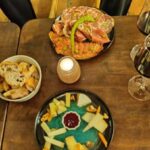
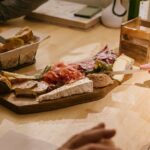
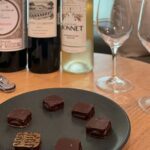
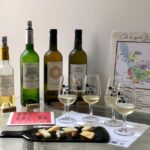
You don’t just taste wine and move on. You eat. And that’s not filler. The cheese and charcuterie board (with baguette and water) is part of the lesson plan because it forces you to notice how flavors interact.
Charcuterie brings salt, fat, and savory aromas. Cheese adds dairy richness and texture. Together, they create a consistent tasting environment so your brain can separate wine character from meal randomness.
This kind of pairing also helps you learn something practical for restaurants: you start noticing what works with red wines in Bordeaux style, and what can overpower delicate notes. You leave with a better sense of how to order food that supports the glass rather than fights it.
Instructor Energy: The Difference Between Memorizing and Understanding
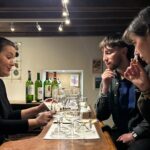
The class is led by an English- and French-speaking instructor, and the tone matters. The most praised sessions share one theme: the guide enjoys teaching, and they keep explanations clear enough that you can follow along without blinking.
Guides such as Antoine, Hugo, Anna, Enzo, Vincent, and Xavier have been listed for different run-throughs. You might get one of these hosts, or another instructor, but the goal stays the same: you learn to taste.
That shows up in how people describe the experience—smile-inducing explanations, quick sensory practice, and answers to questions that actually help you taste better the next night. Some sessions also include fun mini-challenges like blind-style testing, which can make the tasting method feel real rather than theoretical.
Who This Bordeaux Wine Masterclass Is For (and Who Should Skip It)
This is a strong match if:
- you want to understand Bordeaux beyond a quick souvenir bottle
- you like hands-on tasting with guided technique
- you’re curious about left bank vs right bank styles
- you want a structured class that includes food pairing, not just wine
It may be less ideal if:
- you’re traveling with kids under 16 (the class doesn’t allow them)
- you’re bringing pets (pets aren’t allowed)
- you only want a light tasting with no education component
- you’re looking for a vineyard visit, because this is a wine bar masterclass, not a drive-out countryside day
It’s also worth noting that the wines and schedule may vary, while the overall quality of the experience stays the same. So if you’re chasing a specific bottle name, you’ll need to treat this as an educational program rather than a guaranteed exact lineup.
Price and Value: Why $53 Makes Sense Here
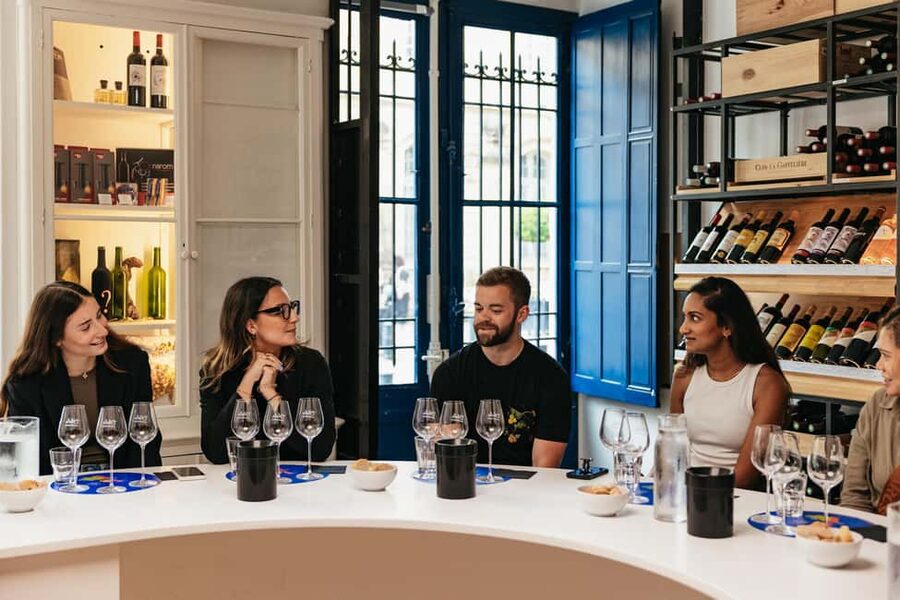
Let’s talk value in a way that helps you decide.
For $53, you get:
- a 90-minute guided class
- 1 white wine plus 5 red wines
- a cheese and charcuterie board, baguette, and water
- informative brochures
Most tasting rooms sell a few pours and call it a deal. Here, the structure matters. You’re not just drinking; you’re learning how to taste and how to interpret Bordeaux concepts. The pairing also adds practical value. Food makes the tasting more memorable and helps you apply what you learn when you eat later.
And the classroom setup in a central location cuts costs in a different way: it reduces your need for extra transport or juggling time. That’s real value when your Bordeaux days are already packed with walking and planning.
Quick Practical Tips Before You Go
- Plan to arrive with curiosity. The class is built around learning steps, not just scoring flavors.
- Eat lightly beforehand if you tend to get full fast—your board is part of the pairing.
- If you can, take a photo of any tasting notes or key terms you’re given. You’ll thank yourself later when you’re ordering at a restaurant.
- Don’t panic about the jargon. You’ll learn the terms as you taste.
Should You Book Bordeaux: Wine Masterclass with Cheese and Charcuterie?
Book it if you want a Bordeaux experience with a clear payoff: tasting technique you can use again, a structured look at Bordeaux reds, and a food pairing that makes the lesson easier to remember.
Skip it if you need a kid-friendly outing (it’s not suitable under 16), you’re traveling with pets, or you’re only in town for quick sips and zero education. Also treat it as a city masterclass, not a countryside vineyard day.
If you’re aiming for one solid wine stop in Bordeaux that blends learning, sipping, and eating in 90 minutes, this is an easy yes. The consistently high score (4.9 overall) fits the vibe: people leave understanding what they tasted and how to taste it better next time.
FAQ
How long is the Bordeaux wine masterclass?
The experience lasts 90 minutes.
How much does it cost?
The price is $53 per person.
What wines are included in the tasting?
You’ll have 1 white wine and 5 red wines, including two fine wines at the end (one from the left bank and one from the right bank, with one being a Bordeaux grand cru).
Is cheese and charcuterie included?
Yes. The class includes a cheese and charcuterie board, plus baguette and water.
Where is the meeting point?
Meet at Olala Bordeaux, a five-minute walk from Quinconces tram stop. Tram lines B, C, or D can get you there.
What languages are available for the instructor?
The instructor speaks English and French.
Is it suitable for children or pets?
No. Children under 16 and pets aren’t allowed.
Can I get a refund if I cancel?
Free cancellation is available up to 24 hours in advance for a full refund.
Can I book without paying right away?
Yes. You can reserve now and pay later.