REVIEW · BORDEAUX
Professional – Bordeaux Wine and Cheese Tasting with a walking tour
Book on Viator →Operated by Free Walking Tours Bordeaux · Bookable on Viator
Wine, cheese, and Bordeaux history on one easy walk. This tour strings together Chartrons wine-merchant streets and classic landmarks, then ends with a guided tasting built for learning your palate.
I especially like how the walk gives you context for what you’ll taste, from the Port de la Lune nickname to the foreign traders who helped shape Bordeaux wine. I also love the blind tasting format: you sniff, sip, and get pairing guidance with four Bordeaux bio wines and a cheese platter.
One thing to consider: several big sights, like the bridges and the Cité du Vin, are seen from a distance, not up close. Good weather helps too, since this is an outdoor walking tour.
In This Review
- Top reasons this tour works
- Chartrons first: Port de la Lune and the streets that shaped Bordeaux wine
- Quais de Bordeaux and the river trade story you can actually picture
- Pont de Pierre: Napoleon’s bridge, and why wine and power get mentioned together
- Pont Jacques Chaban-Delmas: modern engineering, plus new-tech winemaking talk
- Eglise St Louis des Chartrons: a church that anchors the neighborhood
- Cité du Vin spotted from afar: why seeing it helps even without going in
- Twin houses on the quay: foreign merchants and Bordeaux’s international pull
- The highlight: a sommelier-led blind tasting with four Bordeaux bio wines
- Pairing your way through Bordeaux: how to actually taste what you’re drinking
- What you’ll see versus what you won’t: timing, viewing, and realistic expectations
- Price and value: why $78.64 can make sense in Bordeaux
- Who should book this tour, and who might want to skip it
- Should you book this Bordeaux wine-and-cheese walking tour?
- FAQ
- What’s included in the tasting?
- How long is the tour?
- What language is the tour?
- How many people are in a group?
- What happens if the weather is poor?
- Is cancellation allowed?
Top reasons this tour works
- Chartrons wine-merchant streets with UNESCO-listed port-area atmosphere
- River Garonne viewpoints that make the trade story feel real
- Pont de Pierre and Pont Jacques Chaban-Delmas seen from the riverside, with wine links to each era
- Eglise St Louis des Chartrons for local architecture and history context
- Cité du Vin in sight so you connect what you see today to wine regions and grapes
- Sommelier-led blind tasting using four Bordeaux bio wines (white, reds, sweet) paired with French cheese
Chartrons first: Port de la Lune and the streets that shaped Bordeaux wine
If you want to understand Bordeaux wine fast, start in Chartrons. The tour begins at 64 Quai des Chartrons, in the heart of the old wine merchant area. This waterfront stretch is tied to the port nickname Port de la Lune, a name that dates back to the 17th century and helps explain why Bordeaux became a wine powerhouse.
What I like about this start is how it sets a mindset. You’re not just walking to pretty buildings; you’re walking through the trade route logic behind Bordeaux wine. Your guide connects the dots as you go, so when tasting time arrives, you already know what to look for on a label and how producers fit into the broader story.
Expect the pacing to feel relaxed. Even early on, the stops are timed to give you a photo moment and then a quick explanation, not a marathon. With a group size capped at 15, it stays small enough for questions to land.
You can also read our reviews of more tours and experiences in Bordeaux.
Quais de Bordeaux and the river trade story you can actually picture
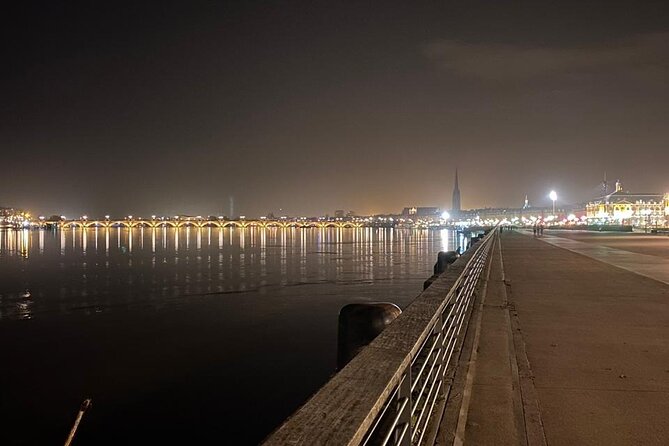
Next comes a riverside stretch along the Quais de Bordeaux. Here you get views over the Garonne, plus practical talk about the port and wine trade. Standing on the quay helps you understand why Bordeaux built its reputation through shipping and export. It’s hard to grasp that from a museum label alone, but it clicks when you see the river corridor and the direction of movement.
This section is also a nice reset point. You get the skyline and water scenery, and your guide can keep building the wine story without rushing you. If you’re the type who usually skips “history talk,” this is the kind that stays attached to real geography.
Pont de Pierre: Napoleon’s bridge, and why wine and power get mentioned together
At Pont de Pierre, you’ll get one of Bordeaux’s oldest bridges, dating to the early 19th century. The big headline here is the connection to Napoleon Bonaparte, plus the way your guide links wine, kings, and influence across eras.
A practical note: the monument is not visited close-up. You’ll stand for viewing and explanation from the river side, then move on. That’s not a deal-breaker, but if you love getting right up to landmarks, manage your expectations before you go.
Still, I think this stop earns its place. Bordeaux wine didn’t grow in a vacuum. You’ll hear how prestige, power, and trade intertwined, and that helps you interpret why certain regions and styles gained attention over time.
Pont Jacques Chaban-Delmas: modern engineering, plus new-tech winemaking talk
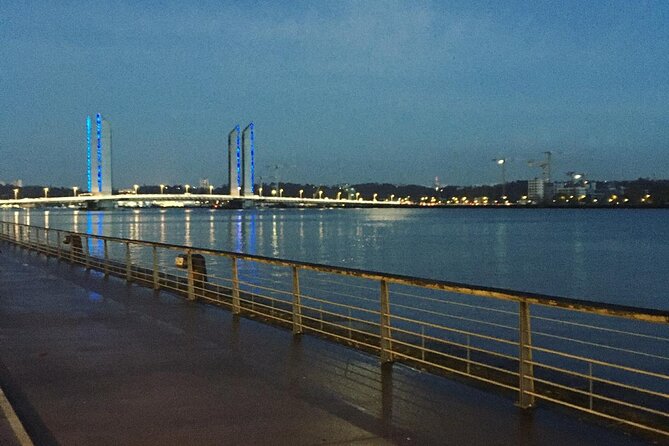
The tour continues north with views of Pont Jacques Chaban-Delmas. Again, you’re seeing the structure from a distance, but you get an explanation of the technology behind the bridge design—and how your guide connects that to new technologies used in wine production.
This is a smart pairing. Instead of treating old Bordeaux as a museum piece, it nudges you toward the idea that wine evolves. Even if the bridge is literal concrete and steel, the comparison is useful: today’s winemaking tech (in general terms) is often about consistency, precision, and preserving flavor—not about changing what wine is.
If you’re a first-timer, this kind of bridge-to-wine link helps you stop thinking of wine as one fixed tradition. Bordeaux is old, yes, but it’s not frozen.
Eglise St Louis des Chartrons: a church that anchors the neighborhood
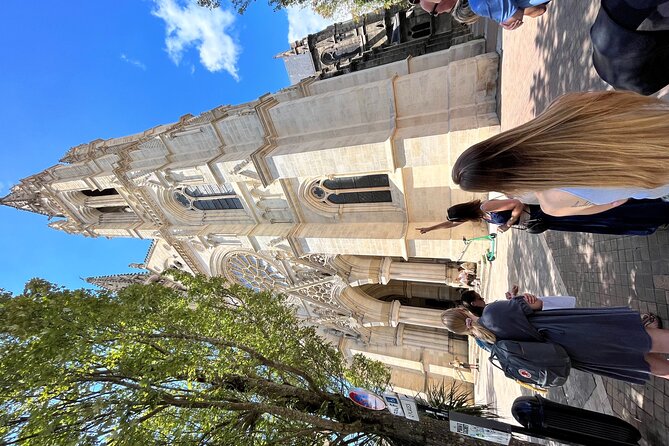
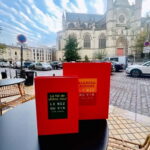
The walk then brings you to Eglise St Louis des Chartrons, one of the area’s most iconic churches. The guide uses this stop to talk about what you’re seeing and why it matters in the neighborhood’s history.
This is one of those stops that can sound like filler if you only care about wine. But in Bordeaux, religious and civic architecture often tracks with the wealth and identity of periods connected to trade. Even without going inside, you get a strong sense of local scale and character.
You’re also learning how to read the area. Chartrons has a look and feel that’s distinct from the more central tourist zones, and that helps you appreciate why the wine merchants planted themselves here in the first place.
Cité du Vin spotted from afar: why seeing it helps even without going in
You’ll also spot Cité du Vin up the river to the north. It’s described as the biggest wine exposition museum in the world, with a very modern, 21st-century design. On this tour, you don’t go in, but your guide still uses the sight of the building to bring in the bigger wine-map view.
The value here is mental. When you can see the museum from the street, you get a real sense of where wine education fits into Bordeaux today. You’ll also get talk about wine regions and grape varieties, which sets you up to recognize what you’re drinking later—especially when you taste multiple styles in one sitting.
If you’re tempted to add the museum afterward, this tour helps you decide whether it’s worth your time based on what you learned on the walk.
Twin houses on the quay: foreign merchants and Bordeaux’s international pull
At 29 Quai des Chartrons, you’ll see the Maisons Jumelles twin houses. The tour frames them in a way that feels practical: you learn how a foreign wine merchant lived there, and why foreign involvement mattered in Bordeaux’s wine trade.
This stop is a great reminder that Bordeaux wine history isn’t just French names on French labels. The port connected people and money across borders. That international angle also helps you understand why Bordeaux wine styles can feel both local and broadly global—especially when you start tasting.
The guide keeps it human: this isn’t a list of dates, it’s a story anchored in places.
The highlight: a sommelier-led blind tasting with four Bordeaux bio wines
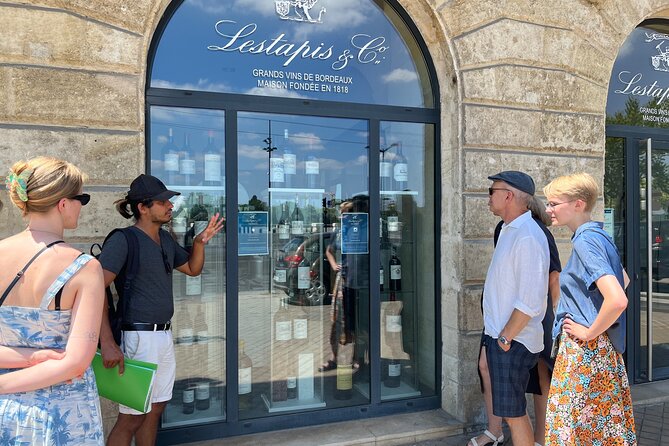
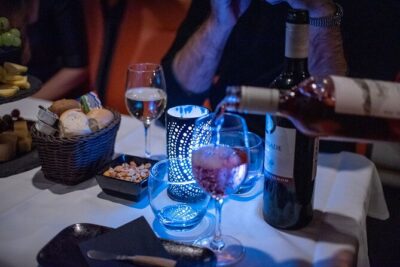
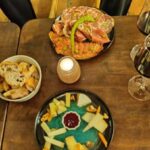
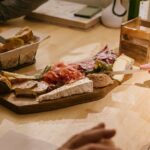
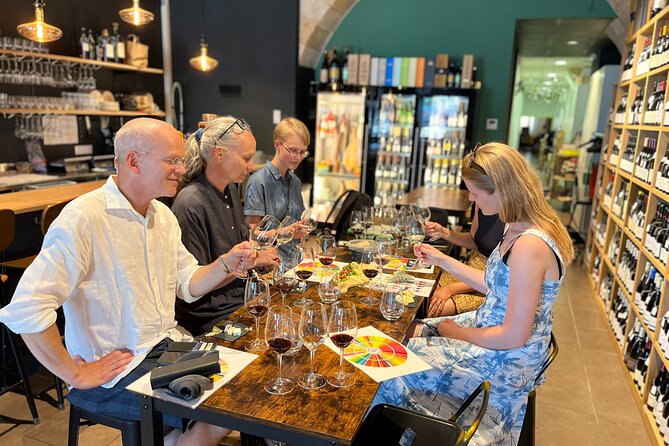
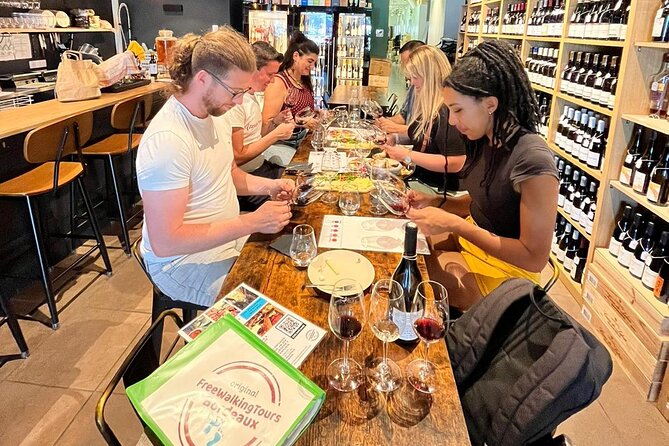
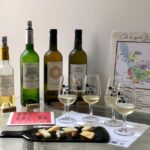
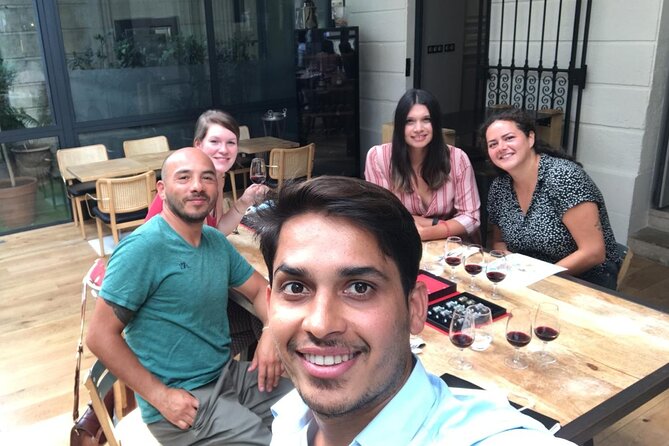
Now for the part that makes people book this tour in the first place: the wine and cheese session in a local wine bar. It’s set up as a blind tasting, so you focus on what you notice rather than what you think you know.
The sample menu is clear and generous:
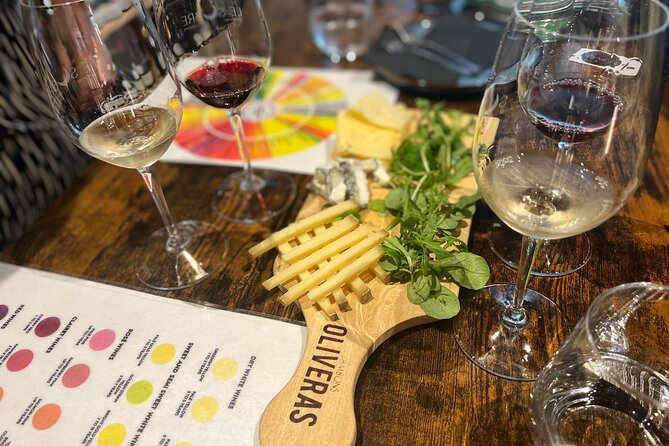
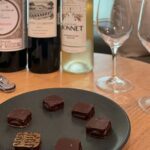
- 4 Bordeaux bio wines: 1 white, 2 reds, and 1 sweet
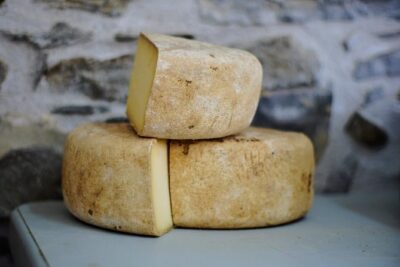
- Paired with an assorted French cheese platter
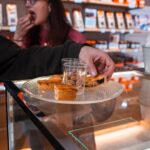
- Served with cheese and baguette as part of the tasting experience
A blind tasting changes your whole approach. Instead of hunting for hints like grape names or producer reputation, you learn how aroma and taste shift across styles. You’ll practice sniffing and sipping as your guide walks you through what to notice, and then you’ll match the wines with the cheeses.
This is also where different guides’ styles really show up. In past sessions, guides such as Adrian and Clemence have used games and label-logic tips to help people learn faster. Some groups also mentioned a game-show style competition around the four wines, which is a fun way to keep everyone engaged when you’re trying to separate sweet, fresh, earthy, and richer notes.
Why I think the blind format is valuable: it makes you better at wine selection at home. You start trusting your palate instead of only trusting branding.
Pairing your way through Bordeaux: how to actually taste what you’re drinking
You’ll be tasting multiple wines in one block, and that can feel overwhelming if you don’t have a method. Here’s a simple way to ride the momentum:
- Smell first, then sip slowly. Let the flavors sit for a second before you decide what you’re tasting.
- Ask yourself how it changes with cheese. Cheese isn’t just filler here. It’s part of the training.
- Pay attention to the sweet wine last. It’s easy to overcorrect if you hit sweet too early.
Your guide should explain wine and food matching as you go. One reason this tasting lands well for first-timers is that it doesn’t treat wine knowledge like trivia. It treats it like sensory skill.
Also, keep in mind the tour duration. The entire experience runs about 2 hours, including walk time. That means you won’t have a long course of lectures. You’ll get enough structure to leave with usable takeaways, not just pleasant drinks.
What you’ll see versus what you won’t: timing, viewing, and realistic expectations
This tour is built for a light, efficient city loop. Several major landmarks are presented with good explanation and photo opportunities, but you’re not going right up to every monument. Bridges and Cité du Vin are spotted from the route, not visited close-up.
That’s not a flaw; it’s the tradeoff for the tight format and the tasting portion. If you come to Bordeaux wanting a deep museum day, you’ll likely want to add separate time for Cité du Vin later. If you want a smart first afternoon that blends context with tasting, this setup fits well.
Weather also matters. The tour requires good weather, and one report noted rain didn’t stop the day from being enjoyable. Still, if the skies are questionable, bring a light layer and expect the guide to keep things moving.
Price and value: why $78.64 can make sense in Bordeaux
At $78.64 per person, you’re paying for more than a casual glass-and-pretend walking tour. The price includes:
- An English walking tour with multiple stops through Chartrons
- A guided blind tasting featuring four Bordeaux bio wines
- Pairing with assorted French cheese and baguette
- A small group size (maximum 15), which usually means better interaction time
The biggest value lever is that you’re getting a structured tasting, not just sampling. People often spend a similar chunk of money for wine-only experiences and leave with fewer practical lessons. Here, the pairing and blind format push you toward real learning.
And because the walk portion gives you historical and geographic context, the tasting hits differently. You’re not only drinking; you’re connecting what you taste to how Bordeaux became Bordeaux.
Who should book this tour, and who might want to skip it
This works best for you if:
- It’s your first time in Bordeaux
- You want a short afternoon plan that mixes city sights and tasting
- You like learning through doing (smell, sip, match)
- You appreciate small-group guides and Q&A
You might consider another option if:
- You want to go inside major monuments or museums on this day (this route mostly shows things from the street)
- You hate any chance of a tasting venue setup issue. In rare cases, one guest reported a venue problem like no electricity, and another noted their experience was modified when group numbers were low. Those aren’t guaranteed outcomes, but they’re worth knowing if you’re picky about comfort.
Should you book this Bordeaux wine-and-cheese walking tour?
If you’re trying to make the most of limited time in Bordeaux, I’d say yes. This tour gives you a clean on-ramp into Chartrons, the port trade story behind Bordeaux wine, and a tasting that actually trains your palate with a blind format.
Book it if you want a practical afternoon: walk through the wine merchant streets, get the city context from a guide, then end with four Bordeaux bio wines and cheese pairing guidance. If you prefer long museum time or up-close monument visits, you’ll still enjoy it, but you may want to pair it with extra independent sightseeing.
Either way, you’ll leave with more than photos. You’ll leave knowing how to taste Bordeaux with purpose.
FAQ
What’s included in the tasting?
The tasting includes four Bordeaux bio wines: 1 white, 2 reds, and 1 sweet, paired with an assorted French cheese platter. Baguette is also part of the pairing.
How long is the tour?
The experience runs about 2 hours (approx.), and travel time is included in that duration.
What language is the tour?
The tour is offered in English, and you’ll receive a mobile ticket.
How many people are in a group?
The maximum group size is 15 travelers.
What happens if the weather is poor?
The tour requires good weather. If it’s canceled due to poor weather, you’ll be offered a different date or a full refund.
Is cancellation allowed?
Yes. You can cancel up to 24 hours in advance for a full refund. If you cancel less than 24 hours before the start time, the amount paid is not refunded.