REVIEW · BORDEAUX
Tasting of Bordeaux red wines, wine and charcuterie pairings
Book on Viator →Operated by I love my 2cv · Bookable on Viator
One of the easiest ways into Bordeaux reds. In about an hour, you’ll taste your way through what makes the region tick, with a small group (max 6) that leaves room for questions and real discussion. I like the way the hosts connect wine choices to what you can actually smell and taste, not just fancy labels.
I also like that you get more than sips: you’ll receive a tasting booklet so you can keep learning after you leave Bordeaux. One drawback to keep in mind is the time is tight, so it’s not the kind of tour where you sit forever with one bottle and go ultra-deep on every topic.
In This Review
- Key Things to Know Before You Go
- Bordeaux Reds, Explained Like You Can Taste It
- Small Group Format: Max 6 and Lots of Q&A
- The Tasting Flow: Four Wines, Pairings, and Two Extra Moments
- The four main wines
- The mystery glass
- The mature wine
- Charcuterie-style pairing bites
- Left Bank vs Right Bank: Your New Bordeaux Cheat Sheet
- Left Bank: structured and built
- Right Bank: softer, fruit-forward
- How You Learn to Taste: Train Your Nose, Then Your Brain
- Where the Tasting Happens: Stone Room, Courtyard, or Cellar
- Price and Value: What You’re Really Paying For
- Practical Logistics That Matter (Without Making It Complicated)
- Who Should Book This Bordeaux Wine Tasting
- Should You Book This Tour?
- FAQ
- FAQ
- How long is the Bordeaux red wine tasting?
- How many wines will I taste?
- Is the tasting in English?
- What’s included besides wine?
- How big is the group?
- Where does the tour start?
Key Things to Know Before You Go
- Max 6 people means you’ll get answers, not just a lecture
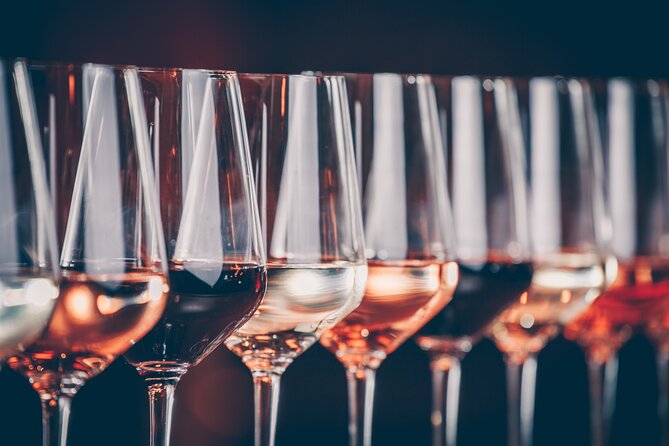
- Four Bordeaux red wines plus a mystery glass and a mature wine
- Pairings of each wine with deli-style bites
- You’ll learn Left Bank structure vs Right Bank softness
- Season and setup can change the room (stone room, courtyard, or cellar)
- English is offered, with a certified expert hosting the session
Bordeaux Reds, Explained Like You Can Taste It
Bordeaux can feel intimidating if you’ve only heard the basics: reds are famous, whites are less talked about. This experience helps you get past that. You’ll learn to focus on what matters in the glass—aroma, texture, balance—then connect those sensations to where the grapes come from and how the wine is made.
The big theme is simple: Left Bank and Right Bank taste different because grapes and winemaking traditions differ. You’ll hear it framed around the Left Bank style (more structured) and Right Bank style (often softer and fruitier). That structure vs softness contrast is a fast mental shortcut. Once it clicks, you start tasting Bordeaux with a clearer map in your head.
You can also read our reviews of more tours and experiences in Bordeaux.
Small Group Format: Max 6 and Lots of Q&A
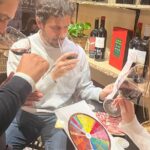
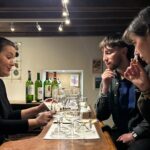
This tasting is built for conversation. With a maximum of six people, you’re not competing for attention. You should feel comfortable asking questions about anything from how to spot grape differences to why two Bordeaux bottles can taste nothing alike.
Your hosts are certified experts, and the session is led by Mathilde and Cécilia. Depending on the date, you may also encounter Ilona as a host. In every case, the goal is the same: keep it practical. The tone is friendly and educational, with plenty of chances to ask your wine host to slow down or explain a point in a different way.
If you like learning by doing, this format works well. You taste, you talk, you connect. If you’re traveling with someone who isn’t a wine nerd, this also helps. One person can ask the technical question, while the other can focus on what sounds delicious to them.
The Tasting Flow: Four Wines, Pairings, and Two Extra Moments
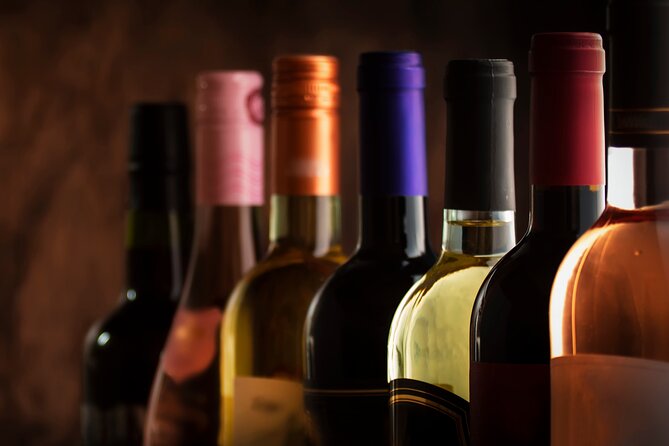
The session is short—about one hour—but it packs in a lot of learning. Here’s the core rhythm you can expect.
The four main wines
You’ll taste four carefully chosen wines. Some are mono-varietals or blends, selected from family estates, including options tied to organic practices and grand crus. That mix matters. It helps you realize Bordeaux isn’t one single style. It’s a whole family of styles shaped by terroir, grape decisions, and how the wine is aged.
The mystery glass
There’s also a mystery glass included. That’s not just for fun. It trains your attention. You’ll start relying less on guessing based on the label and more on what you actually notice—fruit character, acidity, tannins, and overall texture.

The mature wine
You’ll also taste a mature wine. This is one of the most useful parts for a practical traveler. Young Bordeaux can taste tight, even a bit austere. With age, you often get changes in aroma and a smoother texture. Tasting a mature bottle in the same session gives you a real reference point for what aging can do.
Charcuterie-style pairing bites
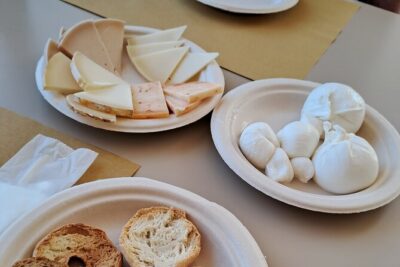
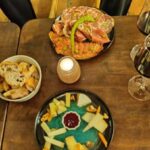
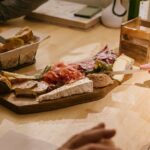
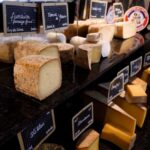
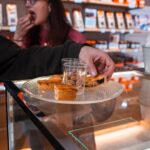
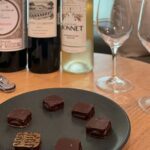
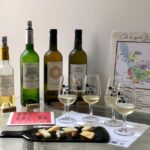
Each wine comes with delicatessen bites matched to its flavors. Pairing isn’t just about being fancy. It teaches you how food changes perception: acidity can feel sharper with one bite and softer with another; tannins can seem smoother or more drying depending on what you’re eating. If you’ve ever wondered why a wine tastes better at dinner than it does alone, this is the fastest way to learn the mechanism.
One small consideration: the pairing focus can be meat-forward. If you were expecting a plate that’s heavy on cheese, you might find it’s more about charcuterie items than dairy. It’s still a classic Bordeaux pairing approach, but it can differ depending on what’s served that day.
Left Bank vs Right Bank: Your New Bordeaux Cheat Sheet
This is where the tasting becomes memorable. Bordeaux is famous for variety, and the hosts make it easier to understand by tying style to geography.
Left Bank: structured and built
The session frames the Left Bank as more structured, with Sauvignon Cabernet associated with the Médoc style. What that means in the glass is often a stronger backbone—more tannin structure, more grip, and aromas that can feel darker or more tightly focused.
Right Bank: softer, fruit-forward
The Right Bank gets described as softer and fruitier, with Merlot associated with Saint-Émilion. In tasting terms, Merlot-driven wines often feel rounder in texture, with smoother tannins and fruit that reads more readily on the first sip.
The practical value here is huge. After this tasting, you can walk into a wine shop and make better picks without needing to memorize every producer. You’ll still need to read labels, of course. But you’ll start with a sense of what to expect from the region style before you even open the bottle.
How You Learn to Taste: Train Your Nose, Then Your Brain
The hosts don’t just hand you glasses. They help you build a tasting routine. You’ll learn how to notice aromas more confidently and how to describe what you’re sensing in a useful way.
A key skill you’ll practice: how aromas shift and how they connect to grape variety, terroir, and winemaking choices. You’ll also practice thinking in terms of balance—how fruit, acidity, tannin, and alcohol relate to each other. That kind of thinking is what makes wine more fun, not harder.
Food changes everything, too. Since each wine comes with pairings, you can compare how the wine behaves in different moments: on its own, then with the deli bites. This is the easiest way to learn that a wine you didn’t love at first can become enjoyable once it meets the right flavor partner.
If you want to get the most out of the hour, do this: take quick notes right when something surprises you. Aroma impressions fade fast once the tasting keeps moving. A few short words—red fruit, pencil lead, dried herbs, firm tannin—will help you use the booklet later.
Where the Tasting Happens: Stone Room, Courtyard, or Cellar
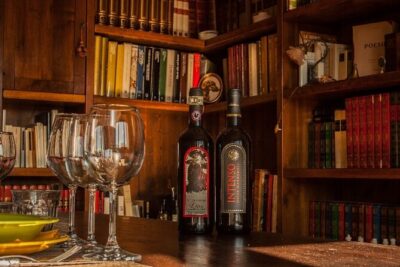
The experience can take place in different spaces depending on the season: a stone room, a private courtyard, or a cellar. That change isn’t just about atmosphere. It affects how the tasting feels.
- In a stone room, you often get a cooler, still quality that can make flavors seem more focused.
- In a private courtyard, the mood can feel lighter and more relaxed.
- In a cellar, the setting can make aging discussions feel more real, because you’re physically surrounded by the wine world.
You don’t need to guess which one you’ll get. Just know that the setting may change, and the hosts adapt. The tasting remains the centerpiece.
Price and Value: What You’re Really Paying For
At $46.99 per person, this tasting sits in a reasonable zone for an expert-led, curated wine session in a major wine city. The value comes from three things.
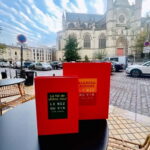
First, you’re getting four wines plus additional moments with a mystery pour and a mature wine, not just a couple of basics. Second, you’re learning structure and style using Left Bank vs Right Bank comparisons that make future wine shopping easier. Third, you get a tasting booklet to take home, which turns a one-hour experience into something you can keep using.
If you’re planning to buy bottles later, this kind of guided tasting can actually save money. You’re more likely to choose wines that match what you like, rather than guessing.
Practical Logistics That Matter (Without Making It Complicated)
The meeting point is 25 Av. Thiers, 33100 Bordeaux. The session ends back there.
You’ll get a mobile ticket, and the tour is in English. It’s near public transportation, and service animals are allowed. The time estimate is about one hour, which makes it a good fit for a Bordeaux day that also includes walking the city.
If you’re the type who hates waiting around for long tours, this short format is a plus. You can slot it between meals and keep your day moving.
Also note: it’s often booked ahead, with an average booking window of about 18 days. If your travel dates are fixed, booking sooner will keep you from scrambling.
Who Should Book This Bordeaux Wine Tasting
This works best if you want a sharper understanding of Bordeaux without leaving the city.
You’ll likely enjoy it if:
- You like wine but don’t want to feel out of your depth.
- You want a clear model for Bordeaux reds, especially Left Bank vs Right Bank.
- You learn well by tasting, comparing, and asking questions.
- You want a take-home tool (the tasting booklet) to guide future choices.
It’s also a good option if you’re traveling with someone who just wants a fun afternoon. The pairing bites keep things approachable, and the small group size helps keep the pace human.
One more point: the hosts can adapt to white lovers. The session is still framed around Bordeaux reds, but it’s reassuring that they can make adjustments depending on your preferences.
Should You Book This Tour?
If you’re in Bordeaux for even a short stay, I’d say yes, book it. The combo of an expert-led, small-group format plus four wines (with a mystery glass and a mature wine) gives you real learning fast. The Left Bank/Right Bank framing turns Bordeaux from a wall of labels into something you can actually taste and predict.
Skip it only if you want a long, countryside-style wine excursion with hours of vineyard time. This is a classroom-by-glass experience inside the city, designed for clarity and confidence.
FAQ
FAQ
How long is the Bordeaux red wine tasting?
It lasts about one hour.
How many wines will I taste?
You’ll taste four different Bordeaux wines, plus there’s a mystery glass and a mature wine.
Is the tasting in English?
Yes. The experience is offered in English.
What’s included besides wine?
Each wine comes with snacks/delicatessen pairings, and you also receive a tasting booklet to take home.
How big is the group?
The tour has a maximum of six travelers.
Where does the tour start?
The start (and end) point is 25 Av. Thiers, 33100 Bordeaux, France.