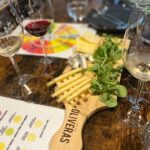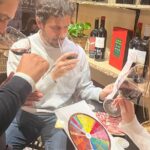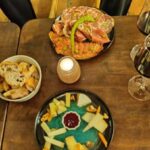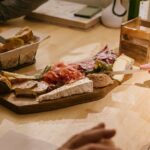
A Louis XV oven sets the tone. This Bordeaux food tour pairs that 1765 bakery oven with hands-on French cheese and wine matching in the Chartons wine district. I especially love the way you get pain Gascon plus clear pairing guidance, so the tastings feel fun and understandable, not random bites.
One thing to consider: the whole experience is about 2 hours, so you’ll want to come hungry and pace yourself with the wine.
In This Review
- Key highlights you’ll care about
- Chartons: where bread, cheese, and wine feel like everyday culture
- The route and timing: 2 hours that still feel complete
- The bakery visit: an oven built under Louis XV
- A quick look at the market hall and St Louis des Chartrons church
- Fromagerie time: choosing cheese like it’s part of the conversation
- Dietary needs: real support, not last-minute panic
- The wine shop finish: Southwest France selection and pairing logic
- How the bread and cheese pairings actually work (and how you can use what you learn)
- Price and value: what $104.53 buys you in real terms
- Who should book this tour (and who might not)
- Should you book the Cheese, Wine, and Bread pairing tour?
- FAQ
- How long is the tour?
- Where does the tour start and end?
- Is an English-speaking guide included?
- Is food and wine included?
- Are alcoholic beverages included for everyone?
- What size is the group?
- Can the tour accommodate vegetarian or dietary restrictions?
- What kinds of bread and cheese will I taste?
- Is there a mobile ticket?
- What is the meeting neighborhood like?
- Can I cancel for a full refund?
Key highlights you’ll care about
- 1765 oven under King Louis XV: you see it up close and connect it to real bread traditions
- Pain Gascon tasting: a regional bread moment that actually helps you learn the pairing logic
- Artisanal fromagerie selection: you choose cheeses for your tasting, not just watch from afar
- Southwest France wine shop range: you’ll compare styles and learn how left/right bank thinking shows up
- Small group size (max 8): easier questions for your guide and a more relaxed table pace
Chartons: where bread, cheese, and wine feel like everyday culture
Bordeaux’s Chartons neighborhood is a smart place for this tour. You’re not stuck in a theme-park food zone. You’re in the part of the city historically known as the wine district, with specialty shops and antique dealers mixed in, so the whole morning feels local.
I like that the plan connects food to place. Bread isn’t treated like a souvenir. Cheese isn’t treated like a museum piece. Wine isn’t treated like a lecture. It’s all meant to work together at your table.
And the best part is the format: start with bread-making context, then move to cheese selection, then end with a pairing discussion. That sequence makes your choices make sense.
You can also read our reviews of more tours and experiences in Bordeaux.

The route and timing: 2 hours that still feel complete
The tour runs for about two hours and uses a mobile ticket. You start at 27 Rue Camille Godard (near public transportation), and the tour ends at 6 Rue Notre Dame. It’s short enough to fit into a busy day in Bordeaux, but it doesn’t feel like a “run-and-gobble” situation.
You’ll be walking between several stops, including a couple of sights, so wear shoes that handle uneven streets. The pace is friendly, but remember the time window. Come with an appetite and a willingness to slow down for tastings.
Also, this experience doubles as lunch for most people. Even if you’re also planning another meal later, I’d still plan to treat this as your main food hit.
The bakery visit: an oven built under Louis XV
The tour begins with one of Bordeaux’s most unusual bakeries, with an oven built in 1765 under King Louis XV. Seeing the oven close-up gives you a concrete reason why French bread can taste so different from what you’re used to. It’s not just flour and water. It’s heat, timing, and tradition.
You’ll learn about traditional bread-making and what makes certain breads work at the table. That matters later because pairing isn’t only about flavor. It’s about texture too: crust, crumb, and how bread handles salt and fat.
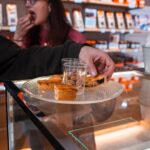
A standout here is the tasting of regional specialties like pain Gascon. I like that you’re given a specific bread to taste, not just general “try something.” That gives you a baseline when you start eating cheese. You’ll notice how certain cheeses feel more balanced when bread brings a gentle, wheaty support.
Practical note: since the tour includes food and wine, this is one of those times where you should skip breakfast or go light beforehand. You’ll enjoy the tastings more when you’re not full.
A quick look at the market hall and St Louis des Chartrons church
Between food stops, you also get a little architectural grounding. You’ll pass a market hall restored in 1998. It was originally the site of a market built during the French Revolution, so even when you’re just looking at the building, there’s a sense of the neighborhood evolving around trade.
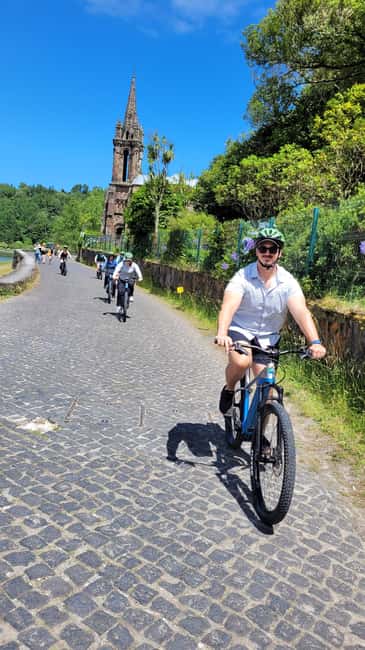
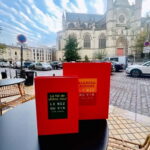
Then you’ll pass Eglise St Louis des Chartrons, a gothic revival church dedicated to Saint-Louis, one of the former kings of France. You don’t need to know church terms to enjoy it. Even just the shape and style help you understand why Chartons was a place of community life, not only wine sales.
These sight moments are short, but they keep the food story from floating off by itself. If you like food tours where the setting matters, this portion earns its place.
Fromagerie time: choosing cheese like it’s part of the conversation
After the bakery, you head to an artisanal fromagerie. This is where the tour turns from “food tasting” into “food thinking.”
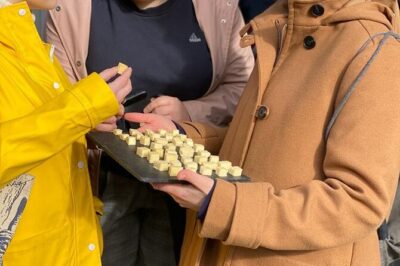
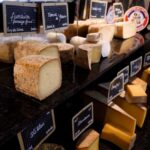
Instead of handing you a random plate, you and your guide make selections for your tasting. That interactive piece is valuable because it trains your instincts. You learn to look for what a cheese will do—how it behaves with wine, what it might feel like with bread, and how aging changes the experience.
You get the massive world of French cheese in a practical way. You’re not asked to memorize regions and aging schedules. You’re asked to taste and compare, and then the guide connects the dots.
I also appreciate the group size here. With a maximum of eight people, it stays manageable for questions. That matters because pairing is personal. If you’re curious about how to match a stronger cheese with something smoother, you’ll actually get a straight answer.

Dietary needs: real support, not last-minute panic
One of the strongest themes from the tour experience is how seriously the guides handle dietary restrictions. For example, a lactose intolerant and celiac need was handled on the tour, which signals that they take requirements seriously. If you have dietary restrictions (including vegetarian), you should indicate them when booking so the team can plan.
That planning is the difference between a tour that sounds good on paper and one that stays enjoyable when you sit down to eat.
The wine shop finish: Southwest France selection and pairing logic
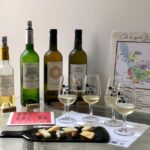
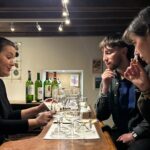
Next comes the wine shop, with one of the largest selections in Southwest France. This is where the tour becomes a pairing workshop.
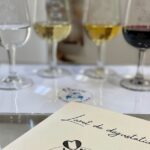
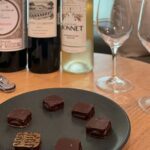
You’ll settle in for a detailed discussion and cheese and wine pairing. And I like that the guidance focuses on how wine choices change the taste of cheese and how cheese changes the way wine reads on your palate. That two-way street is the whole point.
A useful detail from the pairing approach: the guide explains ideas that connect to left bank and right bank styles, so you can feel the differences as you taste. You’re not just taking sips—you’re learning how regional wine thinking shows up in the glass.
Since alcoholic beverages are included with the meal, you’ll want to drink at a comfortable pace. This is a tasting-and-learning setting, not a speed drinking contest. Also, wine service is only for travelers 18 years old and above, so plan accordingly.
How the bread and cheese pairings actually work (and how you can use what you learn)
The tour’s biggest gift isn’t just the food. It’s the method.
Bread first helps because it’s your neutral bridge. A crusty bread can cut through fat. A softer crumb can calm stronger flavors. When you taste pain Gascon early, it gives you a reference point. Later, when a cheese tastes sharper than expected, you can try bread again and see how your palate resets.
Cheese second matters because each cheese brings its own personality: fat level, salt, aroma, and aging depth. Picking cheeses for your tasting makes the learning stick. You’ll remember your own choices when you try to recreate the pairing later.
Wine third locks everything together. Once you taste cheese and wine side by side (and talk through why they work), you’ll start recognizing patterns fast—like how acidity can lift heavy flavors or how sweetness can soften edges.
If you go into the tour asking yourself what you like—creamy, firm, tangy, nutty—you’ll get more out of the pairing talk.
Price and value: what $104.53 buys you in real terms
At $104.53 per person for about two hours, you’re paying for more than “samples.” You’re paying for access and guidance: the bakery stop with the rare Louis XV-era oven, a fromagerie visit where you select cheese, and a wine shop with a large regional selection plus a pairing discussion.
You also get alcohol and food included. That can make the math feel simple. Without this tour, you’d likely pay separately for bakery tastings, cheese plates, and guided wine education—or you’d buy items one by one with less help.
There’s one trade-off: because it’s a short timed experience and the group is capped at eight, you won’t have hours to linger in each shop. If you’re the type who likes to browse shelves for a long time, treat this as a structured tasting learning session, not a slow shopping spree.
Who should book this tour (and who might not)
This tour fits best if you want a practical Bordeaux experience. I’d point you toward it if you like:
- food tours that teach you how to taste, not just what to eat
- pairing guidance you can use later at home
- a small-group format where you can ask questions
- Chartons as a neighborhood setting, not a quick photo stop
You might skip it if you want a long, leisurely meal with hours of free time. The schedule is built for learning and tasting within a tight window.
Should you book the Cheese, Wine, and Bread pairing tour?
Yes, if you want a short, high-value Bordeaux morning built around real local foods: bread from a centuries-old oven, cheese chosen with a guide, and wine paired with explanations that stick. The small group size and hands-on selection make it feel personal rather than scripted.
Book it especially if you care about getting the “why” behind French food pairings. And if you have dietary needs, book with those clearly noted—this team has experience handling specific restrictions.
FAQ
How long is the tour?
It runs for about 2 hours.
Where does the tour start and end?
It starts at 27 Rue Camille Godard, 33000 Bordeaux, France, and ends at 6 Rue Notre Dame, 33000 Bordeaux, France.
Is an English-speaking guide included?
Yes. An English-speaking guide is included.
Is food and wine included?
Yes. All food and wine are included.
Are alcoholic beverages included for everyone?
Alcohol is included, but only for travelers 18 years old and above.
What size is the group?
The tour has a maximum of 8 travelers.
Can the tour accommodate vegetarian or dietary restrictions?
Yes. Vegetarian is an option, and the tour can accommodate dietary restrictions if you indicate them when booking.
What kinds of bread and cheese will I taste?
You’ll learn about traditional bread-making and sample regional specialties like pain Gascon. You’ll also visit a fromagerie and make selections for your cheese tasting.
Is there a mobile ticket?
Yes, it uses a mobile ticket.
What is the meeting neighborhood like?
The tour takes place in Chartons, an area historically known as the wine district, with specialty food shops, gothic churches, and antique dealers.
Can I cancel for a full refund?
Free cancellation is available. You must cancel at least 24 hours before the experience’s start time for a full refund.