REVIEW · BORDEAUX
Blind Tasting: 4 Bordeaux Natural Wine + Cheese experience
Book on GetYourGuide →Operated by Free Walking tours Bordeaux · Bookable on GetYourGuide
Smell before you sip, and Bordeaux will talk. This Blind Tasting session turns learning about wine into a game: you taste without labels first, then your sommelier connects the dots with real Bordeaux know-how. I like that it mixes natural wine character with a hands-on food setup, so you learn faster than you would from a lecture.
My other big win is the pairing format. The combo of cheese plus two kinds of dry meat helps you understand how different styles of Bordeaux react on your palate. The one drawback to consider is that it is a tight, one-hour experience with no extra food or drinks included, so pace yourself if you tend to go heavy on tastings.
In This Review
- Key things you will notice right away
- Starting in the right spot: Saint Michel Church and a wine-walk vibe
- The blind tasting setup: how you go from guessing to understanding
- Four Bordeaux natural wines in one hour: the white, two reds, and the sweet one
- Bordeaux map in your head: grapes, regions, and the 1855 classification clue
- Reading a French wine label without feeling lost
- Food pairing that teaches: cheese plus dry meat with natural wine
- The sulphur myth (and the hangover talk) that actually feels useful
- When the conversation runs long, it is a good sign
- Who the sommelier is coaching you like
- Price and value: $34 for four wines and a real food table
- Practical considerations before you go
- Should you book the Blind Tasting + Cheese in Bordeaux?
- FAQ
- What wines are included in the tasting?
- How many cheeses and meats are included?
- Where do we meet?
- How long is the experience?
- What languages is the guide available in?
- Is it suitable for everyone?
Key things you will notice right away
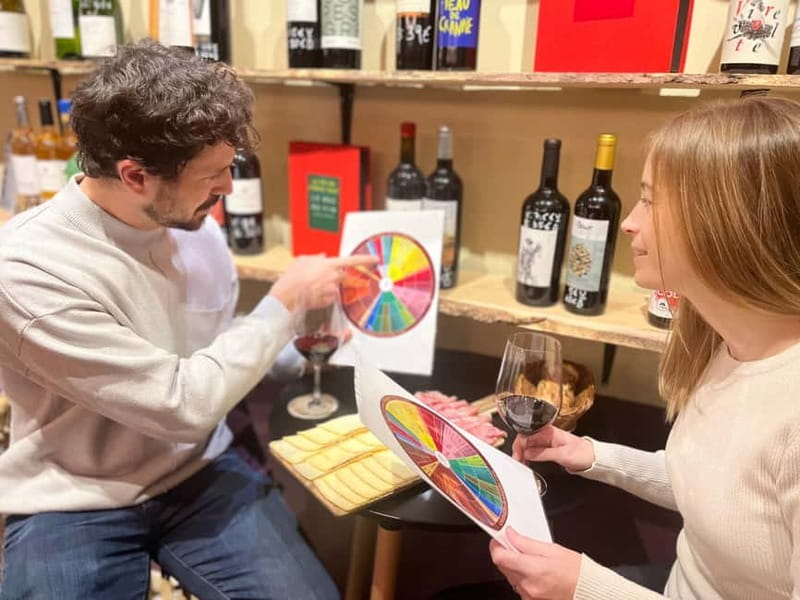
- Blind tasting format: you compare aromas and flavors before you know what you are drinking
- Four Bordeaux natural wines: 1 white, 2 reds, and 1 sweet wine from different Bordeaux areas
- Practical Bordeaux learning: regions, grape variety basics, and what the 1855 classification means
- Label-reading coaching: you learn how to read a French wine label with confidence
- Food pairing that teaches: cheese and cured meat choices make natural wine easier to judge
- Real Q&A energy: the sommelier keeps answers coming, especially when you ask follow-ups
Starting in the right spot: Saint Michel Church and a wine-walk vibe
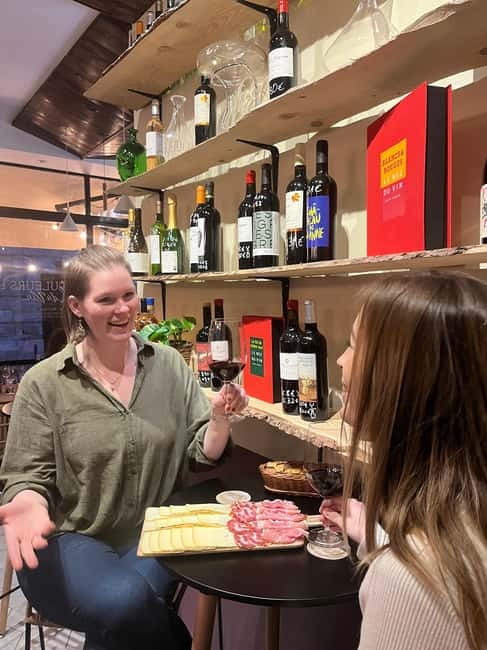
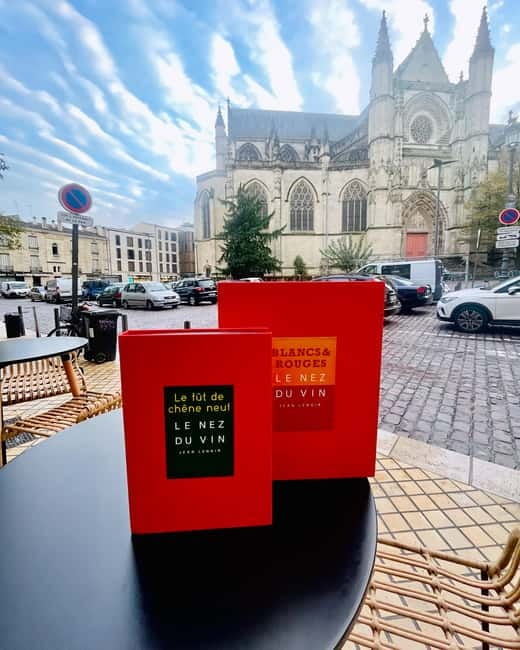
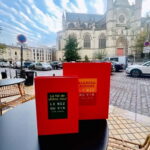
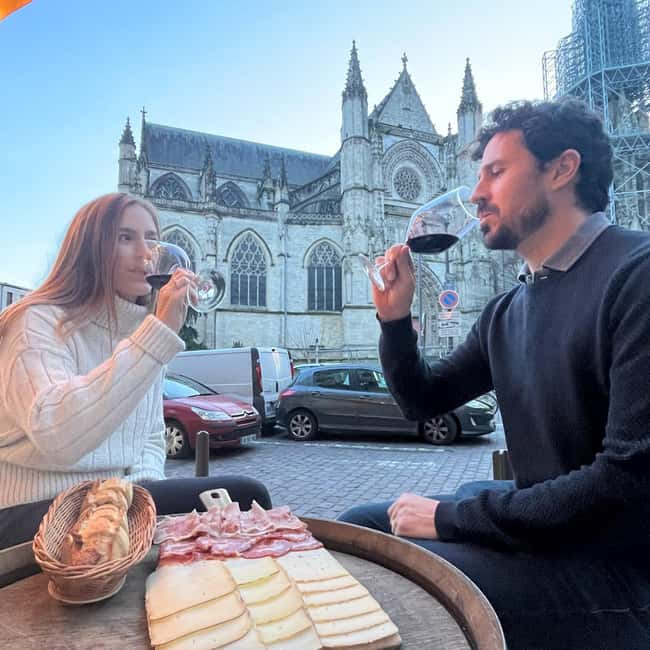
You meet in front of the Flamboyant Saint Michel Church, which is a great way to start because it feels instantly like you are in Bordeaux, not in a classroom. The group meets, you get oriented, and then the session goes straight into tasting mode.
This matters because Bordeaux natural wine can be “different” at first sniff. Starting in the open air helps your nose reset. It also makes it easier to focus on what you are learning instead of rushing to a bar counter.
You can also read our reviews of more tours and experiences in Bordeaux.
The blind tasting setup: how you go from guessing to understanding
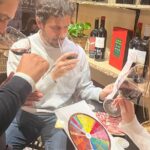
You taste four wines in a structured way: you get a blind tasting approach that pushes you to rely on smell and taste first. Then, your sommelier reveals what the wines are and why they show up the way they do.
Here is what you should expect you will do:
- Smell and identify key aromas before you sip
- Taste and compare across wines, even when styles feel close
- Build a mini theory in your head, then test it when the sommelier explains
I like this format because it trains your senses, not your memory. If you ever get stuck when people ask what you think a wine is, this kind of guided comparison makes you better fast.
Also, the session is playful. The experience leans into that friendly, social side of wine tasting. In other words, it is not stiff. You will feel comfortable asking basic questions because the sommelier is there to teach.
Four Bordeaux natural wines in one hour: the white, two reds, and the sweet one
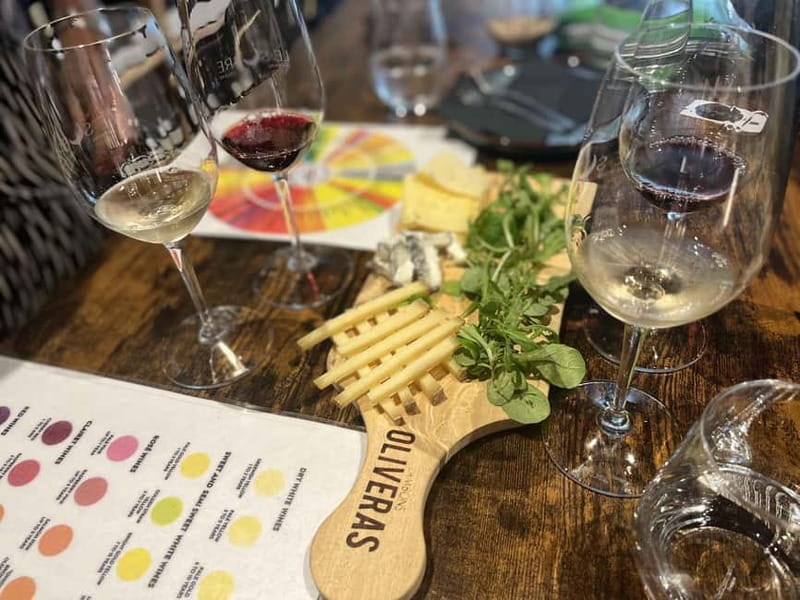
You taste 1 white, 2 reds, and 1 sweet wine. That spread is smart for learning because Bordeaux often gets reduced to reds, but the region can handle very different moods.
And these are not random picks. You are tasting from different Bordeaux wine regions, which means you can start noticing patterns like:
- how freshness shows up in white wines
- how structure and fruit shift across red regions
- how sweetness behaves with food, not just as a dessert thing
Natural wine adds another layer. Natural wines can taste more like living fruit and less like polished versions of fruit. If you go in expecting everything to be smooth and predictable, you might feel a little surprised. But that is also the point: you learn to describe what is actually there, not what you think should be there.
Bordeaux map in your head: grapes, regions, and the 1855 classification clue
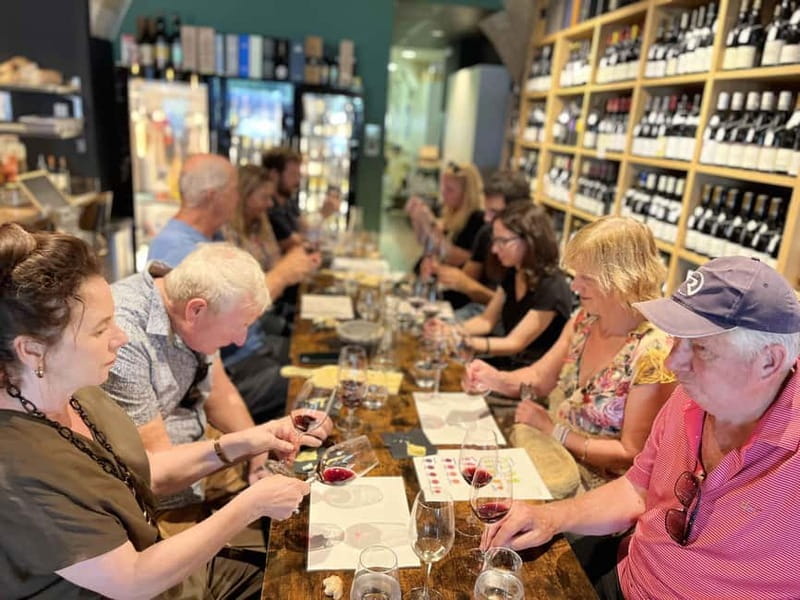
Part of the magic of Bordeaux is that it has a lot of famous “systems,” and beginners often get lost in the alphabet soup. This experience tries to fix that in one hour by giving you the essentials: grape variety basics, important Bordeaux regions, and the 1855 classification in plain language.
You will hear stories tied to winemakers, vintage, and wine history. Even if you do not remember every detail, you will leave with a framework for what to look for later when you visit wine shops or wine bars.
Here is how this helps you as a traveler:
- You stop treating Bordeaux labels like code.
- You start connecting taste to where the grapes come from.
- You gain a quick mental checklist for your next tasting.
A small word of caution: with so much information in one short session, do not try to memorize everything. Instead, focus on one or two takeaways you can reuse when you order wine later.
Reading a French wine label without feeling lost
One of the most practical moments comes when your sommelier shows you how to read a French wine label like a professional. This is huge because Bordeaux labels can look official and intimidating, especially if you are used to tourist-friendly wine lists.
What you will learn to do:
- spot what matters on a Bordeaux label
- understand the role of vintage and regional signals
- connect what you read to what you tasted blind
If you only learn one thing from this tour, make it label-reading. It pays off instantly. Once you can decode the basics, you can walk into a shop, pick a bottle with intent, and feel like you know why you chose it.
Food pairing that teaches: cheese plus dry meat with natural wine
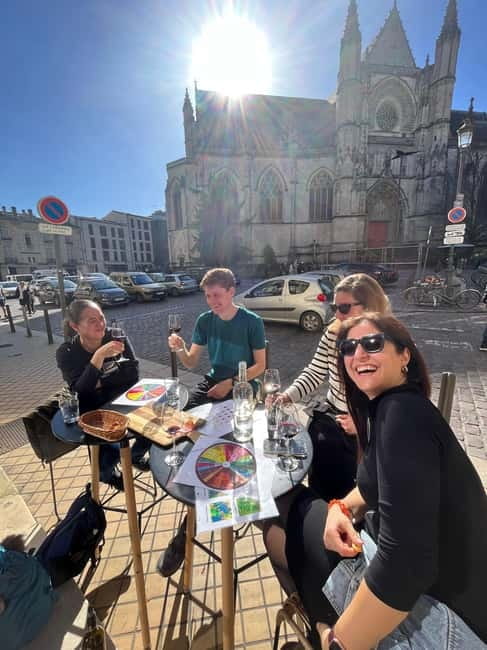
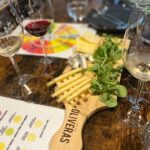
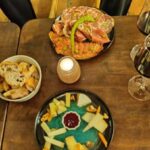
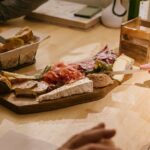
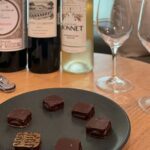
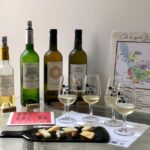
You get three types of cheese and two types of dry meat, and they are not there just to fill you up. They are there to train your palate.
Here is the teaching angle:
- Cheese can amplify aroma and texture, so you notice more nuance in wine.
- Salt and fat from cured meats can change how acidity and fruit read on your tongue.
- Each pairing helps you judge balance, not just sweetness or sourness.
Natural wine can be polarizing on its own, especially if you are new to the style. But pair it with the right foods and it starts making sense. You learn how to evaluate wine in the context you will actually drink it: with food.
I also like that the tasting includes multiple wine styles. It stops you from forming a single opinion like natural wine is only good with certain foods. You end up thinking more like a diner than a student.
The sulphur myth (and the hangover talk) that actually feels useful
You will hear a practical explanation about why hangovers are not something you can blame on sulphur in a simple way. The sommelier shares a key idea: there is more sulphur in fruits and vegetables than in a bottle of wine.
Whether you agree with every detail, the takeaway is what matters: you learn to think more critically about common wine rumors. And you get a more grounded view of natural wine, which often gets misunderstood.
This section also helps you pace yourself. If you have ever worried about what you are drinking, this kind of explanation reduces fear and keeps you focused on taste instead of anxiety.
When the conversation runs long, it is a good sign
The experience is scheduled for one hour, but the tone is interactive. If you keep asking questions, the event can feel longer in a good way because the sommelier is answering and adjusting to your curiosity.
That is exactly what you want from a tasting guide. A blind tasting works best when you can say what you are thinking and get help turning it into a real description.
If you are the type who likes to compare notes with your group, bring that energy. It fits the format.
Who the sommelier is coaching you like
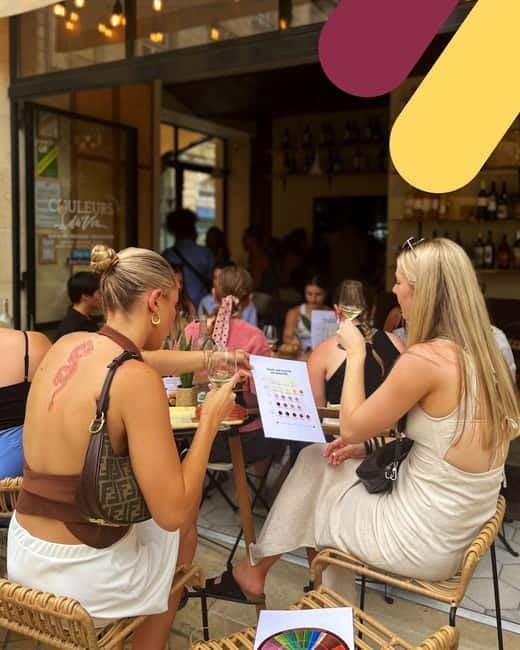
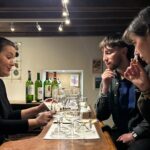
You get an experienced, friendly sommelier and live guidance in French and English. One review specifically highlighted Ani by name as a fantastic professor, competent, and quick to answer questions, which matches the vibe of a tasting that does not just talk at you.
Even if your guide is different, the goal is consistent: you are meant to leave understanding Bordeaux better than when you arrived. Not just having fun with wine.
Price and value: $34 for four wines and a real food table
At $34 per person for a 1-hour experience, you are paying for four wines plus structured instruction, not just a casual pour-and-go tasting.
Here is why it feels like value:
- You taste four Bordeaux natural wines (1 white, 2 reds, 1 sweet).
- You get food pairings: three cheeses and two types of dry meat.
- You receive coaching on wine labels and pairing logic.
- You learn the basics of Bordeaux regions and what the 1855 classification references.
If you price that out on your own, it would be hard to replicate the education part for the same money. Tastings at wine bars might give you a flight, but they often do not teach you how to read labels or how to connect taste to region in a clear way.
If your goal is to try natural wine and get immediate, usable skills, this hits a sweet spot.
Practical considerations before you go
This is not a sit-and-dine event. It is a guided tasting with food, and you should treat it like a one-hour learning session with wine.
A few practical notes from the tour details:
- If you have allergies, you must mention them.
- It is not suitable for pregnant women.
- It is not for children under 18.
Also, because extra glasses and extra food are not included, keep expectations realistic. If you want a longer meal afterward, plan to extend your night with a proper Bordeaux dinner after.
Should you book the Blind Tasting + Cheese in Bordeaux?
Yes, if you want a fun but serious introduction to Bordeaux natural wine. This works especially well when you are open to learning by tasting, not by studying. The blind format, the label-reading coaching, and the pairing setup are the trio that make this more than a quick snack of wine.
Skip it only if you want a long, slow wine crawl with unlimited food and drinks. This is focused, structured, and educational.
If your plan includes future tastings, restaurants, or buying bottles in town, you will come away with a better way to choose. And that is the kind of souvenir that lasts longer than a photo.
FAQ
What wines are included in the tasting?
You’ll taste 1 white, 2 reds, and 1 sweet wine as part of the blind tasting.
How many cheeses and meats are included?
The experience includes 3 types of cheese and 2 types of dry meat.
Where do we meet?
You meet in front of the Flamboyant Saint Michel Church.
How long is the experience?
It lasts 1 hour.
What languages is the guide available in?
The live guide speaks French and English.
Is it suitable for everyone?
It is not suitable for pregnant women or children under 18. If you have allergies, mention them before you go.