REVIEW · FUERTEVENTURA
Fuerteventura Goat Cheese Workshop with Transfer from the South
Book on GetYourGuide →Operated by Fuerte Authentic Tours · Bookable on GetYourGuide
A goat farm workshop beats most tastings for sheer hands-on learning. I like the step-by-step cheese making on a working farm, not just a demo. The one thing to plan for: you’ll need sturdy closed-toe shoes and the activity isn’t suitable for kids under 9.
Second, I really like the mix of work and payoff—your hands make the cheese, then you get to taste it. You’ll also get a guided walk around the farm so you can connect what’s on your plate with what’s happening behind the scenes. If you’re short on time, the 2.5–4 hour window is worth checking against your day’s schedule.
In This Review
- Key things I think you’ll enjoy most
- Why a goat cheese workshop on Fuerteventura makes sense
- Getting to the farm from the south without the headache
- The hands-on cheese making part: what you’ll actually do
- The farm tour: seeing goat life behind the tasting
- Tasting young, semi-ripe, and ripe goat cheese (plus white wine)
- What I’d watch out for before you book
- Price and value: is $92 worth it?
- Who this workshop is best for (and who may not love it)
- Should you book the Fuerteventura goat cheese workshop?
- FAQ
- FAQ
- How long does the Fuerteventura goat cheese workshop last?
- Where is this experience located?
- What’s included in the price?
- Is pickup available from the south?
- What languages are the tours in?
- Do I need to bring anything?
- Can children join this workshop?
- What happens during the tasting?
- Is free cancellation available?
- Can I reserve without paying right away?
Key things I think you’ll enjoy most
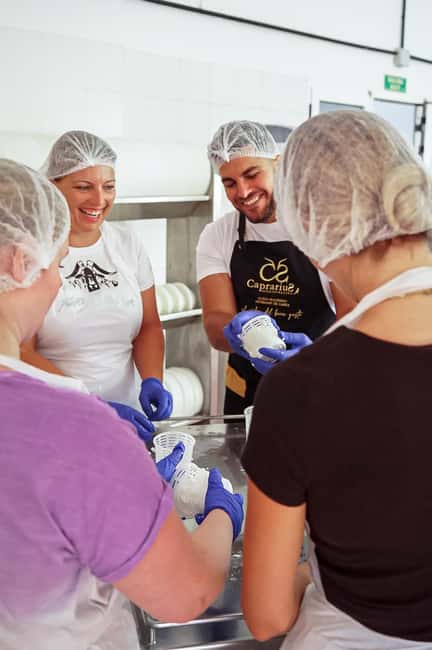
- Make a little goat cheese yourself with guided instructions, ingredient prep, and hands-on steps
- Taste three ripeness stages: young, semi-ripe, and ripe, so you can actually compare
- Farm tour on a goat farm with about 350 animals, including a short 500 m walk
- White wine with the tasting, which makes the end part feel like a real meal break
- Pickup option from the south by white minibus, so you’re not dealing with logistics
Why a goat cheese workshop on Fuerteventura makes sense
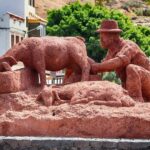
Fuerteventura’s goat cheese isn’t a museum product. It’s tied to the island’s long-running dairy tradition, using regional goat milk and traditional methods. That matters because it changes how you taste: you’re not only looking for flavors, you’re learning what causes the flavor shifts as the cheese ripens.
This workshop is built around that practical understanding. You don’t just watch someone knead curds and walk away. You learn the big stages—choosing/preparing ingredients, production techniques, and the ripening process—then you see the result in your own tasting set-up.
You can also read our reviews of more tours and experiences in Fuerteventura.

Getting to the farm from the south without the headache
The activity includes transportation, and pickup is optional from the south in a white minibus. The plan is simple: if you’re staying in a hotel, you’ll be picked up in front. If you’re in an apartment, you’ll get the specific meeting point the day before. That kind of setup is ideal when you don’t want to spend your morning figuring out routes or parking.
Timing-wise, expect a total length of 2.5 to 4 hours depending on the starting time available. That range is helpful if you’re traveling with other plans, but it also means you should treat this like a main booking, not a quick add-on.
If you prefer to handle your own transport, you might still appreciate that the workshop is designed as a group experience—so once you’re there, everything flows without you having to ask where the next step happens.
The hands-on cheese making part: what you’ll actually do
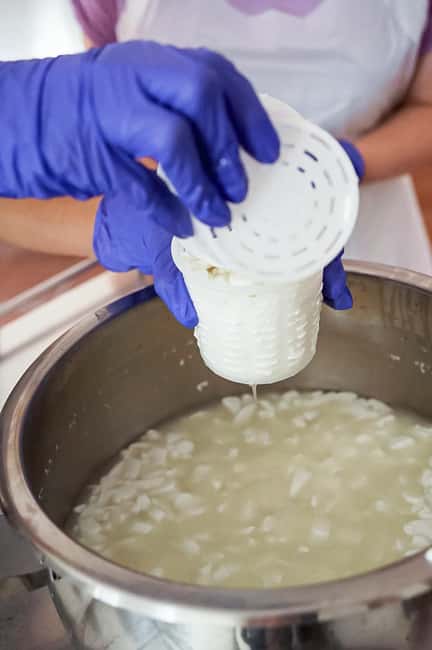
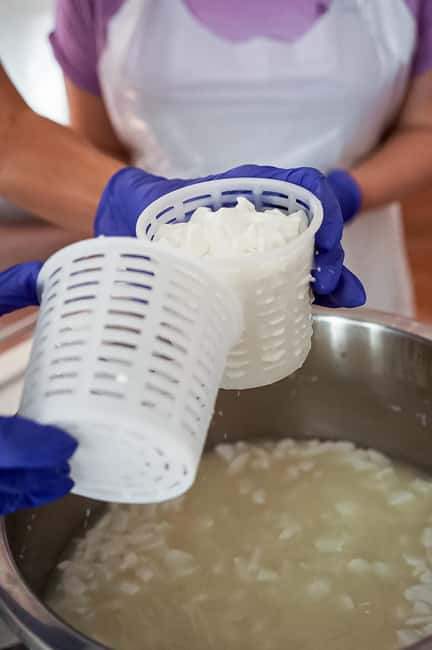
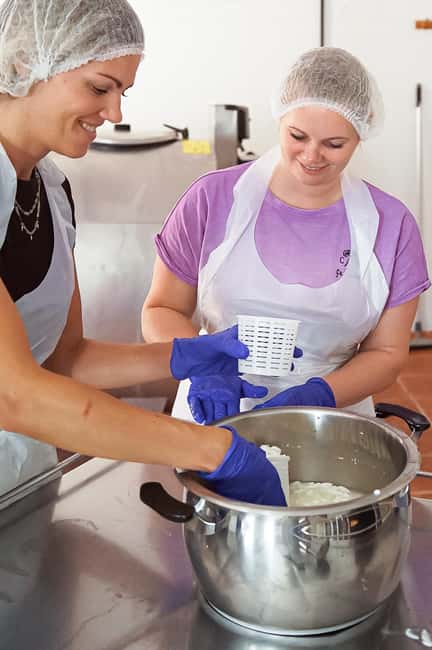
This is the core of the experience: you’ll learn step by step how to make goat cheese with your own hands, guided by an experienced cheesemaker. The workshop isn’t described as a single “press and taste” session. It’s framed as learning how the cheese gets made and what changes during ripening.
Here’s what the format focuses on:
- Ingredient selection and preparation: you’ll see how the process starts, not just the later stages.
- Production techniques: this is where your hands come in—working through the cheese-making steps you’re being taught.
- Ripening processes: you’ll learn why cheese changes over time and what ripeness means in practice.
During the workshop, you’ll make your own little goat cheese. That matters more than you might expect. When you do the motions yourself, you notice details you’d miss in a passive tasting—texture cues, how the mixture behaves, and how the final product fits into the ripening story.
A key bonus: you also get tips for preservation and storage. That’s practical knowledge you can use later if you ever buy goat cheese and want it to stay at its best.
The farm tour: seeing goat life behind the tasting
After the workshop steps, you’ll take a guided farm tour. The walk is about 500 m, which keeps it realistic for most adults while still giving you enough time to connect the dots between farm life and cheese.
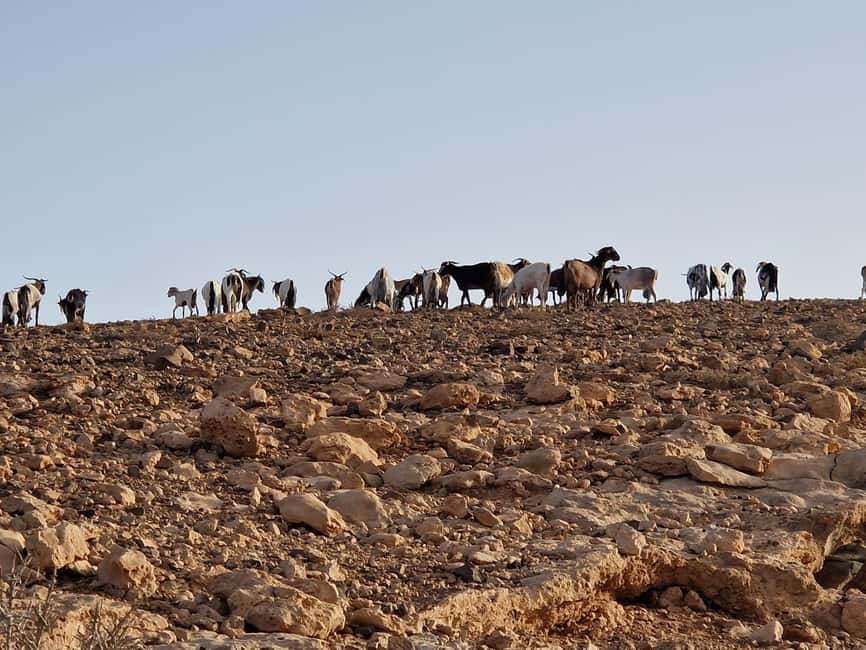
The big headline is the scale: the farm has around 350 animals. Even if you’ve toured farms before, this kind of size gives you a sense of how serious dairy production is. You’re not just looking at a few goats; you’re seeing a working setup where daily routines matter.
You’ll also get that “why” perspective. Hearing explanations while you’re physically on the farm helps the cheese making feel less abstract. It also makes the tasting at the end more meaningful because you understand what’s been happening before the curds ever reach your plate.
Tasting young, semi-ripe, and ripe goat cheese (plus white wine)
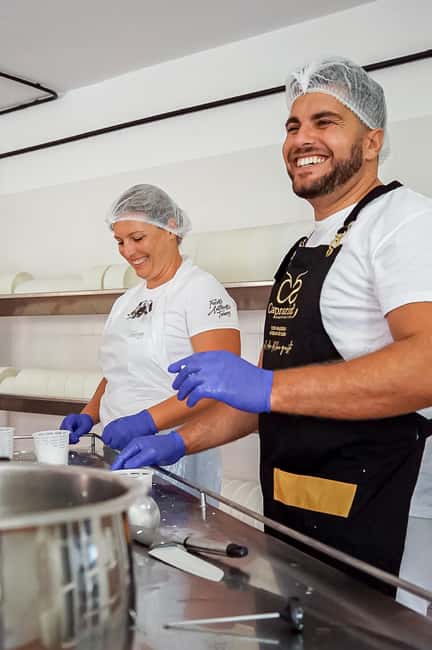
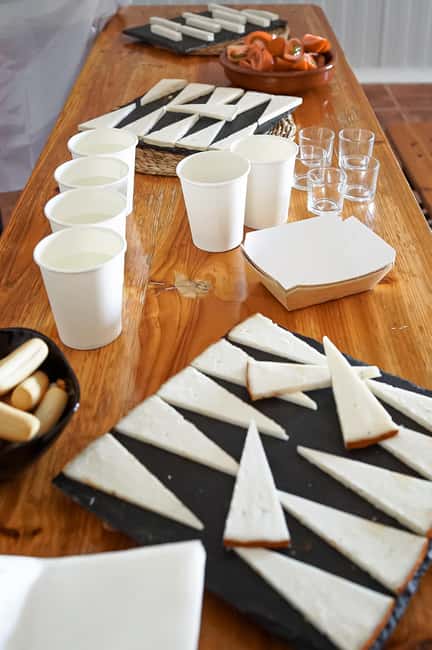
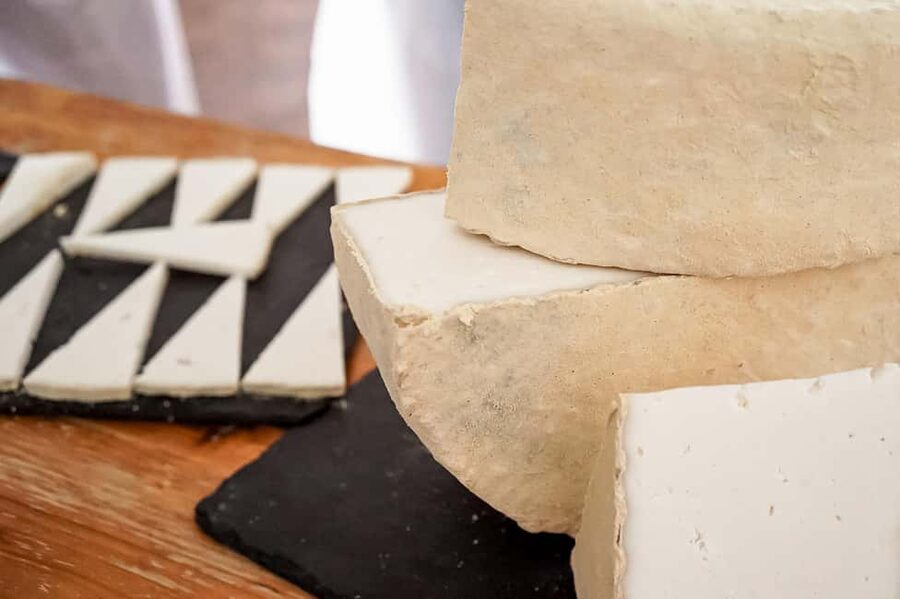
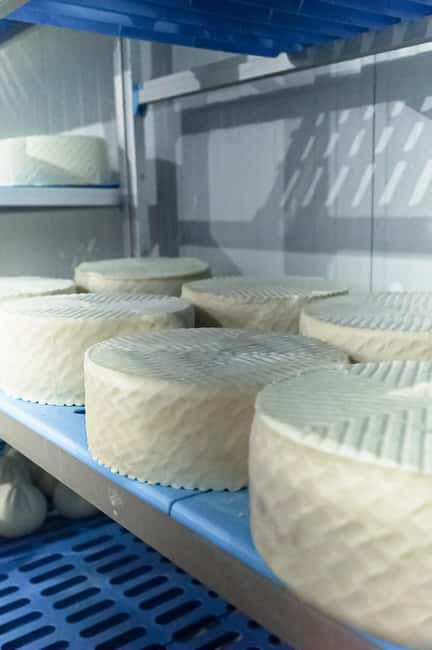
The workshop ends with a tasting where you try different varieties at young, semi-ripe, and ripe stages. That’s one of the most valuable parts of the experience because it trains your palate to recognize how ripening changes flavor and texture.
You’ll also have white wine included with the tasting. The pairing doesn’t replace the tasting lesson—it supports it. Think of it as an easy way to keep the experience festive and relaxed while you focus on comparing the cheese stages.
Here’s the practical way to use the tasting: don’t just decide which one is best. Try to identify what changes from young to semi-ripe to ripe—how the cheese feels, how the aromas develop, and how the flavors linger. The workshop is designed so you leave understanding the stages, not just remembering names.

What I’d watch out for before you book
This activity is very hands-on, so plan your body and your expectations.
First, wear sturdy, closed-toe shoes. Farms are working environments, and you’ll want grip and protection. Also bring water—it’s listed as what you should bring, and it’s a smart move for comfort during the farm tour.
Second, the experience is not suitable for children under 9. If you’re traveling as a family, this is a real filter. If your kids are older and love food or animals, it could be a great fit, but for younger ones it’s simply not designed for them.
Third, if you hate structured group timing, remember this is a workshop with a set flow: transport (if you choose it), cheese making, farm tour, then tasting. You’re not wandering freely all day.
Price and value: is $92 worth it?
At $92 per person, this isn’t a budget activity—but it also isn’t just a tasting ticket. You’re paying for several value drivers packed into 2.5–4 hours:
- A guided hands-on cheese making workshop
- A guided farm tour (including the short 500 m walk)
- Tasting of multiple ripeness stages (young, semi-ripe, ripe)
- White wine with the tasting
- Transportation and optional pickup by minibus from the south
When an experience includes both a working farm visit and guided instruction, it usually costs more than a simple food class. Here, the price feels more reasonable because you’re not only learning—you’re doing the work, taking part in the tasting, and getting the farm context that makes the lesson stick.
One more value check: the activity includes practical info for storage and preservation. That’s the kind of detail that can make the workshop feel useful after you get home, not only enjoyable in the moment.
Who this workshop is best for (and who may not love it)
I’d point this toward you if you:
- Love food learning where you actually make something
- Want to taste goat cheese in a structured way (ripeness stages, not random samples)
- Enjoy farm life and want the animal side of the story
- Appreciate guided explanations in English or German
- Prefer a prepared plan with optional pickup from the south
It may not be the best match if you:
- Want a quick, casual “taste only” stop (this is hands-on by design)
- Have very limited mobility for farm walking, even though the tour is short
- Are traveling with kids under 9
Should you book the Fuerteventura goat cheese workshop?
If you’re choosing between a regular tasting and an actual making session, I think this is the smarter choice for learning. The hands-on cheese making plus the staged tasting gives you a clear before-and-after experience: you make it, then you taste it at different ripeness points, and you get farm context in between.
Also, the setup seems to land well on preparation and fun. One verified booking from Sabine (Germany) highlighted that it was very informative, well prepared, and fun to get your hands involved. That aligns with what the experience is designed to deliver.
Book it if you want a guided, sensory-focused food experience on a real goat farm. Skip it if you’re looking for a purely passive experience or you’d rather spend the day on the beach instead.
FAQ
FAQ
How long does the Fuerteventura goat cheese workshop last?
The duration is listed as 2.5 to 4 hours. Check availability for the specific starting times.
Where is this experience located?
It takes place in Fuerteventura, in the Canary Islands, Spain.
What’s included in the price?
The experience includes your guide, transportation, the farm tour, cheese making, and a tasting.
Is pickup available from the south?
Pickup is optional. You can be picked up in front of your hotel by white minibus. If you’re staying in an apartment, you’ll be told the meeting point the day before.
What languages are the tours in?
The live tour guide is available in English and German.
Do I need to bring anything?
Bring water. It’s also recommended that you wear sturdy, closed-toe shoes.
Can children join this workshop?
The activity is not suitable for children under 9 years.
What happens during the tasting?
You’ll taste selected goat cheese varieties, including young, semi-ripe, and ripe stages, and white wine is included.
Is free cancellation available?
Yes. You can cancel up to 24 hours in advance for a full refund.
Can I reserve without paying right away?
Yes. You can reserve now and pay later, booking your spot and paying nothing today.