REVIEW · FUERTEVENTURA
Fuerteventura: Tickets to Salt, Cheese and Windmill Museums
Book on GetYourGuide →Operated by Museos de Fuerteventura · Bookable on GetYourGuide
Salt, cheese, and windmills tell the island story fast. This combo ticket strings together three of Fuerteventura’s most cultural sites so you can explore at your own pace.
I especially like the living saltworks feel at Salinas del Carmen and the way the island’s famous goat cheese comes with place-based explanations.
One watch-out: since it’s self-guided and some parts include stairs, you’ll want to plan pacing (and mobility) before you go.
In This Review
- Key points to know before you buy
- Why these three museums belong together on Fuerteventura
- Salinas del Carmen: touring living saltworks near Antigua
- Museo del Queso Majorero: award-winning goat cheese and the island logic behind it
- Centro de Interpretación de los Molinos: kneaded gofio and windmill power
- How to plan your day: order flexibility plus smart timing
- Languages, welcome, and the real feel of the sites
- Price and value: what $14 buys when it covers three sites
- Who this combo suits best (and who should reconsider)
- Should you book the Salt, Cheese and Windmill Museums combo?
- FAQ
- What does the combo ticket include?
- Where are the three centers located?
- Can I visit the centers in any order?
- How long does each visit take?
- Is the ticket valid for one day only?
- Are all parts accessible for people with reduced mobility?
- Are there days when one of the centers is closed?
- When should I arrive relative to closing time?
- How do I get between the centers?
- What languages are available?
Key points to know before you buy
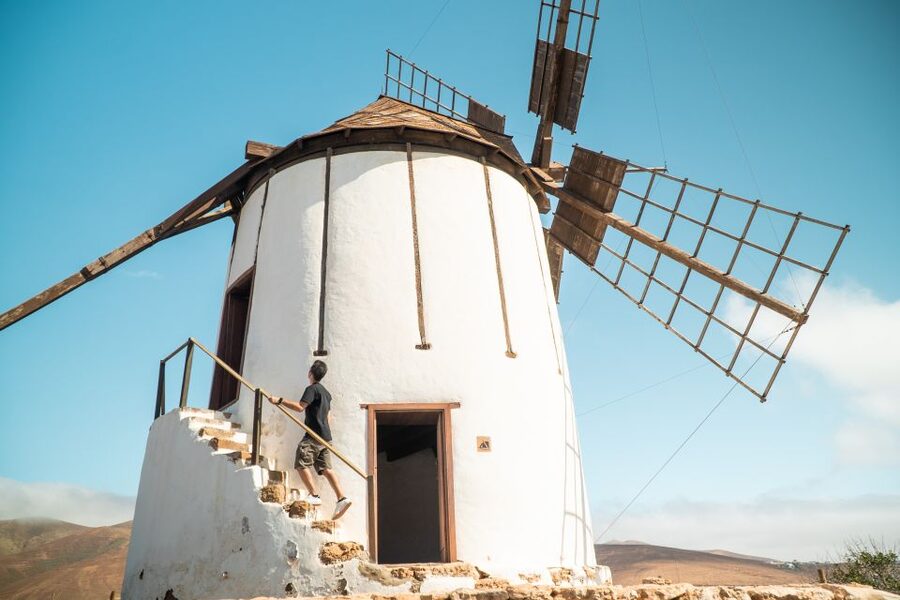
- Three “jewels” in one ticket: Salinas del Carmen, Museo del Queso Majorero, and Centro de Interpretación de los Molinos
- Flexible order: you can start at whichever center you want, and you only need to show your voucher at each site
- Gofio through the mills: you can taste kneaded gofio connected to how grain was ground
- Clear time blocks: about 40 minutes for the mills center, ~1 hour for the saltworks, and ~1.5 hours for the cheese museum complex
- Central locations make routing easy: the two middle-island sites are close, with the saltworks about a 20-minute drive away
- Language help: Spanish and English are offered, and some visitors report finding French-speaking staff
Why these three museums belong together on Fuerteventura
Fuerteventura isn’t trying to be a theme park. This pass focuses on three everyday forces that shaped Majorera life: salt from the sea, goat cheese from the land, and grain work powered by windmills.
What I like is how each stop answers a different kind of question. Salinas del Carmen helps you understand how the island’s salt became so valued. The Museo del Queso Majorero shows why a specific goat-cheese character grew from local conditions. The mills center connects the food story to hands-on tradition—right down to gofio.
And the reason this combo works is simple: the island’s culture reads better when you see the chain. You go from natural resources to traditional techniques to the foods that ended up on tables.
You can also read our reviews of more tours and experiences in Fuerteventura.

Salinas del Carmen: touring living saltworks near Antigua
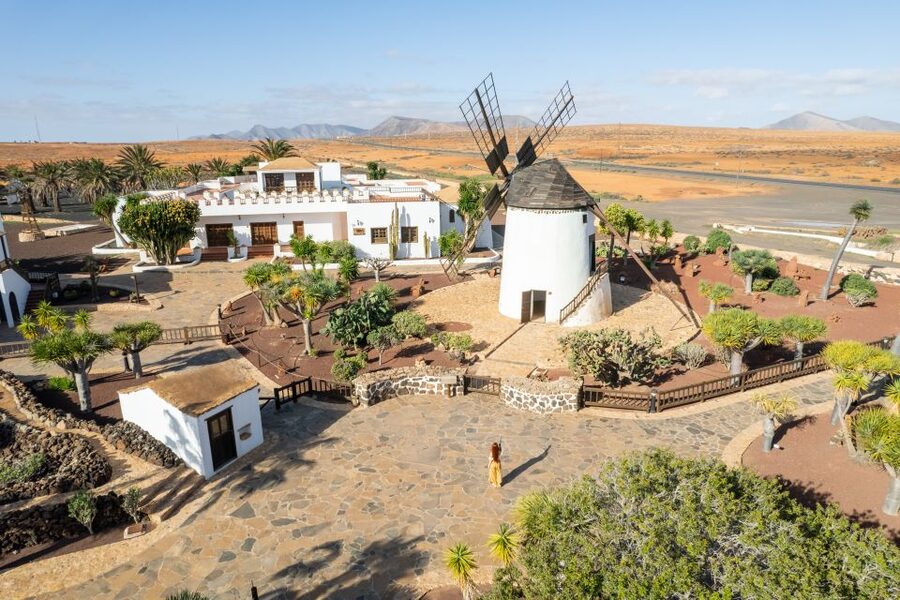
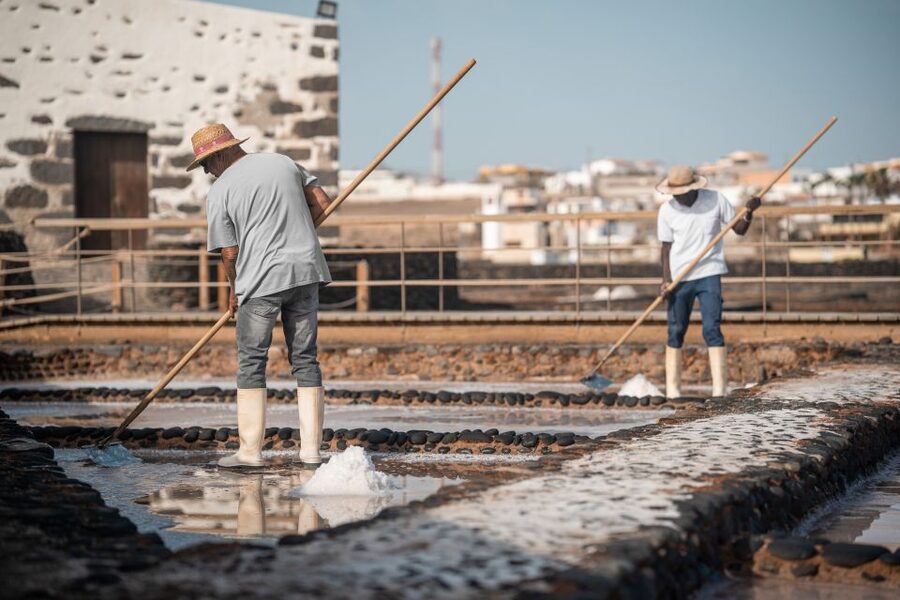
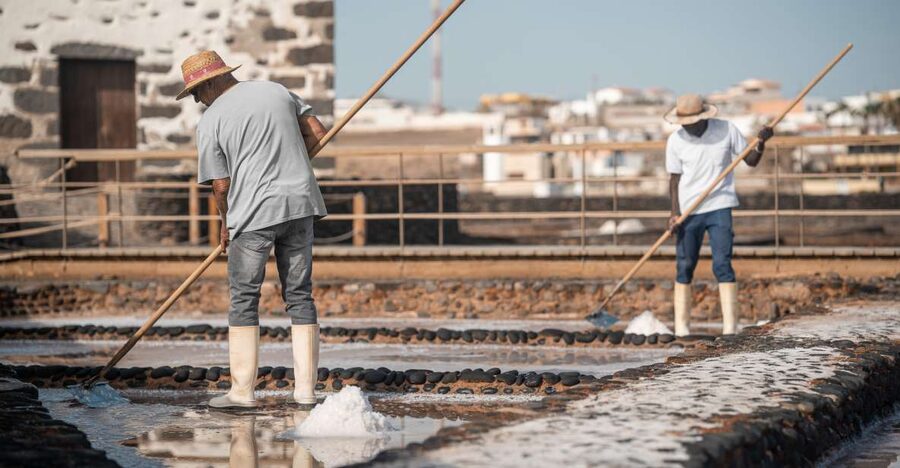
Start with Las Salinas del Carmen in Antigua on the east coast. This is a protected salt site that’s still alive today, so you’re not just looking at objects—you’re seeing an active tradition.
The big idea here is water quality and careful technique. The museum explains that the purity of the water and the conservation of traditional methods are key to producing some of the best sea salt in the Canary Islands. Even if you only read the core panels, you’ll come away with a practical sense of why salt production is slow, patient work rather than an industrial shortcut.
Time-wise, plan about 1 hour if you want to cover both the interior and the exterior. If you’re the kind of person who likes to walk slowly and read everything, you could stretch that a bit. If you’re more focused on getting the main story, an hour is a good target.
Practical tip: arrive with enough buffer. It’s smart to get there about an hour before closing so you don’t feel rushed while switching from museum rooms to the saltworks view.
Museo del Queso Majorero: award-winning goat cheese and the island logic behind it
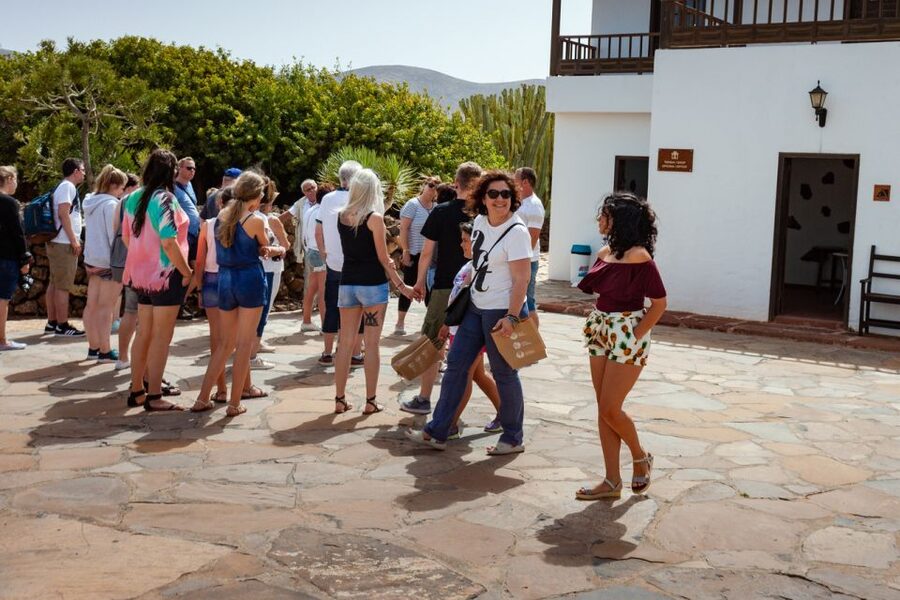
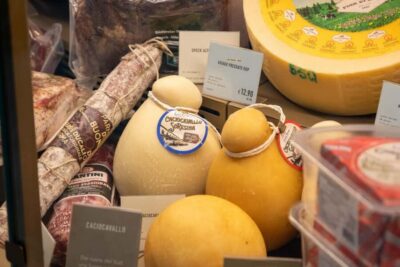
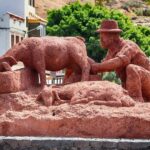
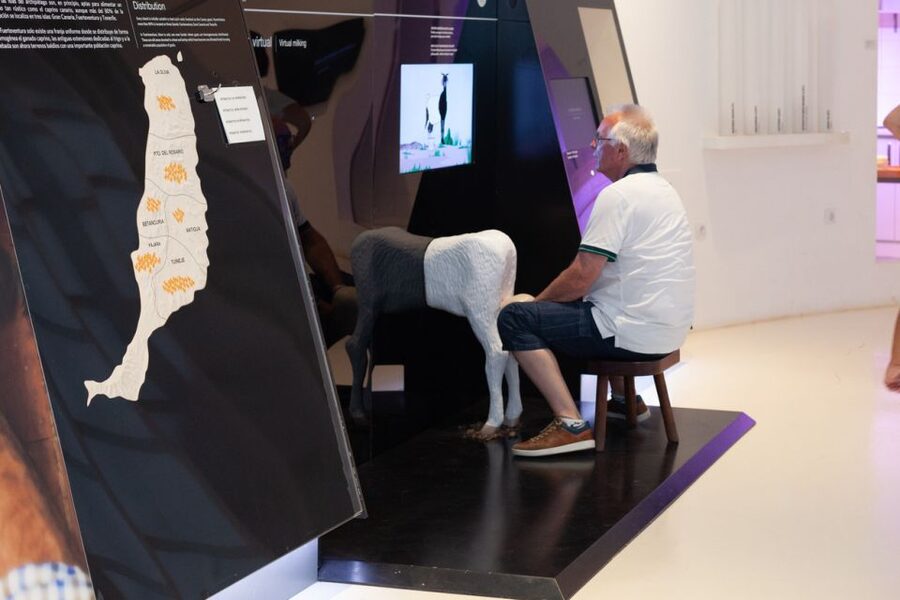
Next up is the Museo del Queso Majorero, centered on one of the island’s most famous products: Majorero cheese. The museum frames it as a peculiar goat cheese that developed because of Fuerteventura’s conditions—so it’s not just about dairy. It’s about place.
This is where you’ll learn the secrets behind why it’s so distinctive. Majorero cheese is described as famous and award-winning, even noted as the best goat cheese in the world within the museum’s messaging. You’ll get the story of how the island’s environment and traditions support that outcome.
The museum complex takes about 1.5 hours total if you cover everything included in the site. That includes parts like the museum spaces, a windmill on site, and a cactus garden component. The cactus garden part is easy to overlook if you rush, but it helps connect the cheese story to how people learned to live with the island’s dry reality.
A realistic expectation: this isn’t a modern tasting room where you’re doing big samples all day. It’s more of an explanation-first experience, designed to help you understand the product’s roots. If you like food history and agriculture-linked storytelling, you’ll enjoy it a lot.
Centro de Interpretación de los Molinos: kneaded gofio and windmill power
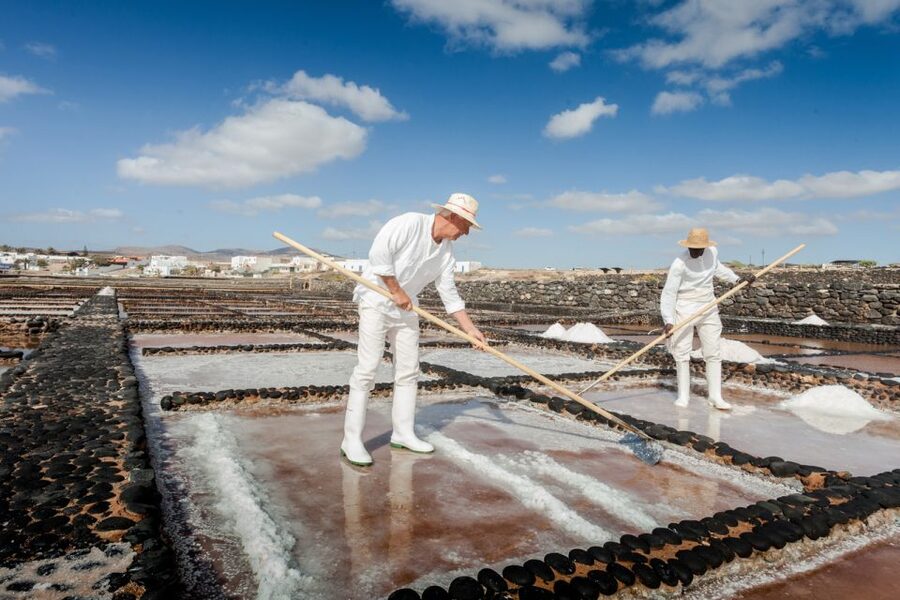
For the third jewel, head to Centro de Interpretación de los Molinos. This stop is the smaller one, and the visit takes about 40 minutes, so it works perfectly as the last leg of your combo day.
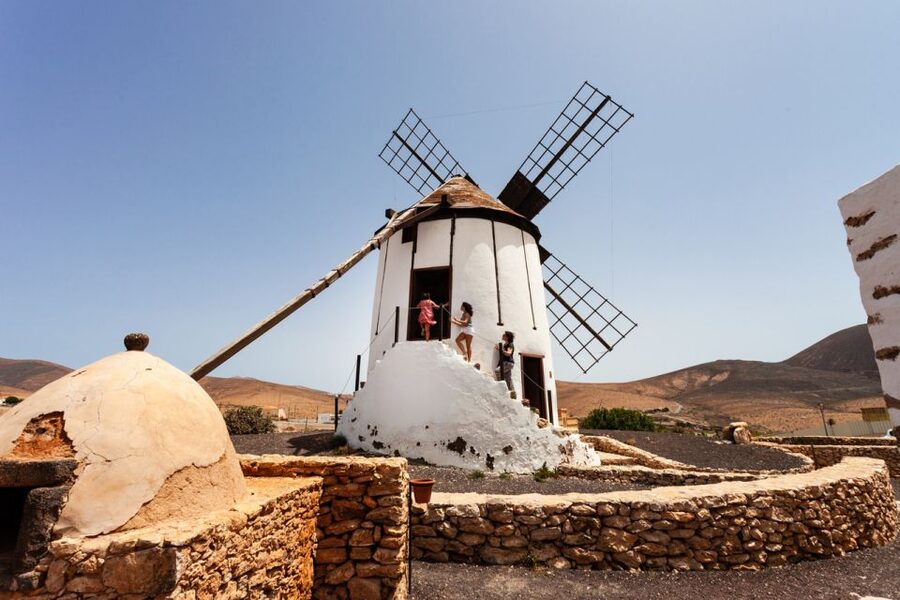
Here the focus shifts from salt and cheese to milling grain. The center explains how windmills operated—especially the process tied to making gofio, a quintessential Canarian recipe. And yes, the experience includes the invitation to taste kneaded gofio, grounded in that milling tradition.
What makes this stop valuable is the clarity. You’re seeing a food-linked process—grain turning into something usable—rather than just a general cultural overview. The windmills theme is also a good reset after the salt and cheese stops, because it brings you back to physical work.
One practical note: this site has steps and stairs, and access to the windmills connected with the cheese museum and this interpretation center is not accessible for people with reduced mobility. If stairs are an issue for you or someone in your group, it’s worth planning your route carefully.
How to plan your day: order flexibility plus smart timing
You can start at any center in any order. You just show your voucher at each one. That flexibility is handy because the three sites don’t all play the same role in the island’s geography.
The routing is simple:
- The saltworks are in Antigua on the east coast.
- The cheese museum and the mills interpretation center are in the middle of the island and are about 10 minutes apart.
- The saltworks and each of the other two are about 20 minutes driving apart.
So if you’re using a rental car or scooter, you’re not doing complicated back-and-forth routing. If you’re biking, it’s possible in theory, but the schedule and distance make car or motorbike the practical choice for most people.
Scheduling-wise, there’s also a key operating detail. The interpretation center does not open on Mondays nor on Sundays. That doesn’t ruin the whole combo, but it should guide your plan if you’re traveling on a weekend or Monday. The other two sites are listed as accessible, while this one has steps and stairs.
Also plan a little breathing room. Come at least 1 hour before closing time for each center so you don’t feel squeezed trying to hit the interior and exterior sections.
Finally, this pass is valid for 365 days from the first activation, and you can visit each center once during that period. That’s useful if you want to split your time across two days or if weather changes your schedule.

Languages, welcome, and the real feel of the sites
The museums are hosted in Spanish and English. That matters more than it might seem, because these sites are designed around explanation—agriculture, tradition, and process.
A nice added bonus: staff are described as welcoming in the feedback. Some people also report finding French-speaking support during their visits, at least at some points. You shouldn’t assume every day and every center will have French, but it’s a good sign that the team tries to meet visitors where they are.
Even without perfect language coverage, the experiences are built around tangible things—salt production logic, a place-linked cheese story, and windmill mechanics tied to gofio. If you’re the type who learns best by seeing the process and then reading what’s behind it, you’re in good shape.
Price and value: what $14 buys when it covers three sites
At about $14 per person, this combo ticket is one of those deals that feels small until you add up what you’re getting. You’re not paying for one museum and hoping for the best. You’re paying for entry to three cultural centers, each with its own theme and time commitment.
The real value is in how the ticket structure supports flexibility. You’re not forced to cram all three in one day. You can pace yourself, visit in any order, and take up to a year to complete it after first activation. That’s especially helpful on Fuerteventura, where wind, sun, and your energy level can change fast.
Also, the sites are spaced out in a way that makes sense for self-guided travel. The two central locations are close together, so you can knock those out efficiently, then make a short east-coast loop for Salinas del Carmen.
If you care about food culture, local production, and practical “how it works” explanations, the $14 feels fair because it covers access to the island’s core themes in one shot.
Who this combo suits best (and who should reconsider)
This pass is ideal if you want a self-guided, process-driven cultural experience. I think it’s especially good for:
- People who like agriculture, food origins, and production methods
- Travelers who enjoy flexible plans and do not want a fixed itinerary
- Anyone who wants a meaningful connection between place and product—salt, cheese, and grain
It’s less ideal if your day must be completely barrier-free. The mills interpretation center has steps and stairs, and the windmill access at the cheese and mills sites is not accessible for reduced mobility. If mobility is a key factor for you, check your comfort with stairs and plan alternatives.
It can also be a little less exciting if you only want big visual spectacle. The strongest payoff is educational and cultural, not a dramatic ride.
Should you book the Salt, Cheese and Windmill Museums combo?
Yes, if you want an efficient way to understand what makes Majorera culture tick. This combo gives you the island logic in three parts: salt from the sea, Majorero cheese from local goat traditions, and gofio tied to windmill grain work.
Book it if you’ll actually use the flexibility—start at the center that best fits your day, and don’t feel pressured to force all three into one outing. The locations are manageable by car or motorbike, and the visit lengths are realistic.
Skip it only if stairs or windmill access limitations are a deal-breaker for your group, or if you’re looking for a more modern, hands-on food experience rather than process storytelling.
FAQ
What does the combo ticket include?
It includes entry to three centers: the Salt Museum Salinas del Carmen, the Museo del Queso Majorero, and the Centro de Interpretación de los Molinos.
Where are the three centers located?
Salinas del Carmen is in Antigua on the east coast. The Museo del Queso and the Centro de Interpretación de los Molinos are about 10 minutes apart in the middle of the island.
Can I visit the centers in any order?
Yes. You can start with any center you want, and you’ll need to show your voucher at each one.
How long does each visit take?
The Centro de Interpretación de los Molinos is about 40 minutes. Salinas del Carmen is about 1 hour if you visit both interior and exterior. The Museo del Queso takes about 1.5 hours depending on your interest.
Is the ticket valid for one day only?
No. It is valid for 365 days from the first activation, and you can visit each center once within that period.
Are all parts accessible for people with reduced mobility?
The Museo de las Salinas and the Museo del Queso are accessible, but the Centro de Interpretación de los Molinos has steps and stairs. Access to the windmills at the cheese museum and the interpretation center is not accessible for people with reduced mobility.
Are there days when one of the centers is closed?
The Centro de Interpretación de los Molinos does not open on Mondays or Sundays.
When should I arrive relative to closing time?
It’s recommended that you arrive at least 1 hour before the closing time of the center you’re visiting.
How do I get between the centers?
Transportation is not included, so you’ll need to arrange it yourself.
What languages are available?
The host or greeter is available in Spanish and English.