REVIEW · CHINON
Wine and Cheese experience
Book on GetYourGuide →Operated by Cave Pierre et Bertrand COULY · Bookable on GetYourGuide
Wine and cheese in the Loire sounds simple, until you taste the details. This 1-hour experience at Cave Pierre et Bertrand COULY turns a tasting cellar visit into a quiet, sensory puzzle of flavors, where you control the pace and pairings.
I love the freedom to move through the tasting at your own rhythm. You get a booklet to note your impressions, and the team stays nearby to help when you have questions.
One possible drawback: it is not a guided, talk-every-minute tour. It’s mostly self-exploration, so if you want a lot of storytelling from start to finish, you’ll want to ask for help early.
In This Review
- Key things that make this tasting work
- Loire Valley tasting cellar: what you’re really paying for
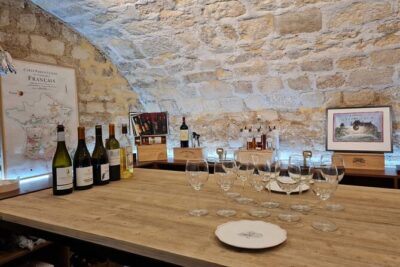
- Arriving at Cave Pierre et Bertrand COULY: the welcome and your pacing
- The included lineup: 8 Chinon wines built for pairing
- The cheese selection: local farmhouse cheeses and the raw milk note
- Using the tasting booklet: your cheat code for better pairings
- Vineyard trail option: a simple add-on that changes the mood
- What the tasting is like in real life: calm, paced, and practical
- Price and value: $31 is reasonable if you like tastings you can control
- Who should book this experience (and who might not)
- How to get the most out of your hour
- Should you book this wine and cheese tasting?
- FAQ
- FAQ
- What is the duration of the Wine and Cheese experience?
- Where does the experience take place?
- What is included in the tasting?
- How big are the groups?
- Which languages are available?
- Is the tasting accessible for wheelchair users?
- Who should not book?
Key things that make this tasting work
- Self-paced pairing time: you choose what to try, and in what order, without feeling rushed.
- 8 Chinon wines + 8 farmhouse cheeses: enough variety to make meaningful comparisons.
- A booklet for your tasting notes: it keeps you focused on what you’re noticing.
- Local dairy matters: most cheeses are made from raw goat milk (only 2 use raw cow milk).
- Team support on tap: assistance is available, and the tasting format shifts for smaller groups.
- Optional vineyard trail walk: a simple step that adds a lot of atmosphere before you taste.
Loire Valley tasting cellar: what you’re really paying for
For $31, you’re not buying a big production. You’re buying a structured tasting with serious ingredient focus: 8 Chinon wines and 8 local farmhouse cheeses, plus the time to connect them with your own senses.
That value is mostly about the format. You arrive, get an overview, then you explore. In wine country, the difference between a mediocre tasting and a memorable one is often whether you can slow down. Here, you can pause, go back to a favorite wine, and try a cheese again after your palate changes. That freedom is the whole point.
It’s also a “small group” setup, limited to 10 participants, which matters for comfort. You’re not shouting over a crowd. You can ask questions without feeling like you’re interrupting a machine.
Arriving at Cave Pierre et Bertrand COULY: the welcome and your pacing
Your visit starts in the tasting cellar. You’ll be greeted and given an overview of how the experience works, including how the pairings are set up and how you’ll use the tasting booklet.
Then it’s up to you. You move through the selection and pair wines and cheeses in a way that makes sense to you. If you like to start with the lighter options, you can. If you prefer to jump to something bolder, you can do that too.
A key detail: the team is present and available. So while the structure is mostly independent, you’re not left alone with your questions. And there’s a notable group-size nuance: when the tasting is for four people, it will be commented by a team member instead of being fully independent. That can be a good choice if you want more guidance.
The included lineup: 8 Chinon wines built for pairing
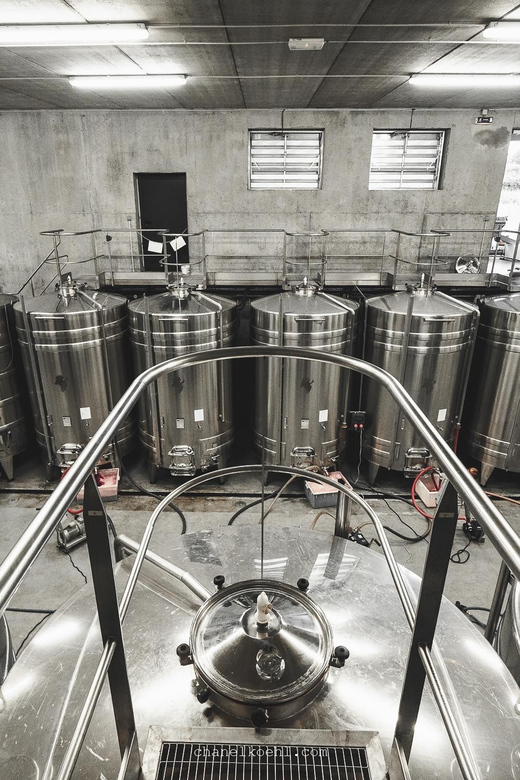
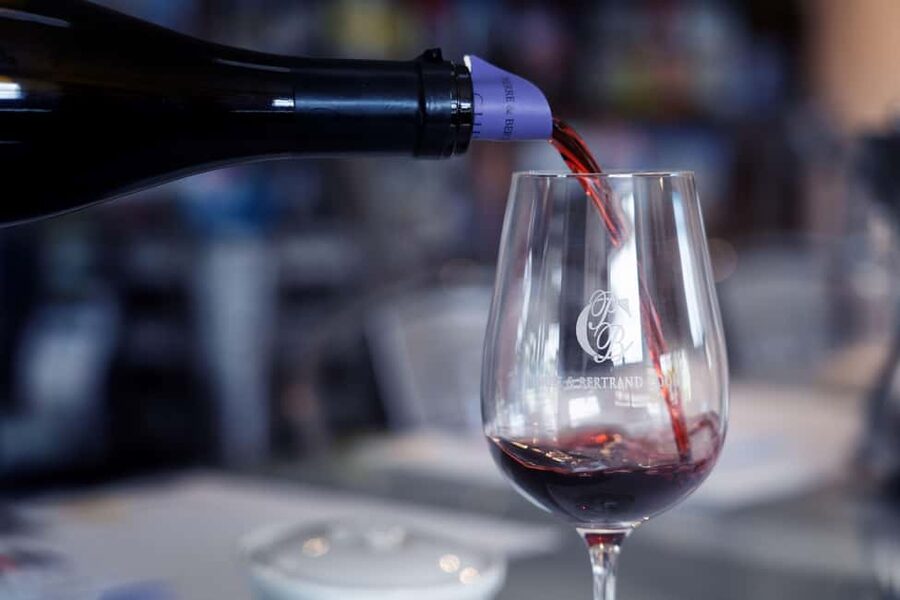
This tasting includes 8 Chinon wines, all from the Chinon appellation. Even without a lecture, that lineup is a smart way to compare styles while keeping a consistent regional “language” for your palate.
Chinon is known for wines that often play with fruit, acidity, and earthy notes. In a pairing setting, that balance is helpful. It can lift flavors in cheese, soften sharper edges, and make subtle aromas easier to notice.
The way this works for you: you’re not just sampling randomly. You’re repeatedly tasting, resetting your palate, and testing how each wine behaves next to different cheeses. That’s where your brain starts to catch patterns: which wine brightens a cheese, which one smooths it out, and which pairings feel like a letdown.
Also, one small but important point from experience: pours can be on the generous side. If you usually feel like wine tastings are stingy, this one has a better chance of giving you enough to taste properly instead of taking a sip and guessing.
The cheese selection: local farmhouse cheeses and the raw milk note
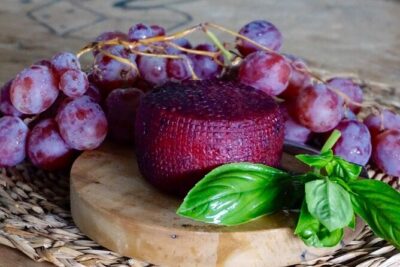
You’ll also taste 8 local farmhouse cheeses, and this is where the experience becomes more than just wine shopping.
The standout detail is the milk source. Most of the cheeses are made from raw goat milk, and only two are from raw cow milk. That matters because raw goat milk cheeses often show a distinctive character: tang, texture, and a flavor that can feel both lively and very specific.
Why that’s valuable for you: it makes the pairing more educational without needing a long speech. As you go through the cheeses, you’re not just tasting “cheese.” You’re tasting different expressions of farmhouse dairy, and you can track how the wines react to that shift.
Also, this is one reason the tasting is not suitable for everyone. If you have lactose intolerance, the activity is listed as not suitable. Plan around that, because with raw-milk cheeses, you don’t want surprises.
If you’re the kind of eater who likes to notice texture—how cheese changes when it warms, how salt affects perception, how acidity interacts—this cheese lineup is the engine.
Using the tasting booklet: your cheat code for better pairings
You’ll be given a booklet so you can note your impressions throughout the tasting. This sounds like a small detail, but it’s one of the things that turns a snack-and-sip event into a real experience.
Here’s how to use it well:
- Write down what you notice first, not what you think you should write.
- When you find a pairing you love, mark why it works for you (acidity, creaminess, aroma match).
- When you find one that clashes, note the clash. You’ll often spot the pattern the next time you try.
This is also a good way to keep your group aligned if you’re tasting with a partner. You can compare notes without feeling like you’re interrupting your own experience. One of the best parts of pairings is that you can verify your taste without being told what to think.
Vineyard trail option: a simple add-on that changes the mood
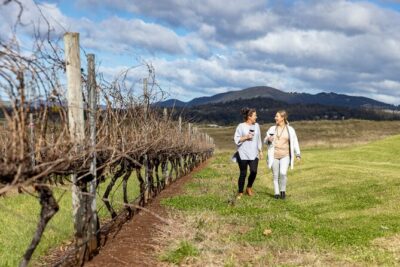
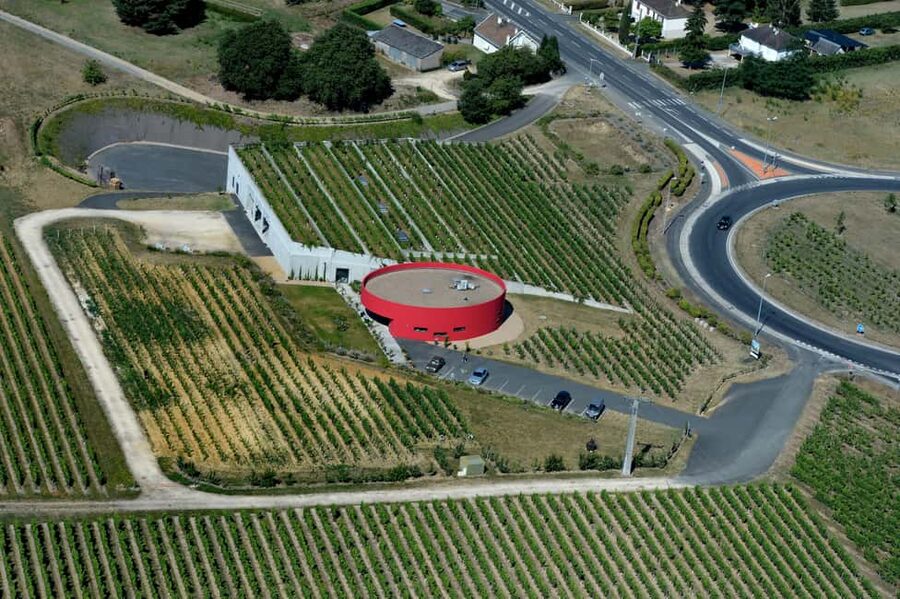
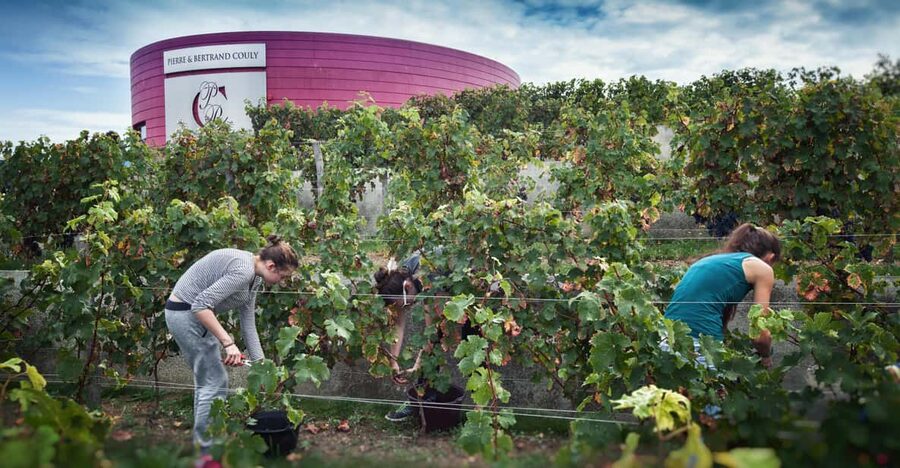
If you want the experience to feel more like Loire Valley than just a tasting room stop, add the suggested walk along the vineyard trail around the cellar.
It’s not a long hike. It’s more like a reset: you get a look at the surroundings before you taste, and your brain connects the wines to a landscape.
Why this helps: wine and cheese can feel abstract when you only taste indoors. A short walk makes the flavors feel anchored. Even if you’re not into scenery, it gives you a moment to slow down before you taste.
What the tasting is like in real life: calm, paced, and practical
The experience has a very specific rhythm:
- Welcome and overview at the cellar
- Self-paced movement through the wine and cheese set
- Team nearby if you want guidance
- Booklet notes throughout
- Optional vineyard trail walk to enhance the moment
That pacing is good for most people, because it lowers the stress of “performing” as a tasting guest. You’re free to focus.
It’s also worth knowing there can be variation depending on group size. In groups of four, you should expect more commentary from a team member. In larger small groups, you may find it more independent, with support available when you ask.
And if you’re traveling with friends and you want more conversation, be proactive. Ask questions early—about the wines, the cheeses, or milk sourcing. You’ll get better results than waiting for a perfect moment.
Price and value: $31 is reasonable if you like tastings you can control
Let’s talk money in a practical way.
You get 16 tasting components total (8 wines + 8 cheeses) over 1 hour. You’re also tasting from local producers—the cheese selection is specifically sourced locally—and the wine lineup is consistent (all Chinon). That consistency helps you compare rather than just sampling everything at random.
So the $31 feels fair if you fit one of these profiles:
- You enjoy experimenting and comparing pairings on your own.
- You like structured tastings more than open-ended vineyard wandering.
- You want a concentrated experience without committing an entire afternoon.
It may feel steep if you want a fully guided experience with constant narration. This tasting leans more toward self-guided exploration, even with staff present.
Who should book this experience (and who might not)
I think this works best for adults who love food and wine pairings and enjoy learning through tasting rather than lecture.
It’s a strong match if:
- You want a calm, sensory session rather than a crowded tour.
- You like writing down notes and building your own flavor map.
- You’re curious about farmhouse cheeses, especially raw goat milk varieties.
It’s not a fit if:
- You’re lactose intolerant (the activity is listed as not suitable).
- You’re pregnant (also listed as not suitable).
- You’re traveling with children under 18 (not suitable).
- You dislike walking a bit. The tasting can involve moving through the area, and the vineyard trail option adds some outdoor time.
Wheelchair accessibility is listed as available, which is a real plus for planning.
How to get the most out of your hour
Want to leave feeling like you discovered something, not just sampled stuff? Do these small things:
- Start with a plan: pick one wine and one cheese you think you’ll like, then work outward.
- Go back once: don’t assume your first impression is final. Try your favorite pairing again after a couple of others.
- Taste with intention: notice acidity first, then texture, then aroma.
- Ask early: if you want more explanation, ask at the start so you’re not guessing later.
- Use the booklet: even quick notes help you remember what actually worked.
If you’re with someone you can compare thoughts quickly, but try not to talk over every sip. The best pairings are often the ones you notice when you stop rushing your conversation.
Should you book this wine and cheese tasting?
Book it if you want an hour in the Loire Valley that feels like a real food experience: Chinon wine and local farmhouse cheese, paired at your own pace, with enough structure to make your comparisons meaningful. The raw goat milk detail also makes the cheese side more interesting than generic tasting-room options.
Don’t book it if you need constant guidance or you’re sensitive to dairy. And if you’re the type who feels irritated by self-guided formats, you might find the independence frustrating. In that case, consider asking how the staff will support your group right away, especially if you’re booking for four.
FAQ
FAQ
What is the duration of the Wine and Cheese experience?
It lasts 1 hour.
Where does the experience take place?
It’s located in the Loire Valley, France, at Cave Pierre et Bertrand COULY.
What is included in the tasting?
You’ll taste 8 Chinon wines and 8 local farmhouse cheeses, with freedom to explore pairings at your own pace.
How big are the groups?
It’s a small group experience, limited to 10 participants.
Which languages are available?
The host or greeter speaks English and French.
Is the tasting accessible for wheelchair users?
Yes, the experience is listed as wheelchair accessible.
Who should not book?
It is not suitable for pregnant women, children under 18, and people with lactose intolerance.