REVIEW · MARRAKECH
Moroccan Cheese and Bread Making workshop
Book on Viator →Operated by Marrakech Cooking Class With Chef Khmisa · Bookable on Viator
Cheese making in Marrakech is delightfully hands-on. This Moroccan Cheese and Bread Making workshop teaches you to make your own fresh cheese step by step, with flavor options like paprika, oregano, thyme, and rosemary. I also like the way the class pairs what you make with a proper Moroccan moment: mint tea plus warm Moroccan bread and crepes.
You’re not stuck watching from the sidelines. This is a small-group format (max 6), held in a home kitchen in the medina, led by Chef Khmisa. One thing to consider: the total time is about 2 hours, so it’s a focused lesson, not a long, multi-stage cheese project.
If you like learning by doing—mixing flavors, shaping cheese, then sitting down to eat—you’ll feel right at home fast. And if you want a calm, quiet, private experience, the small group is great, but it’s still a shared workshop setting.
In This Review
- Key highlights you’ll care about
- Where it starts: Rue Bab Doukkala and a medina kitchen
- Making Moroccan jben: paprika, oregano, thyme, rosemary
- A fair note on difficulty
- The Moroccan tea lesson and why it matters
- Eating Moroccan bread and crepes with what you made
- Group size, time, and how to plan your visit
- Price and value: what $30.13 really buys you
- Who should book this Marrakech workshop (and who might skip it)
- Should you book the Moroccan cheese and bread workshop?
- FAQ
- How long is the Moroccan Cheese and Bread Making workshop?
- What type of cheese will I learn to make?
- Do we also make Moroccan tea and bread during the experience?
- Where does the workshop meet in Marrakech?
- How big is the group?
- When will I get confirmation after booking?
- What is the cancellation policy?
Key highlights you’ll care about
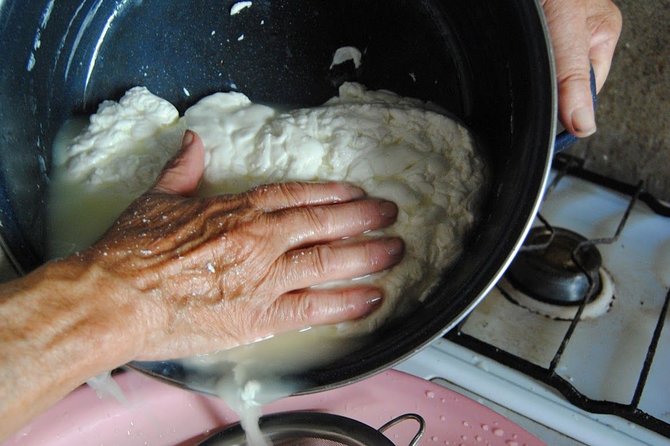
- Fresh Moroccan jben-making, step by step in a home-kitchen setting
- Flavor your cheese with options like paprika, oregano, thyme, and rosemary
- Learn Moroccan mint tea and then taste your cheese with it
- Enjoy warm Moroccan bread and crepes alongside the cheeses
- Small group size (up to 6) for more time with the instructor
- Held in the medina, starting at Rue Bab Doukkala, near public transportation
Where it starts: Rue Bab Doukkala and a medina kitchen
The workshop starts at Rue Bab Doukkala, Marrakesh 40000. The experience ends back at the meeting point, so you’re not left figuring out your way once you’re done eating. Since it’s near public transportation, you can usually get to the area without a complicated plan.
What makes the meeting point choice meaningful is simple: it keeps the experience grounded. You’re not traveling out to the edge of town or into a commercial kitchen. Instead, you’re meeting in the heart of the medina, then moving into the kitchen where the making happens. That home-base feel is part of why classes like this work for beginners—there’s no intimidating “professional only” vibe.
You’ll also want to think timing. The class runs about 2 hours, so arriving close to the start time matters. If you’re coming from a busy part of town, give yourself a little buffer so you don’t rush the first 10 minutes.
Making Moroccan jben: paprika, oregano, thyme, rosemary
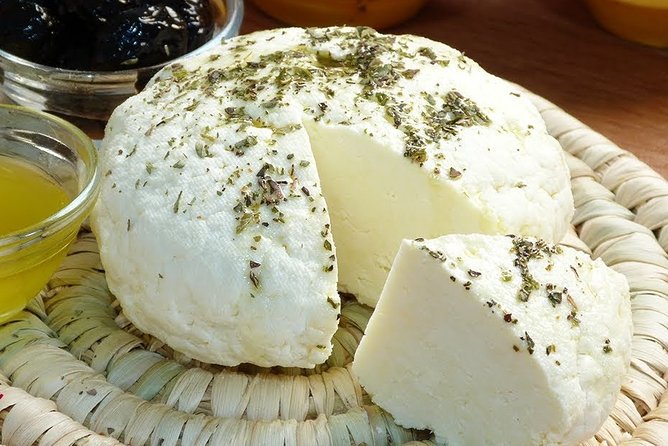
The main event is learning how to make Moroccan cheese called jben. The workshop is built as a step-by-step lesson, with you actively creating your own homemade cheese in the kitchen. You also get to try different flavor directions, including paprika, oregano, thyme, and rosemary.
I like that the flavors are practical rather than random. These are spices and herbs you can actually picture using later—on a breakfast board, in sandwiches, or as a snack with bread. Instead of one plain cheese and a vague concept, you leave with a clearer sense of how to adapt the taste.
Another smart part: the workshop doesn’t treat cheese as a single final product. You make cheese, then you taste it as part of a meal. That pairing helps your brain connect the process to the outcome. If you’re the type who forgets instructions later, this “make and eat” rhythm makes the lesson stick.
And yes, you’ll probably feel the urge to stop buying supermarket cheese after a session like this. Not because the other stuff is bad, but because fresh cheese tastes like a different category—creamier, more alive, and simpler in a way that makes flavor stand out.
A fair note on difficulty
The class is described as easy for beginners. Still, fresh cheese making has a few hands-on steps, so don’t expect the learning curve to be zero. If you prefer highly technical instructions or long training, you might want a longer class elsewhere. Here, the goal is to get you making confidently within the 2-hour format.
The Moroccan tea lesson and why it matters
After cheese making, the workshop shifts to Moroccan mint tea. You’ll learn how it’s made, then enjoy a glass of the tea with the cheese you prepared. This is more than a food ritual for photos. Tea changes the whole experience.
Mint tea is bright and cooling. It helps cut through the richness that fresh cheese naturally brings. It also turns your tasting into something you can actually reproduce at home: tea plus cheese plus bread. You’re not just learning food prep—you’re learning a simple serving style that makes your homemade product feel “complete.”
If you’re a tea person, you’ll enjoy the hands-on part. If you’re not, mint tea is still a nice bridge into Moroccan flavors. Either way, it makes the workshop end like a meal, not like a lesson you escaped and forgot.
Eating Moroccan bread and crepes with what you made
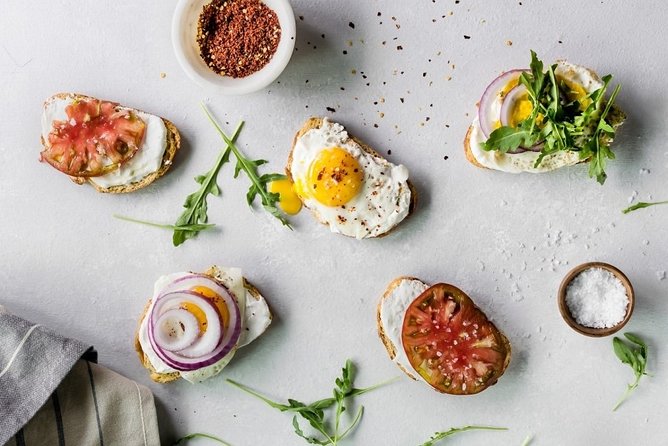
One of the best parts of the workshop is that you don’t leave hungry. Along with your cheese and mint tea, you’ll enjoy a warm variety of Moroccan bread and crepes.
This matters for value and learning. Food classes that only teach and never feed you can feel like a chore. Here, you get to taste the cheese in the exact context you’d likely use it in real life: with bread that helps it shine and with crepes that make it easy to turn into something more filling.
Bread also helps you understand texture. Fresh cheese has a different mouthfeel than aged cheese, and pairing it with warm bread tells you what to expect. It’s the kind of detail you can’t pick up from descriptions online.
And because you’re eating what you made, it’s easier to notice what flavor additions changed. Was paprika warmer and deeper? Did herbs feel fresher? The pairing helps you answer those questions for yourself.
Group size, time, and how to plan your visit
This experience caps at 6 travelers. For a cooking class, that’s a meaningful number. It usually means more personal attention, and it’s easier to ask questions while things are moving. In a small kitchen setup, attention can drift quickly in larger groups, so the limited size is a practical win.
The workshop lasts about 2 hours. That’s a good length if you want something memorable without sacrificing your whole day. It also works well if you’re building a food itinerary in Marrakech, where you might want time for the souks, a guided walk, or another meal later.
Booking timing is also worth noting. On average, it’s booked around 10 days in advance, so if you know your dates, don’t leave it to the last minute. Chef-led classes in the medina often fill because people want the home-kitchen experience, not just a quick tasting.
Finally, it’s a mobile ticket experience. That’s a small thing, but it reduces friction—less paperwork and fewer “where did I put my confirmation” moments. Near public transportation also helps you slot it into a day without needing a taxi for every leg.
Price and value: what $30.13 really buys you
At $30.13 per person, this workshop sits in a reasonable zone for a hands-on food class in a major tourist city. The key for value is what’s included in that price.
You’re paying for three things that typically cost extra if bought separately: instruction to make jben, the ingredients and steps that go into the cheese process, and the food portion at the end—mint tea plus warm Moroccan bread and crepes. Many cooking classes focus on the lesson only. Here, the meal finish turns the class into a full experience.
You’re also paying for the setting: a home kitchen in the medina and a limited group size with Chef Khmisa. That combination tends to be more memorable than classes held in larger, commercial spaces.
Is it a bargain? If you’re the type who loves learning by doing and you plan to use those flavors later, it can feel like a solid deal. If you’re only interested in tasting cheese and not learning, you may decide it’s not for you. But if you want technique plus payoff, the cost-to-experience ratio looks fair.
Who should book this Marrakech workshop (and who might skip it)
Book this if you:
- Love cheese and want to make fresh Moroccan jben yourself
- Prefer beginner-friendly instruction that’s actually hands-on
- Want a class that ends with a sit-down taste: mint tea, bread, and crepes
- Like small-group formats (up to 6) where you can ask questions
You might skip it if:
- You’re looking for a long, multi-day cooking program
- You want a very advanced technical workshop focused on detailed fermentation or long aging (this one is designed to fit into 2 hours)
- You dislike medina-area logistics and would rather avoid that kind of neighborhood start
Should you book the Moroccan cheese and bread workshop?
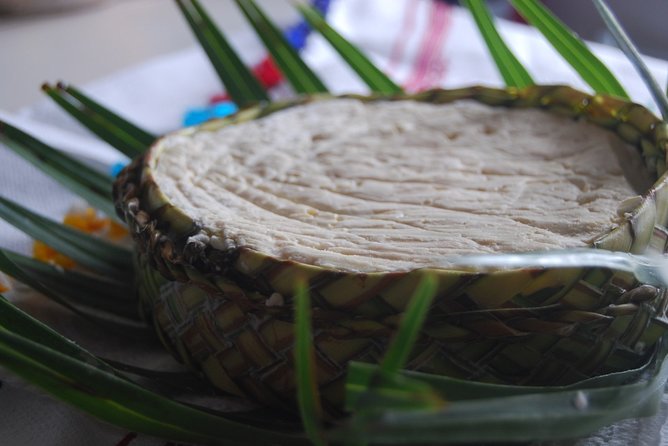
I think it’s a strong choice when you want real food skills in a short window. The step-by-step jben focus, the flavor options (paprika, oregano, thyme, rosemary), and the fact that you also learn mint tea and eat warm Moroccan bread and crepes make it feel complete.
If you’re traveling with limited time but big appetite for hands-on learning, this class fits neatly. And with Chef Khmisa leading the session in a medina kitchen, it’s the kind of experience that’s easy to remember because you leave with both skills and a full, satisfying meal.
FAQ
How long is the Moroccan Cheese and Bread Making workshop?
It lasts about 2 hours.
What type of cheese will I learn to make?
You’ll learn to make Moroccan cheese jben, with options for different flavors such as paprika, oregano, thyme, and rosemary.
Do we also make Moroccan tea and bread during the experience?
Yes. You’ll learn how to make Moroccan mint tea, and you’ll enjoy it with the cheese you made, plus warm Moroccan bread and crepes.
Where does the workshop meet in Marrakech?
The meeting point is Rue Bab Doukkala, Marrakesh 40000, Morocco, and the activity ends back at the same point.
How big is the group?
The workshop has a maximum of 6 travelers.
When will I get confirmation after booking?
Confirmation is received within 48 hours of booking, subject to availability.
What is the cancellation policy?
You can cancel for a full refund if you cancel at least 24 hours before the experience starts. If you cancel less than 24 hours before, the amount paid is not refunded.