REVIEW · PARIS
Paris: Wine and Cheese Tasting with a Chef Sommelier
Book on GetYourGuide →Operated by Foodie experiences · Bookable on GetYourGuide
Paris turns into a classroom when cheese shows up. This 2-hour food-and-wine experience starts at Mouffetard Market and ends with a proper French-style tasting guided by Chef Alex. What I like most is how the morning’s walking tour makes the tasting make sense, instead of feeling like a random food stop.
The second thing I really like: you don’t just sip and nibble. You get structured pairing lessons, including blind tastings and small games that push you to pay attention. One possible drawback to plan for: you’ll be walking and standing for about half an hour, so comfortable shoes matter.
In This Review
- Key points worth caring about
- Start at 98 Rue Monge, Then Let the Latin Quarter Teach You
- Mouffetard Market: Why This Place Makes Wine-and-Cheese Click
- Meeting Chef Alex and Learning the French Way of Eating
- The Main Event: A French Cheese Flight Paired With Three Wines
- Blind Tastings and Pairing Games That Train Your Palate Fast
- French Etiquette at the Table: Small Habits, Big Payoff
- Price and Value: Why $69 Feels Fair for What You Get
- Practical Tips for Your 2-Hour Cheese-and-Wine Plan
- Who Should Book This and Who Should Skip It
- Should You Book This Wine and Cheese Tasting With Chef Alex?
- FAQ
- How long is the Paris wine and cheese tasting?
- Where is the meeting point?
- What metro stop should I use?
- What happens at the Mouffetard Market?
- How many cheeses and wines are included?
- Are bread, fruit, or other sides included?
- Does the experience include interactive activities?
- What languages is the tour guide available in?
- Is it suitable for vegans or lactose intolerance?
- Is cancellation allowed if my plans change?
Key points worth caring about
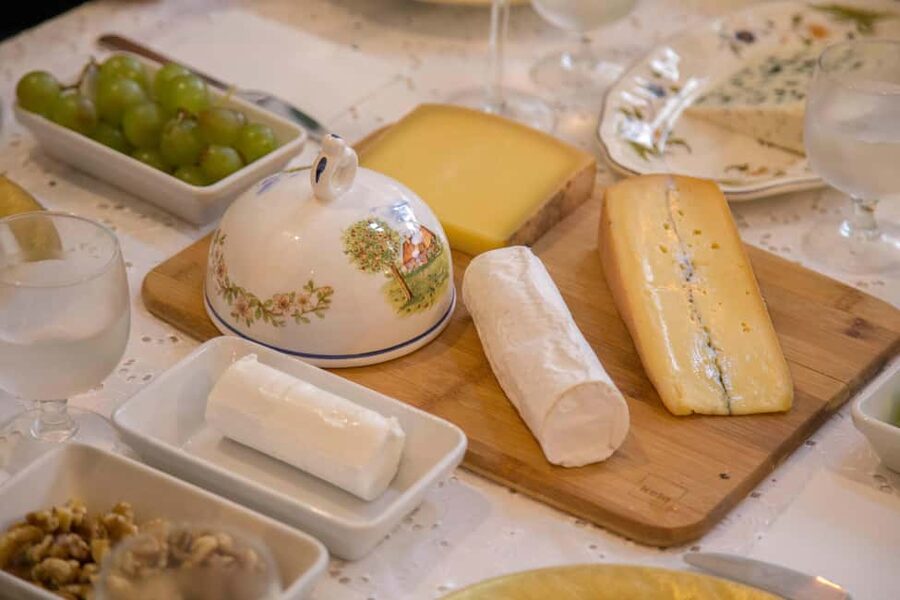
- Mouffetard Market first: you learn what to look for in French food shops before tasting anything.
- Six cheeses, three wines: you get enough variety to learn pairing, not just taste a couple bites.
- Blind tasting format: it trains your palate fast, even if you’re new to wine and cheese.
- Hands-on French food know-how: etiquette tips plus practical table behaviors you can use right away.
- Chef Alex’s teaching style: lively, funny, and focused on how to enjoy what you’re eating.
Start at 98 Rue Monge, Then Let the Latin Quarter Teach You
Your day begins at 98 Rue Monge, outside the Mejane Café. It’s a smart start point because you’re already in the Latin Quarter rhythm—streets that feel designed for wandering with purpose. If you’re taking the metro, Line 7 to Censier-Daubenton is the easy route, and you’ll be walking from there anyway.
I like that the pace respects reality. You’re not on a forced sprint from one “photo spot” to another. You’re moving through the neighborhood while your guide sets context—why certain shops exist, what people buy, and how Paris food culture works beyond restaurants.
And yes, you should plan to walk. The experience includes about half an hour of standing and strolling, so skip cute-but-tender shoes. Bring a camera and, if you tend to get thirsty, a water bottle.
You can also read our reviews of more tours and experiences in Paris.

Mouffetard Market: Why This Place Makes Wine-and-Cheese Click
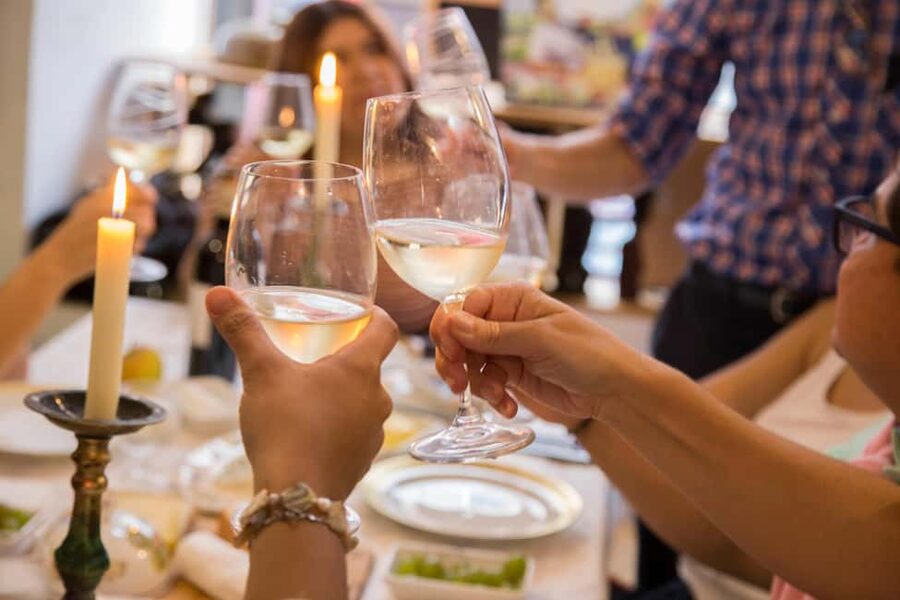
The heart of the experience is the walk and guided look at the historic Mouffetard Market. This isn’t a generic market stop. You’re shown food shops and historic stores, plus little bits of food-related architecture that explain how the area became what it is.
What makes this valuable is sequencing. You see how locals shop, what’s sold, and how different producers fit into daily life. Then, when you sit down later, you’re tasting with a clearer idea of what you’re looking at—fat vs. acidity, texture vs. aroma, and how bread and fruit affect the whole bite.
In the market portion, you also get welcome refreshments and multiple food tastings as you go. That small sampling matters. It gets your palate awake before the main cheese-and-wine round, and it keeps you from arriving at the restaurant feeling cold to the flavors.
One more detail worth noting: the guide encourages participation. You’re not just listening while a camera gathers dust. Expect prompts, questions, and some interaction as you move through the stalls.
Meeting Chef Alex and Learning the French Way of Eating
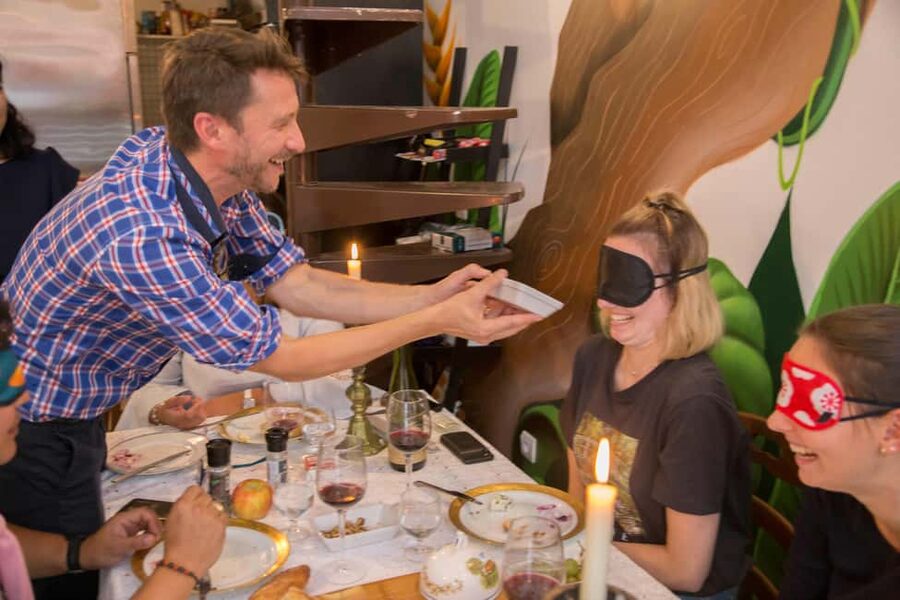
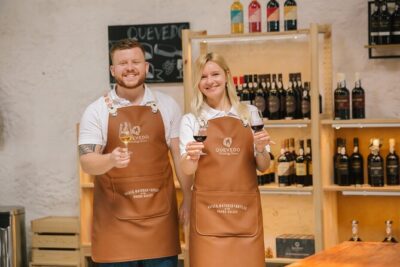
Chef Alex, the guide and sommelier for the tasting portion, brings the experience to life. A pattern comes up again and again in the feedback: he’s engaging, funny, and unusually good at keeping people involved. He doesn’t treat wine and cheese like a museum label—he treats it like something you practice.
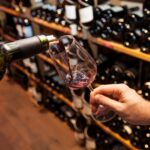
This matters for you, especially if you’re not a “wine person.” The session is built so you can follow along even with limited experience. You’ll get practical guidance on how to taste—how to pay attention to aroma, how to take a bite in a way that lets wine make sense beside it, and how to reset between different cheeses.
Chef Alex also shares tips related to French food etiquette. That can be surprisingly useful. Knowing how locals approach ordering bread, sharing at the table, and the general rhythm of a meal helps you enjoy what you do later—whether it’s a casual café sandwich or a full dinner.
The Main Event: A French Cheese Flight Paired With Three Wines
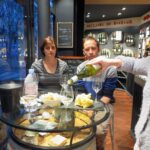
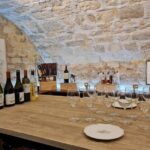
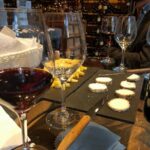
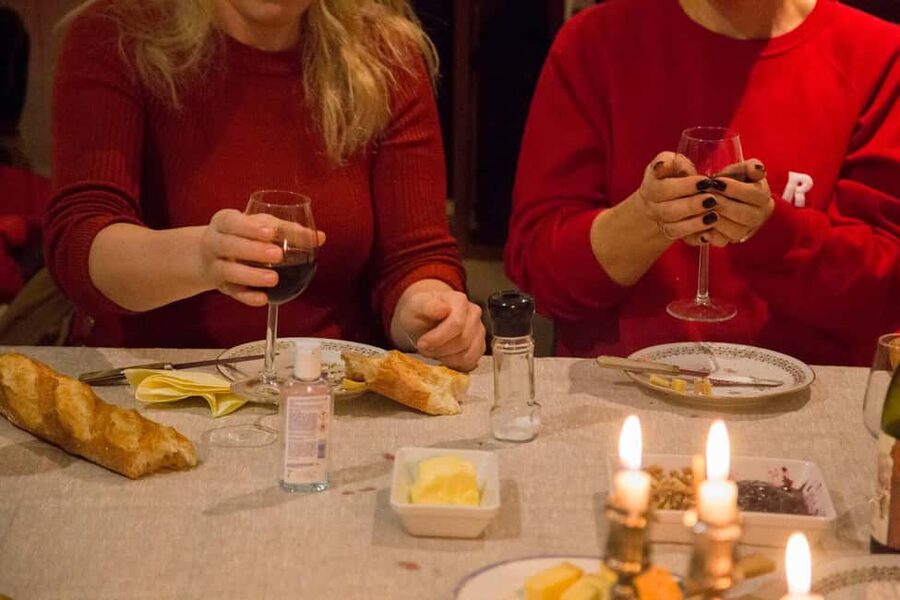
After the market, you head to a cozy private restaurant nearby. This is where the experience becomes very tangible: you’re seated, the teaching becomes more focused, and your tasting stops being random.
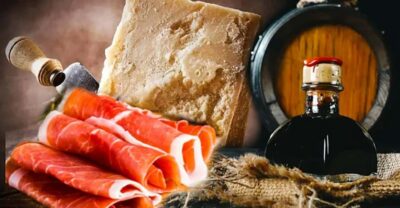
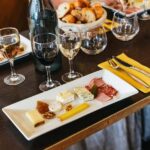
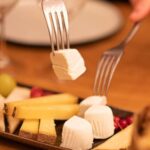
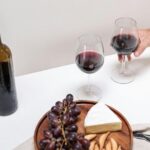
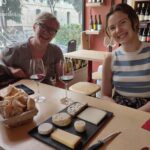
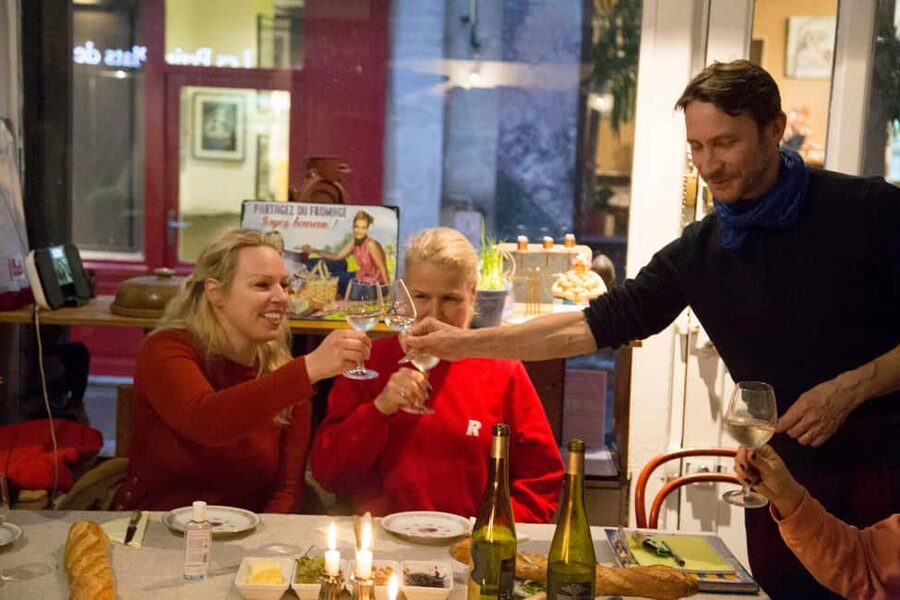
You’ll enjoy six French cheeses paired with three carefully selected wines. The pairings are the point. The cheeses aren’t just an assortment; they’re arranged to help you learn how different styles behave with red and white wine.
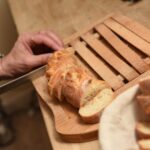
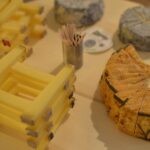
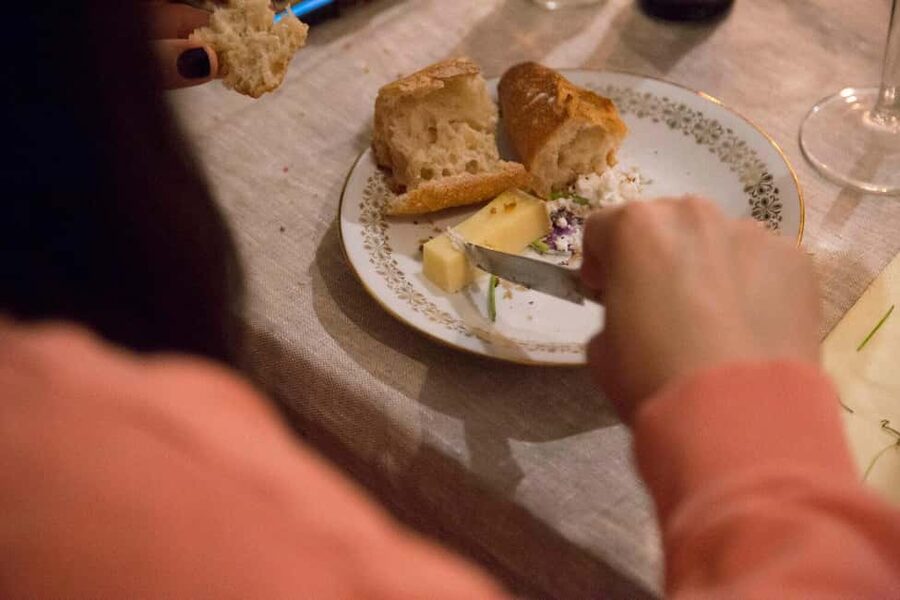
The table also includes the usual French-side supporting cast: crunchy baguette, marmalade, nuts, butter, olive oil, and a mix of fruits such as apple and grape. You also get flat water. This “support system” is key. Bread gives structure, fruit adds brightness, and spreads like marmalade or butter change the perceived flavor of the cheese. You’re basically getting a small lesson in how French meals build balance, not just intensity.
If you want the easiest way to get the most out of this part, do this:
- Smell first, then taste.
- Take a bite, then sip.
- Try the same cheese with bread alone and then with the wine.
You’ll start noticing what the guide is trying to teach you.
Blind Tastings and Pairing Games That Train Your Palate Fast
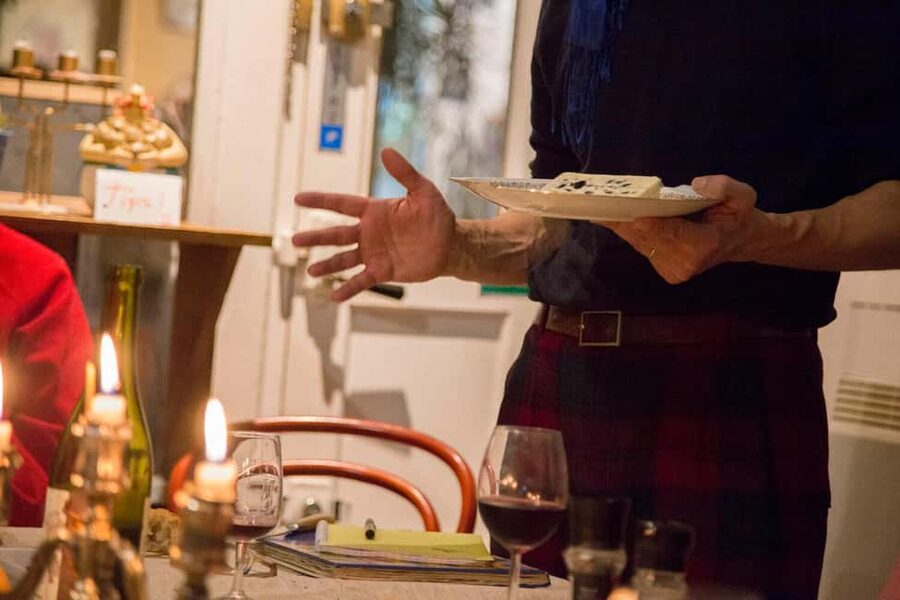
The fun doesn’t wait until the end. You’ll do blind tastings plus interactive games designed to make you pay attention. These activities help you move from guessing based on labels to actually reading flavor.
In the process, you’ll learn pairing secrets that go beyond the usual advice. Expect tips like adjusting how you season and handle cheese, and learning what changes when you combine cheese, bread, and wine in different orders. One example from the learning style people highlight: you’ll get pointed guidance on how a little approach like salt and pepper can change your perception of certain cheeses.
You may also hear details about cheese maturity and how cheeses behave as they age. Some participants mention learning the difference between what they described as dead and alive cheese—information that helps you stop thinking of cheese as one category and start hearing it as different “worlds” of flavor and texture.
Bottom line: the games help you learn without feeling like you’re in a lecture hall. You leave with usable technique, not just fond memories.




French Etiquette at the Table: Small Habits, Big Payoff
A lot of wine-and-cheese tours stop at tasting. This one adds table know-how—French food etiquette and how to make the most of a meal. It’s not about rules for show. It’s about comfort and flow.
Here’s what you can reasonably expect from the style of instruction: guidance on the rhythm of eating, how to talk while you taste, and how to order and enjoy food like you belong. People also mention getting practice in small language moments, like how to order a baguette in French, and that kind of practical confidence can pay off fast during the rest of your trip.
If you’re the type who wants to feel less like an outsider in restaurants, this is a real advantage. You’re not only tasting French food—you’re learning the social script that comes with it.
Price and Value: Why $69 Feels Fair for What You Get
At $69 per person for 2 hours, the biggest question is value. Here’s how I’d judge it.
You’re paying for a guide who walks you through an actual market area first, then brings you into a private restaurant setting. You’re also getting a full tasting structure: six cheeses, three wines, plus bread, spreads, nuts, fruits, and water. That’s not a “couple bites” situation. It’s enough variety that pairing instruction has meaning.
The other value piece is how Chef Alex teaches. People repeatedly mention that the experience feels relaxed, fun, and never like a stiff seminar. Even one complaint that pops up is minor—like being a couple minutes late at the start—while the rest of the session gets described as excellent. That suggests the learning portion is the real product, and it comes through.
For the money, it’s a good choice if you want something more structured than wandering Mouffetard on your own. If you love food but don’t want to guess at pairings, this format saves you time and confusion.
Practical Tips for Your 2-Hour Cheese-and-Wine Plan
This experience works best when you show up ready to taste, walk, and learn.
Bring:
- Comfortable shoes (you’ll walk and stand for about half an hour)
- A camera (market details and tasting moments are photogenic)
- A water bottle, especially if it’s warm
Wear:
- Something you can stand in without regret. The restaurant part is seated, but there’s still time on your feet during the market.
Language:
- The guide supports French, English, and Spanish, so you should be able to follow along even if your French is basic.
Weather:
- There’s shelter available at the meeting point under the Mejane Café awnings if rain or sun gets intense.
Where it ends:
- You finish at 116 Rue Mouffetard, which is convenient if you want to keep exploring the area after the tasting.
Who Should Book This and Who Should Skip It
This tour is a strong match if you want a fun, interactive way to learn wine-and-cheese pairing. It also suits couples, small groups, and anyone who enjoys a guided neighborhood walk with a food focus.
You should skip it if:
- You’re vegan (it’s not suitable)
- You have lactose intolerance (it’s not suitable)
You’ll also get more out of it if you’re open to tasting various cheeses and learning how they connect to red and white wines. If you only want a quick sampling with zero instruction, you might find it more educational than you expected—but for most people, that’s the point.
Should You Book This Wine and Cheese Tasting With Chef Alex?
Yes, I’d book it if you want an experience that teaches you how to enjoy French food, not just how to eat it. The best part is the pairing lesson delivered in two stages: market context first, then a seated tasting that uses six cheeses and three wines to show the logic.
Book it especially if you’ll struggle to choose cheeses and wines on your own. Chef Alex’s style—fun, hands-on, and focused on how to taste—turns that decision fatigue into confidence.
If you’re lactose intolerant or avoiding dairy, don’t book. If you’re comfortable walking a bit and you enjoy interactive learning, this is one of those Paris experiences that leaves you with real technique and a very full stomach.
FAQ
How long is the Paris wine and cheese tasting?
It lasts about 2 hours.
Where is the meeting point?
You meet outside the Mejane Café at 98 Rue Monge.
What metro stop should I use?
Take Metro Line 7 (pink) to Censier-Daubenton.
What happens at the Mouffetard Market?
You get a guided look at the historic market, with local food shops and food-related sights, plus welcome refreshments and food tastings during the market portion.
How many cheeses and wines are included?
You’ll taste six French cheeses paired with three selected wines.
Are bread, fruit, or other sides included?
Yes. You’ll have crunchy baguette, marmalade, nuts, butter, olive oil, flat water, and fresh fruits like apple and grape.
Does the experience include interactive activities?
Yes. There are blind tastings and interactive games designed to teach pairing and savoring.
What languages is the tour guide available in?
The guide can run the experience in French, English, and Spanish.
Is it suitable for vegans or lactose intolerance?
No. It is not suitable for vegans or for people with lactose intolerance.
Is cancellation allowed if my plans change?
Yes. You can cancel up to 24 hours in advance for a full refund.