REVIEW · PARIS
Paris Wine and Cheese Tastings Class near Le Marais
Book on Viator →Operated by Meeting the French · Bookable on Viator
A cellar tasting beats the usual Paris wine stroll. In 90 minutes you’ll get hands-on wine-and-cheese pairing guided by people who really care. The setting is intimate, and the format is built for learning, not just drinking.
I especially like the way the class connects your tastings to France itself. You start with an overview of French wine regions using maps and real soil samples, then you taste with cheese meant to match what you’re learning.
One thing to keep in mind: this isn’t a sit-down restaurant meal. It’s a boutique tasting experience, so the toilets may not be conveniently close or easy to reach.
In This Review
- Key highlights worth booking
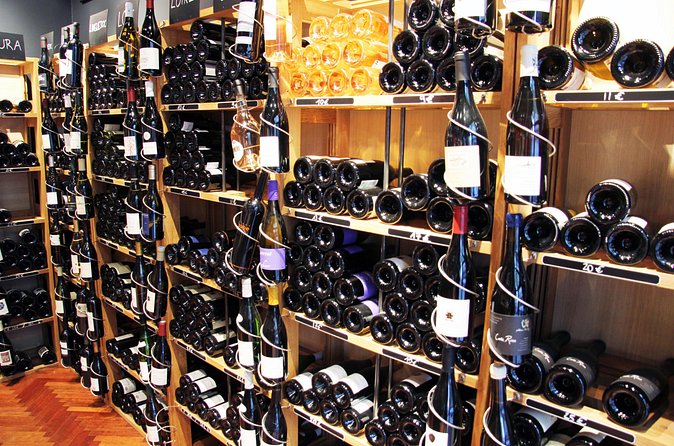
- Where this Paris class happens: a boutique tasting near Le Marais
- The cellar lesson that makes pairing make sense
- Tastings with oenologists: what you’ll be able to ask
- The wine-and-cheese pairing flow (and why bread matters)
- How the cheese improves what you learn about wine
- Soil samples and maps: the secret sauce for beginners
- Bread-and-water breaks that keep the tasting comfortable
- Group size and pacing: why this feels more intimate
- What’s included in the price (and what isn’t)
- Practical tips for your 3:30 pm wine-and-cheese tasting
- Who should book this class near Le Marais
- Should you book? My take on the value
- FAQ
- How long is the Paris wine and cheese tasting class?
- Where do I meet, and where does the tour end?
- Is the tasting offered in English?
- What’s included in the price?
- Do you have an age limit?
- What is the cancellation policy for a full refund?
Key highlights worth booking
- Max 8 people for a real conversation instead of a lecture you can’t ask questions in
- Soil samples and maps that explain how terrain shapes grape choices and flavors
- You can request wines you like so the lesson connects to your tastes
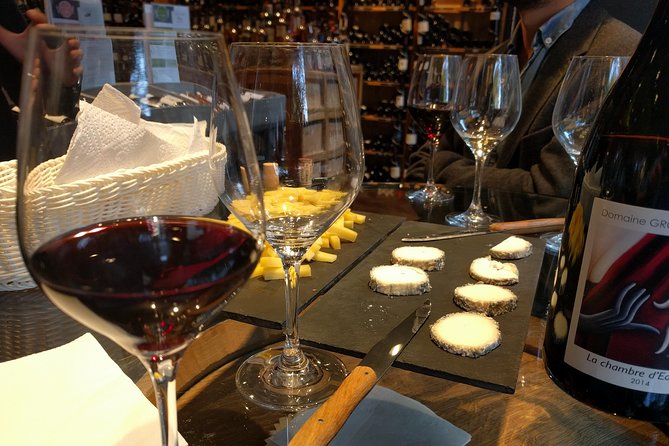
- Artisanal cheese pairing with each wine to help you read the flavors
- Bread, water, and a spittoon so you can taste carefully and stay in control
- English offered, with a team focused on Q&A and clarification
Where this Paris class happens: a boutique tasting near Le Marais
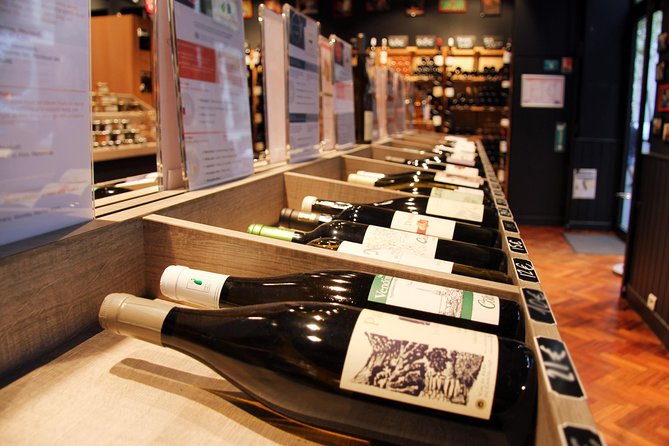
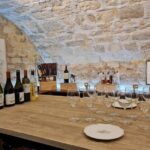
This experience runs out of a wine-focused boutique at 30 Rue Faidherbe, 75011 Paris, and it ends right back at the same meeting point. The start time is 3:30 pm, and it runs about 1 hour 30 minutes. Since it’s near public transportation, you can plug it into an afternoon around Le Marais without fighting complicated logistics.
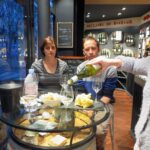
The vibe is what you want for this kind of class: calm, focused, and designed for tasting. You’ll be greeted and brought into the prepared tasting area, which helps you settle in quickly and get to the good part—pours and pairing.
Also, it’s offered in English. That matters here, because a lot of the value comes from asking questions and getting explanations in plain language.
You can also read our reviews of more tours and experiences in Paris.
The cellar lesson that makes pairing make sense
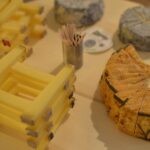
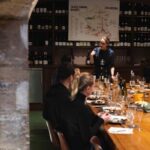
Before you taste your way through the menu, you get an overview of how French wine regions connect to what ends up in your glass. The guide uses maps plus authentic soil samples, so you can connect the idea of terroir—terrain, soil, and climate—to why grapes behave differently.
What I like about this part is how practical it feels. Instead of memorizing names, you’re building a framework for taste: how the same general grape family can lead to different profiles depending on where it grows. You also get help thinking about wine categories, including discussion around bouquet—how aromas and scent families show up as wine develops.
This is where the class separates itself from a generic wine tasting. When you understand the why, you taste with more confidence. You don’t just wonder what you’re liking—you can start explaining it.
Tastings with oenologists: what you’ll be able to ask
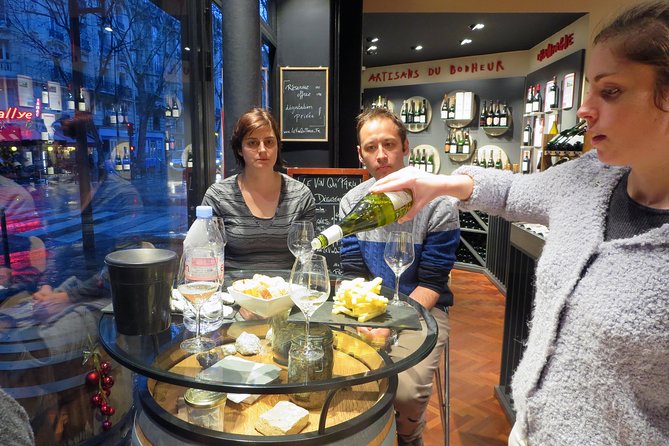
After the setup, you meet your wine expert (including oenologists on the team) and move into the tasting portion. The format is question-friendly. That sounds obvious, but in many tours you ask one thing and then the group moves on. Here, the whole structure is built around learning and dialogue.
If you have favorite French wines you’ve tried before, you can request tasting topics tied to your preferences. That’s a big deal if you don’t want a random flight that ignores your palate. You’ll also learn from the team’s passion for French wines, including what to notice as flavors shift from wine to wine.
One detail I really appreciated from past participants’ notes: Alex stood out for being friendly and genuinely helpful. There was even a moment where he checked on people who hadn’t eaten recently and stepped out to get fresh bread to go with the tastings. That kind of care matters because tasting works better when your body is ready for it.
The wine-and-cheese pairing flow (and why bread matters)
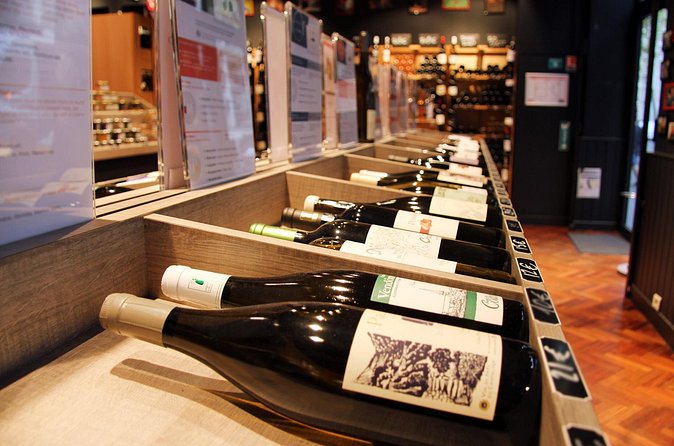
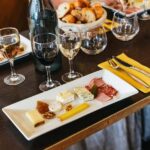
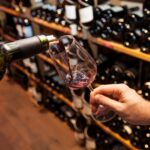
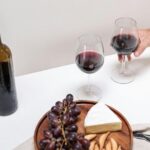
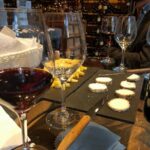
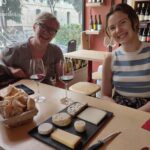
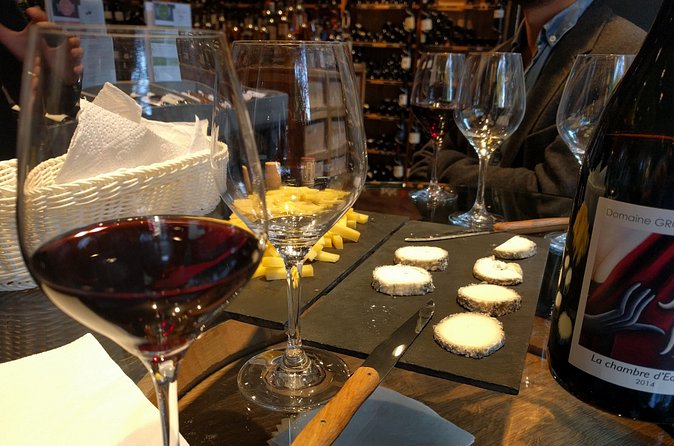
Your menu is simple and structured so you can focus on the match between each pour and each cheese. You’ll move through a set of tastings that includes:
- Red wine starter
- White wine starter
- Cheese tasting (paired to the wines)
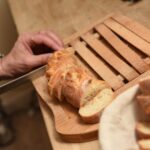
Bread and water are provided as palette cleansers. That’s not just a nice touch. It helps you reset your palate so the next wine isn’t judged through the leftovers of the previous pour.
And yes, a spittoon is provided if you want it. This is useful even for people who enjoy wine. It lets you taste with control and keep the experience enjoyable rather than rushed or slightly overwhelming.
Also, because this isn’t happening inside a restaurant, don’t assume there’s a full-service meal setup. The tour notes that boutique toilets may not be readily available or easy to access. Plan around that if you’re sensitive to timing.
How the cheese improves what you learn about wine
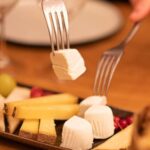
Here’s the pairing logic: each cheese is selected to help you notice changes in texture, saltiness, and fat against the wine’s flavor and aroma. The class brings in cheeses from a nearby artisanal shop, so you’re not just eating bland bites. You’re sampling intentional pairings.
What you should watch for during the tasting is how the cheese changes the wine and how the wine changes the cheese. A wine that felt sharp at first can feel softer after a bite of cheese. Or the opposite can happen—the cheese can make certain aromas more obvious.
That back-and-forth is exactly why cheese belongs in a wine class. Wine alone can feel abstract. Add cheese, and flavors start to “click.” By the end, you’re not only remembering what you liked—you’re getting better at predicting what will work next time.

Soil samples and maps: the secret sauce for beginners
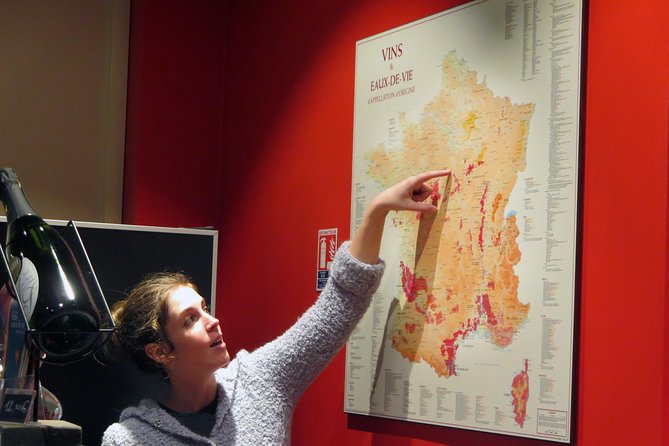
If you’re new to wine, this part saves you from the usual problem: you taste a few things, like two of them, and then you forget why. The lesson connects differences in grapes to the terrain where they grow. With maps and soil samples, you’re learning how diverse conditions across France contribute to the many varieties you see on shelves.
Even if you’re not a complete beginner, this can still be valuable. It helps you place what you tasted into a bigger picture so you can shop with more intention. And it keeps the tasting from turning into a checklist of favorite flavors.
Instead, you finish the class feeling more confident about differences between wines you enjoyed. That confidence matters because it turns the experience into something you can use later, not just a one-off afternoon activity.
Bread-and-water breaks that keep the tasting comfortable
A tasting class is fun until you feel foggy. That’s why I’m glad this one builds in palette cleansing. Bread and water are available to help reset between pours. It’s a small detail, but it makes the session smoother, especially if you’re doing it after a busy morning of walking.
And if you show up hungry, don’t panic. The care described in participant notes—like Alex getting fresh bread when someone hadn’t eaten—signals the team pays attention to comfort and readiness. Still, it’s wise to plan to eat something before you go, just so you’re starting the tasting at your best.
Group size and pacing: why this feels more intimate
With a maximum of 8 travelers, this class avoids the “hand the glass, move the line” problem. You can actually ask questions, and the guide can respond in context. It also means you’re more likely to hear explanations that relate to what you’re tasting right then.
The pacing fits the duration well. About 90 minutes is long enough to learn the framework and taste the pairings, but not so long that you get tired of hearing about wine. You finish while it’s still interesting, not when you’ve hit sensory overload.
What’s included in the price (and what isn’t)
The price is $80.48 per person for the tasting experience. For that, you get a lot of the “hard parts” of a good class: wine tasting, cheese tasting, and palette-cleansing staples like water and bread. You’ll also be served alcoholic beverages as part of the tasting.
What’s not included is anything like bottle purchases. If you fall in love with a wine, you’ll have to buy it separately—this isn’t a package that includes take-home bottles. Hotel pickup and drop-off also aren’t included, so you’ll need to make your own way to the meeting point.
Is $80.48 a fair value? If you’re the type who likes to leave with a clearer idea of what to buy and what to order, this is strong value. You’re paying for guided tasting, paired cheese, and the educational component with maps and soil samples. If you’re only looking to drink without learning, it may feel pricey compared to casual tastings. But the structure here is clearly designed to teach you how to taste.
Practical tips for your 3:30 pm wine-and-cheese tasting
A few things will help you get the most out of the session:
- Start with a snack if you can. You’ll enjoy the wines more and your palate will be less likely to feel off.
- Bring your curiosity. Ask questions as you taste—this class is set up for that style of participation.
- Plan for an afternoon schedule. With a 3:30 pm start and a return to the meeting point, it’s easy to connect this with dinner plans after.
- Use the spittoon if you prefer. The tasting is built for controlled tasting, not pressure to finish every pour.
- Remember there’s no guarantee of restaurant-style toilet access inside the venue area, since it’s a boutique setup.
Who should book this class near Le Marais
This is a great fit if you want a small-group wine experience with real teaching behind it. You’ll likely enjoy it if you’re:
- New to French wine and want a framework you can remember
- Curious about how grapes and terrain connect across France
- Interested in pairing wine with cheese rather than tasting in isolation
- Comfortable participating in English-language explanations
It may be less ideal if you’re looking for a big party vibe, or if you prefer long, restaurant-style meals. This is a tasting class with structured pours, not a full dining experience.
Should you book? My take on the value
I’d book this if you want a Paris wine experience that teaches you how to taste, not just what to taste. The combination of wine regions explained through maps and soil samples, plus the cheese pairings and palate cleansers, gives you a complete learning arc in about 90 minutes.
The best part is the intimacy. A small group and an expert-led format means you’re not stuck watching from the sidelines. And the caring touches noted in past experiences—like getting fresh bread when needed—suggest you’ll be looked after, not rushed.
If you’re planning an afternoon near Le Marais and you’d rather spend your time learning something useful than just sampling random pours, this class is a solid choice.
FAQ
How long is the Paris wine and cheese tasting class?
It lasts about 1 hour 30 minutes.
Where do I meet, and where does the tour end?
You meet at Le Vin qui parle, 30 Rue Faidherbe, 75011 Paris, and the activity ends back at the meeting point.
Is the tasting offered in English?
Yes, the class is offered in English.
What’s included in the price?
The tasting includes wine tasting, cheese tasting, water and bread, and alcoholic beverages.
Do you have an age limit?
The minimum drinking age is 18.
What is the cancellation policy for a full refund?
You can cancel for a full refund if you cancel at least 24 hours before the experience’s start time.