REVIEW · NAXOS
Naxos Mythology & Ancient Sites Tour with Cheese & Wine
Book on Viator →Operated by Naxos Cultural Tours · Bookable on Viator
Mythology on Naxos hits harder than you expect. In about 4 hours, you pair major ancient stops with stories—then end with a cheese-and-wine tasting in Sangri that connects myth to everyday food traditions.
I especially like the way the guide ties what you see (temples and sanctuaries) to why people in ancient Naxos cared about them.
I also love the practical setup. You get 2-way transfers that cut down taxi stress, and the group stays small enough—up to 12—to ask questions and still enjoy photo time. Guides like Labrina, Maria, Evdoxia, and Katia come through with energy that works for both adults and kids.
One consideration: since you’re relying on a scheduled morning, I’d be cautious about last-minute changes. There’s at least one report of a cancellation without timely notice while still being charged, so do a quick check for your message before you leave the hotel.
In This Review
- Quick hits before you go
- Why this Naxos mythology tour feels more real than a textbook
- Is the $234.57 price fair? Here’s what you’re buying
- Morning setup in Chora: where you start and how the day runs
- Temple of Demeter: Persephone, rebirth, and restored stone
- Sangri break: cheese, wine, and myth tied to what people ate
- Iria’s sanctuary of Dionysus: prehistoric sacred ground in a vine-and-fig setting
- The Kouros statue (and why you should care)
- What the best guides do in this tour (and how to use that)
- Who should book this, and who might want a different plan
- Should you book the Naxos Mythology & Ancient Sites Tour with Cheese & Wine?
- FAQ
- How long is the Naxos Mythology & Ancient Sites Tour?
- What does the tour cost?
- What’s included in the experience?
- How many people are in a group?
- What language is the tour in?
- Where is the meeting point and when does it start?
- What’s the cancellation policy?
Quick hits before you go
- Small group (max 12) means more time with the guide and less rushing.
- Hotel transfers in both directions help you avoid taxi math and wait times.
- Brunch + cheese, wine, and olive oil tasting keeps the tour from feeling like all stones and no snacks.
- Certified guides with strong storytelling connect myth, local tradition, and Naxos history.
- Entrance fees included for key sites saves you time and counting costs on the spot.
- English tour with a mobile ticket for an easier start.
Why this Naxos mythology tour feels more real than a textbook
This tour works because it treats myths like living culture, not just museum labels. You’ll walk among major classical remains and hear how the stories of gods, seasons, and sacred celebrations shaped island life—and you’ll notice that theme showing up again when you taste local food.
The other big reason I’d pick this one is the balance. You’re not stuck in one long archaeological slog; you get a guided visit at the Temple of Demeter, a break for Sangri flavors, and then a second sacred site at Iria. For a half-day, that’s a smart use of time.
And yes, you’re still getting the “serious” stuff: the tour is built around key classical sites—temples tied to Demeter, Dionysus, and Apollo—and it also includes a look at the Kouros statue. That variety is exactly what you want on a first or second visit to Naxos.
You can also read our reviews of more tours and experiences in Naxos.


Is the $234.57 price fair? Here’s what you’re buying
At $234.57 per person for about 4 hours, it’s not the cheapest way to see ancient Naxos. But it’s also not just a guided lecture while you figure out transport and tickets.
You’re paying for a bundled package:
- private transportation (including transfers to reduce taxi hassle),
- entrance fees for the main sites,
- a certified guide,
- brunch,
- and a food stop with local cheese and wine (plus olive oil tasting, based on tasting experiences described in feedback).
That matters on an island where travel time can eat your day. When transport and site entry are handled for you, you spend your energy on the actual experience: the stories, the architecture, and the food traditions.
Morning setup in Chora: where you start and how the day runs

You meet back at Naxos Bus Transfer, Chora Naxos (843 00), with the tour starting at 9:00 am. The tour ends at the same meeting point, which keeps your afternoon plans simple—especially if you want lunch elsewhere right after.
The tour runs in English, uses a mobile ticket, and keeps the group capped at 12 travelers. That small cap is more than a number; it’s what allows the guide to pace the walking and still give enough time at each sacred stop for questions and photos.
Also, the transportation is provided—so you’re not trying to catch rides on a tight schedule. Even if you’re staying near town, this kind of coordination is worth it. Half-day tours can feel rushed when you add logistics; this one is designed to avoid that.
Temple of Demeter: Persephone, rebirth, and restored stone
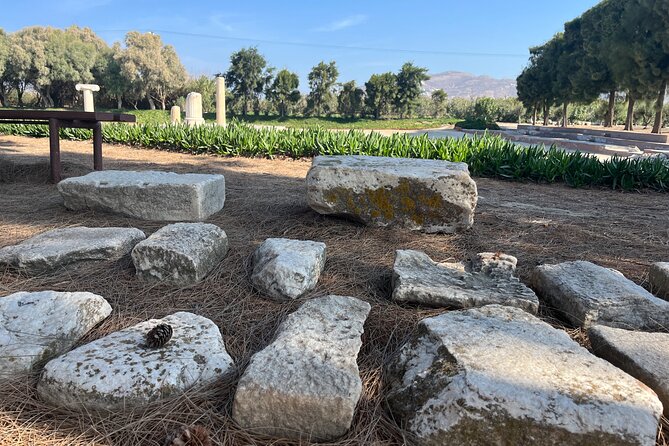
The first stop is the Temple of Demeter, with about 1 hour 15 minutes on site and admission included. This is the heart of the myth-and-agriculture connection: Demeter is linked to fertility, farming, and the rhythms of the land.
Here’s what you should listen for as you walk. The guide frames the story of Persephone and Hades alongside ancient traditions tied to the rebirth of nature—so the temple doesn’t just feel like ruins. It becomes a place people once visited as part of seasonal meaning.
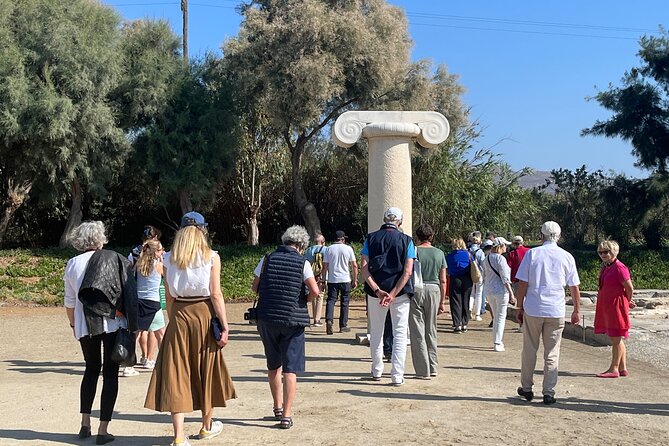
You’ll also see the restored original temple, which helps you picture the space as it once functioned. And there’s an extra layer that makes this stop more than scenery: your guide talks about the technical contribution of the Naxians to architectural development. Even without being an architecture nerd, you’ll likely appreciate how island communities built and refined what they needed—stone, space, and design used for religious life.
A practical note: this is a temple visit with some walking. Most travelers can participate, but if you have limited mobility, you’ll want to mention it so the guide can keep the pace comfortable.
Sangri break: cheese, wine, and myth tied to what people ate

Next comes Sangri, where you’ll spend about 40 minutes. This is where the tour shifts gears: you get local cheese and wine while the guide connects myth stories to food traditions.
This stop is short by design, and that’s a good thing. It prevents the tour from turning into a two-site marathon where you forget what you’re tasting. Instead, Sangri works like a reset button—food first, then back to the ancient world.
One of the most praised parts here is the tasting itself. Feedback highlights not only the wine but also an olive oil tasting—including interest in Koroneiki olive oil—along with the cheese. So if you care about local products and not just scenery, this is one of the best moments to lean in.
Also, the stop is listed as free for admission, so this is pure experience time and eating time. If you’re the kind of person who gets cranky when tours run late, you’ll appreciate that this portion is structured and included.
Iria’s sanctuary of Dionysus: prehistoric sacred ground in a vine-and-fig setting
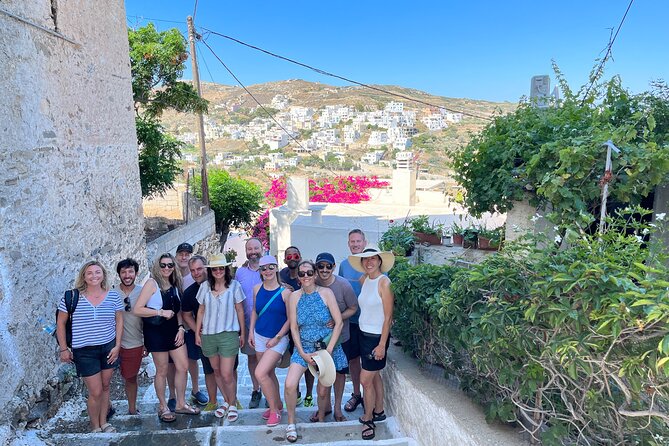
Then you drive to Iria to visit the sanctuary of Dionysus, with about 45 minutes there and admission included. This isn’t just a temple stop in the abstract; you’re in a setting described with vines, olives, and figs, which makes the connection between land and god feel practical, not poetic.
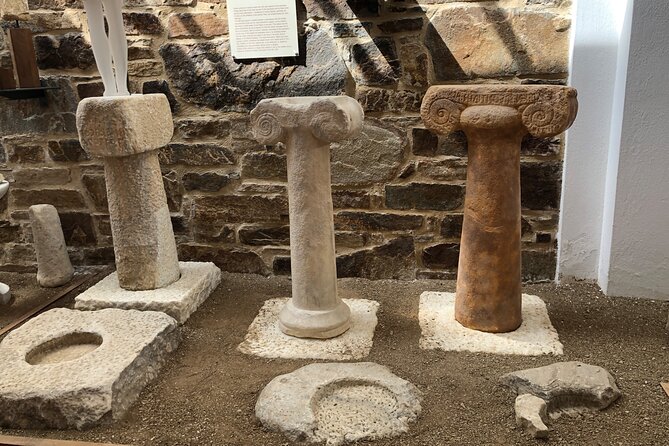
Dionysus is the patron god tied to Naxos’s joyful character, and you’ll hear that story while looking at the sanctuary remains. The key historical point here is that the site has been used since prehistoric times. That long sacred timeline gives you perspective: the worship here wasn’t invented yesterday—it grew through generations.
Why this stop is worth your attention: it’s another “myth explained by place” moment. The guide links how communities used sacred sites for more than worship—festivity, identity, and continuity. If Demeter brought the themes of seasons and rebirth, Dionysus brings celebration and the island’s social spirit.
The Kouros statue (and why you should care)
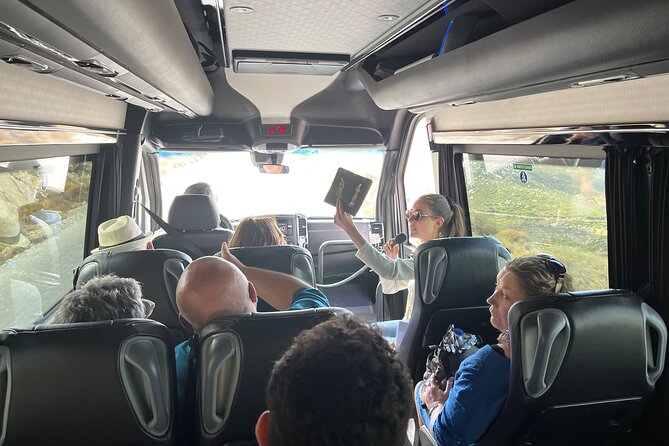
The tour highlights include seeing the Kouros statue. Even when statues look like a distant “extra,” a kouros is a big deal in Greek art history because it represents a specific way the human figure was studied and presented.
What I’d tell you to do: don’t just snap a photo and move on. Take a few seconds to look at posture, proportions, and how the figure holds attention. If your guide is doing their job—which feedback suggests they often do—you’ll get the context that makes it more than a decorative stop.
This kind of included viewing is one of the reasons the itinerary feels efficient. You’re ticking off major ancient anchors and still getting at least one art-history moment without extending the day.
What the best guides do in this tour (and how to use that)
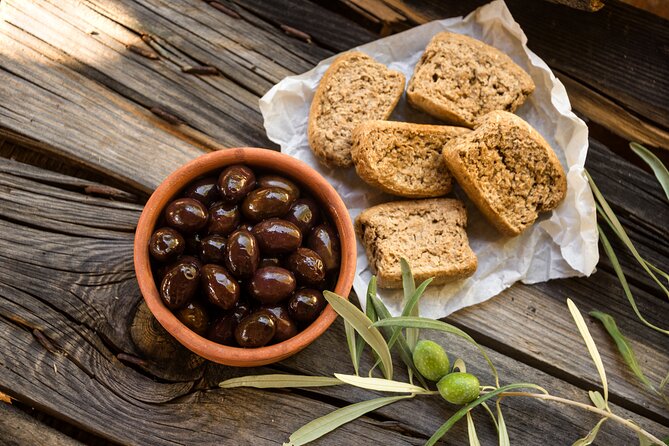
Across the named guides—Labrina, Maria, Evdoxia, and Katia—a pattern shows up in the feedback: they connect myth to place and tradition in a way that keeps the group engaged.
That means you should show up ready to ask questions, not just listen. If you’re curious about why a story matters to agriculture, feasts, or sacred spaces, this tour is built for that kind of conversation.
It also means the pacing usually has room for real moments. Feedback notes manageable walks and time for photos. With a small group max of 12, the guide can slow down when someone wants to linger at a detail.
If you’re traveling with kids, this tour can work well because the stories are the hook, not just the stones. You’ll still be looking at temples, but the narrative gives younger people a reason to care.
Who should book this, and who might want a different plan
I think this tour is a strong fit if you:
- want mythology + ancient sites without hiring separate guides for each stop,
- care about local food culture (brunch and the cheese-wine-olive oil tasting),
- prefer a half-day plan that doesn’t eat your whole day.
You might consider a different option if you:
- want a long archaeological deep dive with lots of free time at each site,
- don’t enjoy guided storytelling and would rather read quietly on your own.
The good news: the tour is structured around clear stops and timed visits, so it’s easier to judge energy levels and plan what comes next.
Should you book the Naxos Mythology & Ancient Sites Tour with Cheese & Wine?
If you want a morning that combines classical Naxos sites with stories you can actually connect to food and tradition, I’d book this. The value comes from the bundle: transport, entrance fees, certified guiding, brunch, and tastings packed into a manageable half-day.
Just do two practical things before you go:
1) confirm your morning details so you don’t end up standing around at the meeting point, and
2) wear shoes that handle temple walking on uneven ground.
If that sounds like your kind of day—myths told in real settings, then a Sangri snack break—I think you’ll come away feeling like Naxos has a personality, not just ruins.
FAQ
How long is the Naxos Mythology & Ancient Sites Tour?
It’s about 4 hours (approx.).
What does the tour cost?
The price is $234.57 per person.
What’s included in the experience?
It includes private transportation, all entrance fees (where listed as included on the itinerary), the services of a certified guide, and brunch. It also includes local cheese and wine at the Sangri stop.
How many people are in a group?
The tour has a maximum of 12 travelers.
What language is the tour in?
The tour is offered in English.
Where is the meeting point and when does it start?
You start at Naxos Bus Transfer, Chora Naxos (843 00), Greece, and the start time is 9:00 am. The tour ends back at the meeting point.
What’s the cancellation policy?
You can cancel for a full refund up to 24 hours before the experience starts. If you cancel less than 24 hours before, the amount paid is not refunded.