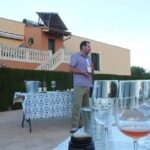
Palma smells like the ocean and food stalls—start here and you get both. I like that this tour builds a quick, useful food-and-history orientation as you walk, not a long lecture. You also get a focused market stop at Mercat de s’Olivar, where Majorcan everyday shopping connects directly to what you’ll eat and drink.
I also like the pacing: it’s relaxed, and the guide (often mentioned as Floris) keeps the atmosphere friendly and fun. The tour is designed for small groups only—private by default, so you’re not squeezed into a crowd while you ask questions or slow down.
One thing to consider: the market stop doesn’t include admissions, so you may pay an entry fee for Mercat de s’Olivar depending on what’s required that day. Also, most of the key sights are introductions and exterior views, so if you want deep museum time, plan a separate visit.
In This Review
- Key things you’ll notice on this Palma tour
- Starting at Plaça d’Espanya: your orientation jump in Palma
- What to watch for
- Mercat de s’Olivar: seeing Majorcan food culture in real life
- Why this stop feels valuable
- One practical consideration
- Placa de Cort: the political heart, plus a living olive-tree symbol
- The trade-off
- Placa Major: where markets and public life used to collide
- What you’ll like
- Walking the historic heart toward the Gothic cathedral exterior
- How to think about the cathedral moment
- Where the tour ends: Carrer de Bonaire and the wine-and-plate payoff
- Why ending with food is smart
- The private format: better questions, calmer pacing, less stress
- Who the private style is perfect for
- Value check: is $57.19 worth it in Palma?
- What might reduce value for you
- Practical tips to get the most from this tour
- Should you book this Palma Old Town & market tour?
- FAQ
- What city is this tour in?
- How long is the tour?
- What is the price per person?
- What time does the tour start?
- Where does the tour start and end?
- Is the tour private?
- What language is offered?
- Do I get a mobile ticket?
- Is Mercat de s’Olivar admission included?
- Is confirmation guaranteed after booking?
- Is it refundable if I cancel?
Key things you’ll notice on this Palma tour
- Plaça d’Espanya sets your bearings fast, since it’s the transport hub that leads into the old center
- Mercat de s’Olivar explains how locals shop for fresh produce, cured meats, cheese, seafood, and wine
- Placa de Cort mixes politics and tradition, with the city hall area plus an old olive tree
- Placa Major shows how Palma’s public spaces shifted from markets and events to today’s daily life
- Gothic cathedral exterior is the big landmark moment, told through stories tied to Palma’s origins and maritime past
Starting at Plaça d’Espanya: your orientation jump in Palma
Your tour starts at Plaça d’Espanya, Palma’s main transport gateway into the historic center. Even if you’ve only just arrived or you’re using public transit, this is smart: you get a sense of where everything sits before you drift deeper into the old streets.
I like that the guide uses this first stretch to frame Palma in two ways. First, you get context on the island and the city’s development. Second, you get the food culture lens—how markets, local produce, and the island’s cured-meat-and-cheese tradition fit together. That matters because later, when you’re at the market and you’re seeing what locals buy, it stops being random and starts making sense.
You can also read our reviews of more tours and experiences in Mallorca.
What to watch for
This is a 12:00 pm start, so mid-day can be warm and there may be more foot traffic around the main square. Bring water, and don’t plan to rush your photos or you’ll burn energy before the market stop.
Mercat de s’Olivar: seeing Majorcan food culture in real life
The heart of the experience is the visit to Mercat de s’Olivar. Here, the tour doesn’t turn into a shopping sprint. Instead, it walks you through the everyday rhythm of how locals pick up ingredients—fresh produce, cured meats, cheeses, seafood, and wine.
This is the part that makes the whole tour click. When a guide explains what shoppers look for and why certain products show up again and again, you’re learning the logic of the cuisine, not just memorizing facts. And because Mallorca is all about seasonality, you’ll pick up the idea that what’s available—and what tastes best—changes across the year.
Why this stop feels valuable
A market is where you learn to read a place. You notice how people choose, how stalls are organized, and what items are treated like everyday essentials. On this tour, the guide keeps the focus on how markets support daily life and on how you can recognize Majorcan favorites once you leave.
You’ll also appreciate that the stop is time-boxed (about 15 minutes). It’s long enough to get a genuine feel for the space, but short enough that the tour stays light and moving.
One practical consideration
Admission for Mercat de s’Olivar is not included. That doesn’t mean it’s a bad stop—it just means you might need to budget a little extra for entry, depending on how access works that day.
Placa de Cort: the political heart, plus a living olive-tree symbol
Next comes Placa de Cort, the political heart of Palma. You’ll be near the city hall area, and the guide ties the setting to local traditions and symbols. There’s also mention of one of the oldest olive trees on the island, which gives a nice physical anchor to the story.
This is one of those stops that works best if you like understanding how a city governs itself and represents its identity. It’s not just a square you pass through. You get small clues about how Palma thinks of its traditions—what the symbols mean and how civic life plays out in the street-level spaces people actually use.
The trade-off
It’s brief (around five minutes). If you want to sit and read every plaque or step inside government buildings, you won’t get that time here. But for an orientation tour, it’s a good hit of meaning.
Placa Major: where markets and public life used to collide
Then you move to Placa Major, one of Palma’s former main squares. The guide explains how it used to host public events and markets, and how the square’s role shifted over time into a lively meeting point surrounded by historic buildings.
This stop is especially useful because it connects the dots between the food-and-market theme and the city’s broader evolution. When you understand that squares were once economic and social engines, the old town starts to feel like a system, not just a backdrop for photos.
What you’ll like
Placa Major is easy on the eye, and it’s a natural place to pause mentally. You’re learning how Palma organized its public spaces, and you can feel how that still shapes where people walk and gather today.
Walking the historic heart toward the Gothic cathedral exterior
After the square stops, the tour continues through the historic heart of Palma, aiming for the exterior of the iconic Gothic cathedral. The guide’s approach here is relaxed and story-focused, with emphasis on Palma’s origins and maritime past and on how the city grew around the cathedral landmark.
I like this method because it keeps the pace from getting heavy. You’re not being hammered with dates. Instead, you’re given the “why it looks like this” version of the city, which is what most people want on a walking tour.
How to think about the cathedral moment
Because this is an exterior-view stop, it works best if your goal is context and orientation. If your dream is interior stained-glass time, you’ll still want to plan that separately. But even just seeing the façade and hearing the story behind its role can make your later self-guided wandering more satisfying.
Where the tour ends: Carrer de Bonaire and the wine-and-plate payoff
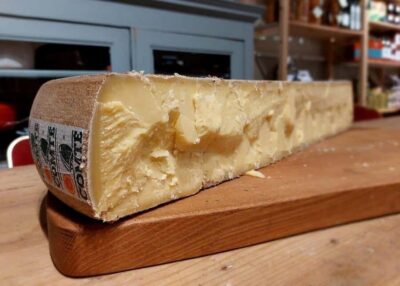
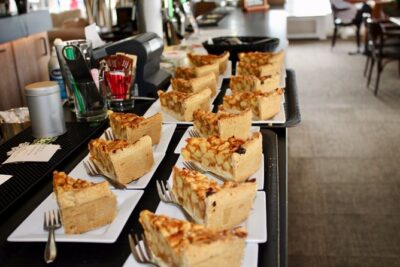
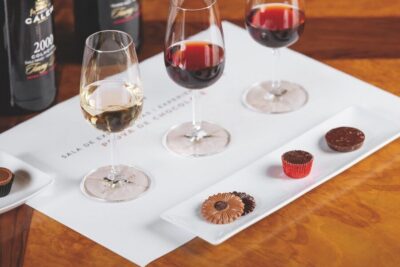
The tour ends on Carrer de Bonaire, where you eat and drink. That end point matters because it ties the walking lesson to actual flavor. This experience is framed as Palma Old Town plus wine, ham, and cheese, and the location at the end signals that you’re meant to settle in rather than sprint away right after the last stop.
You’ll also get help with moving on. The guide can walk your group back to the nearest taxi or bus stop, which is handy if you’re using public transport or if your next plan is slightly away from the cathedral area.
Why ending with food is smart
A market tour that ends at a meal hits differently. You can translate what you saw—cured meats, cheese, wine—into a real sitting experience. And because the tour is only about 2 hours 30 minutes, you’re not left waiting too long for the payoff.
The private format: better questions, calmer pacing, less stress
This is a private tour/activity, meaning only your group participates. That sounds like a small detail, but it changes the feel of a walking tour.
When it’s just your group, you can ask quick questions without worrying that you’re slowing everyone else. The guide can also adjust the tempo slightly, which shows up in how families experience the tour. In particular, the guide’s patience is a recurring theme for those traveling with kids, including families who mentioned a 4-year-old.
Who the private style is perfect for
- Couples who want real conversation instead of headset listening
- Small families who need a flexible pace
- Friends who prefer asking questions and taking photos without pressure
- Anyone who wants a guided “first look” before going self-guided later
Value check: is $57.19 worth it in Palma?
At $57.19 per person for about 2 hours 30 minutes, you’re paying for three things: time-saving guidance, a market-focused food culture angle, and a structured walk through the most relevant old-town nodes.
This isn’t a long tour with dozens of stops. The value is in how it’s organized. You start at Plaça d’Espanya (good orientation), hit Mercat de s’Olivar (food culture in context), then connect that to civic squares and the cathedral landmark moment. The end at Carrer de Bonaire lets you convert the stories into a meal and drinks rather than ending on an empty street corner.
Also, booking tends to happen far in advance on this experience. That’s a sign it’s popular, not just random. If you like walking tours that don’t waste time, it’s worth reserving early so your schedule doesn’t get squeezed.
What might reduce value for you
If you already know Palma well and you’re mainly looking for cathedral interior tickets or deep archaeology time, this may feel a bit introductory. It’s designed to help you understand and enjoy the old town—not to replace a full-day sightseeing plan.
Practical tips to get the most from this tour
- Wear comfortable shoes. Palma old town walking adds up, especially around squares and market streets.
- Bring a light layer. Even at lunch, indoor market air can feel cooler than the street.
- If you’re food-focused, pay attention to what the guide connects to cured meats, cheese, seafood, and wine. The meal at the end will make more sense.
- If you’re traveling with kids, this private setup is a real advantage because it helps the guide keep things calm and manageable.
Should you book this Palma Old Town & market tour?
Book it if you want a smart first look at Palma that connects food culture to the city’s streets—fast, friendly, and not overly formal. I’d especially recommend it if you’re the type who likes markets but doesn’t want the hassle of planning everything yourself.
You might skip it if your goal is strictly ticket-based sightseeing (like cathedral interior) or if you prefer self-guided wandering with no structure at all. This experience is more about getting the stories and the food context right, then ending at a place to enjoy wine and Majorcan bites.
If you want a walking tour that feels like a guided route through the way locals live—markets, squares, and a cathedral landmark you can actually place in context—this one is a solid choice.
FAQ
What city is this tour in?
This tour takes place in Palma, Mallorca, Spain.
How long is the tour?
The duration is about 2 hours 30 minutes.
What is the price per person?
The price is $57.19 per person.
What time does the tour start?
The start time is 12:00 pm.
Where does the tour start and end?
It starts at Plaça d’Espanya (Pl. d’Espanya, 07002 Palma) and ends on Carrer de Bonaire (Centre, 07012 Palma), where you eat and drink.
Is the tour private?
Yes. It’s described as a private tour/activity, so only your group participates.
What language is offered?
The tour is offered in English.
Do I get a mobile ticket?
Yes. The tour includes a mobile ticket.
Is Mercat de s’Olivar admission included?
No. The market stop lists admission as not included.
Is confirmation guaranteed after booking?
Confirmation is received within 48 hours of booking, subject to availability.
Is it refundable if I cancel?
No. The experience is non-refundable and cannot be changed for any reason.