REVIEW · PARIS
Paris: Cheese and Wine Class in a 17th Century Cellar
Book on GetYourGuide →Operated by Living Cheese Museum · Bookable on GetYourGuide
A cellar tasting makes Paris feel personal. This Paris cheese and wine class happens in a 17th-century cellar at the Musée Vivant du Fromage, where you learn from an expert guide and dig into a small-group tasting of 7 French cheeses and 3 wines. It’s not just sampling. You get a guided look at how cheese is made and why aging changes everything.
I especially like that the tasting is structured like a real lesson: you’ll look at milk, texture, and regional differences, then taste wine alongside cheese so the flavors make sense in your mouth, not just on paper. One thing to consider first: it’s not suitable for lactose intolerance, and you also need to be at least 18 to drink wine.
In This Review
- Key Points Worth Caring About
- A 17th-Century Cellar Turns Cheese Into a Real Story
- Finding Musée Vivant du Fromage (and Why That Location Helps)
- Your 90-Minute Flow: From Cheesemaking to a 7-Cheese Flight
- What You Learn About French Cheese (and Why Aging Is the Main Character)
- Wine Pairing That Actually Helps Your Palate
- Your Guide, Your Questions: English Instruction in a Small Group
- Price Check: Is $82 Worth It for a 90-Minute Cellar Class?
- Who This Tastes Best For (and Who Should Skip It)
- The Simple Takeaway: A Smart Paris Evening for Cheese People
- Should You Book This Paris Cheese and Wine Class?
- FAQ
- How long is the Paris cheese and wine class?
- Where is the meeting point?
- What’s included in the price?
- Is pick-up or drop-off provided?
- Is the class taught in English?
- Is the experience suitable for lactose intolerance?
- Are pets allowed?
Key Points Worth Caring About
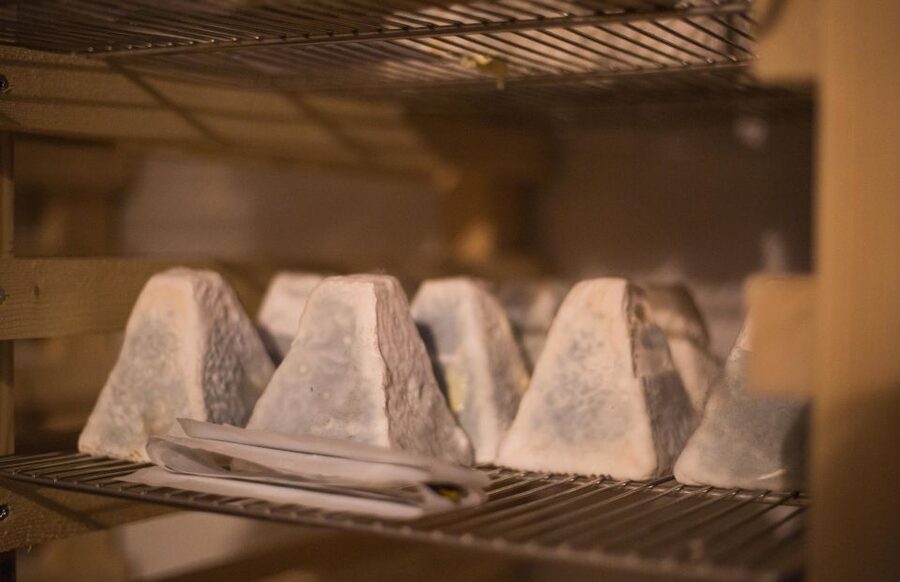
- A 17th-century cellar setting that makes cheese feel like part of French life, not a gimmick
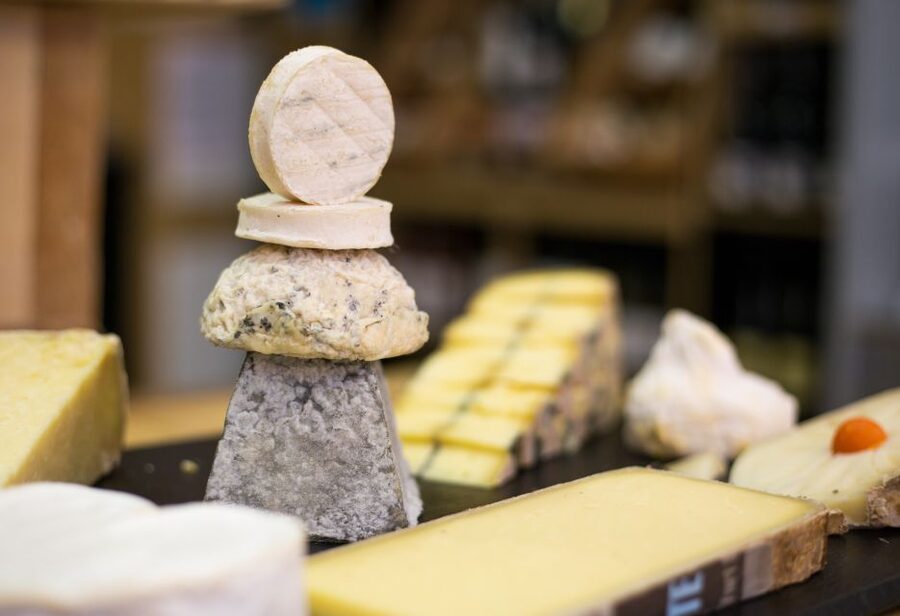
- Seven cheese tastings (different regions, milk types, and textures) with guided explanations
- Three wine pairings matched to what you’re tasting, not random pour-and-pray
- Small-group format that leaves room for questions and back-and-forth
- English-led instruction so you can actually understand what you’re tasting
A 17th-Century Cellar Turns Cheese Into a Real Story
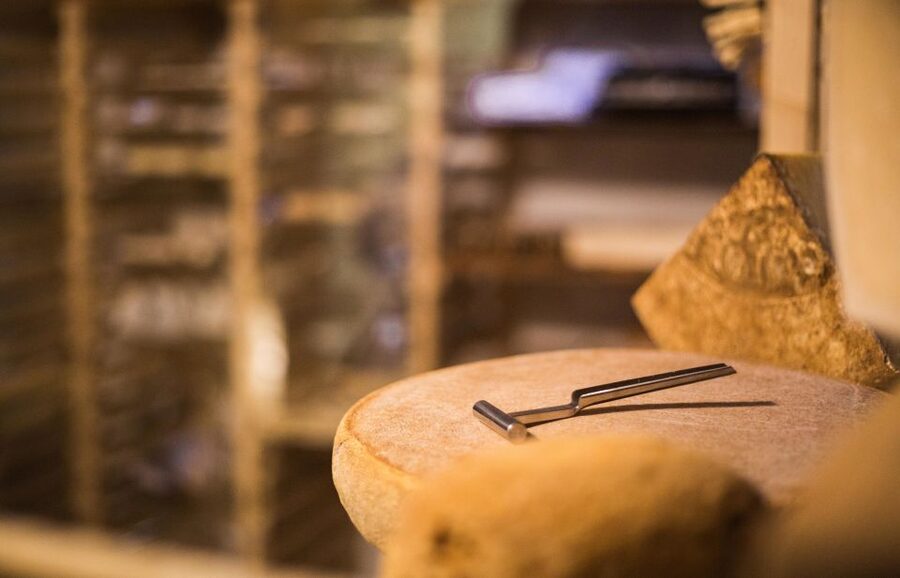
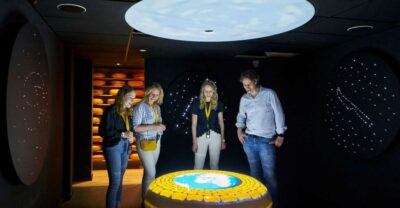
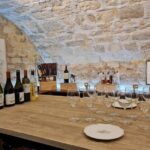
Paris has plenty of food experiences, but this one has the right atmosphere. The class is set in a historic cellar space connected to a cheese museum, so the whole thing feels grounded in how French cheese is traditionally stored and aged. That matters, because aging is the invisible ingredient you’re learning about as you taste.
What you’re tasting isn’t one cheese at a time. It’s a sequence. The guide will talk about cheesemaking basics and then walk you through how maturing changes the flavors. When you taste later, you’ll notice the shift from milder to more intense notes, and you’ll understand why that happens.
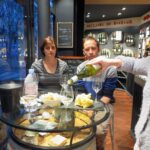
And yes, it’s a guided tasting. But it still feels like a hands-on food conversation. You’re offered bread, and the pacing alternates between cheese bites and wine sips so you can compare how each pairing works.
You can also read our reviews of more tours and experiences in Paris.

Finding Musée Vivant du Fromage (and Why That Location Helps)
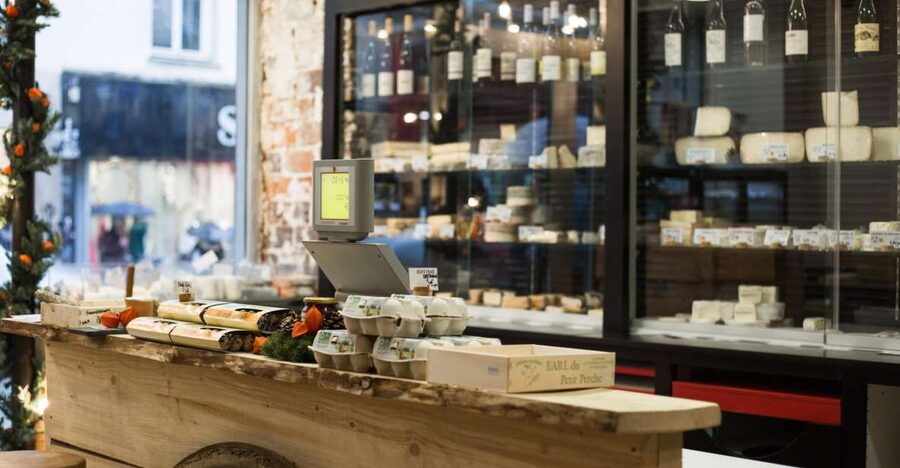
You meet at Musée Vivant du Fromage, 39 rue Saint Louis en l’île, 75004 Paris. This area puts you close to some of the best wandering streets in central Paris, so it’s easy to pair the class with a pre- or post-taste stroll.
Plan to arrive a few minutes early. Even with a schedule you can check for starting times, the start matters here because you’ll want the opening portion to make sense. If you’re used to quick tastings, treat this like a short class: you’ll get the most out of it when you’re present for the explanations.
The experience is English-led, which makes a big difference. Cheese can get technical fast—milk types, aging, texture changes—so having a guide who can explain it clearly helps you follow along without guesswork.
Your 90-Minute Flow: From Cheesemaking to a 7-Cheese Flight
The whole class runs about 90 minutes, and the structure is simple: introduction, cellar viewing and maturing talk, then tastings. You’ll be in the cellar environment long enough to feel the theme, not just pass through it.
Here’s how the tasting portion is built:
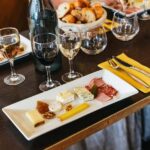
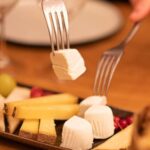
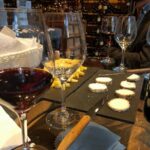
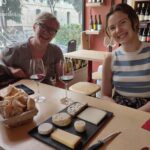
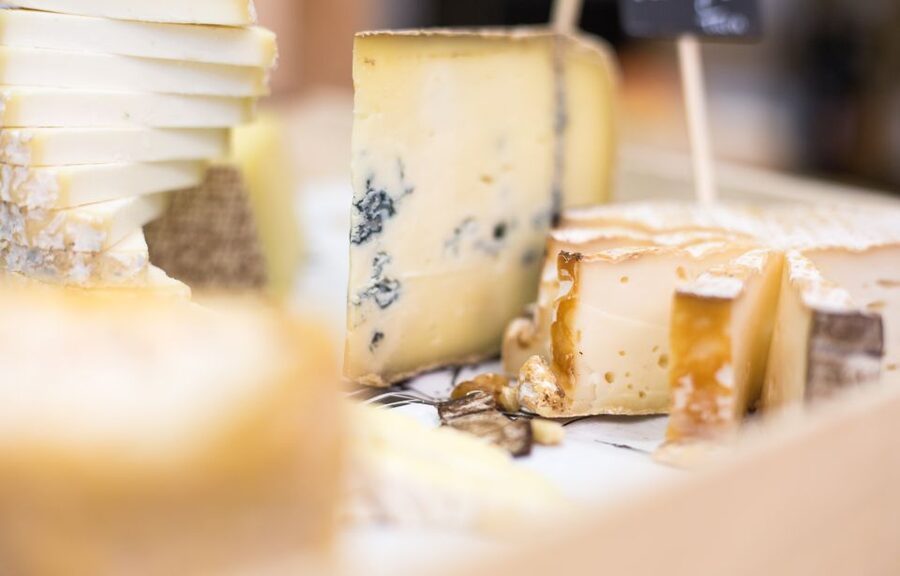
First, you’ll sample seven varieties of cheese from different French regions. The goal isn’t just to say you tried a lot. The guide explains what you’re noticing—things like milk type, texture, and flavor development—so your palate has categories to work with.
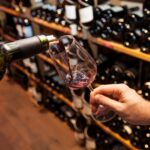
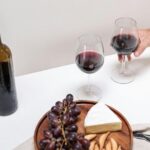
Then comes the wine pairing rhythm. You’ll alternate cheese bites with sips of French wine that are meant to match what’s happening in the cheese. This is where the experience becomes more than food trivia. You start recognizing patterns: fat and creaminess reacting to acidity, or stronger cheeses needing a wine with backbone.
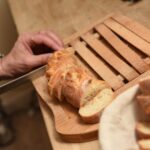
Finally, you’ll get bread (including fresh baguettes) to round it out. Bread is useful here because it helps reset your palate between tastings, and it gives you a casual way to keep tasting while you listen.
A small note for planning: because it includes wine tastings, the experience has a minimum drinking age of 18. If you’re under 18, this is not a good fit.
What You Learn About French Cheese (and Why Aging Is the Main Character)
The most useful thing about this class is the way it explains maturing. The guide focuses on why cheese changes over time, and how the aging process is tied to what you taste: the intensity, the texture, and the way flavors linger.
Instead of treating each cheese like a random flavor test, you get a framework. When you hear how cheesemaking and storage work together, you start tasting with more accuracy. You stop thinking, That’s just salty or funky, and you start thinking, This is what happens when… and the answer is usually about aging.
You also learn to pay attention to texture and milk. The tasting is described as covering differences in regions, types, texture, and milk. That’s not just academic. It helps you choose cheese at a shop later, because you’ll know what category you like rather than grabbing the prettiest label.
Wine Pairing That Actually Helps Your Palate
Wine pairing sounds fancy, but the real value is practical: it teaches you how to taste. You’ll drink three French wines, matched to the cheeses you’re eating, and the goal is complementary flavors rather than forcing a clash.
As you go through the flight, you’ll learn what to look for when a pairing works. Often it’s about balance—wine acidity cutting through richness, or the wine echoing flavors in the cheese. Sometimes it’s about contrast, where the wine cleans up the finish.
And because the pace alternates bites and sips, you don’t get stuck with the usual problem: taking notes mentally while your palate is already tired. Here, you’re comparing in real time.
If you like buying food and drink while you’re in Paris, this class can also point you in the right direction. Some sessions include an opportunity to buy wine afterward, and at least one class offered a 10% discount on wine purchases at the end.




Your Guide, Your Questions: English Instruction in a Small Group
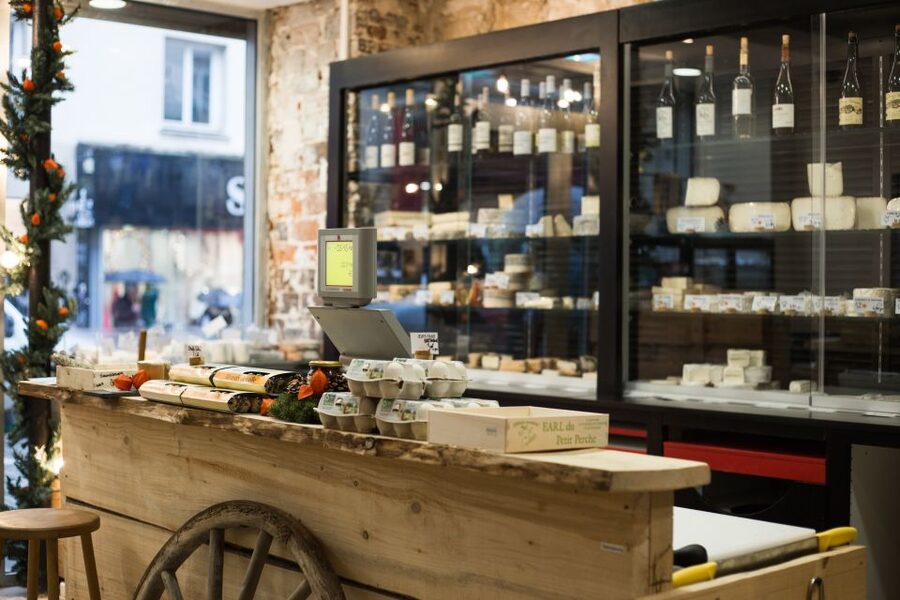
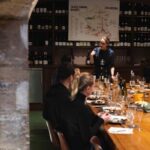
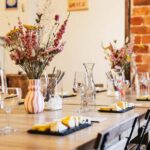
This isn’t a lecture hall. It’s a small-group workshop, with past groups reported as around 12 people. That size is big enough to have fun, small enough that you can ask questions and not feel like you’re fighting over attention.
The class is led in English. From the names you may see across sessions—Gala, Agathe, Pierre, Guillaume, and Marie—the common thread is that guides keep things interactive. You get explanations that stick because you’re not just listening; you’re tasting immediately after.
If you’re the type who likes to understand your food—why it works, how it’s made, what to try next—this format is exactly the point. If you want pure freedom to wander and snack on your own, a scheduled tasting may feel a bit guided. But for most cheese people, that structure is part of the charm.
Price Check: Is $82 Worth It for a 90-Minute Cellar Class?
At $82 per person for about 90 minutes, you’re paying for more than tastings. The price includes a professional cheese and wine guide, 7 cheese tastings, 3 wine tastings, and bread.
Here’s how I’d judge the value:
- You’re getting a guided breakdown of multiple cheeses and pairings, not a single cheese and a glass and off you go.
- The cellar setting and museum context aren’t free. This place isn’t just a tasting counter; it’s built around cheese learning.
- Wine and cheese can get pricey fast at specialty shops. Having them paired and explained for a set price can feel like a bargain compared to buying everything separately and not knowing what you’re buying.
So the big question isn’t whether $82 is cheap. It’s whether you want instruction with your food. If you do, it’s a strong value for central Paris. If you’d rather taste at your own pace without structure, look for a cheese shop tasting instead.
Who This Tastes Best For (and Who Should Skip It)
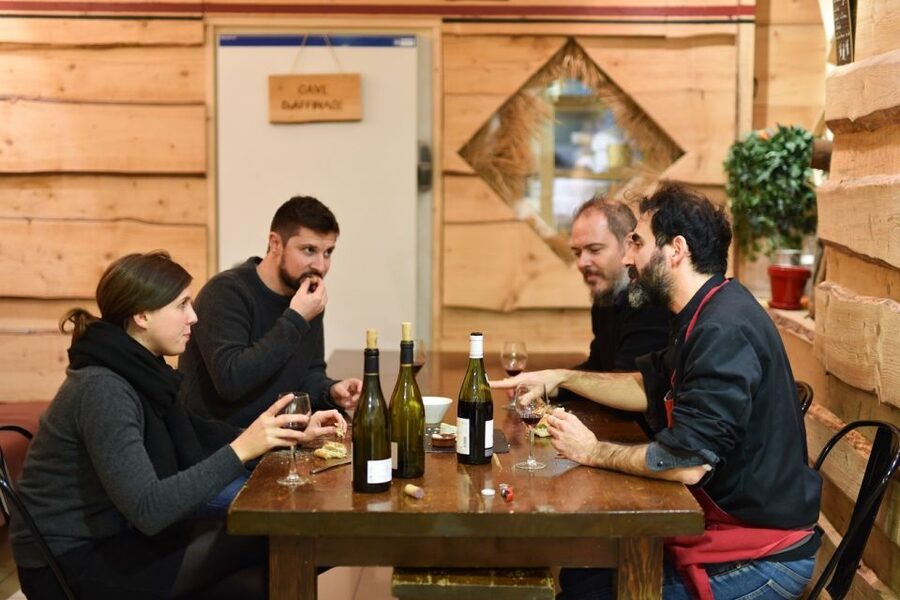
This experience is a good match if you:
- love French food and want more than sightseeing photos
- want to learn how cheese differs by region, texture, and aging
- enjoy pairing food and wine and want guidance you can repeat later
It’s also great as an evening activity. After 1.5 hours in the cellar, you walk back out into Paris streets with a clearer sense of what you tasted and why.
But there are two hard limitations you should respect. It’s not suitable for lactose intolerance, and wine tastings come with the 18+ drinking age rule. Also, pets are not allowed, so plan accordingly if you’re traveling with an animal.
If you’re sensitive to strong odors, note that cellars and mature cheeses can be intense. Nothing is mentioned about special handling or alternate tasting options, so if that’s a concern, keep it in mind.
The Simple Takeaway: A Smart Paris Evening for Cheese People
This class hits a sweet spot: it’s educational without being heavy, and it’s tasty without turning into a sloppy tasting party. The cellar setting gives you context, and the format gives you comparisons you can remember.
If you go in expecting a relaxing snack, you’ll miss the point. If you go in curious, you’ll leave knowing what you like and how to order it with confidence.
Should You Book This Paris Cheese and Wine Class?
Yes, if you want a structured tasting in a real cellar setting and you care about learning what makes French cheese and wine pairing work. The combination of seven cheeses, three wines, bread, and English guidance is exactly the kind of value that makes an evening activity feel worth the ticket price.
Skip it if you have lactose intolerance, if you’re not able to participate in 18+ wine tasting, or if you want something that feels more like open wandering than a guided workshop.
FAQ
How long is the Paris cheese and wine class?
The class lasts about 90 minutes.
Where is the meeting point?
You meet at Musée Vivant du Fromage, 39 rue Saint Louis en l’île, 75004 Paris.
What’s included in the price?
The price includes a professional cheese and wine guide, tastings of 7 cheeses and 3 wines, and bread.
Is pick-up or drop-off provided?
No, pick-up and drop-off are not included.
Is the class taught in English?
Yes, instruction is in English.
Is the experience suitable for lactose intolerance?
No, it is not suitable for people with lactose intolerance.
Are pets allowed?
No, pets are not allowed.