REVIEW · VERONA
Verona: Cheese Tasting and Pairing
Book on GetYourGuide →Operated by La Botteghetta La Bottega di Verona · Bookable on GetYourGuide
A cheese lesson in your pocket. This Verona tasting teaches you to pick up more than flavor. You learn a simple method that uses sight, smell, and touch before you ever take a bite, so the cheeses start making sense fast.
I especially like that you taste five regional cheeses (including Monte Veronese, a standout local name) and then build combinations with local add-ons like mustards, honey, sweet jams, and fresh fruit. One thing to consider: it’s designed as a tight 1-hour experience, so you should expect a focused tasting rather than a long, sit-and-chat meal.
In This Review
- Key highlights you’ll actually notice
- Verona’s cheese lesson starts at Botteghetta
- The sensory method: see, touch, smell, then bite
- Five Veneto cheeses: what you learn by tasting them side-by-side
- Pairing basics: fruit, honey, sweet jams, and mustard
- Pairings that make sense: water, sparkling, and wine on request
- Price and time: is $53 for one hour worth it?
- Language and atmosphere: English, Italian, and Russian
- Who should book, and who should skip
- Should you book this Verona cheese tasting?
- FAQ
- Where is the meeting point for the Verona cheese tasting?
- How long does the cheese tasting last?
- What is included in the tasting?
- Do I need ID, and is there an age limit?
- Is the tour wheelchair accessible?
- Can I cancel and get a refund?
Key highlights you’ll actually notice
- See first, then touch and smell: the guide has you prep your senses before tasting
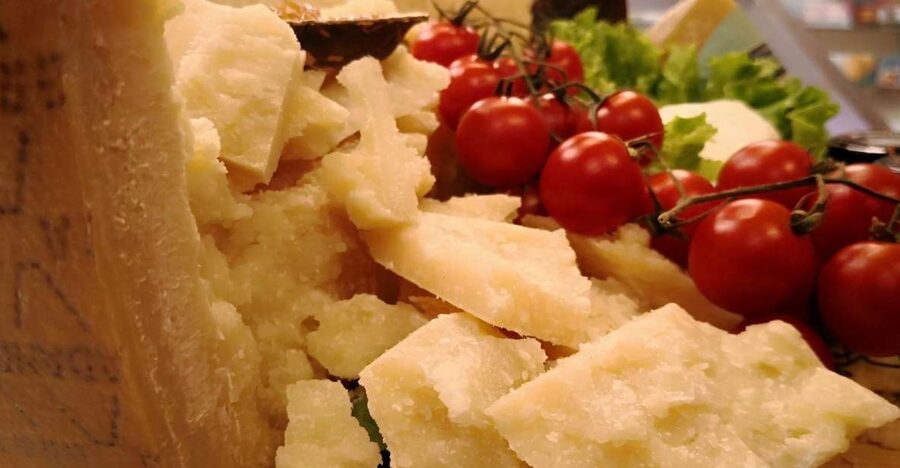
- Five Veneto cheeses: you learn types side-by-side instead of tasting one mystery wheel
- Monte Veronese shows up: it’s one of the locally known stars
- Pairings that teach: fruit, honey, sweet jams, and mustards aren’t just extras
- Small, personal vibe: it feels like a close group tasting rather than a production line
Verona’s cheese lesson starts at Botteghetta
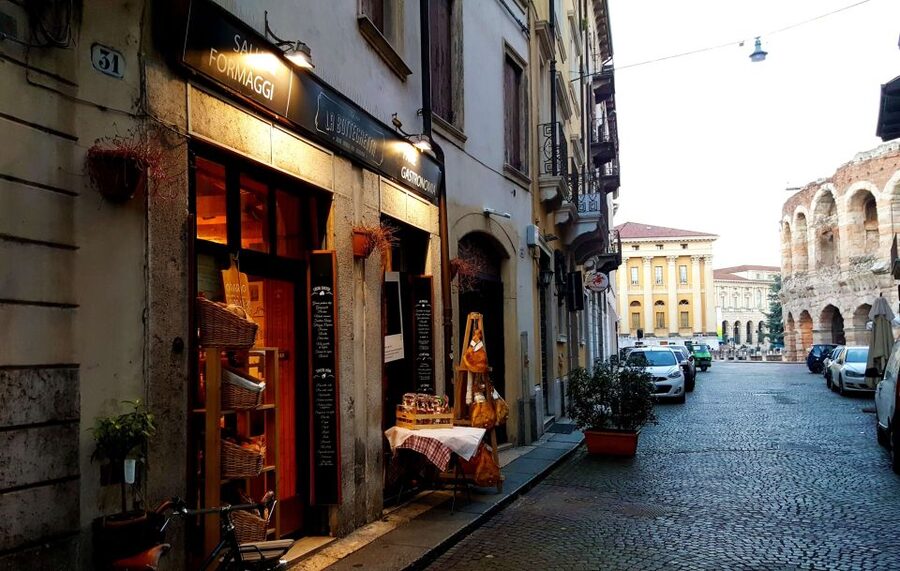
This tasting meets at the historic shop Botteghetta. It’s the kind of place where you can picture locals dropping in for provisions, not a big tourist hall. The provider behind the experience is La Botteghetta (La Bottega di Verona), and the staff run it like a real food lesson.
The session is about one hour. That matters because you’ll taste in a sequence, learn the logic behind each cheese, and move on while your palate is still sharp. If you’re the type who likes slow dinners, you might want a longer food plan after this. If you want something efficient and educational, this hits the sweet spot.
You’ll also want to show up prepared. Bring your passport or ID card, and arrive about 15 minutes early so you can get settled without rushing. The tasting is for adults only, with children under 18 not suitable.
You can also read our reviews of more tours and experiences in Verona.
The sensory method: see, touch, smell, then bite
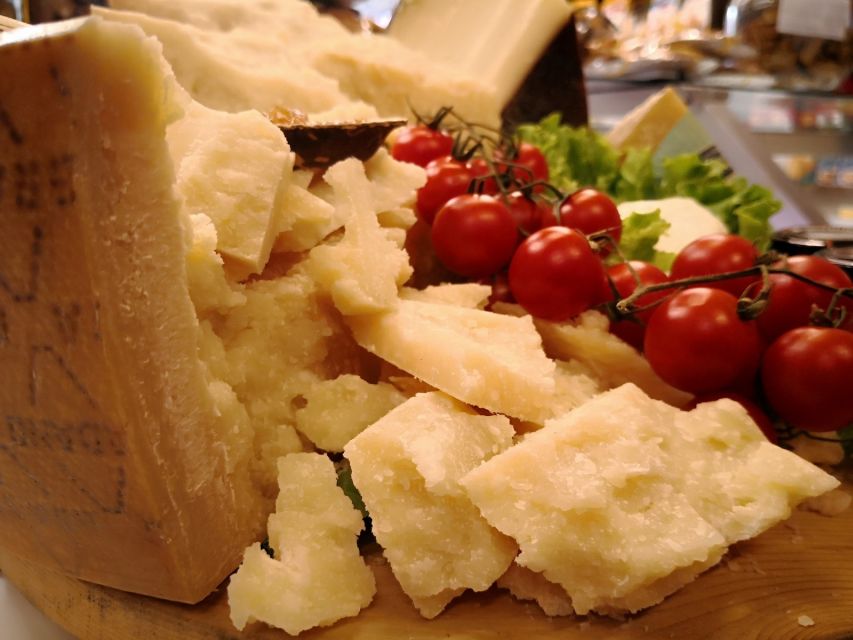
Most tastings start with taste. This one starts earlier. You begin by looking at the wedge you’re about to try. Then you touch it and smell it. Only after that do you take the first bite.
That order sounds simple, but it changes everything. Cheese aroma can feel like a separate language. When you smell before you taste, you get traction faster. You also learn why the guide says relying on taste alone won’t give you the full picture.
Here’s what you can do to get more out of it:
- Pay attention to texture and appearance before the first bite. The guide’s setup is designed to make you notice.
- Smell, then take a small bite. Don’t rush to finish the piece.
- After the bite, pause for a few seconds and let flavors shift. This is when you’ll understand why pairings work.
By the time you’re tasting, your palate is already “warmed up” by sensory cues. That makes each cheese easier to distinguish, even if you don’t consider yourself a cheese expert.
Five Veneto cheeses: what you learn by tasting them side-by-side
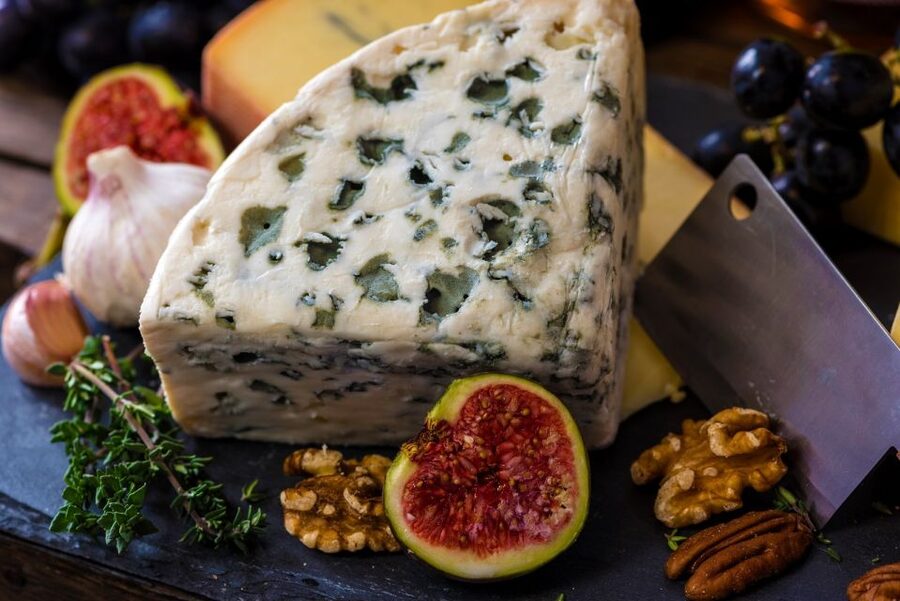
The core of the experience is simple: you taste five different regional cheeses from Veneto. Instead of treating cheese like one category, you learn that local production leads to distinct styles.
One cheese you’ll recognize from the local spotlight is Monte Veronese. A guest mentioned it as part of the tasting, and it fits the broader idea of the region: cheese traditions here aren’t random. They’re tied to local production philosophies and long-running know-how.
Even without needing to memorize names on day one, tasting multiple types in a row trains your palate. You start picking up differences that you’d miss if you just tried one cheese and called it a day. You also get a feel for how certain cheeses handle sweet elements (like jams and honey) and how they respond to sharp counterpoints (like mustards).
This is also why the guide’s method matters. If you rely only on taste, you’ll end up sorting cheeses by “good” or “not good.” If you use the full sensory approach, you start sorting them by structure: aroma, texture, and flavor direction.
Pairing basics: fruit, honey, sweet jams, and mustard
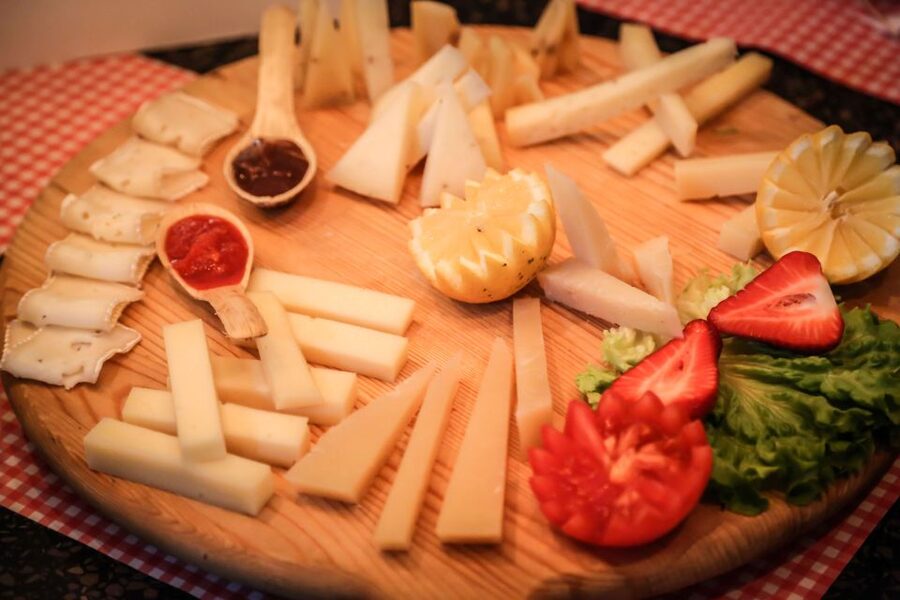
A big reason this tasting works is the platter is built like a lesson. Cheese alone is just one note. The experience teaches you how different local add-ons change the story.
You’ll taste items alongside the cheeses, including:
- Fresh fruit
- Honey
- Sweet jams
- Mustards (mostarda-style)
- Bread and breadsticks
That combination hits the full flavor map. Fruit adds brightness. Honey leans into sweetness and floral notes. Sweet jams push toward dessert territory in a controlled way. Mustard is the wild card: it brings tang and heat that can cut through richness.
Bread matters too. The bread and breadsticks are there to reset you between cheeses and help you explore each pairing without your palate getting overwhelmed. It’s a small detail, but it’s one of those “why didn’t I think of that?” tools that makes the tasting more repeatable at home.
The platter itself is also arranged with intention. The cheeses aren’t dumped on a board. The arrangement plus the lineup of add-ons creates different aromas and fragrances as you go, so each tasting step feels like a new mini-course.
Pairings that make sense: water, sparkling, and wine on request
You’re not left dry while you learn. The tasting includes sparkling and mineral water, plus bread and breadsticks. Water is underrated in cheese education. It clears the palate and helps you focus on what’s happening in the next cheese.
Wine pairings are available on request. That’s helpful if you want alcohol in the mix, and smart if you’d rather keep it non-alcoholic and still learn the combinations. Just remember the minimum drinking age requirement: you’ll need to be 18+ and bring ID.
One guest specifically mentioned that the pairings included wine and aceto balsamico. The official included list emphasizes wine on request, but that balsamic detail suggests you might see local vinegar show up as part of some pair options. Either way, the spirit is the same: the goal is harmony, not forcing every cheese to taste like the same thing.
Price and time: is $53 for one hour worth it?
At $53 per person for a 1-hour tasting, the value depends on what you want out of it.
If you just want to eat cheese, you might feel like you paid for instruction you don’t need. If you want to understand what you’re tasting and why it works, this price starts to make sense quickly. The experience gives you:
- Multiple cheeses in one session
- Guided sensory technique (see-touch-smell-bite)
- Pairing education with local mustards, honey, jams, and fruit
- Included water and bread
So you’re not paying for a single plate of cheese. You’re paying for a structured way to learn something you can use again. The fact that it often feels small and personal also supports the value. In tighter group settings, you’re more likely to get clear explanations and not just “here’s your cheese, good luck.”
If you’re the kind of person who loves food facts and small tastings, you’ll likely feel good about the spend. If you want a long meal with lots of downtime, you may prefer something else after this, because this stays focused and timed.
Language and atmosphere: English, Italian, and Russian
The guide provides a live tour in English, Italian, or Russian. That means you can choose a language that keeps the food talk clear, not translated in your head.
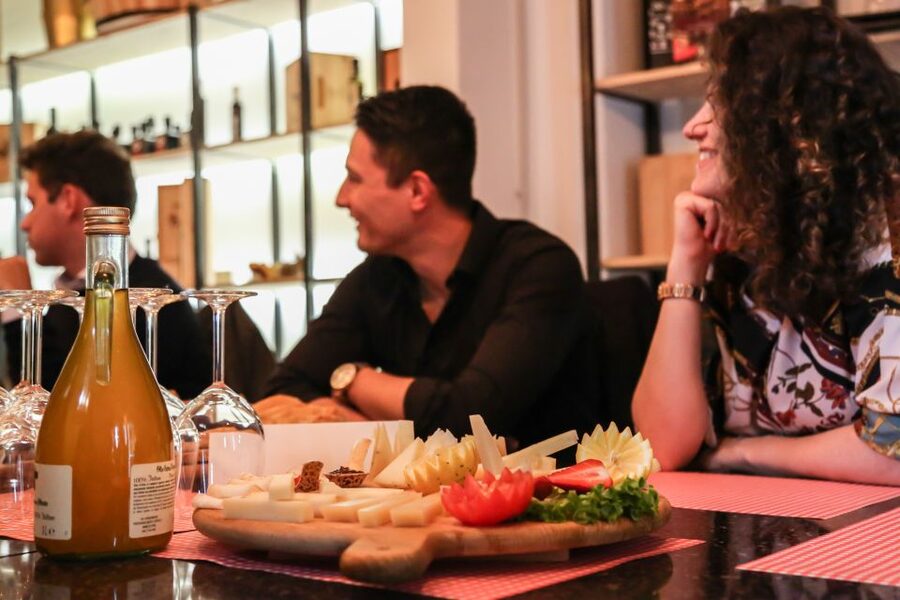
The atmosphere is part of the appeal. One review described it as a very small and personal event, and that tracks with how tastings like this tend to run: you learn better when you’re not lost in a crowd. You should still expect it to be lively and guided, not silent and museum-like.
Who should book, and who should skip
This is a strong fit if you:
- Love regional Italian food but want something more focused than a big tasting market
- Want to learn pairing logic, not just sample a bunch of bites
- Enjoy hands-on guidance for what to pay attention to in aroma and texture
- Are an adult and want a short, high-quality food experience
It’s not a good fit if you:
- Use a wheelchair. The experience lists no wheelchair access
- Need a family-friendly option. Children under 18 aren’t suitable
- Want a long sit-down meal. This runs about one hour, and it’s meant to be efficient
Also, if you’re easy to overwhelm by flavor, pacing matters. The guide’s sensory order plus water and bread is there to keep things manageable.
Should you book this Verona cheese tasting?
Book it if you want a smart Verona food moment that teaches you how to taste, not just what to taste. The biggest win is the method: see first, then touch and smell, then bite. That alone makes it more memorable than a typical cheese plate stop.
I’d skip it only if you hate short timed experiences, can’t do adult tastings (18+ ID requirement), or need wheelchair access. Otherwise, for $53 you’re getting a real lesson in how Veneto cheese tradition shows up in flavor pairing with fruit, honey, sweet jams, and mustards.
If you’re building a Verona food day, this is a great early or mid-activity stop. You’ll leave with a better palate and a clearer idea of what you want to order next.
FAQ
Where is the meeting point for the Verona cheese tasting?
The meeting point is at the historic shop Botteghetta.
How long does the cheese tasting last?
The experience lasts 1 hour.
What is included in the tasting?
The tasting includes cheese, jams, honey, mustards, fresh fruit, bread and breadsticks, sparkling and mineral water, and wine pairings on request.
Do I need ID, and is there an age limit?
Yes. The minimum drinking age is 18+, so you should bring your ID. Children under 18 are not suitable.
Is the tour wheelchair accessible?
No. It is not suitable for wheelchair users and has no wheelchair access.
Can I cancel and get a refund?
Yes. You can cancel up to 24 hours in advance for a full refund.