REVIEW · FLORENCE
Journey through Italian Cheese
Book on Viator →Operated by Tuscany in a Bottle · Bookable on Viator
Cheese in Florence teaches you to taste smarter. I like the small group size (max 9) and the fact that Rebecca—a certified cheese taster (ONAF)—runs the tasting. One catch: in about 1.5 hours the pace is busy, so it may feel too quick if you want to obsess over just one cheese.
You meet at Formaggioteca Terroir, a central Florence cheese shop with 50+ selected cheeses. The shop won Best Cheese Bar at the Italian Cheese Awards in 2023, so you’re walking into a place that takes its cheese seriously, not just as décor.
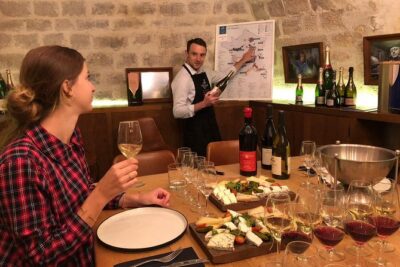
You’ll start with a 5-cheese platter, then build your palate with a structured look at Tuscan wine and the Italian wine designation system. You taste 5 wine varietals (including Chianti Classico and Brunello di Montalcino) and you pair cheeses with 2 wines during the class.
In This Review
- Key takeaways before you go
- At Formaggioteca Terroir: a cheese shop that feels like a classroom
- Meeting Rebecca: what starts with cheese gets tied to wine
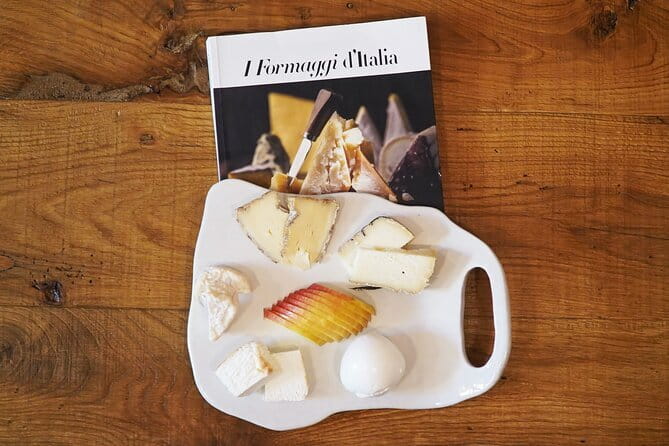
- Your first stop is the platter: 5 Italian cheeses, one focused lesson
- How to taste the cheeses like a pro (without acting like one)
- Pairing cheeses with two wines: the palate reset that makes it stick
- The Tuscan wine lesson: regions and the Italian designation system
- Chianti Classico vs Brunello di Montalcino: what you’re really comparing
- The pacing, group size, and timing that actually work in Florence
- Price and value: $46.13 for cheese plus real wine learning
- Where this fits in your Florence day plan
- Should you book it?
- FAQ
- FAQ
- Where does the experience start?
- How long is the experience?
- What time does it start?
- Is the tour in English?
- How many people are in the group?
- What’s included in the tasting?
- Do I have to be a legal drinking age?
- What wine varietals will you taste?
- When will I receive confirmation after booking?
- Is free cancellation available?
Key takeaways before you go
- Rebecca the (ONAF) certified guide gives clear, practical cheese guidance
- 5 Italian cheeses chosen from different milks, styles, and ages
- Tuscan wine education focused on regions and the Italian wine designation system
- Chianti Classico and Brunello di Montalcino are on the flight so you can compare styles
- Max 9 people keeps it personal, not a loud food-and-drink line
At Formaggioteca Terroir: a cheese shop that feels like a classroom
Formaggioteca Terroir sits in central Florence (Via dei Renai, 19), which matters. You’re not stuck at the edge of town or shepherded to an off-site venue. It’s also near public transportation, so getting there is usually painless.
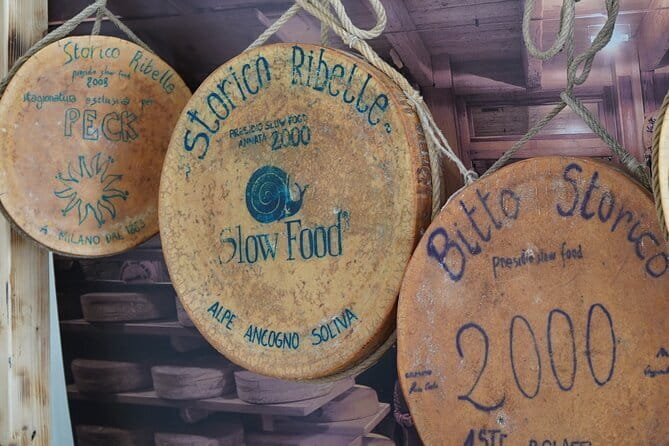
What makes this shop a smart place to learn is the sheer cheese selection: it has more than 50 selected cheeses. That gives you context. You’re tasting a curated set, but you’re also surrounded by the larger world of Italian cheese, so the explanations make more sense.
And yes, the awards angle is real. The shop won Best Cheese Bar at the Italian Cheese Awards in 2023. That’s not just a badge—it usually means the staff knows how to talk about cheese without turning it into a science lecture you can’t use.
You can also read our reviews of more tours and experiences in Florence.
Meeting Rebecca: what starts with cheese gets tied to wine
The class meets at Formaggioteca Terroir with Rebecca, who’s certified as a cheese taster (ONAF). You’ll be the kind of person she enjoys teaching—curious, willing to taste, and happy to learn why each cheese is different.
There’s one timing note to watch. The details provided list Rebecca meeting you at noon, but the scheduled start time is shown as 4:30 pm. Use your confirmation email as the authority for the exact start. Either way, plan for about 1.5 hours at the shop.
This is offered in English, and it uses a mobile ticket. That’s a small comfort in Florence—less paperwork to juggle while you’re on your walking circuit.
Your first stop is the platter: 5 Italian cheeses, one focused lesson
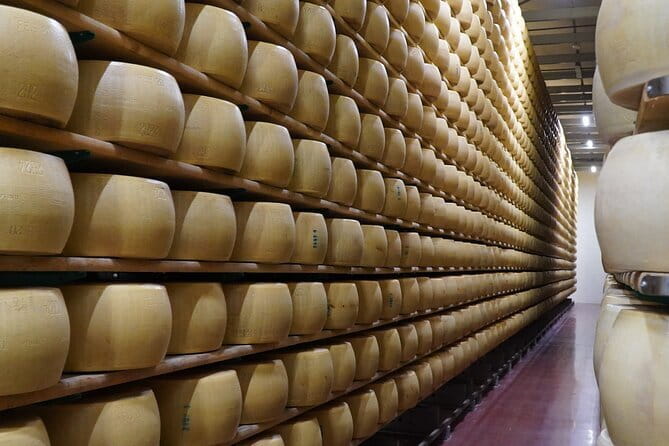
Inside, the experience starts with a cheese platter of 5 Italian cheeses. Instead of random bites, the point is structure: you taste cheeses made from different types of milk, in different styles, and aged for different lengths of time.
That variety is the key to understanding Italian cheese, because milk type and aging drive most of what you notice. Milk type affects flavor and texture. Aging affects sharpness, aroma, and even how the cheese behaves in your mouth.
Rebecca walks you through what’s characteristic of Italian cheese making, using stories and history. I like this approach because it helps you remember details. You don’t just taste something; you understand the reason behind it, so later, when you see a label or a cheese wheel, you have a mental hook.
How to taste the cheeses like a pro (without acting like one)
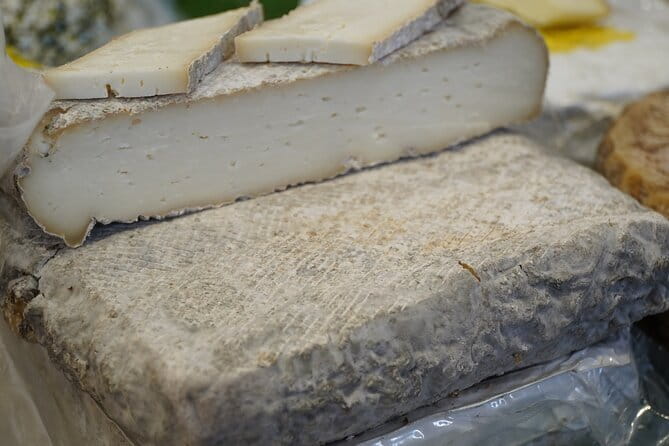
You’ll get tasting notes during the session, and you’ll also learn what to look for as you taste. In a good cheese class, that means you stop guessing and start noticing.
Here’s the practical part: you’ll learn how each cheese comes across in your senses—smell, texture, flavor development, and aftertaste. That’s exactly what you need if you want to confidently order cheese later.
Also, you’re not just eating. You’re learning the logic of Italian cheese styles, so you can say things like, I know why this one feels drier or why this one tastes more intense. It’s a small skill, but it makes the whole food scene in Florence easier to navigate.
Pairing cheeses with two wines: the palate reset that makes it stick
After you get your cheese foundation, you’ll taste 2 wines as part of the pairing. This is where the lesson starts to click.
Cheese and wine can either fight each other or work together, and the class gives you a method to understand why. When you taste both, you’ll start noticing how acidity, tannins, and alcohol change the way cheese flavors land.
If you’ve ever had the experience of loving a wine alone but not liking it with food—or the opposite—this pairing portion helps you connect the dots. You’re training your palate to make real-world choices, not just collect good tastes.
The Tuscan wine lesson: regions and the Italian designation system
Next comes the wine education side, and it’s designed to be useful, not just fancy. You learn about the wine regions of Tuscany and the Italian wine designation system, which helps you decode what you’re seeing on labels.
The key value here is translation. Italy can feel label-heavy. Different systems and terms can blur together fast. This class helps you understand what those designations mean in practical terms—what kinds of expectations to have before you sip.
Then you taste 5 different varietals. The highlights specifically call out Chianti Classico and Brunello di Montalcino, which are two big-name Tuscan benchmarks. Taste them in the right context and you can compare style differences more clearly than if you just randomly order one glass in a bar.
Chianti Classico vs Brunello di Montalcino: what you’re really comparing
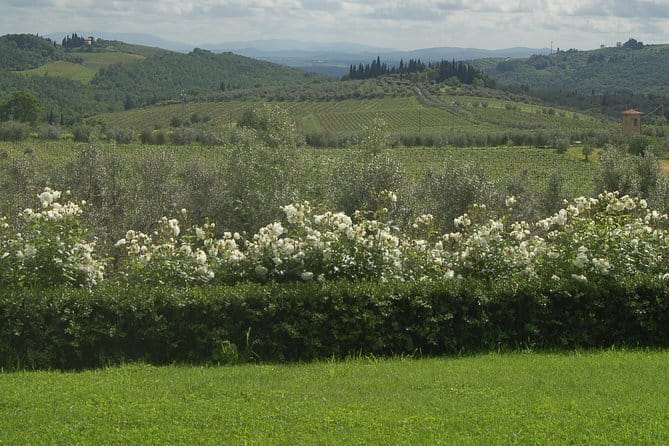
Chianti Classico and Brunello di Montalcino can both feel like Tuscan stereotypes until you taste them with guidance. In this class, the point is to learn what makes each wine unique and to leave with tasting notes you can actually use later.
Expect your guide to connect flavor and structure to place and style. That might sound abstract, but with tasting notes in hand, it becomes tangible. You’ll start noticing differences in how the wine feels—how it frames the cheese, how the flavors progress, and what stands out as the wine opens in your glass.
And because you’re learning the designation system while you taste, you’re not just stacking preferences. You’re building a small decision framework: if I like this, I’ll probably like that category too. That’s the kind of knowledge that makes ordering easier once you’re back out in the world.
The pacing, group size, and timing that actually work in Florence
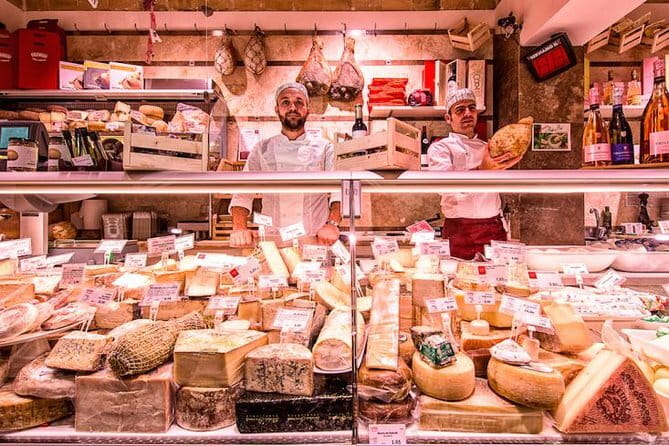
This class runs about 1.5 hours. That’s long enough for guided tasting and explanations, but short enough that you’re not wasting a full afternoon.
The group size maxes at 9 travelers, which keeps it interactive. You can ask questions and actually hear the answers. In a city like Florence, that matters because you’re always balancing art, stairs, lines, and transit. This isn’t a marathon.
One more practical detail: your meeting point is your end point. You’ll finish back at Formaggioteca Terroir. That’s helpful because you don’t need to map a second location while your legs are already tired from sightseeing.
Price and value: $46.13 for cheese plus real wine learning
At $46.13 per person, this is positioned as an educational tasting rather than a casual snack-and-sip stop. And the value comes from the mix: you’re getting 5 cheeses, plus wine tastings tied to a structured lesson.
You also taste 5 wine varietals, including major Tuscan labels, and you pair cheeses with 2 wines during the experience. For a guided format that includes both food and wine education in one session, the price feels fair for Florence.
Also, small touches add up: you get a mobile ticket, clear language instruction (English), and confirmation should arrive within 48 hours of booking, based on availability.
Where this fits in your Florence day plan
This is a good add-on when you want something that isn’t another museum ticket. The shop-based setting also makes it ideal if you’re flexible about weather. If the forecast turns or you just need a break from walking, this is a comfortable, indoor reset.
If you’re doing multiple food experiences in Florence, this one works well as a “skill builder.” You leave knowing how to taste and what to look for when you order.
Just don’t schedule it too close to another reservation that requires you to be elsewhere quickly. Because the pace is guided, you’ll want that full block of time for tastings and explanations.
Should you book it?
Book this if you want a hands-on introduction that’s more than just sampling. It’s especially a good choice if you enjoy learning and tasting, and you want to understand the Italian cheese world and Tuscan wine designations in a way you can carry home.
Skip it if you hate guided structure. This isn’t a freeform food crawl. The class is designed around 5 cheeses, tasting notes, and a wine lesson with specific varietals, so it moves along a set plan.
FAQ
FAQ
Where does the experience start?
It starts at Formaggioteca Terroir, Via dei Renai, 19, 50125 Firenze FI, Italy, and the activity ends back at the meeting point.
How long is the experience?
Plan for about 1 hour 30 minutes.
What time does it start?
The details list a start time of 4:30 pm, but the overview also mentions Rebecca meeting you at noon. Check your confirmation for the exact time.
Is the tour in English?
Yes, it’s offered in English.
How many people are in the group?
The maximum group size is 9.
What’s included in the tasting?
You taste 5 different types of Italian cheeses and 2 wines with your cheese tasting, plus wine tasting that includes 5 different varietals.
Do I have to be a legal drinking age?
Yes. The minimum drinking age is 18, and the minimum age for participation is also 18.
What wine varietals will you taste?
The highlights mention Chianti Classico and Brunello di Montalcino, along with tasting 5 different varietals total.
When will I receive confirmation after booking?
Confirmation is sent within 48 hours of booking, subject to availability.
Is free cancellation available?
Yes. You can cancel up to 24 hours in advance for a full refund.