REVIEW · FLORENCE
Semi Private tasting and Cheese-making Class in Florence
Book on Viator →Operated by Chef Vary · Bookable on Viator
Cheese class in Florence beats another museum day. You’ll make cheese from scratch, then sit down for a guided tasting with wine or craft beer. It’s hands-on, small-group, and built around real food—not just a talk and a snack.
I especially love the do-the-work style: you cook and handle the curd, break it up, squeeze it in gauze, and shape it into a basketed cheese. I also like the way the tasting is tutored—your instructor guides you through what you’re tasting and how to build a proper tray, with insider tips you can actually use later.
One possible drawback: it’s not a long experience. At about 1 hour 30 minutes, you’ll need to come ready to learn and taste right away, not squeeze in other plans before or during the class.
In This Review
- Key Highlights Worth Planning Around
- Cheese-Making Steps, Then a Proper Tasting Board
- Your Kitchen Hosts: Chef Vary and Eduardo
- What Happens During the Cheese-Making Part
- Building Your Cheese Tray Like a Pro
- Drinks and Pairing: Wine or Craft Beer
- How the Class Can Expand Beyond Cheese
- Time, Energy, and Why the 2:30 pm Start Works
- Small Group Size: Why It Changes Everything
- Logistics in Florence: Getting There Without Pain
- Price and Value: What You’re Actually Paying For
- Who This Class Is Best For
- Quick Checklist Before You Go
- Should You Book This Cheese-Making Class?
- FAQ
- Where does the class meet in Florence?
- What time does the experience start?
- How long is the cheese-making and tasting session?
- Is the class taught in English?
- Do you need to drink alcohol to participate?
- Is the class suitable for kids?
- Can the class be made gluten-free?
- What is included in the price?
- Is there a way to get a refund if I cancel?
Key Highlights Worth Planning Around
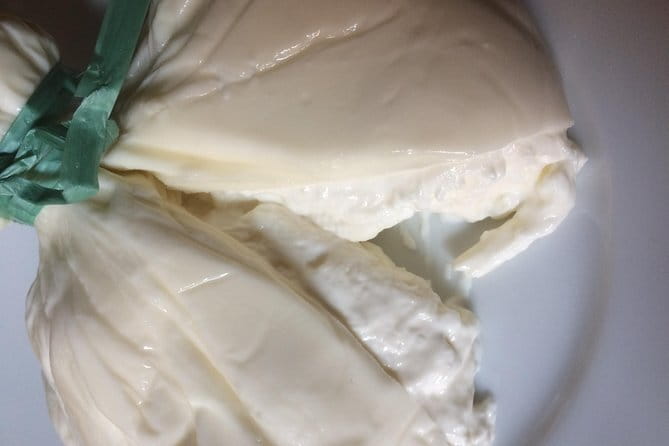
- Hands-on cheese-making with step-by-step guidance from Chef Vary
- Tasting tray build using standout Italian cheeses like burrata, pecorino, and Parmigiano Reggiano
- Pairings with drinks: wine tasting or Italian craft beer, plus honey, jams, and fruit
- Small group size (max 10), so questions don’t get swallowed
- Chef + wine help from Eduardo, adding extra context while you taste
Cheese-Making Steps, Then a Proper Tasting Board
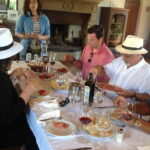
Florence can feel like constant walking. This experience is a break that still feels active. You’re in a real kitchen setting, with a small group and direct instruction, and you get two payoffs: you make something yourself, and then you learn how to taste like a cheese person.
The whole session runs about 1 hour 30 minutes and starts at 2:30 pm. That timing is smart because it gives you space to stop for lunch before you go. It also turns the afternoon into a food-focused chapter, which is exactly what many people want when they’re tired of doing the same sights loop.
The class is semi-private with a maximum of 10 travelers, which matters in practice. You’re not watching from the edge of the room. You get hands-on time with your cheese, and the tasting portion stays interactive rather than turning into a lecture.
And yes, it’s in English.
You can also read our reviews of more tours and experiences in Florence.
Your Kitchen Hosts: Chef Vary and Eduardo
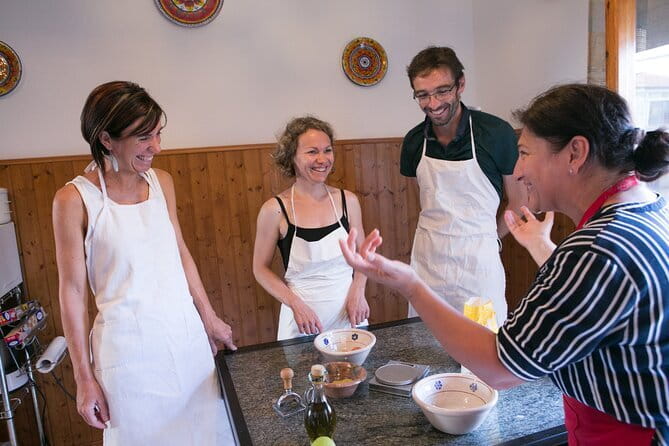
This is hosted by Chef Vary, the person doing the teaching and driving the cooking side. In the tasting moments, Eduardo also shows up as a helpful resource, especially around the drink side and pairing logic.
If you like classes where you can ask questions and actually get an answer, this setup fits. In a small group, the instructor can check what you’re doing and correct small things early—like how you handle curd or how you approach the texture you’re seeing.
The vibe tends to feel friendly and focused. One of the best parts of experiences like this in Florence is finding someone who can explain food in plain language. That’s what you get here: you’ll get practical guidance, plus food talk that makes the tasting more fun instead of more complicated.
What Happens During the Cheese-Making Part
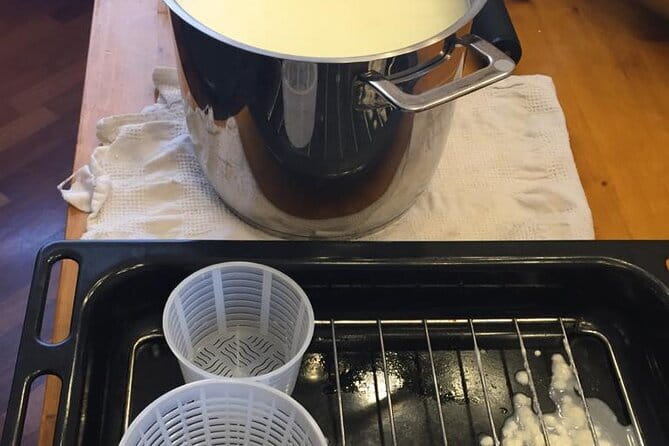
The session starts immediately. There’s no long wait while you stare at equipment. You’ll begin preparing your cheese from scratch, and the flow is set up so you can follow along and do each step yourself.
Here’s the core sequence you’ll work through:
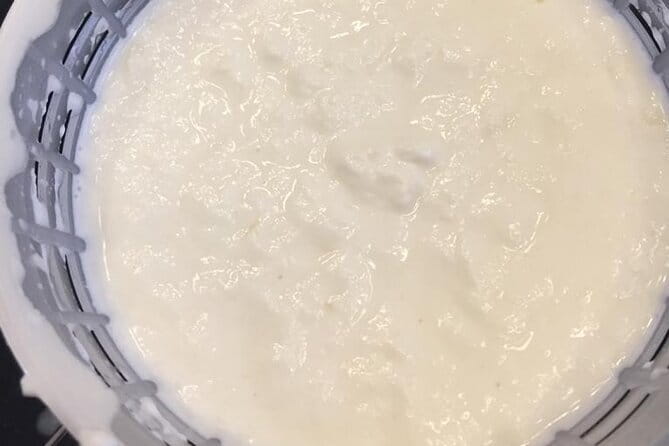
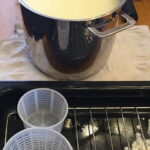
- You cook the curd
- You break the curd
- You squeeze it in gauze
- You place the cheese into the appropriate basket
Those steps aren’t just for show. They’re the foundation of how shape, moisture, and texture develop. When you do it, you start to understand what you’re tasting later. For example, you don’t just learn that a cheese is firm or soft—you’ve handled the steps that affect that outcome.
While your curd is working (curdling and settling), you’re not left idle. You’ll inspect cheeses from Italy with “curiosities” and useful information. That matters because it keeps your brain engaged while the kitchen process finishes its work.
Dress code is smart casual, and you should plan to be comfortable enough for hands-on food work. If you’re thinking about what to wear: go practical over fancy. This is Florence, but you’re doing a cooking class.
Building Your Cheese Tray Like a Pro
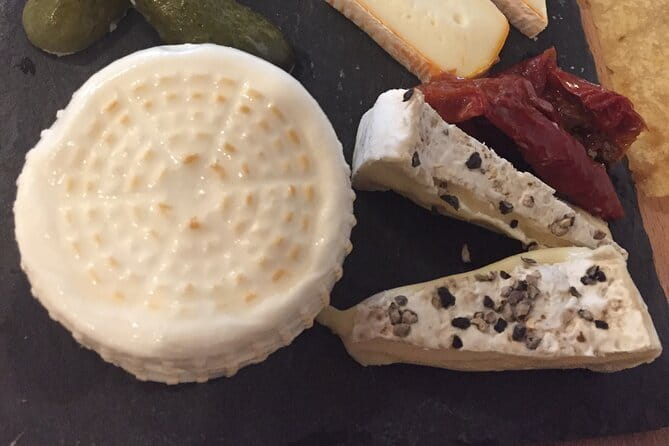
After the making part, you move into the tasting/tray portion. This is where the class turns into a learning experience, not just a meal.
You’ll prepare a tray that includes cheeses with different styles and flavors, so you can compare how region and ingredients show up on your tongue. The experience specifically references a range of Italian options, including:
- Apulian burrata
- Creamy cheeses from the mountains
- Pecorino cheeses
- Tuscany truffles
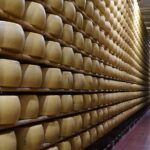
- Parmigiano Reggiano
- Other cheeses chosen by expert selectors
That lineup is useful because it lets you taste across textures—creamy, firm, and aromatic. It also helps you stop thinking of cheese as one flavor. With guidance, you start noticing how salt level, aroma, and mouthfeel change from one cheese to the next.
Then comes the fun pairing part. Your tray also gets extras like honey, jams, and fruit. This is more than sweetness for dessert—it’s a way to balance salt and deepen flavors. If you like to snack while traveling, this is the kind of pairing logic that helps you build better boards back home.
Drinks and Pairing: Wine or Craft Beer
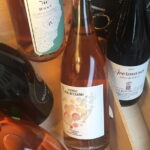
Cheese is only half the game here. The other half is the pairing. You’ll enjoy your tasting with excellent wine or Italian craft beer.
The drink choice is part of how you learn. A tutor can help you understand why something works—whether it’s acidity cutting through fat or a beer style that matches the cheese’s intensity.
From what you’ll experience in the class, the pairing is treated as a skill, not an afterthought. With Eduardo’s support in particular, you get a sense of what to look for when choosing a drink at a shop later.
Also, the minimum drinking age is 18. If you’re traveling as a mixed-age group, plan around that from the start.

How the Class Can Expand Beyond Cheese
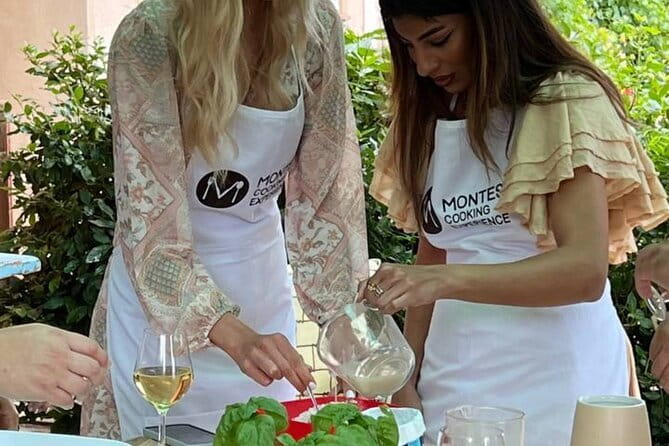
The description focuses on cheese-making plus a cheese tasting board. In practice, the experience can feel broader. Some sessions include additional Italian food elements that go beyond the basic steps and cheese tray.
You might find additions like homemade breads and extra courses woven into the session—things such as focaccia and other Italian preparations. In some versions of this day, the class experience can stretch into more of a full meal format, with richer dishes and even desserts.
That’s not something you should count on every time. But it’s a good sign: the hosts clearly know how to turn an activity into an actual food experience, not just a quick demo. If you like eating while learning, that’s a big reason people rate this so highly.
Time, Energy, and Why the 2:30 pm Start Works
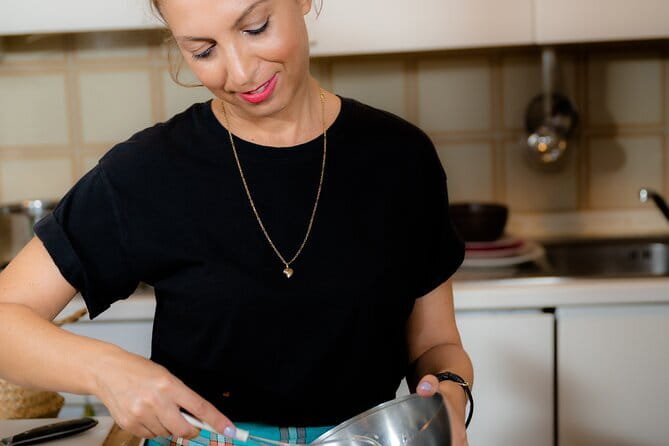
A lot of food tours fail on timing. You get stuffed early, then you spend the rest of the afternoon searching for water and bathrooms. Here, the 2:30 pm start is built to match a normal travel day. You can eat lunch, then come in for an active hands-on class without starving.
Because it’s about 1 hour 30 minutes, you’re also not locked into half your day. That makes it a smart choice if you want an experience that feels meaningful but doesn’t blow up your plans.
One more practical point: this isn’t a super-late evening class. So you can still do a stroll afterward—maybe gelato, maybe a view, maybe a relaxed walk back toward dinner.
Small Group Size: Why It Changes Everything
When the group is capped at 10 travelers, the class behaves differently.
You tend to get:
- quicker checks from the instructor while you’re working
- more chances to ask questions during tasting
- less waiting around while someone else is getting help
That turns the class into something closer to a workshop. And that’s important because cheese-making has a few technical steps. If you’re left without guidance, it’s easy to feel lost. Here, you’re nudged as you go.
If you’re traveling solo, this also helps. You won’t feel like a stranger in a room of couples who already know what they’re doing. The structure keeps things friendly and approachable.
Logistics in Florence: Getting There Without Pain
The meeting point is:
Tuscan Taste, Via Romana 41r Rosso, 50125 Firenze FI, Italy
Start time: 2:30 pm
It ends back at the meeting point.
It’s near public transportation, which is a big plus in Florence. The city is easier on foot and by tram than by car.
One practical caution from real-world experience: parking is a headache, and many visitors assume they can drive to the meeting area and park like in other cities. In Florence, that often doesn’t work well for non-residents. If you have a rental car, plan to skip driving into the area. Use a taxi, rideshare, or just walk in from where you’re staying.
If you rely on a GPS app, make sure you have the right address. Even when the meeting point is described clearly, it’s easy to end up at a nearby street with a different door. I’d treat this like any key food stop in Florence: set aside a few minutes to confirm you’re at the exact entrance.
Price and Value: What You’re Actually Paying For
At $114.15 per person for roughly 1.5 hours, this isn’t a budget snack. But it also isn’t just a tasting with a cookie.
You’re paying for:
- hands-on cheese-making instruction
- a chef-led cooking class atmosphere
- a professional cheese taster approach during the tasting
- local cheese tastings
- wine tasting (or craft beer pairing)
- local taxes
That mix is the value story. Cheese-making classes usually cost more than a standard food tour because the teaching and ingredients take real work. Then add the guided tasting logic and the pairing drinks, and the experience becomes more like a workshop meal than a quick stop.
If you like culinary learning with real hands-on results, it’s easier to justify. If you only want a light bite and don’t care about making food yourself, you might prefer something less active.
Who This Class Is Best For
This fits well if you:
- want a hands-on food experience in Florence
- enjoy tasting and learning pairing logic
- like small-group formats where you can ask questions
- want a break from long sightseeing days
It may be less ideal if you:
- hate cooking with your hands
- want a very slow, chatty tour with lots of downtime
- are traveling with dietary needs beyond what the class can accommodate
Children must be accompanied by an adult, and there’s a hard boundary: no minors under 16, and there’s no vegan option listed. If you’re planning a family trip, this is one of those activities where your group needs to match the rules.
Quick Checklist Before You Go
Based on what’s required and how the session works, I’d plan around these basics:
- Wear smart casual clothes you don’t mind getting slightly involved
- Be ready to taste and eat during the session
- Plan for 18+ drink service rules
- If you need gluten-free, request it in advance
- If you’re coming by car, think twice about parking and access
Because the experience is tightly timed, you’ll get more out of it if you arrive steady and ready to work.
Should You Book This Cheese-Making Class?
Yes—if you want a real food-focused experience where you leave with new skills and a better understanding of how Italian cheese works. The hands-on cheese-making steps plus the tutored tray tasting are a strong combo, and the small-group size keeps it from feeling generic.
Skip it if you’re looking for a passive tour, or if your travel style is all sightseeing with minimal food commitment. Also be honest about dietary constraints: the class can be gluten-free on request, but there’s no vegan option stated.
If you do book, I’d treat this as your culinary afternoon anchor. You’ll make something, learn how to taste it, and then enjoy those flavors with a proper drink pairing.
FAQ
Where does the class meet in Florence?
The meeting point is Tuscan Taste, Via Romana 41r Rosso, 50125 Firenze FI, Italy.
What time does the experience start?
The start time is 2:30 pm.
How long is the cheese-making and tasting session?
It runs about 1 hour 30 minutes.
Is the class taught in English?
Yes, the experience is offered in English.
Do you need to drink alcohol to participate?
No, but the tasting includes wine tasting or craft beer, and the minimum drinking age is 18.
Is the class suitable for kids?
Children must be accompanied by an adult, and there is a rule of no minors under 16.
Can the class be made gluten-free?
Yes, upon request the course can be made gluten-free.
What is included in the price?
Included are the hand-on cooking class, a private personal chef, a professional cheese-taster approach, local cheese tasting, local taxes, and wine tasting.
Is there a way to get a refund if I cancel?
No. The experience is non-refundable and cannot be changed for any reason.