REVIEW · VILA NOVA DE GAIA
Vila Nova de Gaia: Port Wine Tasting with Cheese Pairing
Book on GetYourGuide →Operated by Quevedo · Bookable on GetYourGuide
Port and cheese in Gaia, simple and satisfying. This one-hour tasting at Quevedo pairs three classic Port styles with three cheeses, with a guide talking you through what you’re tasting and why it matters.
I like the tight focus: you sample the same trio every time, so you can compare styles fast instead of getting lost in endless bottles. I also like the family-to-glass angle, with the story tied back to Douro vineyards and how Port is raised, matured, and bottled.
One thing to consider: it’s not a full meal. You get 3 glasses and cheese pairings only, so if you want a longer food experience (or extra pours), you’ll need to budget for that.
In This Review
- Key highlights worth planning around
- Quevedo in Vila Nova de Gaia: cozy setting and a clear welcome
- The Port story you’ll actually use: Douro grapes to your glass
- How the tasting runs in one hour: 40ml pours and a small-group rhythm
- Crusted Port with local-aged sheep cheese: start where richness makes sense
- 10-Year-Old Tawny with mixed aged paprika cheese: balancing spice and age
- Colheita 2009 White Port with Azores cheese and jam: a brighter finish
- Pairing tips you can copy after the tasting
- Price and value check: why $30 feels fair here
- Who this tasting is best for (and who might want a different option)
- Should you book this Port wine and cheese pairing at Quevedo?
- FAQ
- Where is the meeting point for the Port tasting?
- How long does the tasting last?
- How much wine is served in the tasting?
- What Port wines are included in the tasting?
- What cheeses are paired with each wine?
- Are extra wines and snacks included?
- Is this a small group experience?
- What languages can the host guide use?
- Is free cancellation available, and can I reserve without paying today?
Key highlights worth planning around
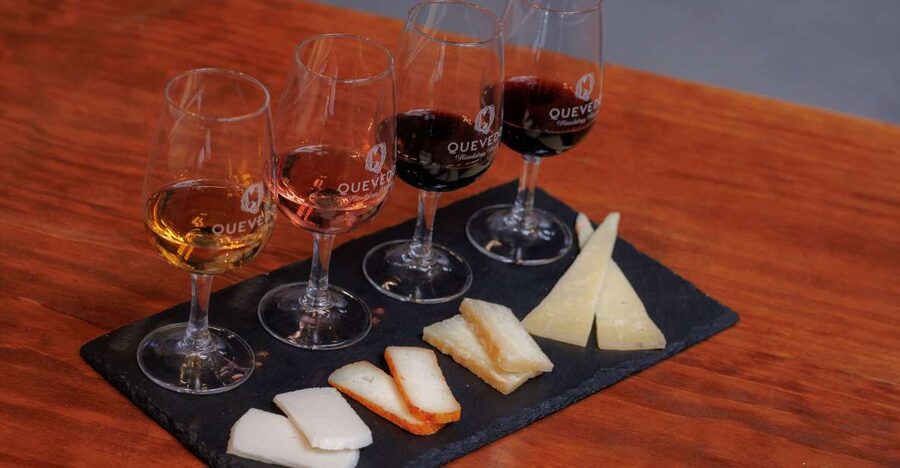
- Three Port styles, three pairings: Crusted Port, 10-Year-Old Tawny, and Colheita 2009 White Port
- Small group pace: up to 8 people in a relaxed setting
- Port-to-cheese logic: each cheese is chosen to match a specific style
- Douro sourcing explained: vineyards across multiple properties, plus organic olive groves
- 40ml serves: enough to taste and learn without turning it into a drinking contest
- You may meet a named guide: Miguel, Inês, Fernando, Marcia, Bruna, and others have led sessions
Quevedo in Vila Nova de Gaia: cozy setting and a clear welcome
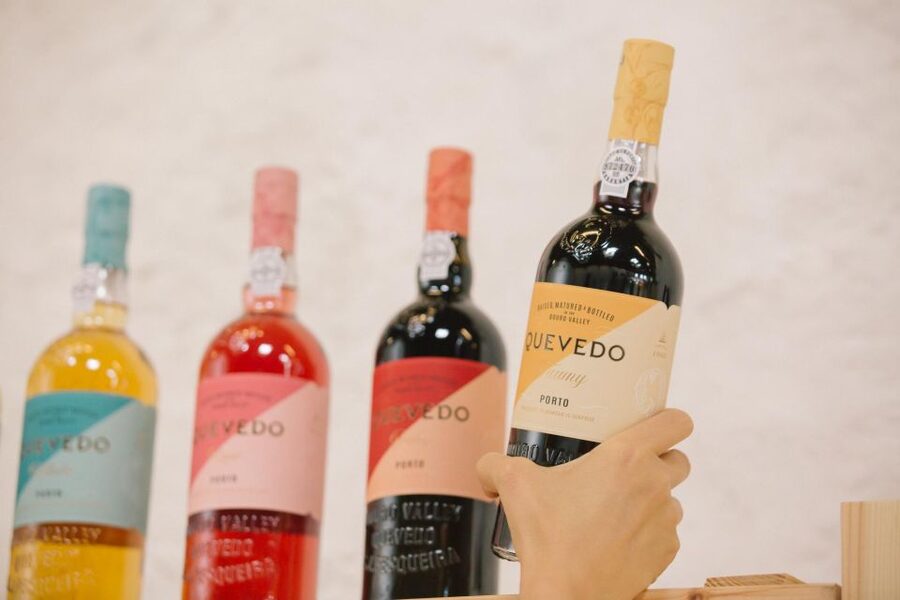
Quevedo’s tasting experience is built for people who want Port without the tourist chaos. The meeting point is right at Quevedo Port Wine, where you check in with a local staff member and get ushered into the tasting flow.
This is the kind of place where you can actually hear what the guide is saying. Even with different language options, the format stays simple: three pours, three cheese pairings, and a steady explanation as you go.
The atmosphere is also a nice match for Vila Nova de Gaia. You’re in the city, close to the river energy, but the tasting itself is calm. If you want a break from walking, this fits the bill.
The Port story you’ll actually use: Douro grapes to your glass
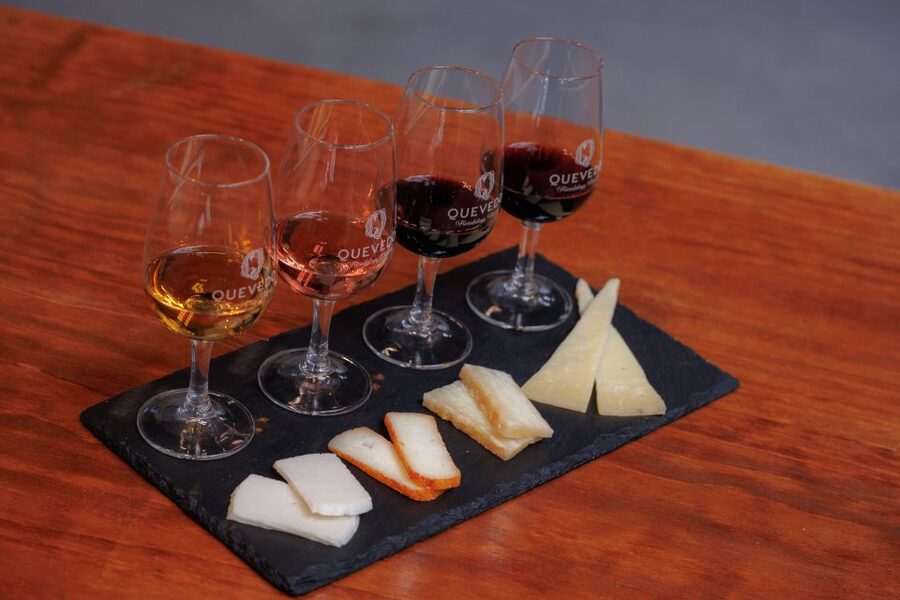
The best part of this tasting isn’t just the drink. It’s the way the Port story gets tied to choices in the vineyard.
Quevedo is a small, family-owned business with a heritage of crafting Port for over 5 generations. After Portugal entered the EU in 1993, they were able to bottle under their own brand. That makes them one of the newer Port houses in the Douro region, and it gives the tasting a sense of growth rather than only old-school tradition.
Here’s the practical takeaway: they emphasize that grapes matter because the origin shapes aromas and flavors. They grow grapes across 100 hectares of vineyards and also farm 25 hectares of organic olive groves on five Douro properties. That diversity is the reason you’ll taste different Port profiles rather than just one style wearing three labels.
If you’re a first-timer, this context helps you stop treating Port like a single thing. If you’re more experienced, it gives you a way to think about quality beyond the bottle name.
How the tasting runs in one hour: 40ml pours and a small-group rhythm
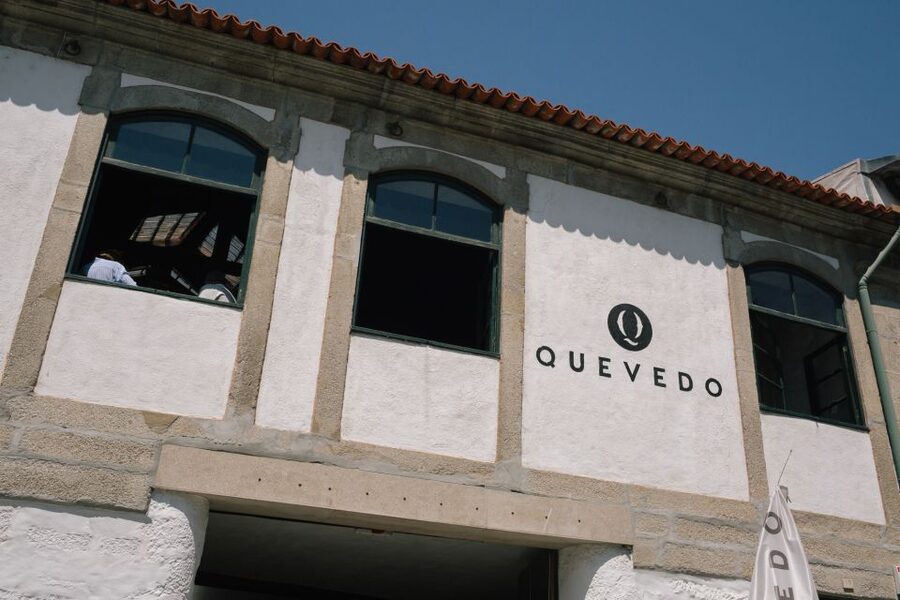
This is designed to work in one hour, which is great if you’re juggling Porto and Gaia in a day. The group size is capped at 8 participants, so you’re not stuck listening over a crowd.
You receive 3 glasses of Port, and each one is served as a 40ml pour. That matters because you can taste with attention. You’re not downing a full glass and losing the nuances.
The cheese pairing is included with each pour. You won’t find a bigger menu here, which is good for focus. It also means you’ll want to plan for dinner later, especially if you’re tasting earlier in the evening.
Languages are handled well. The host or greeter can speak Portuguese, English, Spanish, and Russian, so you won’t feel shut out if your Portuguese is still in progress.
Crusted Port with local-aged sheep cheese: start where richness makes sense
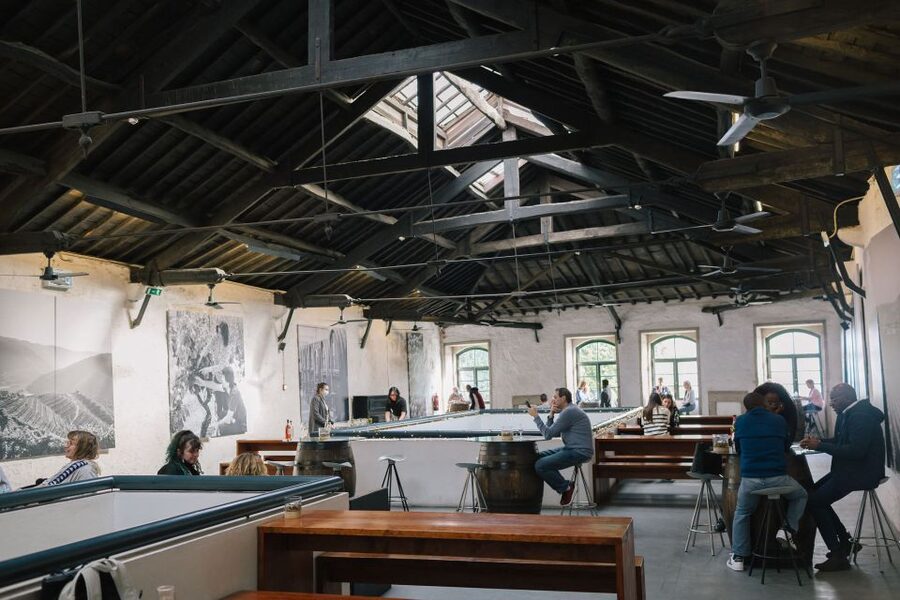
The first pairing is Crusted Port with a local-aged sheep cheese.
Why this works: Crusted Port tends to feel deep and warming, and sheep cheese often brings a tangy, slightly assertive character. That combination can feel like a slow handshake between sweetness and salt.
What to listen for during your tasting:
- how the Port’s richness changes once you add cheese flavors
- whether the cheese makes the Port taste sweeter, drier, or more layered
Guides often explain the style and how age affects aroma and texture. You might get a host like Miguel or Inês (or another guide from the team), and the common thread in their approach is giving you a simple framework for what you’re tasting and how to describe it.
If you’re new to Port, start slow. Smell first, then take a small sip, then a small bite of cheese. Wait a beat. The goal is to catch the moment the flavors connect.
10-Year-Old Tawny with mixed aged paprika cheese: balancing spice and age
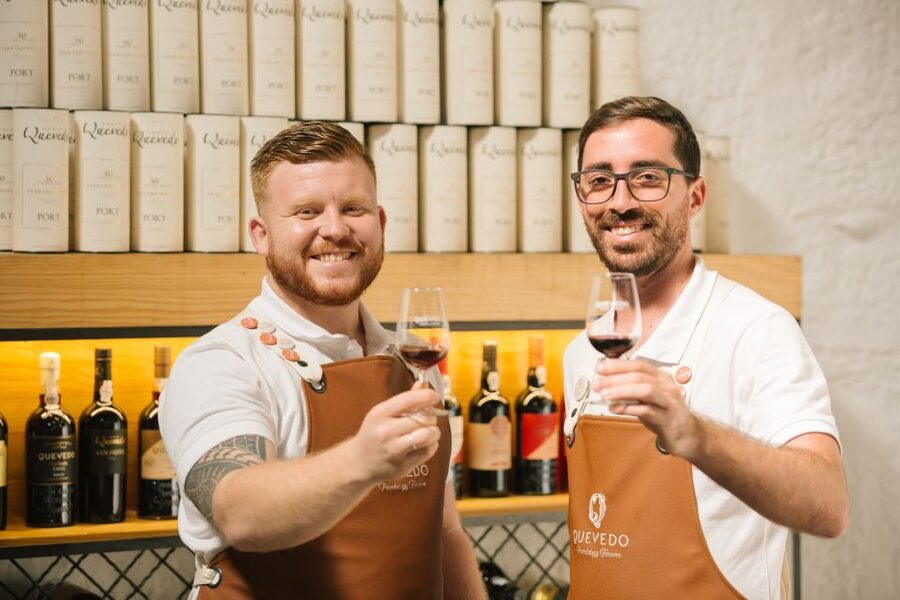
Next up is 10-Year-Old Tawny Port paired with a mixed cow, goat, and sheep-aged paprika cheese.
Tawny Port is usually the kind of style people like for its softened, mature character. Here, the pairing adds a savory angle with paprika and a mix of milk types that changes the cheese texture across bites.
During this segment, pay attention to how the cheese handles the Port:
- Does the paprika add warmth to the Port, or does it push it aside?
- Do you notice nuttier or caramel-like notes coming forward as you keep tasting?
A lot of the value in this stop is learning the pairing logic, not memorizing a lecture. In sessions led by people like Fernando or Bruna, the focus tends to be on explaining why the pairing was chosen and what effect it has on taste.
This is a good moment to ask questions. Even if you’re not sure what to ask, the guide can usually point you to what you should notice next.
Colheita 2009 White Port with Azores cheese and jam: a brighter finish
The final pour is Colheita 2009 White Port, paired with a 7-month aged traditional Azores cheese and local jam.
This is a smart ending. White Port can feel lighter on the palate than the classic reds and ambers, and pairing it with aged cheese gives you contrast without turning it sour or flat. Add jam, and suddenly you’ve got a sweet-salty triangle that can feel surprisingly complete.
Here’s what to try to catch at the end:
- how the jam changes the perception of the Port’s sweetness
- how the aged cheese keeps the finish from feeling just sugary
This is also where you’ll likely appreciate the “origin matters” concept again. The tasting lineup goes from richer, darker styles to something brighter and more nuanced, so you can see how Port changes across styles.
If you’re curious about what to buy later, this last segment is often the easiest time to compare what you liked most and why. Some guides have also offered extra samples when people express interest, so it’s worth asking during the wrap-up if you want to try a related style (without assuming it’s always available).
Pairing tips you can copy after the tasting
You’ll leave knowing more than three flavors. You’ll have a method.
Here are a few pairing habits to use in shops or cafés around Porto and Gaia:
- Taste in pairs, not separately: take a sip, then a bite, then judge together.
- Use cheese salt to guide Port sweetness: salty and aged cheeses often make sweeter wines feel balanced rather than sugary.
- Notice texture: the cheese’s firmness and the Port’s weight matter as much as the flavors.
- Follow the tasting order: the progression from richer styles to the Colheita White pairing helps your palate adjust.
If you don’t know what to buy at a wine shop, take notes right now: which pairing made you pause and which felt off. Those answers tell you what you actually prefer.
Price and value check: why $30 feels fair here
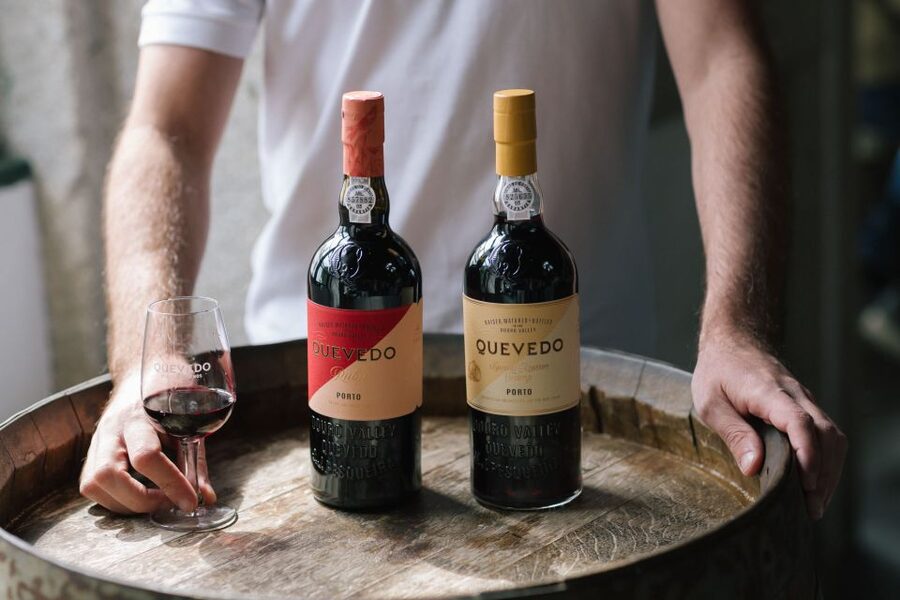
$30 for a one-hour tasting with 3 glasses and 3 cheese pairings is a straightforward value proposition. You’re not paying for a long meal. You’re paying for guided tasting structure, included pairings, and a small-group setting.
The pricing makes extra sense because the format is consistent: you know you’ll get those three specific styles (Crusted Port, 10-Year-Old Tawny, Colheita 2009 White Port). That removes a lot of the guesswork you face with some tastings.
The one trade-off is that additional wines and snacks aren’t included. If you expect to keep sampling after the scheduled trio, plan on spending more. If you’re happy with three well-paired pours and a solid explanation, this is a clean deal.
Who this tasting is best for (and who might want a different option)
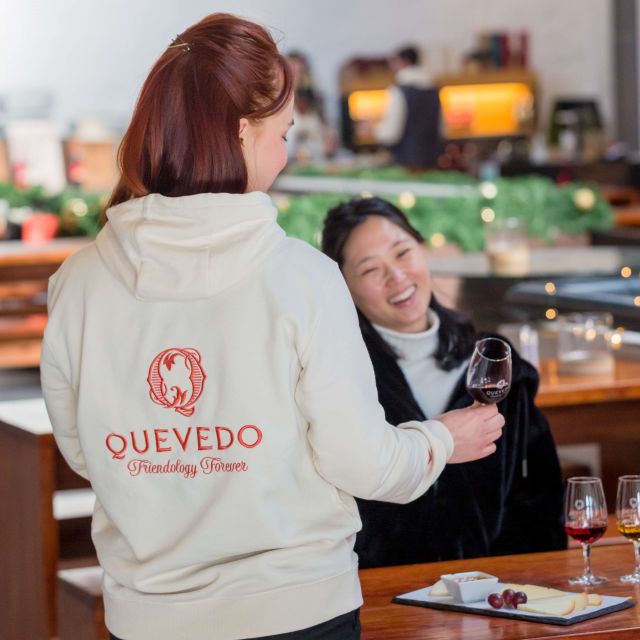
This fits well if you fall into any of these buckets:
- You’re in Porto or Vila Nova de Gaia for a short time and want a high-impact wine stop.
- You like structured tastings where you learn what to notice.
- You want Port introduced through a pairing approach, not just a bottle-by-bottle rundown.
It can be less ideal if you want a very long sit-down. This is an hour. Also, the experience can overlap with other group dynamics at the venue level; one person noted children from another group, so if you prefer a very adult-only vibe, you might want to choose your time carefully.
If you’re traveling as a couple or solo, the small group size makes it feel personal rather than rushed.
Should you book this Port wine and cheese pairing at Quevedo?
Yes, if your goal is a simple, well-paced Port tasting with included cheese pairings and a guide who can explain the styles in a way that sticks. It’s also a strong choice if you like the idea of pairing food with wine instead of just drinking.
Book it particularly when you want:
- three distinct Port profiles in one stop
- cheese pairings that help you understand what you like
- an hour that won’t swallow your whole evening
Skip it if you’re hunting for a full winery tour, lots of food, or an all-day drinking plan. This experience stays focused on the tasting itself.
FAQ
Where is the meeting point for the Port tasting?
You meet at Quevedo Port Wine. Go there and talk to a local staff member.
How long does the tasting last?
The experience lasts 1 hour.
How much wine is served in the tasting?
Each wine is poured at 40ml per glass.
What Port wines are included in the tasting?
You’ll taste three Port options: Crusted Port, 10-Year-Old Tawny Port, and Colheita 2009 White Port.
What cheeses are paired with each wine?
Crusted Port is paired with local-aged sheep cheese.
10-Year-Old Tawny Port is paired with a mixed cow, goat, and sheep-aged paprika cheese.
Colheita 2009 White Port is paired with a 7-month aged traditional Azores cheese and local jam.
Are extra wines and snacks included?
No. Additional wines and snacks are not included.
Is this a small group experience?
Yes. It’s limited to 8 participants.
What languages can the host guide use?
The host or greeter can speak Portuguese, English, Spanish, and Russian.
Is free cancellation available, and can I reserve without paying today?
Yes. Free cancellation is available up to 24 hours in advance for a full refund. You can also reserve now and pay later, keeping your travel plans flexible.