REVIEW · VOLENDAM
Volendam: 2-Hour Clogmaking Workshop and Cheese Tour
Book on GetYourGuide →Operated by Simonehoeve Cheese, clogs and restaurant · Bookable on GetYourGuide
A wooden clog in two hours sounds impossible, until you see how it’s done. This clog-and-cheese combo at Simonehoeve pairs hands-on woodcarving with a guided look at how Dutch Gouda becomes real cheese. It’s a focused, small-time visit that fits nicely between Amsterdam plans or a day in Volendam.
I love the way you start with a simple poplar wood block and end up with something you can actually take home. The clogmaking part is physical and memorable, and the cheese side keeps you from feeling like you’re just following a script.
One possible drawback: the hands-on feel can vary. Some people find the workshop rushed or the tools less than sharp, and not everyone gets the exact decorating level they expected for the clog itself.
In This Review
- Key points before you go
- Where Simonehoeve fits: clogs and cheese in North Holland
- The clog workshop: poplar wood, knife carving, and a take-home result
- What you actually take home
- Personalizing the details: engraving and paint on the beer opener
- The cheese factory tour: milk to Gouda, plus traditional tools
- Tastings in the shop: Gouda, Edam, stroopwafel, speculaas, and wine
- How to shop without regrets
- Value check: is $91 worth it for 2 hours?
- The human factor: guides, explanations, and when it feels rushed
- Practical tips so you leave with something you like
- Who should book this clog-and-cheese tour
- Should you book this tour?
- FAQ
- FAQ
- How long is the clogmaking and cheese tour?
- What is included in the price?
- What is not included?
- What does the clog workshop involve?
- Do you get to decorate anything?
- What cheese and snacks do you taste?
- Where is the meeting point?
- How do I get there from Amsterdam?
- What languages are offered for the tour guide?
- Is it suitable for kids?
Key points before you go
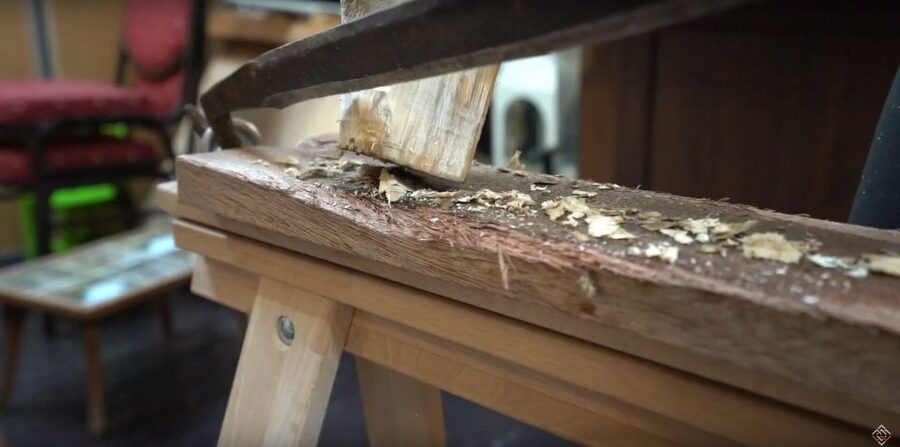
- You carve a wooden shoe per person, starting from a poplar wood block
- Clear clog steps: big knife for shaping the outside, sharp spoon for carving the inside
- You get take-home personalization tools like a beer opener you can engrave and paint
- Cheese tour explains milk to Gouda, plus traditional slicers and cheese types
- Tastings are the point: Gouda, Edam, stroopwafel, speculaas, and typically wine in the shop
- Language support is wide, but if you need French, make sure you’re confirmed for interpretation
Where Simonehoeve fits: clogs and cheese in North Holland
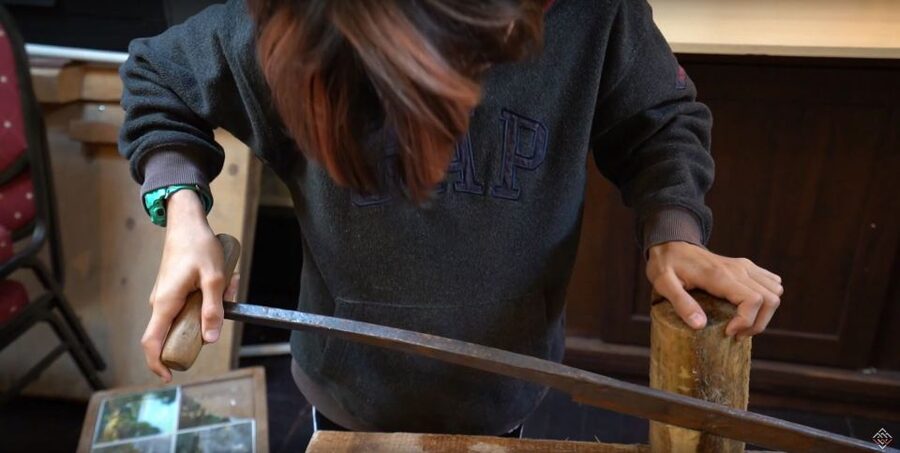
Simonehoeve is the kind of place you visit to learn by doing. You’re not only watching from behind glass—you’re carving wood and then switching gears to see the cheese-making process in a working factory setting. It’s also a smart pick if you want an experience that’s more “craft education” than “tour bus stops.”
At the meeting point, you’ll find Simonehoeve at Wagenweg 2 in Katwoude/Volendam (postcode 1145 PW). If you’re coming from Amsterdam, you can take bus 316 from Amsterdam CS (IJzijde). Buy tickets at the station or directly from the bus driver (no cash accepted), and look for the stop called Hotel Volendam. The clog and cheese factory are just a couple of meters away, and you’ll recognize the site by a windmill.
The tour runs about 2 hours, so you’ll want to show up with enough energy to carve. Also, the activity guide suggests arriving in the 9:00 AM to 3:00 PM window, which gives you the best shot at smooth timing.
You can also read our reviews of more tours and experiences in Volendam.
The clog workshop: poplar wood, knife carving, and a take-home result
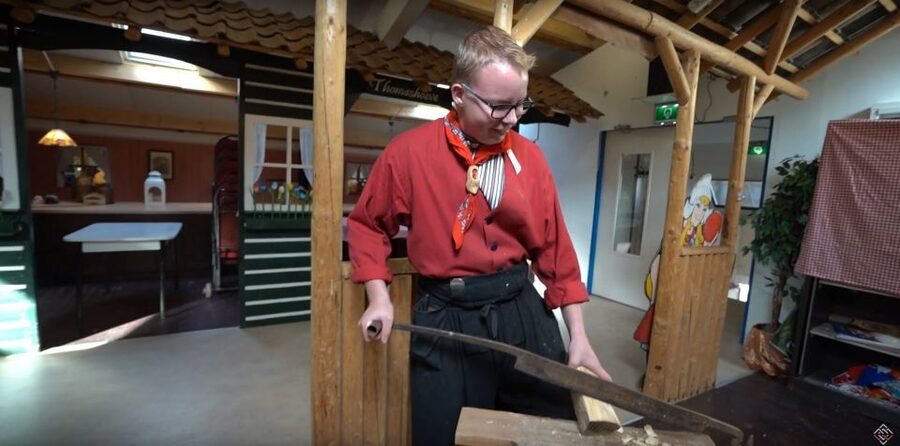
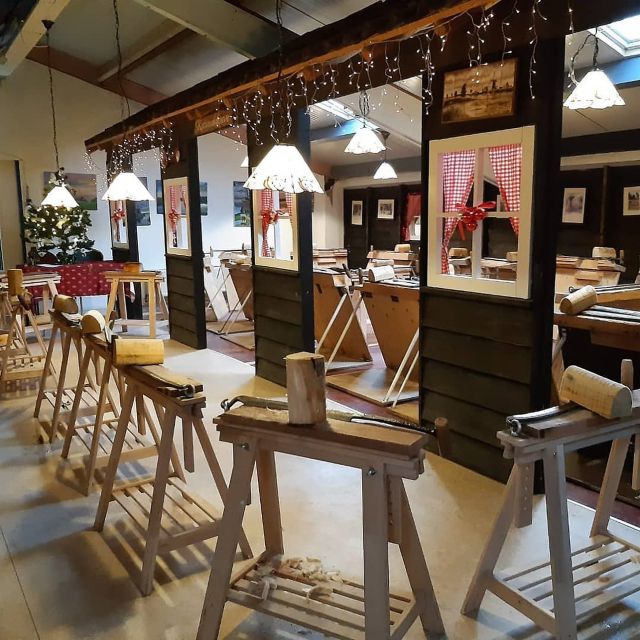
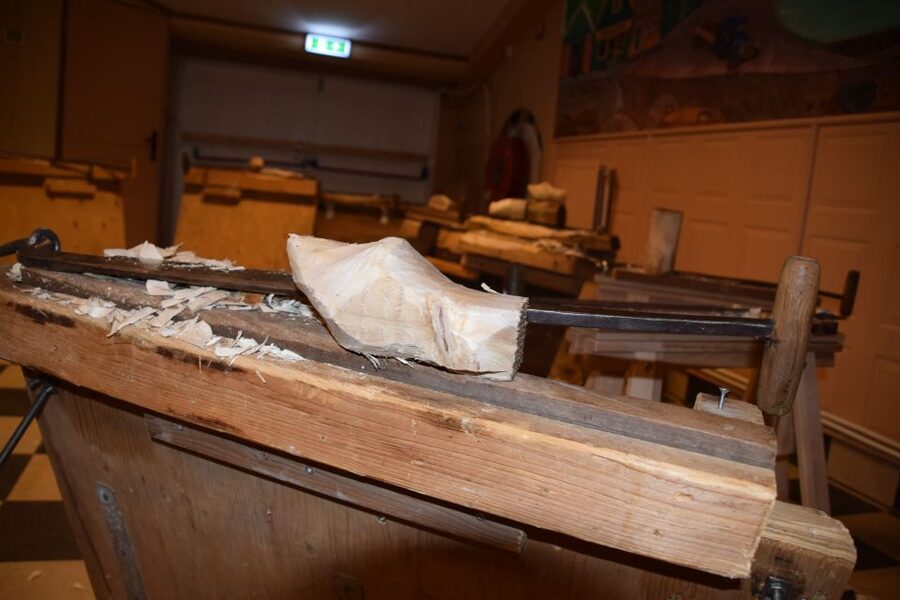
This is the part you came for: learning Dutch clogmaking at a clog farm. You begin with a block of poplar tree wood, and the workshop walks you through the process. The most hands-on part is shaping the clog using traditional tools:
- A big knife is used to shape the outside
- A sharp spoon is used to carve the inside hollow
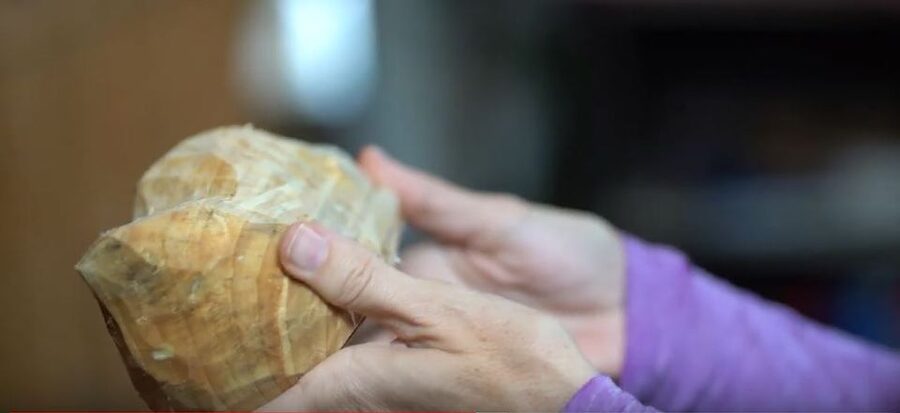
That inside carving is where things get real. It’s not just “make a shape,” it’s controlled removal—enough to get the hollow right, but not so much that you lose the structure. If you’re the type who likes step-by-step craft and doesn’t mind a little mess, you’ll probably have a good time.
What you actually take home
You should expect to leave with your own handmade clog. The tour also includes the idea of a decorated clog to bring home, but here’s the honest planning tip: the clog itself is wood-carved and finished in a way that depends on how it goes for your carving session. Some people love that raw, handmade look; others hoped for more painting on the clog body. If you’re dreaming of a fully painted clog masterpiece, I’d treat that as a maybe and focus on the carving plus the opener personalization, which is clearly part of the workshop.
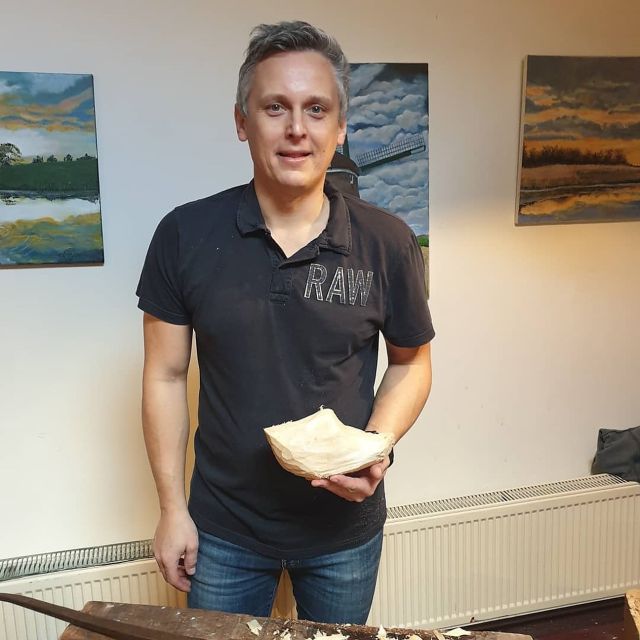
Also, the workshop is set up so that during the session you make a wooden shoe per person. That’s a big difference from tours where you only watch a demo and then do a tiny craft at the end.
Personalizing the details: engraving and paint on the beer opener
If you want something you can customize in a visible way, pay attention to the opener tools. You’re given a beer opener that you can decorate with engraving tools and colorful paint. There’s also a plain bottle opener you can optionally paint during the workshop.
This matters because it’s usually the easiest personalization to see in the final product. Even if your clog carving turns out more rustic than gallery-ready, you can still take home something that feels clearly yours.
The cheese factory tour: milk to Gouda, plus traditional tools
After the wood work, you switch to cheese. The guided cheese factory tour focuses on how milk becomes Dutch Gouda, with a look at different cheese varieties and traditional slicers.
This part is great if you enjoy food facts that aren’t just marketing. You get to connect the dots between the ingredients and the final result. And because the tour is guided, you’re not stuck trying to interpret equipment you don’t recognize.
The rhythm also helps. Carving can run a bit fast and physical—then the factory portion slows down into explanation and tasting. That shift is a big reason this tour can work well even for people who aren’t “serious cheese nerds.”
Tastings in the shop: Gouda, Edam, stroopwafel, speculaas, and wine
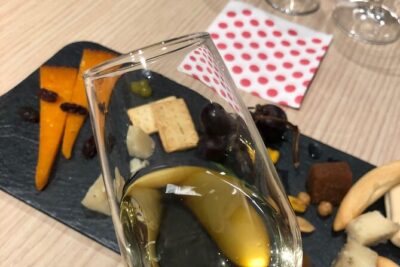
The shop is where the visit turns delicious. You’ll taste Dutch cheeses like Gouda and Edam, along with Dutch biscuits such as stroopwafel and speculaas. Wine and other items are also part of the tasting experience in the shop area.
This is your chance to sample before you buy. If you’re planning to bring food home, the tastings help you decide what you’ll actually enjoy eating later, not just what looks nice in packaging.
How to shop without regrets
Here’s what I recommend in practice: taste, then pick one or two items to take home rather than trying to buy the whole store on impulse. Some people find souvenirs can be expensive, so it pays to focus on edibles you’ll eat and keep your “nice-to-have” souvenirs to a minimum.
Value check: is $91 worth it for 2 hours?
At $91 per person for a 2-hour experience, value depends on what you want most.
You get:
- A handmade clog to take home
- A decorated clog as part of the included experience
- A beer opener you can engrave and paint
- Cheesemaking tour guidance and tastings of Dutch favorites like Gouda, Edam, stroopwafel, and speculaas
- Access to the shop for additional purchases (but not unlimited food and drinks)
What’s not included:
- Transportation
- Additional food and drinks beyond the tastings
If you’ve ever paid for a “hands-on” craft class and then felt like you barely did anything, this is where you should look at the design of the day: you carve your own shoe, not just watch a process. That’s the core value driver. The cheese portion adds food education and makes it more than a one-note workshop.
Where value can fall short is if you expected a longer paint-and-decorate session on the clog itself. Some sessions may feel more tool-and-carving heavy. So if your top goal is clog artistry with lots of decorative time, double-check what personalization is actually provided for the clog during the session you book.
The human factor: guides, explanations, and when it feels rushed
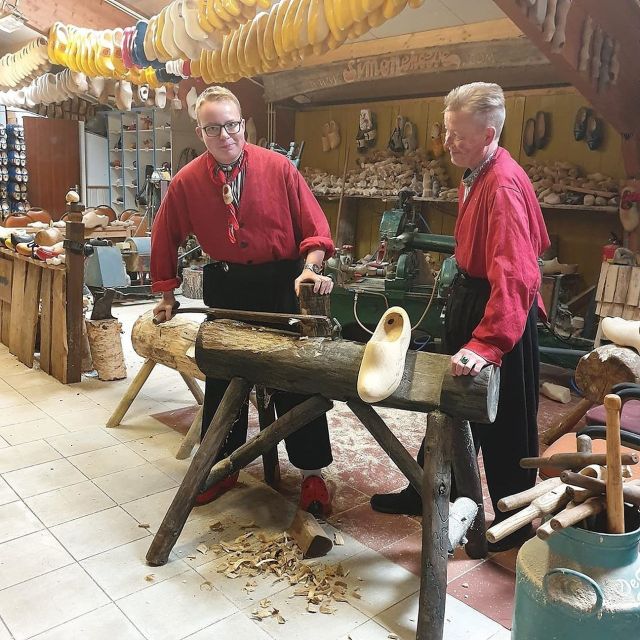
The best versions of this tour are the ones where the guide turns the workshop into a calm craft lesson.
From the experiences shared by past visitors, I’d say the strongest clue here is that Ahmed (Ahry) has been praised for precise explanations, and Fred has been recognized for really helping make the visit enjoyable. When that kind of guidance clicks, you feel supported while you work through the knife-and-spoon steps.
On the other hand, it’s also possible for timing to feel tight. Some visitors have described the reception as rushed or the tour as shorter than expected, with less demonstration than they wanted. Others reported that workshop equipment didn’t feel ideal, which can make carving harder than it should be. If you’re sensitive to fast pacing or fragile tools, come with patience and a mindset of learn as you go, not produce a perfect clog.
Also note language expectations: if you’re booking for French, there’s at least one case where interpretation wasn’t available. When it’s important, confirm your language choice before you go.
Practical tips so you leave with something you like
A couple of practical steps can make a big difference:
- Arrive in the recommended window (ideally between 9:00 AM and 3:00 PM). This helps you avoid feeling rushed before carving even starts.
- Wear clothes you don’t mind getting a little craft-dust on. Wood work can get messy.
- If you want a smoother carving session, listen carefully during the tool explanation. The outside shaping and inside hollowing are different moves, and rushing that learning moment can lead to frustration.
- Plan your expectations: the “wow” is in leaving with a handmade wooden clog and a personalized opener, plus the cheese education and tastings.
Who should book this clog-and-cheese tour
You’ll likely love it if you:
- Want a real hands-on craft in a short time
- Like food experiences that are educational and taste-driven
- Enjoy seeing how traditional Dutch products connect—woodcraft and cheese culture in one visit
You might want to think twice if you:
- Want lots of painting directly on the clog body as the main event
- Need a very slow, detailed workshop pace
- Are traveling with children under 16, since the tour isn’t suitable for them
Should you book this tour?
Yes, I’d book it if your ideal day includes both making something with your hands and tasting Dutch cheese in a guided way. The included take-home clog and the opener personalization are strong reasons to go, and the cheese tour adds real context instead of being an afterthought.
If you’re chasing a very polished, highly decorated clog or you’re worried about rushing and tool quality, it’s smart to go in with flexible expectations. Focus on the parts that are clearly built into the experience: carving your own clog, customizing the opener, and enjoying the Gouda/Edam tastings.
FAQ
FAQ
How long is the clogmaking and cheese tour?
It lasts about 2 hours.
What is included in the price?
You get your own handmade clog to bring home, plus a decorated clog to bring home. The tour also includes the guided cheese factory portion and tastings of Dutch cheeses and biscuits, along with wine.
What is not included?
Transportation and additional food and drinks are not included.
What does the clog workshop involve?
You start with a poplar wood block and shape the outside with a big knife and carve the inside with a sharp spoon. You make one wooden shoe per person.
Do you get to decorate anything?
You can decorate a beer opener using engraving tools and colorful paint during the workshop. There’s also a plain bottle opener you can optionally paint.
What cheese and snacks do you taste?
You taste Dutch Gouda and Edam cheese, plus stroopwafel and speculaas biscuits. Wine is also part of the tasting experience in the shop area.
Where is the meeting point?
Simonehoeve, Wagenweg 2, 1145 PW Katwoude/Volendam.
How do I get there from Amsterdam?
Take bus 316 from Amsterdam CS (IJzijde). You can buy tickets at the station or from the bus driver (no cash accepted). Get off at the Hotel Volendam stop; the factory is a couple of meters away and marked by a windmill.
What languages are offered for the tour guide?
Dutch, English, French, German, Italian, and Spanish.
Is it suitable for kids?
No, it isn’t suitable for children under 16.