REVIEW · STRASBOURG
Wine and Cheese Tasting
Book on Viator →Operated by Comptoir des Vignerons Alsaciens · Bookable on Viator
Alsace has a way of making food education fun. In Strasbourg, this compact 1 to 1.5 hour tasting gives you five wine and cheese pairings with expert guidance and plenty of real talk. I love how the host doesn’t just pour and nod; you get practical “how to taste” guidance that leads to smarter pairings, not guesswork. I also like the warm, authentic setting where it feels natural to compare aromatic profiles with the group. One possible drawback: if you book the English experience, be ready for a thick French accent at times, and some sessions can tilt more French than you expect.
The whole thing runs from 10 Pl. Gutenberg and returns you to the start, so it’s easy to fold into a day of Strasbourg walking. The group is capped at 20, which helps keep questions alive, and it’s also alcohol-smart: you must be 18+ for wine, while younger visitors get grape juice.
In This Review
- Key highlights worth circling
- Strasbourg’s Wine-and-Cheese Lesson Starts at 10 Pl. Gutenberg
- Your 5 Pairings Are the Real Curriculum, Not Just Free Samples
- The Host Controls the Order for a Reason
- Alsace Wine and Independent Producers: Why the Story Matters
- What Happens While You Taste: Conversation, Aroma Checks, and Practical Tips
- Bread, Bites, and Staying in Control of Your Palate
- Language Reality: French and English Options, Plus Accent and Balance
- Time and Group Size: How to Avoid a Rushed Feeling
- Price and Value: Is $42.05 a Smart Spend?
- Who This Works Best For (and Who Might Not Love It)
- Practical Tips Before You Go
- Should You Book This Wine and Cheese Tasting?
- FAQ
- How long is the wine and cheese tasting?
- Where does the tour start and end?
- How many cheese and wine pairings are included?
- What languages are offered?
- What’s the maximum group size?
- Is free cancellation available?
Key highlights worth circling
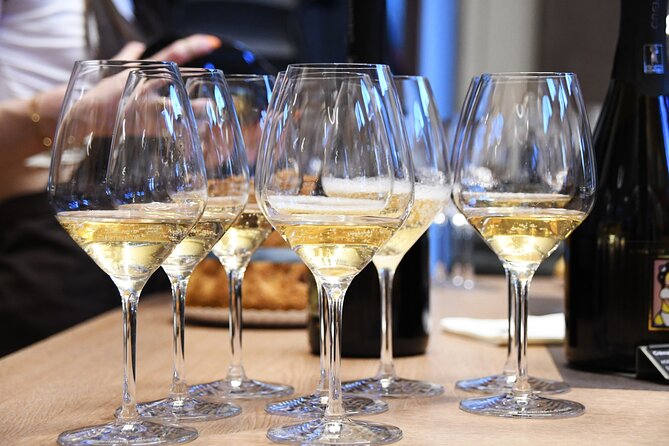
- Five pairings in one focused session that teach you pairing logic, not just flavors.
- Alsace wine merchants and winemakers experts guiding the tasting order and your palate.
- Golden rules for building a shaping tray so you can recreate the experience at home.
- Aromas and profiles get discussed in a relaxed, conversational way.
- Small group cap (max 20), though at the upper end the pace can feel tighter.
- Mobile ticket and easy meeting point at 10 Pl. Gutenberg, near public transport.
Strasbourg’s Wine-and-Cheese Lesson Starts at 10 Pl. Gutenberg
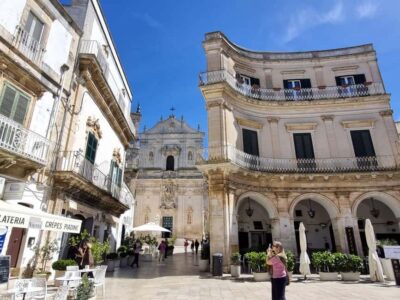
This tasting is set in the heart of Strasbourg, at 10 Pl. Gutenberg (67000). That matters more than you might think. When an activity has you waiting on far-off trams, you lose time and energy. Here, you can arrive, get settled, and stay in “food learning mode” without turning your day into a logistics puzzle.
I like that the experience is built as a single loop: it starts there and ends back there. You’re not bouncing between stops with a travel queue. It’s a hands-on session where you stay put and focus on the task: tasting, comparing, and learning why the pairings work.
Your 5 Pairings Are the Real Curriculum, Not Just Free Samples
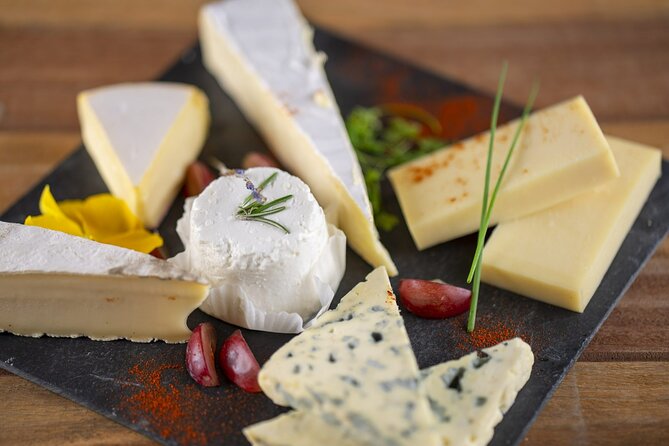
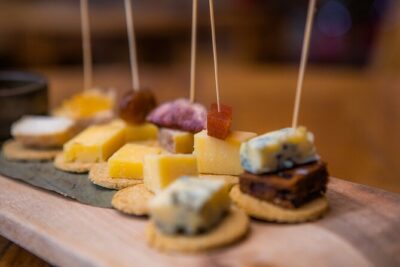
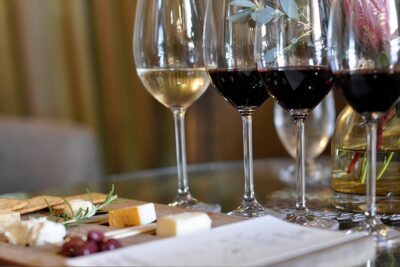
The core of this experience is five cheese and wine pairings, guided by Alsace experts. That number is a sweet spot. Too few pairings and you don’t see patterns. Too many and it becomes a blur. Five gives your brain time to connect what you taste with what you’re learning.
What you’ll get is an initiation into wine-and-cheese pairing basics, plus practice spotting unexpected but refined combinations. That’s the part I’d aim for if you’re the type who wants to order better at restaurants or build a smarter picnic spread. You start learning the simple idea that cheese isn’t just salty or creamy—it has aroma and texture that either match or clash with wine.
Practical takeaway: by the end, you’re not only thinking about which wine you liked. You’re also thinking about why it worked with the cheese in front of you. That shift is what turns a tasting from entertainment into a tool you can use later.
The Host Controls the Order for a Reason
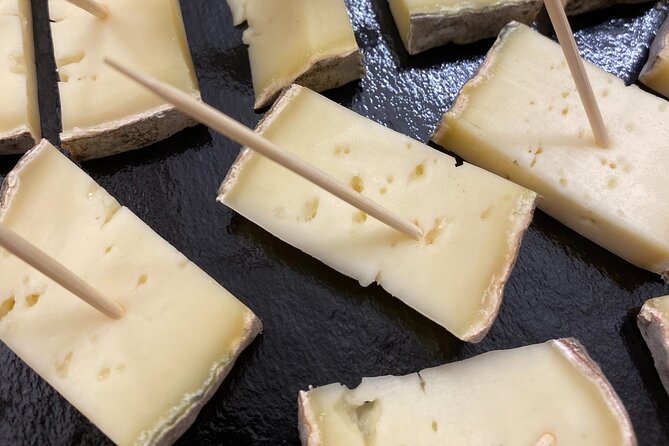
You’re guided through the tasting in a specific order, with the wine merchant there to steer you. This is one of those “boring-sounding” details that actually makes the whole session easier to understand. If everything hits at once, you’ll just remember which one tasted strongest. An order helps you feel progression.
You’ll be taught a few golden rules for making a shaping tray worthy of the largest tables—meaning: how to plan a spread that doesn’t accidentally turn into chaos. Even without memorizing rules like a recipe, you’ll come away with a sensible method for mixing mild and bold flavors, and pairing cheese styles with wine types.
If you like structure, this will feel reassuring. If you hate structure, you may still appreciate it, because the host keeps the pacing and the conversation on track while you taste. The learning happens in the way the session is paced, not only in the facts spoken out loud.
Alsace Wine and Independent Producers: Why the Story Matters
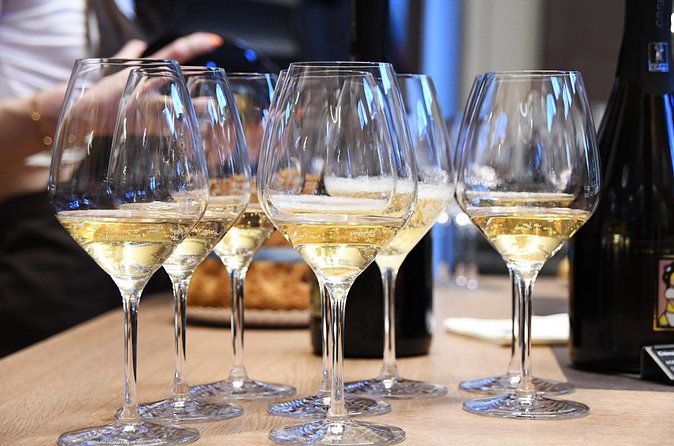
The setting is Alsace-focused, and the wine is described as coming from independent, family wineries. That’s valuable because it’s not just about big-name labels; it’s about seeing how a region’s style shows up across different producers and generations.
Alsace has its own flavor logic—think about how the wines can carry aromatics that react with cheese richness and fat. When you’re tasting multiple pairings in a row, you start noticing patterns like:
- how acidity can lift creamy textures
- how aromatic notes can either harmonize or clash
- how stronger cheeses can change the way a wine tastes from bite to bite
The expert-led discussion about aromatic profiles is a big deal here. You don’t just taste. You talk about what you smell and why. That makes your palate training stick better than if you only had a list of pairings.
What Happens While You Taste: Conversation, Aroma Checks, and Practical Tips
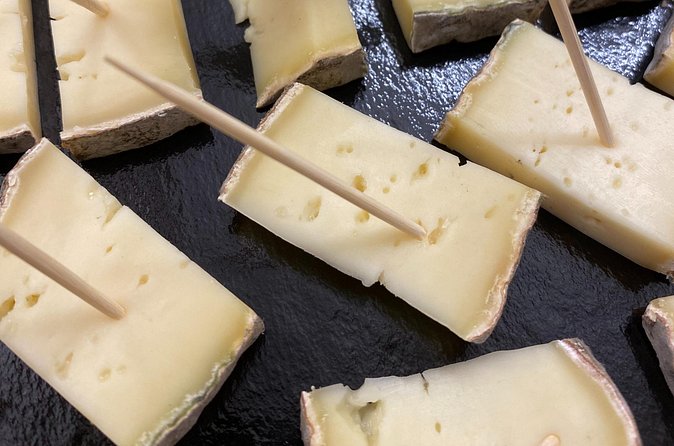
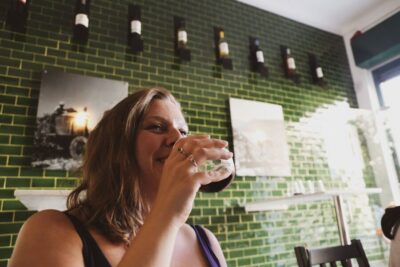
This experience is designed as sharing time. You’ll get guidance on what to notice, then time to compare impressions with the group. That friendly back-and-forth is where the session becomes more memorable than a standard pour-and-go tasting.
The pacing and interaction style can also affect your experience. One review noted that the session felt a bit pulled away and hurried when the tasting room was full. You can’t control the group size beyond booking earlier and arriving on time, but you can control how you participate. I’d show up with curiosity, not with a rigid plan to analyze every detail. The best outcome usually comes from tasting first, thinking second.
And yes, conversation is part of it. One person specifically enjoyed talking with people from all over the world. That social angle isn’t fluff. When you hear someone describe an aroma you hadn’t noticed, it trains your own attention.
Bread, Bites, and Staying in Control of Your Palate
Cheese tasting almost always needs a palate reset, and this session includes bread served with the cheese pairings. Here’s the practical point: if you go in expecting bread to last forever, plan for real life. One comment mentioned running out of bread and not getting more quickly. That doesn’t mean you’ll definitely have that issue, but it does suggest two good habits:
- pace your bites so you don’t burn through your neutral taste-helper too fast
- pay attention early, so you can judge cheese and wine without feeling rushed by hunger
Also, since the focus is tasting pairings, keep your water handy and take your time between pours. If you try to multitask—standing up, checking your phone, skipping notes—you lose the comparisons that make five pairings educational.
Language Reality: French and English Options, Plus Accent and Balance
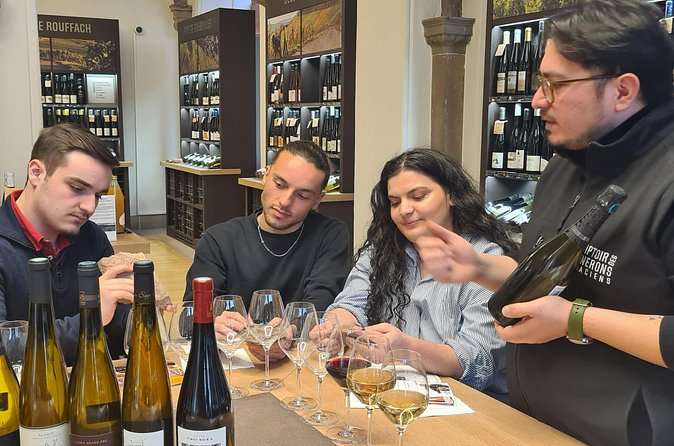
The experience offers French and English (and you’ll see this when you book). Still, language is the most sensitive variable in a tasting session, because nuance matters and the host has to guide your tasting process.
One person flagged that the session was not evenly delivered in English when most participants spoke French. They felt the French talk included more content than what English received. Another person said the host’s English was hard to catch due to a thick French accent, meaning you have to actually listen closely.
So here’s my practical advice: if you need English, choose the English time slot and commit to being attentive. Don’t assume it’ll be perfectly synchronized if the group is mostly French-speaking. If you’re comfortable with basic French or you’re flexible, you’ll likely have a smoother time. If you’re not, you might feel left out when the conversation flows more deeply in French.
Time and Group Size: How to Avoid a Rushed Feeling
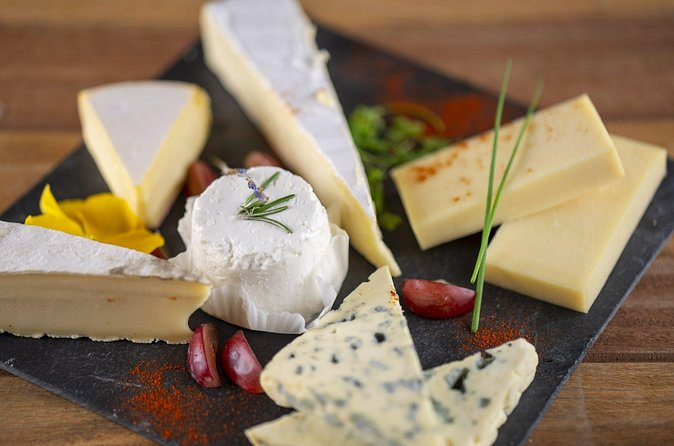
The duration is listed as 1 hour in the summary, while practical information says 1h30. In real terms, that means you should plan on about 1 to 1.5 hours total on the clock.
The group has a maximum of 20 people. That number is small enough for questions, but large enough that if everyone speaks at once, the pacing can tighten. If you prefer a slower, more conversational pace, I’d book an earlier slot when possible and show up a few minutes early. When people arrive late, the host compresses the schedule to keep you on track.
A tasting is not a lecture you can pause. It’s a sequence of experiences. You’ll get more value if you stay present for the whole run.
Price and Value: Is $42.05 a Smart Spend?
At $42.05 per person for about 1–1.5 hours, you’re paying for guided tasting plus expertise plus a curated set of pairings. That’s not the same as buying wine and cheese separately at a shop.
Here’s how I judge value for this kind of activity:
- You’re learning a system, not just consuming food.
- You get five structured pairings, which is harder to replicate well without planning.
- You’re paying for the expert steering, especially around tasting order and pairing logic.
If you love wine but don’t always know what to pair, this is exactly the kind of experience that turns into a future money-saver. You’ll order with more confidence and waste fewer bites on mismatches.
If you’re already a pairing pro and you want heavy technical detail, you might find it lighter than what you’d expect. But the general goal here is initiation and practical pairing confidence.
Who This Works Best For (and Who Might Not Love It)
I think this tasting shines for three types of people:
- You want a fun way to learn wine-and-cheese pairing basics fast.
- You like guided instruction but still want room to talk and compare.
- You’re heading to Strasbourg and want something that feels local, not generic.
It may be less satisfying if you’re very language-sensitive and need seamless English delivery. In that case, carefully pick the English time slot and come prepared to listen closely.
Practical Tips Before You Go
These small choices can make a big difference in a tasting session:
- Arrive on time at 10 Pl. Gutenberg so the host doesn’t have to rush the sequence.
- If you’re driving, double-check your plans since wine is involved for 18+.
- Go in hungry enough to enjoy cheese, but not so hungry that you’ll only focus on eating. The goal is tasting comparisons.
- If you want to recreate the experience later, pay attention to the host’s ideas about building a tray—those are the practical bits you’ll use at home.
Should You Book This Wine and Cheese Tasting?
I’d book it if you want a compact, structured lesson in Alsace pairing. The standout strength is the format: five pairings with expert guidance, plus real conversation about aroma and flavor logic. It’s the kind of activity that can upgrade how you buy cheese and wine afterward.
I’d think twice if you strongly require English delivery with zero French influence. The experience offers both languages, but the balance can depend on the group. If you’re flexible and listen carefully, you’ll likely get a lot out of it anyway.
If you like learning with your mouth and not just your notebook, this one is a solid bet.
FAQ
How long is the wine and cheese tasting?
The experience is listed as approximately 1 hour, and practical information also notes about 1h30 total.
Where does the tour start and end?
It starts at 10 Pl. Gutenberg, 67000 Strasbourg, France, and ends back at the same meeting point.
How many cheese and wine pairings are included?
You’ll enjoy 5 wine and cheese pairings during the session.
What languages are offered?
Languages are French and English. Alcohol serving is for 18+ only; those under 18 are served grape juice.
What’s the maximum group size?
The activity has a maximum of 20 travelers.
Is free cancellation available?
Yes. You can cancel up to 24 hours in advance for a full refund. If you cancel less than 24 hours before the experience starts, the amount paid is not refunded.