
REVIEW · ZADAR
Zadar Walking Tour sponsored by Gligora Cheese and deli.
Book on Viator →Operated by Elegance Tours · Bookable on Viator
If Zadar feels confusing, this fixes it fast. This 1 hour 40 minute walking tour strings together the city’s key squares, churches, and Roman leftovers in a way that helps your first visit click. I also like that it starts right at Narodni trg (People’s Square) and stays practical, with local guidance on where to eat and what to look for next.
You’ll get a friendly rhythm: stop, listen, look closer, then move on. Along the way, the route naturally includes the kind of places that are easy to walk past on your own—like pre-Romanesque remains under a café, medieval goldwork tied to Saint Simeon, and the five-well story behind this part of town.
One heads-up: the meeting spot is central, but a few past guests found it tricky to locate the guide at first. Also, you’ll be outdoors for the full stretch, so plan for sun and heat on warmer days.
In This Review
- Why This Zadar Walk Works for First-Timers and History Fans
- 10 Stops That Turn Narodni trg Into Your Zadar Map
- People’s Square (Narodni trg): Your starting timeline
- St. Lawrence church remnants: older than the square looks
- St. Simon’s Church: Simeon’s mummified presence
- Five Wells: why there are wells here at all
- Queen Jelena Madijevka Park: a military top turned into a garden
- Trznica Zadar: the market as an all-day living room
- Church of St. Chrysogonus (St. Krsevan): Romanesque power and hidden burials
- Cathedral of Saint Anastasia: rebuilt after WWII
- St. Donatus and the Roman Forum: the circular church that dominates
- What You’ll Actually Get Out of the Tour (Beyond the Checklist)
- Price, Duration, and Value: Does $18.14 Make Sense?
- Meeting Point Reality: Narodni trg Is Easy to Find… Until It Isn’t
- Choosing the Right Time Slot: Morning or Afternoon
- Who This Zadar Walk Suits Best
- Should You Book This Zadar Walking Tour?
- FAQ
- How long is the Zadar Walking Tour?
- Where does the tour start and end?
- What language is the tour offered in?
- How big is the group?
- Does the tour include admission tickets?
- Are there different departure times?
- Do I get a mobile ticket?
- Can I cancel and get a full refund?
Why This Zadar Walk Works for First-Timers and History Fans
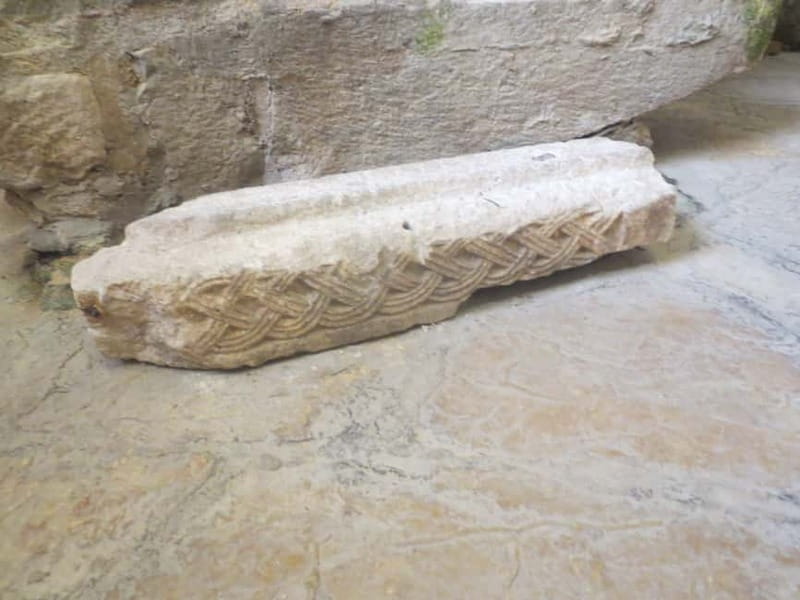
Five churches, one market, and a Roman forum vibe all in one compact loop. The big value is how the guide turns scattered landmarks into a timeline you can remember. Instead of memorizing dates, you start to notice patterns—Venetian fortifications, reused Roman stone, and medieval religious power.
Local pointers are the real bonus. Several guides (like Melina, Sara, Jasmina, and Lucinja) are praised for making the tour more than sightseeing. You come away knowing where to shop and eat in Zadar, plus how to handle the city’s best everyday places—especially around Trznica (the green market).
A short walking tour means less flexibility than a self-guided day, so if you want to linger in every church or shop slowly, you might feel slightly rushed. Still, the pace is built for getting your bearings fast.
10 Stops That Turn Narodni trg Into Your Zadar Map
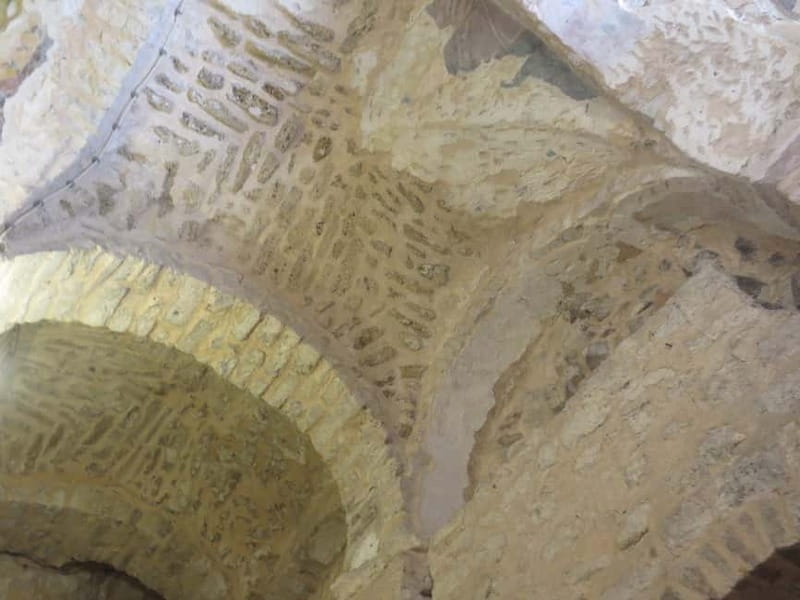
This tour runs about 1 hour 40 minutes and circles the old core of Zadar. All stops are listed as free admission, so you’re paying for the guide’s storytelling (and the practical local recommendations), not entry fees.
Here’s what you’ll see and why it matters.
You can also read our reviews of more tours and experiences in Zadar.
People’s Square (Narodni trg): Your starting timeline
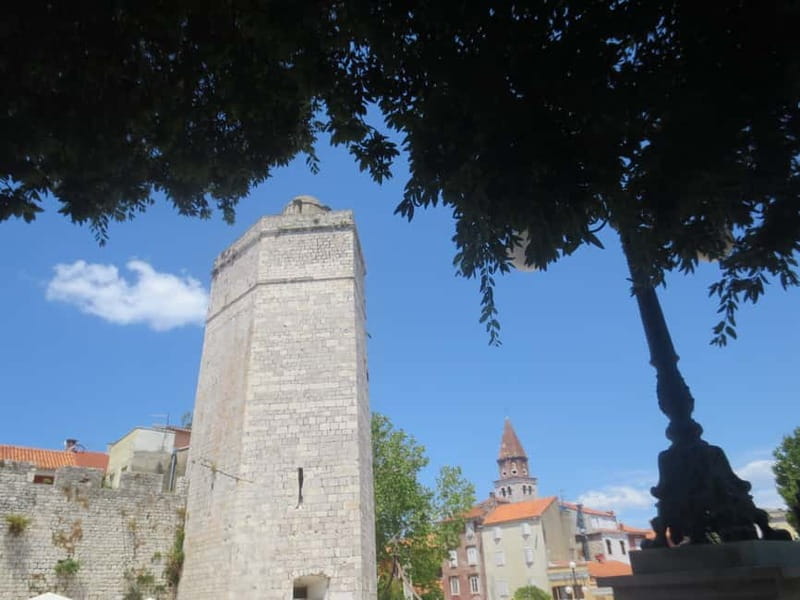
You begin at People’s Square, a place with roots in the Middle Ages. It once functioned as the Platea Magenta, the center of public life. You also get to see the City Guard building on the northern side—connected to Venetian architect Michele Sanmicheli, built in 1562.
This is a strong first stop because the square explains how Zadar organized daily life: civic power right where people gathered.
St. Lawrence church remnants: older than the square looks
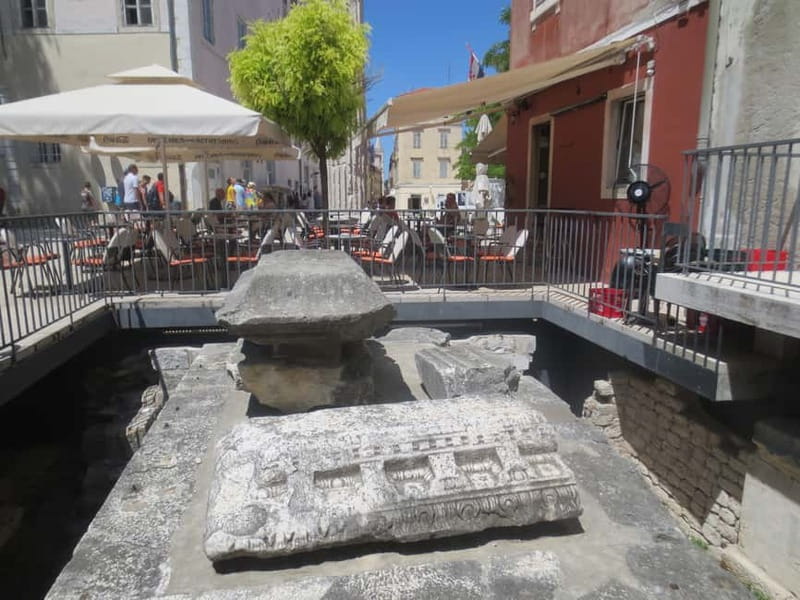
Next is the remains of a pre-Romanesque church (11th century). You reach it through the premises of Cafe Lovro on the square, which gives you a neat reality check: parts of the past are literally embedded into modern street life here.
If you like layers—old stone hiding inside current routines—this stop is for you.
St. Simon’s Church: Simeon’s mummified presence
Then comes one of the most memorable moments on the walk: St. Simon’s Church and the preserved body of Simeon the God-receiver (Šimun/Šime). It’s housed in a silver casket described as extremely valuable medieval goldsmith work in Croatia.
Even if you’re not big on religious relics, the stop is fascinating because it ties biblical text (Luke) to local identity. Zadar’s patron saint is Saint Simeon, so this becomes a civic symbol, not just a chapel detail.
Five Wells: why there are wells here at all
You move to Five Wells, named for the five wells lined up in a row. Underneath the story is a practical defense problem: a defensive ditch below medieval city walls, then a 16th-century Venetian solution.
In the 1500s, Venetians helped Zadar withstand Turkish sieges by building a large water cistern, topped with five ornamental wellheads. It’s history you can almost picture—fortifications and water engineering, not just architecture.
Queen Jelena Madijevka Park: a military top turned into a garden
From Five Wells, you head toward Perivoj kraljice Jelene Madijevke (Queen Jelena Madijevka park). It sits on top of the Grimani (Grimaldi) bastion—basically a former military structure repurposed into greenery.
The park was founded in 1829 by Austrian commander Baron Franz Ludwig von Welden, described as a passionate botanist and admirer of Dalmatian flora. It was the first public park in Dalmatia, which is a fun detail because it reframes “nature” as part of urban planning, not just a scenic bonus.
Trznica Zadar: the market as an all-day living room
Now you get to the most everyday-feeling stop: Trznica Zadar, Zadar’s main green market. It’s in the old part of town on the peninsula and includes a closed fish market as part of the broader market complex.
This isn’t only about souvenirs. The market is described as having a long uninterrupted history, with origins connected to the ancient Roman Forum. Even though the market’s current location is noted as since 1952, the idea is the same: this is where locals buy food and talk.
If your guide is the kind who’s praised for food stops (several guides are), you may also get a cheese tasting, including Pag cheese, because this tour is sponsored by Gligora Cheese and deli.
Church of St. Chrysogonus (St. Krsevan): Romanesque power and hidden burials
Next is the Church of St. Chrysogonus (Crkva sv. Krševana), consecrated in 1175. The church replaced another earlier church and is described as the only remaining part of a larger Benedictine abbey.
One of the most striking details here is the secret burial of Elizabeth of Bosnia in 1387. Her body remained for three years before being moved to the Székesfehérvár Basilica. There’s also a bell tower that began in 1485 but was abandoned in 1546, so you can sense unfinished ambition in the structure’s story.
This stop is great if you like tracing how a city’s power, faith, and politics physically shape buildings.
Cathedral of Saint Anastasia: rebuilt after WWII
Then you reach the Cathedral of Saint Anastasia, built in the 12th and 13th centuries. Expect a richly decorated facade and a three-nave interior, plus the remains of frescoes in side apses.
The cathedral suffered heavy damage during WWII and has since been reconstructed, which adds meaning to what you see now. The relics of St Anastasia are in a marble sarcophagus in the left apse, and the choir has lavishly carved stalls.
When the cathedral is closed, a glass vestibule lets you peer inside when available—handy because church access schedules can be unpredictable.
St. Donatus and the Roman Forum: the circular church that dominates
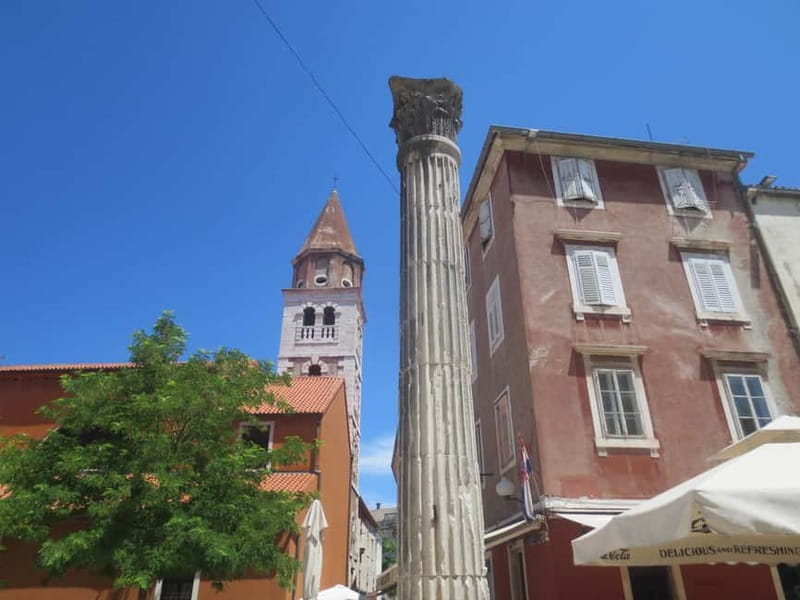
You end in the zone where Roman ruins seem to appear from the streets. The tour highlights the ancient Forum (1st century BC to 3rd century AD), which was both civic and religious center.
On one side sits Church of St. Donatus, a circular Byzantine-style church commissioned by the bishop at the beginning of the 9th century. It’s described as one of only a handful of early Croatian kingdom buildings to survive the Mongol invasion in the 13th century.
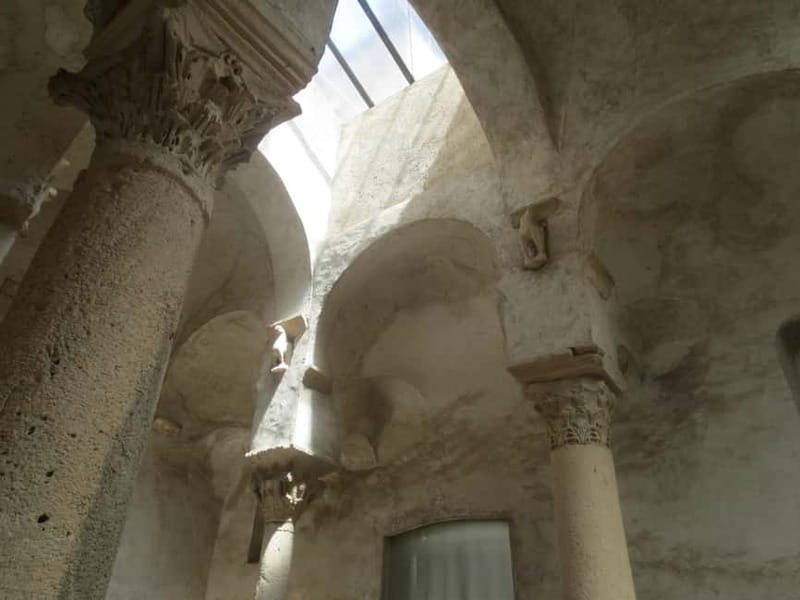
Inside, you’ll see two complete Roman columns reused from the Forum. Even the paving slabs revealed after the original floor was removed tie the church to the Roman layer beneath it.
Also, it’s worth knowing this church hasn’t been used for services for around 200 years and today often works as a concert hall or exhibition space. That makes it feel less like a museum box and more like something still alive in the city.
What You’ll Actually Get Out of the Tour (Beyond the Checklist)
Most “sightseeing walks” hand you a sequence of facts. This one is built to help you understand Zadar as a place that kept rebuilding on top of itself.
Here’s how that plays for you:
- You start with the city square and move outward logically. You’re not just jumping between monuments; the walk follows how Zadar’s center of life shifted through the Middle Ages and later under Venetian influence.
- You learn the why behind the architecture. Five Wells isn’t random decoration. It’s an answer to siege and survival.
- You get practical context for eating and shopping. The guide tips are repeatedly praised, and Trznica is where those tips make the most sense.
And because the tour is relatively short, it works as a smart “day one” move. You’ll know where things are and what to care about—then you can explore deeper on your own.
Price, Duration, and Value: Does $18.14 Make Sense?
At $18.14 per person for about 1 hour 40 minutes, this tour is priced like a budget-friendly orientation—especially for a route with many major stops.
What makes it good value is the mix of:
- multiple major landmarks,
- all stops listed as free admission,
- and the guide’s local recommendations (where to eat and shop).
It’s not a long, slow “take your time” tour. But it gives you a lot of structure fast, which is exactly what you need when you’re trying to understand Zadar without turning your day into a calendar of tickets and lines.
Also, the tour is capped at 30 travelers, which helps keep it from turning into a moving lecture hall.
Meeting Point Reality: Narodni trg Is Easy to Find… Until It Isn’t

The meeting point is Narodni trg (People’s Square), and the tour starts and ends back at the same location. For most people, that’s a big win: you can show up, orient fast, and get walking.
But one detail from past feedback sticks out: a small number of guests struggled to find the guide and said communication on how to locate the meeting point wasn’t clear enough. If you’re arriving from a cruise port, navigating in new streets, or traveling in the evening, I’d treat this like a mission: arrive a few minutes early and double-check you’re at the right exact square.
On the comfort side, at least one group noted it was warm even in September and that walking between buildings offered little breeze. So bring water, and dress for real sun, not postcard weather.
Choosing the Right Time Slot: Morning or Afternoon

You can choose from three morning or afternoon departures. This flexibility is useful because Zadar’s old town can feel very different depending on light and crowd levels.
If you want easier photo lighting and cooler temperatures, morning can help. If you’re doing the rest of your day first (beach, lunch, or a relaxed stroll), the afternoon departure keeps your itinerary flexible.
Who This Zadar Walk Suits Best
This tour fits best if you:
- are a first-time visitor and want to get your bearings quickly,
- like history but don’t want to spend your whole day reading plaques,
- want a guided path to Trznica (and possibly a Pag cheese tasting tied to the Gligora Cheese and deli sponsorship),
- enjoy a small-group pace (max 30 travelers).
It may be less ideal if you need silence and long stops, or if you already know Zadar’s timeline and prefer a purely self-guided walk where you can linger without moving on.
Should You Book This Zadar Walking Tour?
Yes—book it if you want a smart first pass through Zadar’s old town with a local guide, practical food-market tips, and a route that links squares, churches, and Roman remains into a story you can remember.
Skip it only if you’re hoping for a slow, sit-down museum style day or you tend to dislike guided pacing. Otherwise, this is one of those tours where the short duration is the point: you leave with a Zadar map in your head, plus a clear idea of what to do next.
FAQ
How long is the Zadar Walking Tour?
The tour lasts about 1 hour 40 minutes.
Where does the tour start and end?
It starts at Narodni trg (People’s Square) in Zadar and ends back at the meeting point.
What language is the tour offered in?
The tour is offered in English.
How big is the group?
The tour has a maximum of 30 travelers.
Does the tour include admission tickets?
The stops listed are free to visit (admission ticket is free at each stop).
Are there different departure times?
Yes. You can choose from three morning or afternoon departure options.
Do I get a mobile ticket?
Yes, the tour uses a mobile ticket.
Can I cancel and get a full refund?
Free cancellation is available if you cancel up to 24 hours in advance for a full refund. If you cancel less than 24 hours before the start time, the amount paid isn’t refunded.