REVIEW · PORTO
Douro River Cruise with Cheese & Tonic Porto in a Sailboat
Book on GetYourGuide →Operated by Sailing360_Douro · Bookable on GetYourGuide
Sip port, glide past Porto’s bridges. This Douro River sailboat cruise mixes scenic crossings with a Port Tonic tasting, plus cheese and snacks on board. What makes it especially fun is the live story you hear as you pass the city’s big bridge landmarks and learn how Porto’s look and Port wine culture developed over time.
I really like the small-group feel (limited to 10), because you can actually hear the guide and enjoy the views without feeling packed in. One watch-out: the route can include time toward the ocean depending on the weather, so the ride and what you see can vary a bit day to day.
In This Review
- Key highlights you’ll care about
- Why this Douro cruise feels like the best Porto shortcut
- Your 2-hour route: Porto, Gaia, and the big bridges in between
- São Pedro da Afurada: setting the scene at the waterfront
- Arrábida Bridge: the modern “how we cross now” moment
- Jardins do Palácio de Cristal: a river view of the hills
- Alfândega Porto: the waterfront’s institutional side
- Cais de Gaia: the Port wine geography starts making sense
- Dom Luís I Bridge: the iconic crossing that defines Porto’s skyline
- Ribeira, Porto: finishing with the historic waterfront feel
- One important note: the ocean segment depends on weather
- Port Tonic and cheese/snacks: a tasting that works on a moving boat
- What you’re actually getting
- How to enjoy it
- Bonus: your playlist can run the vibe
- The bridge explanations: what you’ll understand by the end
- Afternoon vs sunset: choose the mood, not just the time
- Small group comfort: why 10 people changes everything
- Price and value: is $59 a good deal?
- Who this tour is perfect for
- Quick decision guide: should you book this Douro sail?
- FAQ
- How long is the Douro River cruise?
- What’s included with the cruise?
- Do I have to drink alcohol to join?
- Where does the tour start?
- How big is the group?
- What languages is the live guide available in?
- Which bridges will we pass?
- Does the cruise go to the ocean?
- What are the departure times like?
- What’s the cancellation policy?
Key highlights you’ll care about
- Port Tonic tasting with cheeses and snacks, served right on the water
- Arrábida Bridge and Dom Luís I Bridge narration as you glide by
- Two departure moods: afternoon light or a sunset schedule over the water
- Max 10 participants for a more relaxed, comfortable cruise
- On-board music via Bluetooth, so you can set the vibe
Why this Douro cruise feels like the best Porto shortcut
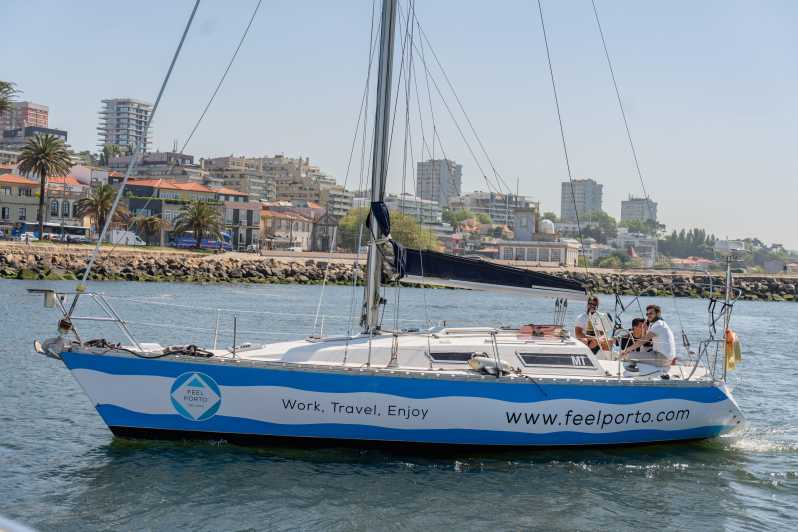
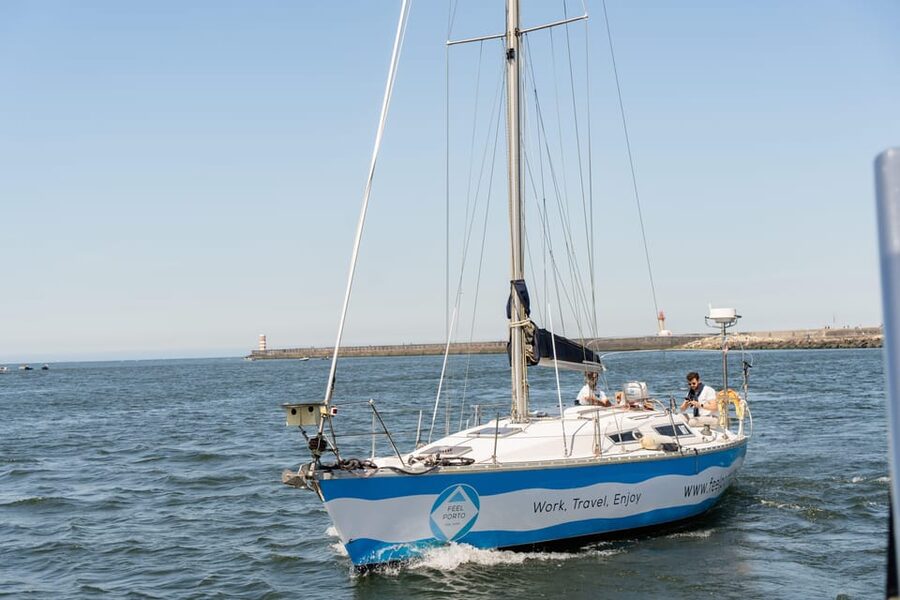
Porto can be a lot on foot—steep streets, long waterfront stretches, and crowds when the cruise boats show up. This is a smarter way to get your bearings fast: you see Porto and Vila Nova de Gaia from the river, in motion, while a guide points out what you’re looking at.
The tour’s “make it taste, then make it make sense” approach works well. You get a Port Tonic tasting while you’re already surrounded by the sights that connect to Port wine culture. Then the guide ties the city’s identity to the bridges you pass—how they changed traffic, how they shaped river life, and how Porto grew into the place you’re standing in now. It’s not just photo stops. It’s a moving lesson that stays fun.
And because it’s a sailboat-style outing (not a giant bus), you get a calmer feel on the water. In a short 2 hours, that matters. You’ll leave with the sense that you actually understand the geography, not just that you saw it.
You can also read our reviews of more tours and experiences in Porto.
Your 2-hour route: Porto, Gaia, and the big bridges in between
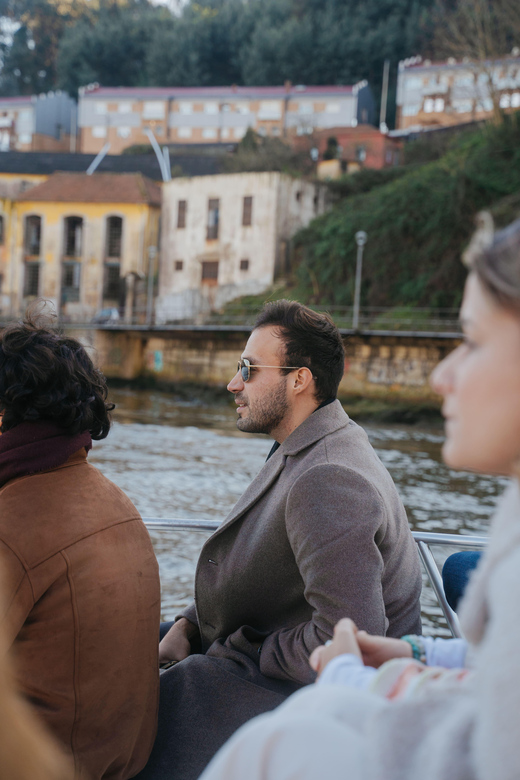
The cruise starts at R. da Praia 430, meeting at Shop 6. From there, you follow the river corridor that connects Porto’s waterfront energy to Gaia’s Port wine world.
Here’s the flow you can expect, stop by stop, and what each moment is good for:
São Pedro da Afurada: setting the scene at the waterfront
Early on, you’ll be out along the Porto-side riverfront near São Pedro da Afurada. This is the kind of area where you get the river’s working feel—less “postcard flat,” more real-city river life. It’s a useful start because it tells you what the river does for the city.
You’ll likely notice how the river view gives you a better sense of the city’s slope, the waterfront shape, and where later landmarks sit in relation to each other.
Arrábida Bridge: the modern “how we cross now” moment
You pass the Arrábida Bridge, a major crossing that helps you understand Porto’s evolution. The guide’s job here is important: they connect the bridge to how the city moved and expanded—so you don’t just register it as a big structure.
This is also a good stretch for photos, because you can see the bridge in frame while the river keeps everything changing behind it.
Jardins do Palácio de Cristal: a river view of the hills
Next you glide toward Jardins do Palácio de Cristal. Even if you’ve seen photos of the garden terraces, seeing them from the water gives you a more accurate layout. You’re seeing how the greenery climbs away from the river, not just how it looks from street level.
It also works as a “pause” visually. The cruise stays active, but this segment gives your eyes a softer landing after bridge angles.


Alfândega Porto: the waterfront’s institutional side
By Alfândega, Porto (the customs area by the waterfront), you see another side of the river—Porto as a trade city. This is where the “why the river mattered” story clicks.
Even if you only catch parts of the explanation, the setting helps: you’re watching the city’s economy read itself in buildings and river access.
Cais de Gaia: the Port wine geography starts making sense
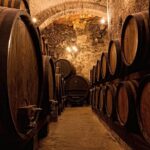
Then you reach Cais de Gaia in Vila Nova de Gaia, and the Port wine story becomes very tangible. Gaia is the side people associate with wine lodges, tastings, and aging cellars, and the river view helps you connect those reputations to real geography.
This section is ideal if you want your tasting to feel tied to place. When you later sip your drink, you’re not imagining the context. You’re watching it.
Dom Luís I Bridge: the iconic crossing that defines Porto’s skyline
No matter your travel style, the Dom Luís I Bridge is the moment you’ll remember. It’s the kind of landmark you don’t need a history degree for, but the guide’s explanation makes it stick.
You’ll understand why it’s iconic: it’s not just a bridge, it’s a visual signature that shows up everywhere once you know it. From the river, the scale feels different, and you get a sense of how the two riverbanks “talk” to each other.
Ribeira, Porto: finishing with the historic waterfront feel
Finally, you arrive back near Ribeira, Porto. This is where the cruise makes a lot of visitors feel like they cheated a little—in a good way. Ribeira’s atmosphere is hard to fully grasp while rushing through streets. From the water, it reads instantly: old waterfront shape, river steps, and a sense of how the town lives along the edge.
If you’re choosing between afternoon and sunset departures, Ribeira is also the area that looks best with softer light.
One important note: the ocean segment depends on weather
Depending on conditions, the route may extend toward the ocean. That’s thrilling when it’s on the schedule, but it also means your experience can shift. Plan around that: if you hate any chance of choppier water, pick a day when the forecast looks calm.
Port Tonic and cheese/snacks: a tasting that works on a moving boat
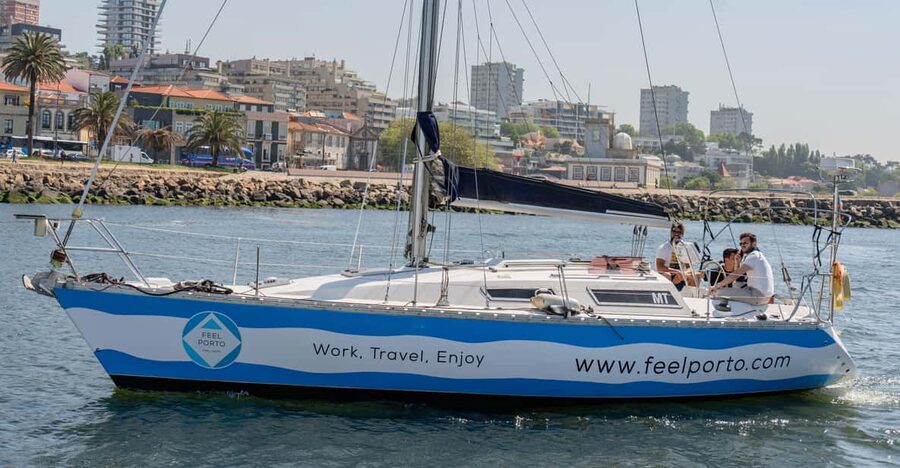
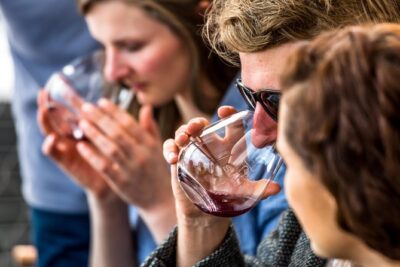
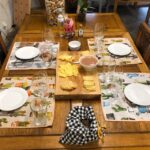
This is not a sit-down wine lecture. It’s a Port Tonic tasting with cheeses and snacks served while you’re sailing. That format keeps it social. You’re tasting while the scenery is moving, so it feels like part of the outing rather than a separate “activity.”
What you’re actually getting
Your included food-and-drink setup is:
- Port Tonic tasting
- Cheeses & snacks
Some departures may feel more cheese-forward or snack-forward depending on what’s on the tables that day, but the expectation is that you’ll have plenty to nibble alongside the drink.
How to enjoy it
Treat the tasting as a reset between scenery sections. You sip, then you look around again and catch the details the guide is pointing out—bridges, riverbank buildings, and how Porto and Gaia face each other.
It also helps that the onboard team provides explanations during the tour, so you’re not stuck just consuming. You’re learning what to notice next.
Bonus: your playlist can run the vibe
One of the best practical upgrades is the ability to play your own music through the onboard Bluetooth system. If you like setting a chill soundtrack for views, this makes the cruise feel less like a packaged performance and more like your evening.
If you’re traveling as a couple or small group, that kind of control is genuinely valuable.
The bridge explanations: what you’ll understand by the end
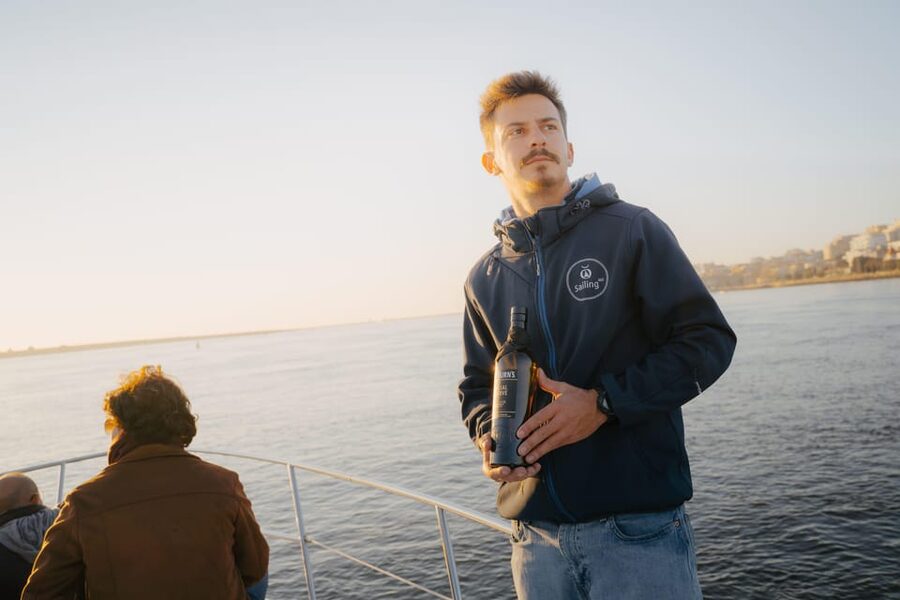
The onboard team talks you through the history of the iconic bridges you pass, and the Port wine story doesn’t get skipped. That combination is the right pairing for Porto.
Here’s what this narration adds, beyond sounding nice in theory:
- You’ll be able to identify what you’re seeing, instead of just guessing.
- You’ll understand why those crossings matter for daily life and growth.
- You’ll connect the drink you’re tasting to the city that produced it.
And if you get a guide like Marlon, you’ll be in good shape. He’s been praised for strong communication—confidence, dedication, and a friendly tone that keeps the experience engaging. You can expect a similar level of care from the crew, since service quality is clearly part of the standard.
Afternoon vs sunset: choose the mood, not just the time
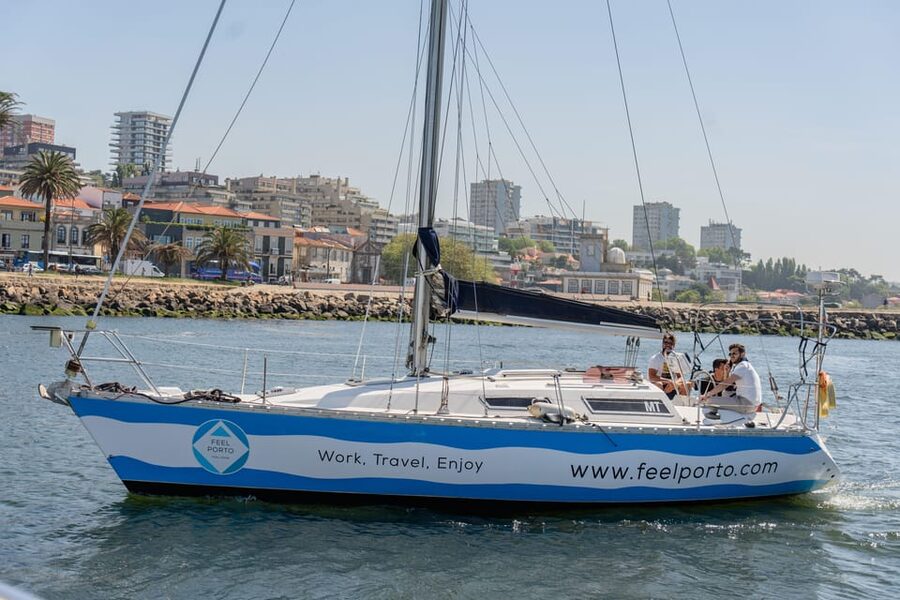
This cruise offers two timetables, and the difference is not minor. Afternoon gives you brighter light and a more relaxed feel. Sunset is the romantic option, with softer colors reflecting off the water and a more cinematic riverbank atmosphere.
In plain terms:
- If you want clear views and an easy pace, go afternoon.
- If you want the visual payoff, especially for Porto’s riverfront, go sunset.
Also remember the ocean component is weather-dependent. Sunset days can be stunning, but on rougher conditions the “ocean” part might not happen the same way.
Small group comfort: why 10 people changes everything
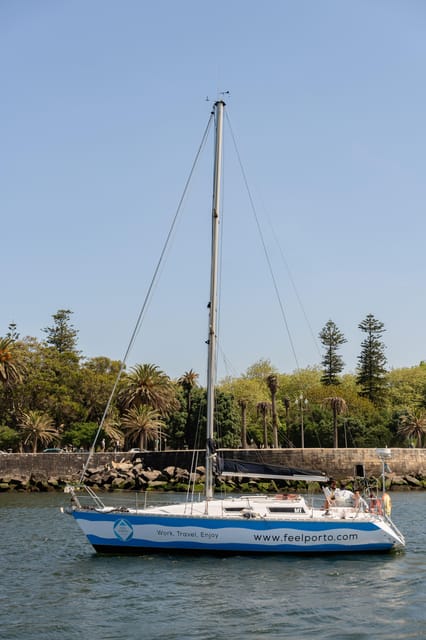
The limit is 10 participants, which is a big deal for a 2-hour cruise. It affects everything:
- You can hear the guide.
- The crew can manage the tasting without rushing.
- The boat doesn’t feel crowded.
- The experience stays conversational rather than chaotic.
Comfort matters on the water. A well-run small cruise makes you feel like you’re taken care of, not just processed. Based on what’s been noted about the crew and captain, the focus is on attentive service and clear explanations, and that shows in how smoothly the cruise runs.
Price and value: is $59 a good deal?
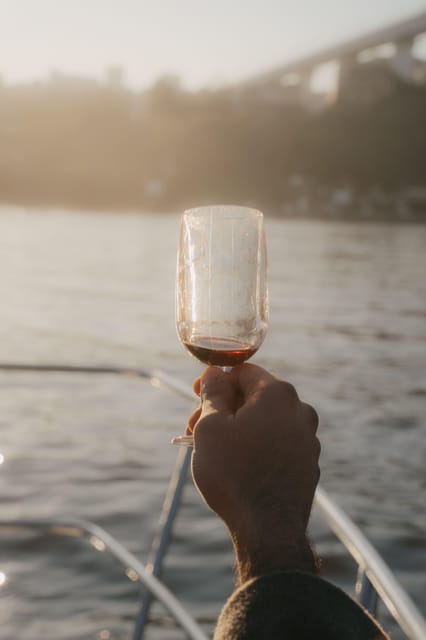
At $59 per person for a 2-hour guided boat trip, the real value comes from the bundle.
You’re not only paying for time on the river. You’re paying for:
- the boat cruise
- Port Tonic tasting
- cheeses & snacks
- crew and fuel
- and live commentary through multiple iconic landmarks
So you’re getting both sightseeing and a food/drink component. If you were to do those separately in Porto—especially a guided activity plus a curated tasting—you’d likely spend more and spend time bouncing between places. Here, it’s all in one loop of river scenery.
One smart way to judge the price for yourself: if Port wine and Porto’s bridge skyline are your priorities, this is a clean fit. If you’re only after views and don’t care about the tasting, you might feel it’s more than you need. But most people find the drink-and-narration combo justifies the cost.
Who this tour is perfect for
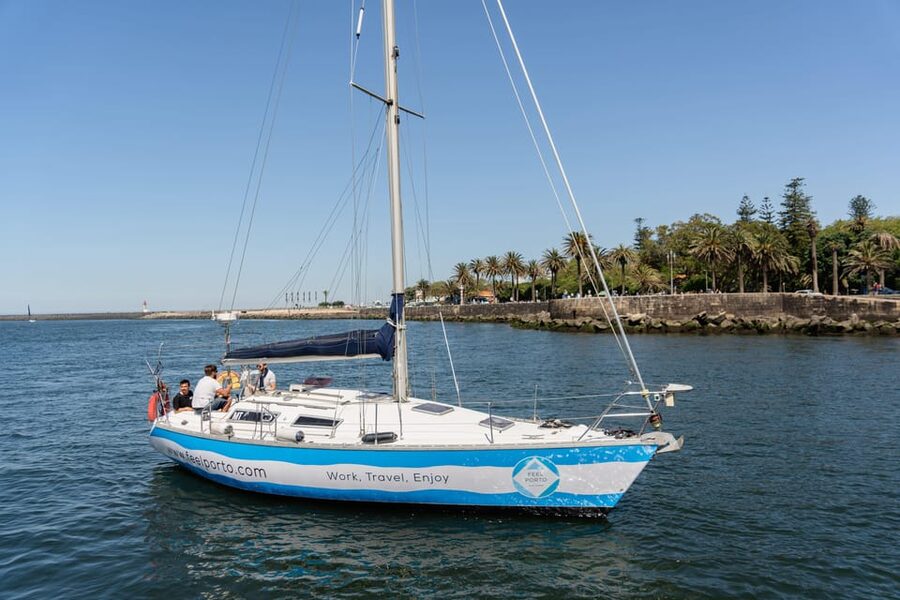
This cruise is a strong match if you want:
- a short, scenic introduction to Porto and Gaia
- history explained through real landmarks, not posters
- a food-and-drink moment on a moving boat
- a calmer group setting (max 10)
It’s also a good choice for people who don’t want to commit to a full-day excursion. In 2 hours, you get multiple bridge-and-river perspectives, and the tasting keeps the time from feeling like “just transport.”
If you’re the kind of traveler who likes learning while you see, this fits your style.
Quick decision guide: should you book this Douro sail?
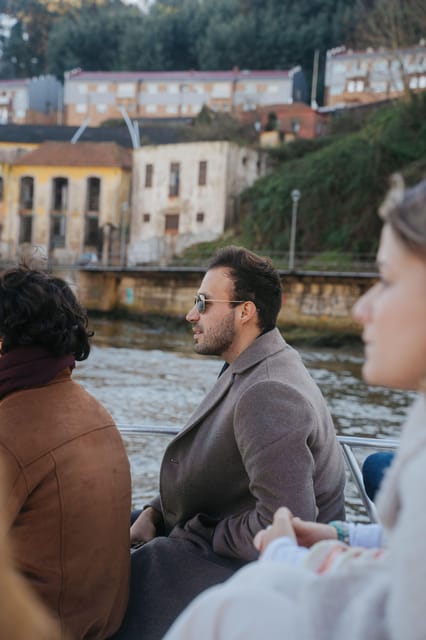
Book it if:
- you want Porto and Gaia from the water
- you like the idea of Port Tonic + cheeses/snacks
- you’re choosing between time slots and think sunset could be your best light
- you want a small group experience
Consider a different option if:
- your schedule only allows a time that clashes with your priorities, because the whole feel changes between afternoon and sunset
- you’re very sensitive to any chance of the route going toward the ocean, since that part depends on weather
The bottom line: this is a well-shaped experience for first-timers and return visitors alike. It doesn’t try to do everything. It does Porto’s river story, with tasting and bridge context, in a way that feels efficient and fun.
FAQ
How long is the Douro River cruise?
The tour lasts 2 hours.
What’s included with the cruise?
It includes the Douro River boat trip, a Port Tonic tasting, cheeses and snacks, the crew, and fuel.
Do I have to drink alcohol to join?
The tour includes a Port Tonic tasting, but the provided details don’t mention alternatives. You might want to ask the crew in advance if you have specific dietary or drinking needs.
Where does the tour start?
The meeting point is Shop 6 at R. da Praia 430.
How big is the group?
It’s a small group limited to 10 participants.
What languages is the live guide available in?
The live tour guide is available in English, Portuguese, and Spanish.
Which bridges will we pass?
You’ll pass the Arrábida Bridge and the Dom Luís I Bridge.
Does the cruise go to the ocean?
It may go out toward the ocean depending on the weather.
What are the departure times like?
There are two timetables: an afternoon schedule and a sunset schedule.
What’s the cancellation policy?
Free cancellation is available up to 24 hours in advance for a full refund.