REVIEW · ATHENS
Orange & Natural Wines Of Greece with Cheese & Olive Oils
Book on GetYourGuide →Operated by CRU BEE-HAVING Wine & Olive OIl Tastings · Bookable on GetYourGuide
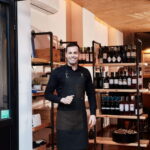
Orange and Natural Wines Of Greece with Cheese & Olive Oils is one of those simple ideas that hits hard: small snacks, six glasses, and real-bottle stories. In Central Greece, you’ll sample orange and natural wines alongside cheese and snack-size bites, explained in English by Anton at CRU BEE-HAVING Wine & Olive Oil Tastings.
I really like how the tasting moves fast but stays thoughtful, so you get to taste enough styles to learn what each one is doing. You’ll also spend real time on extra virgin olive oil, not as an afterthought, but as a flavor partner that changes how the wine feels. One possible drawback: this experience is not suitable for anyone under 18, and it’s not for people over 95.
In This Review
- Key highlights you should know before you go
- Why this tasting centers on orange and natural wine (not just wine)
- What the 60 minutes feels like from your chair
- The pairing logic: cheese, herbs, spices, condiments, and nibbles
- Extra virgin olive oil: why it’s part of the wine lesson
- Greek wine science meets ancient practice (amphorae and indigenous grapes)
- Limited bottling wines: when the selection is part of the deal
- Price and value: is $41 per person a smart use of time?
- Who this tasting suits best (and who should think twice)
- What you should watch for during the tasting (so you learn fast)
- Should you book this tasting?
- FAQ
- FAQ
- How long is the wine and olive oil tasting?
- How many wines will I taste?
- What kind of wines are included?
- Is this experience offered in English?
- What food and pairing items are included?
- Is it family-friendly?
- Is there an age limit for seniors?
- Can I cancel and get a full refund?
Key highlights you should know before you go
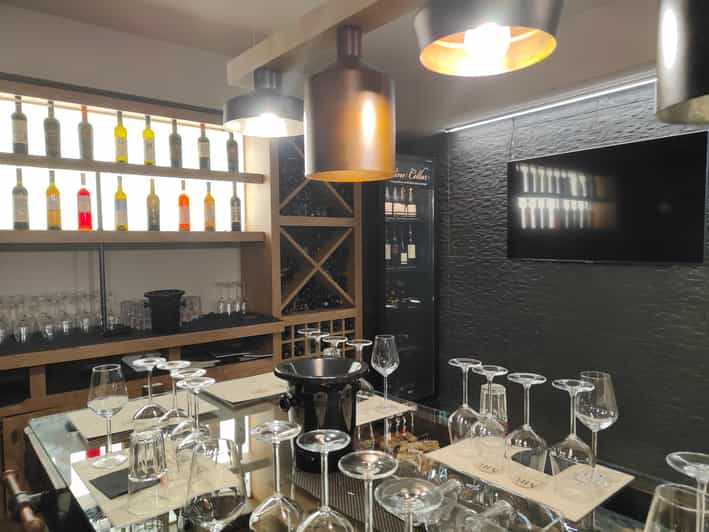
- Six wines in one focused hour so you can compare styles instead of getting one long lecture
- Organic, biodynamic, natural and orange wines with an emphasis on indigenous Greek grapes and real winemaking choices
- Anton’s English-led tasting with clear explanations and practical pairing guidance
- Herbs, spices, condiments, cheese, and nibbles used to show how food affects aroma and taste
- Extra virgin olive oil tasting explained so you understand what you’re tasting and why it pairs well
- Limited-bottling wines (some as low as 200 bottles) that are available in-store for tasting and purchase
Why this tasting centers on orange and natural wine (not just wine)
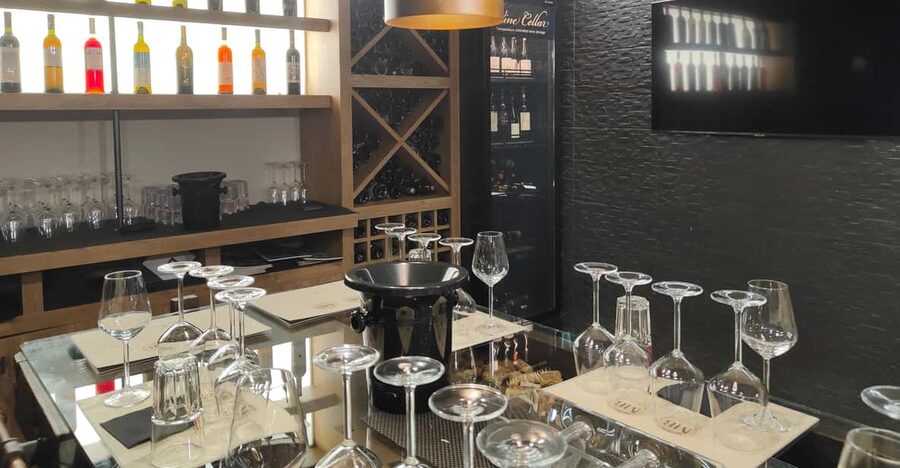
If you’ve only had big, polished wines, this tasting gives you a different baseline. Orange and natural wines tend to show more texture and more “character,” and the whole point here is to help you notice what’s in the glass—and what decisions were made in the cellar.
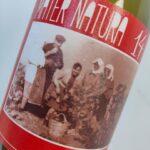
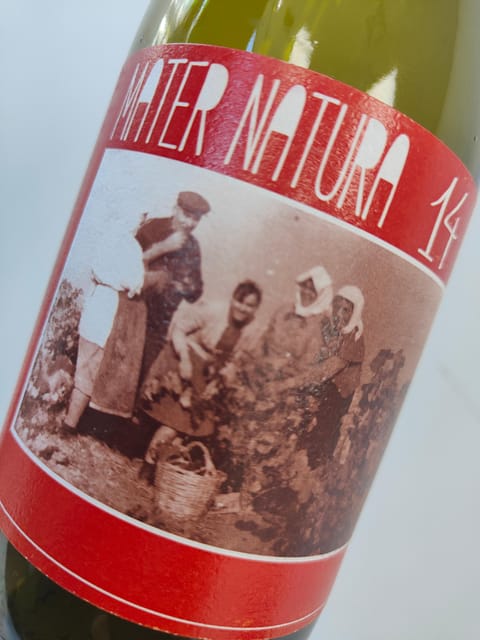
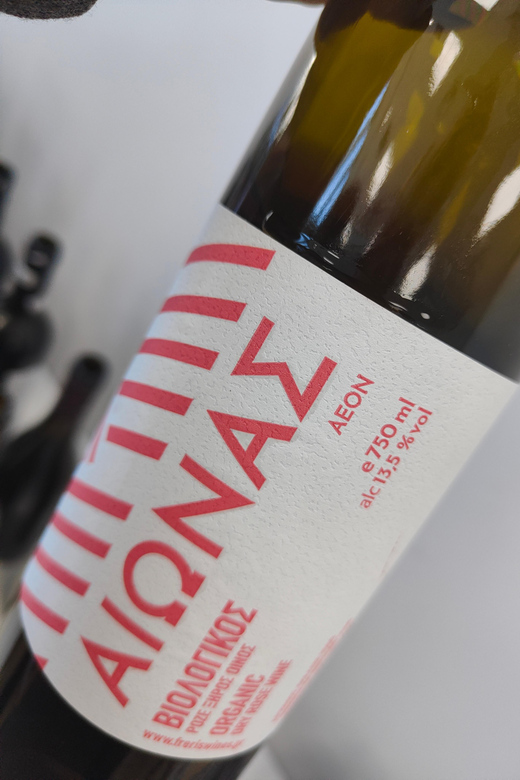
You’ll taste six wines that fall under the wider umbrella of Organic, Biodynamic, Natural, or Orange styles. The goal isn’t to label them as trendy or weird. It’s to show how Greek wine traditions—made with grapes grown in specific conditions—can still feel fresh to your palate today.
The other reason I think this works: you don’t taste wine in isolation. You get paired nibbles and cheese, plus extra virgin olive oil, so you can learn the practical skill of matching flavors. That turns the experience into something you can carry home when you open a bottle later.
You can also read our reviews of more tours and experiences in Athens.
What the 60 minutes feels like from your chair
This isn’t a slow, museum-style wine lesson. It’s built around a compact schedule: you sit down, taste six wines, and you get pairing context as you go.
Because the duration is just 1 hour, you should expect an energetic back-to-back format. Each wine likely comes with a quick explanation and a purposeful bite pairing, so you’re always tasting, adjusting, and comparing. If you like learning by tasting (instead of reading), this is the format that clicks.
You’ll also hear about how these wines get made—using approaches such as amphorae (clay jars), stainless steel, or cement, sometimes with limited oak influence and long bottle ageing. Even if you’re not a wine nerd, that’s useful. It helps you understand why one wine might feel more structured while another feels more aromatic or textured.
The pairing logic: cheese, herbs, spices, condiments, and nibbles
The snacks are not filler here. They’re designed to help you connect aroma and flavor across categories—wine first, then food.
You’ll taste “right nibbles” with the wines, and the experience also focuses on unique pairings using herbs, spices, and condiments. That matters because natural wines (including orange styles) can bring more complex spice-like notes, and the food pairings can either amplify those notes or smooth rough edges.
I like the pairing mindset because it’s intuitive once you try it. The idea is often that powerful flavors pair with powerful wines, and complex flavors pair with complex wines. It makes sense on the tongue. And it’s the kind of practical takeaway you can use at home: if you pick a wine with strong texture or spice notes, choose food that shares that intensity.
And yes, extra bites help you reset between wines, which is a big deal in a tasting that lasts only an hour. You don’t want to lose your palate halfway through.
Extra virgin olive oil: why it’s part of the wine lesson
Greece and wine belong to the same food culture, but it’s easy to forget how well olive oil and wine work together. This experience treats extra virgin olive oil as a teaching tool, not just a Greek add-on.
You’ll discover hidden secrets of EVOO in this unique pairing-focused format. You’ll also learn how it fits with the overall tasting, including the way concentrated grape must and small ancient-style bites complete the experience. The point isn’t mysticism. It’s that olive oil can change how you perceive bitterness, fruit, and mouthfeel.
Here’s what you can look for while tasting: olive oil tends to add a silky or slightly peppery texture, depending on the oil. That texture can make some wines feel rounder and can also highlight tannins or spice notes in others. If you like food experiments, this is one of the most satisfying parts because you’re tasting a real pairing effect, not just being told what to think.
This is also why I’d call the experience “value-smart.” You pay for six wines plus food plus a serious olive oil component, and you come away with a more complete picture of Greek flavors than you’d get from a standard tasting.
Greek wine science meets ancient practice (amphorae and indigenous grapes)
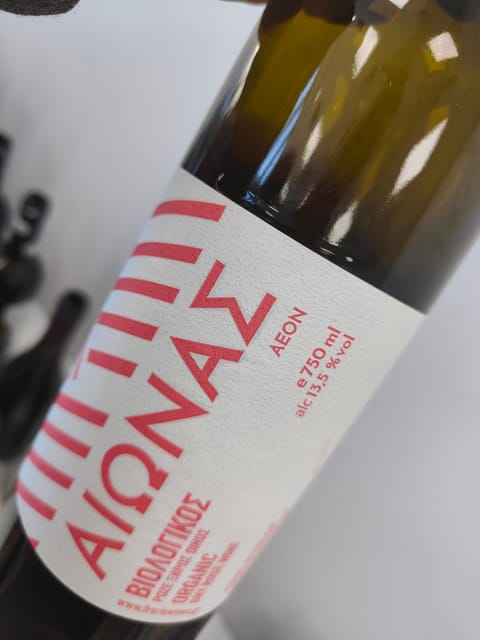
One of the best reasons to do this in person is the way Greek winemaking is explained as a living tradition with choices that still matter. You’ll hear that Greece has many indigenous grape varieties and that the land can produce high-standard wines due to factors like dry winds and hot days.
You’ll also get big context: the info shared points to 340+ indigenous ancient varieties, and it connects them to modern-day techniques. Expect references to fermentation and ageing methods such as amphorae (clay jars), stainless steel, and plain cement, plus occasional small oak influence and long ageing in a bottle.
Even if you don’t memorize the details, you’ll understand the bigger point. These methods shape texture and aroma. A clay vessel might preserve certain aromatic qualities differently than stainless steel. Cement can influence temperature stability and fermentation character. And bottle ageing can soften edges and integrate flavors.
That’s the kind of background that turns a wine from a taste into a story you can retell. It also helps you recognize why an orange wine might feel more “grippy” or more aromatic than you expect from conventional styles.
Limited bottling wines: when the selection is part of the deal
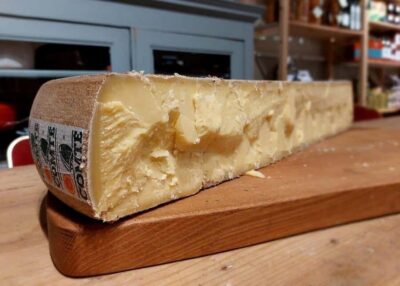
A fun practical angle here is the exclusivity of the wines. Some of the bottles you’ll be tasting can be limited—availability described as as low as 200 bottles—and they may be available exclusively in the store to buy or ship.
That can affect your experience in a good way. Limited bottling often means the selection is fresher and more specific to what the shop wants you to try. It also means you might not see those exact wines easily elsewhere, so the tasting becomes more than a general introduction.
For value, this matters because you’re not just paying for a generic set of big-brand pours. You’re paying for access to a curated tasting concept focused on Organic, Biodynamic, Natural, and Orange wine styles, plus olive oil pairings.
Price and value: is $41 per person a smart use of time?
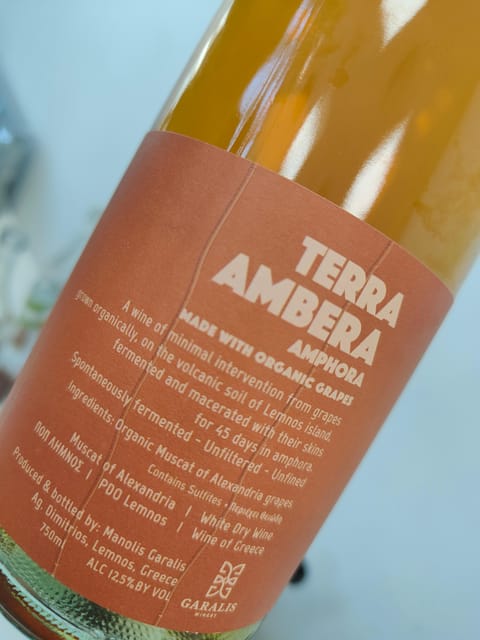
$41 for a 1-hour experience that includes six wines, nibbles, cheese, and history—with an emphasis on extra virgin olive oil—is not an outrageous price if your goal is learning through tasting. You’re getting more than one drink. You’re getting paired food and a structured explanation that targets the core “how” behind natural wine and orange wine choices.
The biggest value test for you is whether you’re the type of traveler who likes comparison. If you enjoy tasting multiple wines side by side and learning how methods and pairings change flavor, this price works. If you only want one or two glasses and zero food focus, it might feel focused rather than generous.
One more value note: because some wines are limited bottling, the shop experience can act like a gateway to buy or ship wines you can’t simply pick up elsewhere. That turns a tasting into a chance to discover bottles you might actually bring home.
Who this tasting suits best (and who should think twice)
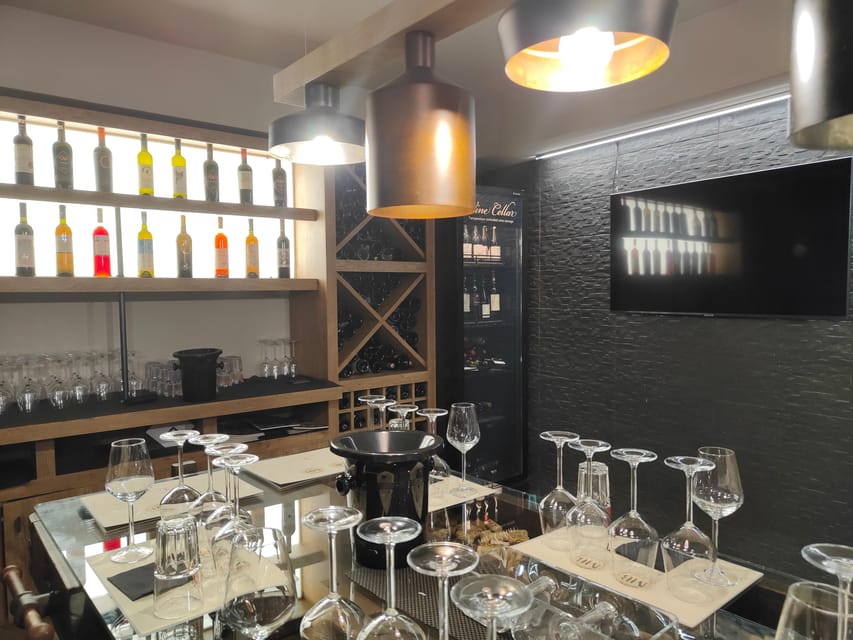
This experience is perfect if you’re curious about natural wine but don’t want to drown in jargon. The structure is built around tasting and pairing, and the English-led guidance by Anton makes the wine choices easier to understand.
It also fits well for people who like food experiments, because the pairings involve not just cheese and nibbles, but also herbs, spices, and condiments, plus the EVOO component. If you enjoy learning by tasting how food shifts aroma and texture, you’ll get a lot out of this.
On the flip side, it’s not for everyone. It’s not suitable for children under 18, and it’s not for people over 95. If that age range matters for your group, you’ll need a different plan.
If you’re brand-new to wine, the format is still approachable because you’re tasting a range of styles and getting explanations tied directly to what’s in your glass.
What you should watch for during the tasting (so you learn fast)
You’ll learn most if you pay attention to a few simple cues while you taste. I’d focus on:
- How the wine tastes before and after bites with the nibbles and cheese
- How the wine changes when you add the extra virgin olive oil to the mix
- Whether a wine feels more aromatic, more textured, or more spice-forward than you expected
- How orange wine differs from other styles in mouthfeel and flavor intensity
Also, use the pairing as your compass. When the pairing is strong, the wine doesn’t just taste good—it makes more sense. That’s the moment the experience becomes more than a drink stop.
Should you book this tasting?
I’d book it if you want a compact, friendly way to understand Greek orange and natural wines through real pairings—especially if you care about food as much as wine. The mix of six wines plus nibbles and cheese, along with EVOO and the winemaking context, makes it a solid use of time in Central Greece.
Skip it if you’re looking for a long, sightseeing-style tour or if you need an experience that works for under-18s or for people over 95. Otherwise, it’s the kind of tasting that can change how you think about wine—because you don’t just taste flavors, you learn why they come out that way.
FAQ
FAQ
How long is the wine and olive oil tasting?
The experience lasts 1 hour.
How many wines will I taste?
You’ll taste six wines during the tasting.
What kind of wines are included?
The tasting focuses on Organic, Biodynamic, Natural, and Orange wines.
Is this experience offered in English?
Yes, the instructor is listed as English.
What food and pairing items are included?
The experience includes nibbles and cheese, and it also includes extra virgin olive oils as part of the tasting.
Is it family-friendly?
No. It is not suitable for children under 18.
Is there an age limit for seniors?
Yes. It is not suitable for people over 95.
Can I cancel and get a full refund?
You can cancel up to 24 hours in advance for a full refund.