REVIEW · TENERIFE
Tenerife – Farm Tour with Cheese Tasting
Book on GetYourGuide →Operated by Queseria Montesdeoca S.L · Bookable on GetYourGuide
Goat cheese starts with goats. I love the way this short farm visit begins at Quesería Montesdeoca with you meeting the animals, including a baby goat, before anyone talks cheese. I also like that the whole experience is built around hand-made goat cheese and a cheese tasting that shows the range from fresh to smoked and aged.
The only real catch is time. It is about an hour, so if you want a slow, wine-heavy, two-course style meal, you will likely crave something extra after the tour.
In This Review
- Key Things I Think You’ll Notice
- Goat Cheese on Tenerife, Without the Museum Vibe
- Quesería Montesdeoca: Where the Tour Starts (and Why That Matters)
- What you’ll likely do first
- Animal Time to Cheese Time: The Flow of the Experience
- Inside the Cheese Factory: Crafting and Aging Explained Simply
- The Cheese Tasting: What You Actually Eat and Taste
- If you’re a serious cheese lover
- Optional Wine Pairing: Nice Add-On, Not the Main Event
- The Photo Stop and Camp Activities Portion
- Small Group Size and Language: Getting the Most Out of One Hour
- Price and Value: What $33 Buys You
- Kids and family pricing
- Who This Tour Fits Best on Tenerife
- Who might want a different option
- Should You Book This Tenerife Goat Cheese Farm Tour?
- FAQ
- How long is the Tenerife Farm Tour with Cheese Tasting?
- Where do we meet the guide?
- How many people are in a group?
- What languages are the live tour guides available in?
- What’s included in the tour?
- Is wine included?
- Are children allowed, and is there a child price?
- Is the tour wheelchair accessible?
Key Things I Think You’ll Notice
- Baby goats and local breeds first: you start with the animals, not a lecture.
- See the cheese factory process in real steps: guided through crafting and aging.
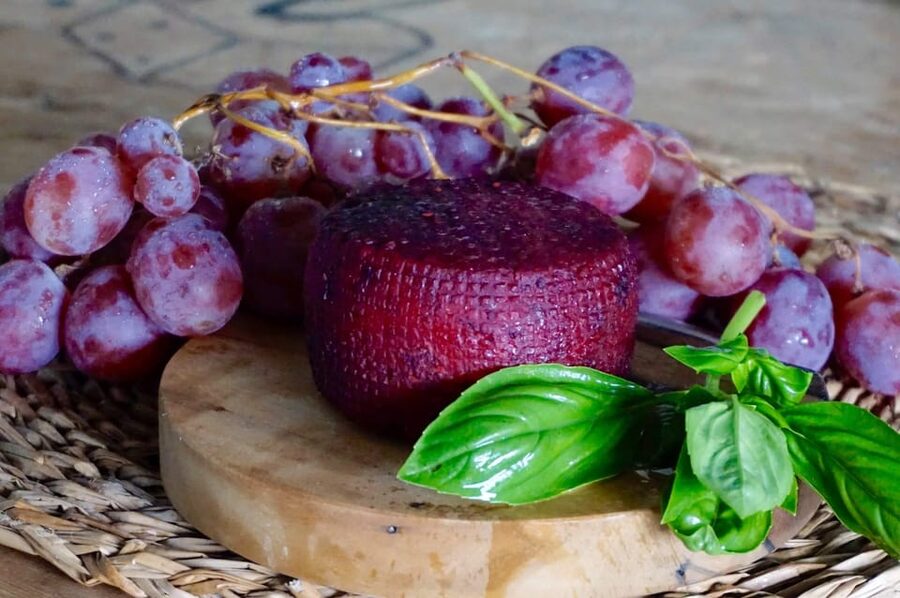
- Three award-winning cheeses, multiple styles: farm-fresh, smoked, semi-cured, and aged in the tasting presentation.
- Optional wine pairing: you can add matching wine during the tasting for an extra fee.
- Small-group feel (max 10): better questions, less waiting around.
- A short outdoor break on the way back: photo stops, camp activities, and scenic views.
Goat Cheese on Tenerife, Without the Museum Vibe
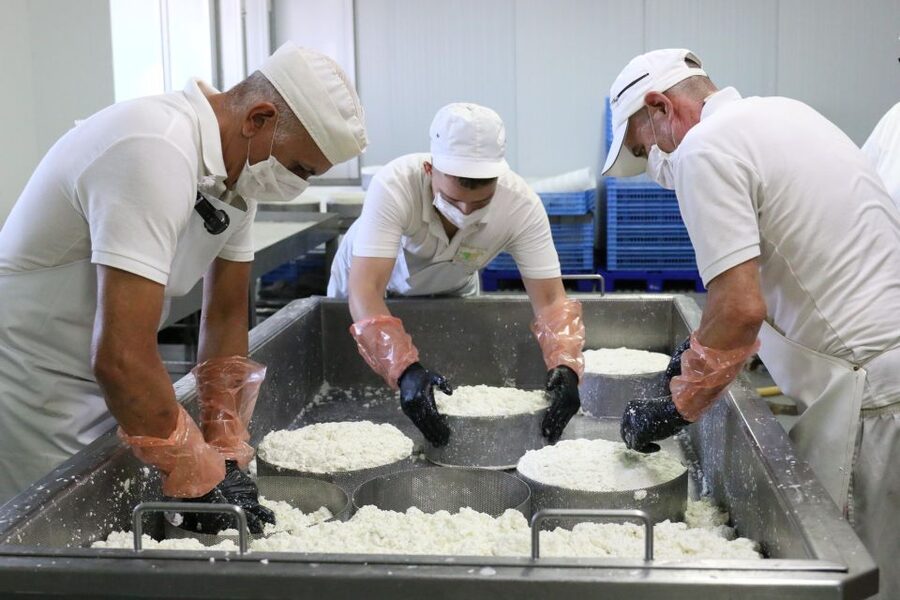
This farm tour on Tenerife is exactly what you hope it will be: practical, hands-on, and grounded in daily life. You are at Quesería Montesdeoca, and the experience is designed to connect the goats you meet at the start with the cheeses you taste at the end.
I like that it is not trying to be fancy. You walk in, you see what happens on the farm, and you leave with a clearer idea of how goat cheese actually becomes fresh, smoked, semi-cured, and aged.
The vibe also fits real travel days. One hour is short enough to slot into a family schedule, but long enough that you get something you can talk about on the rest of your trip.
You can also read our reviews of more tours and experiences in Tenerife.
Quesería Montesdeoca: Where the Tour Starts (and Why That Matters)
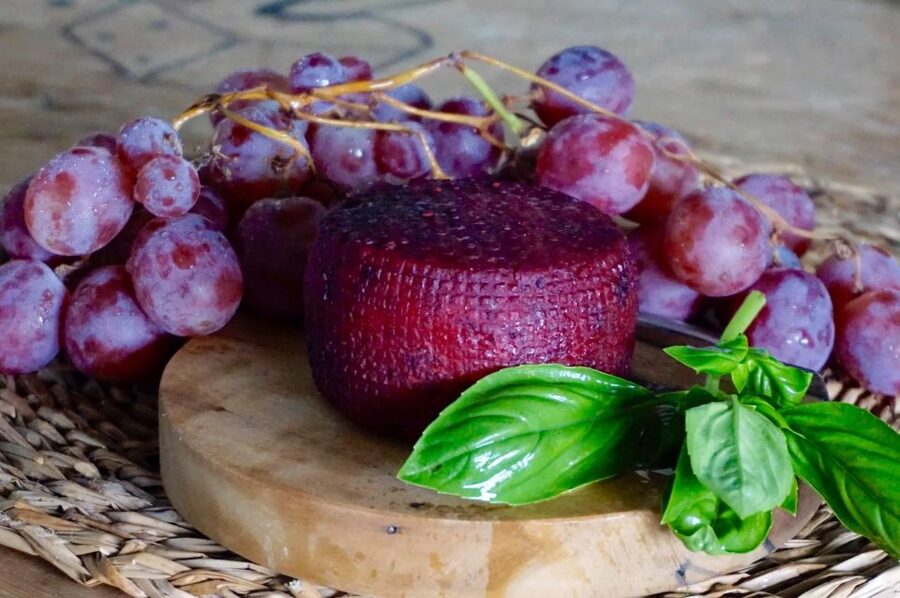
You meet your guide at the main gates of the farm. That small detail matters because it signals the whole format: you are going straight into farm life, not wandering through a reception area first.
Right away, the tour introduces the animals. You get a chance to say hello to a baby goat, and you learn about the local breed of Canary Island goats. Even if you are not a “farm person,” this part works. It gives the cheese context fast, and it makes the rest of the tour make sense.
This is also where the family-friendly part shows up. If you have kids (or you just enjoy cute animals), the animal time is the hook that keeps attention without turning it into a theme park.
What you’ll likely do first
- Meet the goats and hear how they fit into farm life
- Learn how the Canary Island goats are part of local cheesemaking
- Get a feel for the farm before you enter the cheese area
Animal Time to Cheese Time: The Flow of the Experience
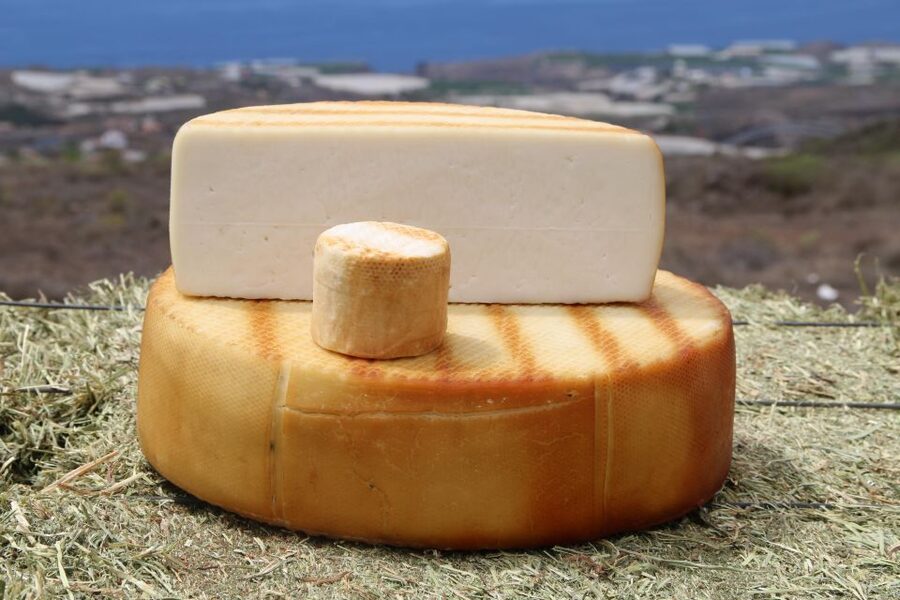
After the animal introduction, the tour guides you into the cheese factory. This is a smooth transition: you do not jump from goats to tasting without learning how the pieces connect.
The guide leads you through the hand-made cheese process. You will be shown how cheeses are crafted and how aging works. The big value here is that the tour treats cheesemaking like a workflow, not magic.
That’s what makes the tasting land better. When you understand even a few steps—what changes during crafting and what aging does—you taste with more awareness. You are not just tasting “good cheese,” you are tasting outcomes of real process.
One small practical tip: plan to wear comfortable shoes. You’ll be on farm surfaces and moving around enough that discomfort will steal your focus.
Inside the Cheese Factory: Crafting and Aging Explained Simply
The factory portion is the heart of the educational part of this tour. It is not presented as a lab demonstration, and it does not feel like you are watching someone read off a poster. Instead, it stays grounded in what the cheesemaker is doing day to day.
You get guided attention to how the cheese is:
- crafted by hand
- aged over time
- turned into distinct styles that show up in the tasting
That matters because “aged cheese” can sound vague. Here, the tour is trying to make aging feel like an actual stage you can picture. By the time you finish, you should be able to explain the difference between fresher cheeses and the ones that have spent longer developing flavor.
I also appreciate the pacing. The tour does not drag. It keeps you moving forward so you stay engaged from animals → process → tasting.
The Cheese Tasting: What You Actually Eat and Taste
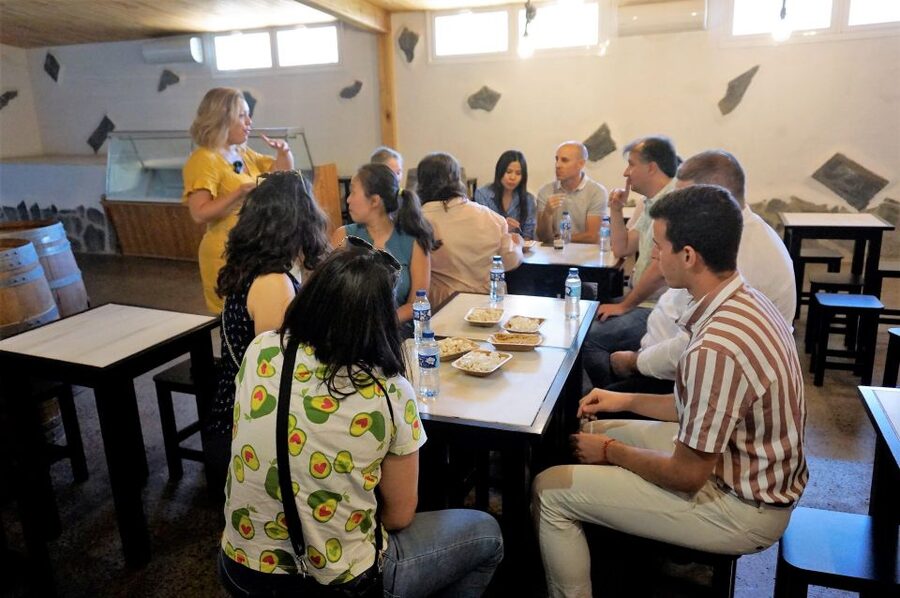
The tour ends with a presentation and tasting of the cheese. This is where the farm work becomes real for your palate.
You get a selection that includes three of the most awarded goat cheeses. You’ll taste a range of styles, from farm fresh to smoked, plus semi-cured and aged options.
If you’re the type who wants to know what you’re putting in your mouth, this part is your reward. The tasting is designed as a guided comparison, so you can notice what changes with age and how smoke shifts flavor.
Also, the tour format helps you avoid common tasting mistakes. You are not left staring at a plate, wondering what you are supposed to pay attention to. You taste with a plan, and that makes even a short tasting feel meaningful.
If you’re a serious cheese lover
One hour is not a full “cheese course,” but it is a strong sampler. If you like what you taste, you can keep exploring afterward on your own—now you’ll know what to look for.
Optional Wine Pairing: Nice Add-On, Not the Main Event
Wine pairing is a bit of a choose-your-own-adventure here. The tour includes the cheese tasting, and matching wine is possible for an extra fee.
In other words: don’t count on wine to make or break the experience. The point of the tour is cheese and farm knowledge, not a winery style upsell.
That said, if you enjoy the idea of pairing lighter, fresher flavors with wine and then shifting as the cheese gets more aged, asking about the pairing during the tasting makes sense. Just go into it knowing it is optional.
The Photo Stop and Camp Activities Portion
You also have a block of time outdoors after the factory part. You’ll have a photo stop, plus camp activities and scenic views on the way.
This section is shorter and less technical than the cheese education. Think of it as a breather that keeps the day moving and gives you something visually memorable for your trip.
It also helps the pacing for families. Kids often do better with movement between “learning” moments, and the tour includes that built-in rhythm.
Small Group Size and Language: Getting the Most Out of One Hour
This is a small group tour with a cap of 10 participants. That number matters more than it sounds. With smaller groups, you are less likely to feel like a voice in a crowd, and the guide can keep explanations clear without rushing.
The live guide speaks Bulgarian, English, Serbo-Croatian, and Spanish. If you’re traveling with a language preference, this is an advantage. It also means the guide can tailor explanations to the group in a way that a self-guided experience can’t.
One more note from real travel experience: if you rely on audio support in French specifically, you may find you are depending entirely on the live guide rather than French audio. I’d plan on live explanation as your main source.
Price and Value: What $33 Buys You
At $33 per person, this tour is priced like a focused experience rather than a long meal. And honestly, it fits the format.
You are paying for:
- a guided farm and factory visit
- real insight into making and aging goat cheese by hand
- a structured tasting that includes three award-winning cheeses
- a short outdoor segment with photo stops and scenic views
So the “value question” is simple: do you want one hour of farm-based food education and tasting? If yes, the price feels fair because you’re getting both the context (seeing the animals and factory work) and the payoff (tasting several cheese styles).
If you are expecting a long, multi-hour tour with lots of food volume and heavy drink service, this may feel tight. The tour duration is the tradeoff. But if you like short, high-signal experiences, it’s a good fit.
Kids and family pricing
Children aged 3 to 11 are welcome and pay a child rate of 9 euros. That can make the tour easier to justify for families compared with experiences that charge a full adult price for kids.
Who This Tour Fits Best on Tenerife
This tour is a solid match if you:
- want something hands-on and food-focused
- like goat cheese and want to compare styles (fresh, smoked, semi-cured, aged)
- are traveling with kids and want an animal start that does not feel staged
- prefer a small group with a live guide
It’s also a good choice if your Tenerife days are packed. With one hour, you can add it between beach time, views, and dinner plans.
Who might want a different option
If you’re looking for a long tasting session, or you want a lot of wine included, this may not feel like enough. It is built to inform and sample, not to turn into a full-day food festival.
Should You Book This Tenerife Goat Cheese Farm Tour?
I’d book it if you enjoy food experiences where you can connect the dots between animals, craft, and taste. Starting with baby goats and ending with an award-focused tasting is a strong arc, and the small group size keeps it from feeling rushed in the wrong way.
I would also book it if you want a practical Tenerife activity that feels authentic and not overly polished. The cheese factory portion plus the tasting gives you real “I learned something” value.
One last practical reality check: you should wear comfortable shoes and plan your day around the timing window. Tours run Monday to Friday from 10am to 1pm, and there’s a minimum reservation of two people made two weeks in advance. If you’re flexible, the reserve-and-pay-later option can help you lock in a spot, and free cancellation up to 24 hours in advance keeps your plans sane.
If you want, tell me your travel dates and whether you’ll have kids. I can suggest a simple Tenerife day plan that pairs this tour with nearby options without making your schedule feel like a sprint.
FAQ
How long is the Tenerife Farm Tour with Cheese Tasting?
The tour lasts 1 hour.
Where do we meet the guide?
You meet the guide at the main gates of Quesería Montesdeoca.
How many people are in a group?
The group is limited to 10 participants.
What languages are the live tour guides available in?
The live guide speaks Bulgarian, English, Serbo-Croatian, and Spanish.
What’s included in the tour?
You get a guided visit of the goat farm and cheese factory, with a hand-made cheesemaking walkthrough, and the tour ends with a cheese degustation of three of the most awarded cheeses.
Is wine included?
Cheese tasting is included. Matching wine is possible for an extra fee.
Are children allowed, and is there a child price?
Yes. Children ages 3 to 11 are welcome and pay a child rate of 9 euros.
Is the tour wheelchair accessible?
Yes, the tour is wheelchair accessible.