Parmigiano and ham become real when you see how. In Parma, this TastyBus food tour trades supermarket labels for factory-floor learning and guided tastings of two Italian icons. You also get low-stress round-trip transport, so your day is about eating and understanding, not figuring out logistics.
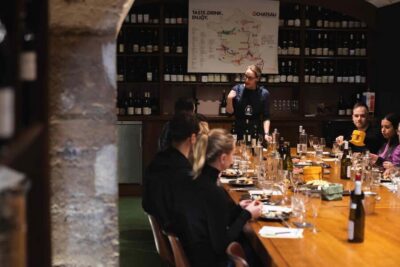
I like the way the guide helps you taste with purpose. You’ll learn how Parmigiano Reggiano changes with ageing, and you’ll sample Parma ham in a way that explains why sweetness and texture matter, not just whether it tastes good. I also appreciate the pacing and small group size, which makes it easy to ask questions without the whole van turning into a classroom.
One consideration: this is a food-production experience, so if you’re very sensitive to strong food smells, plan ahead. There’s tasting involved and at least one stop can be a bit intense, even with basic protection provided—bring your own coping strategy.
In This Review
- Key Highlights You Should Know Before Going
- Meeting Viale Toschi: Easy Start, Real Parma Timing
- Parmigiano Reggiano PDO Factory: How Milk Becomes Age-Worthy Cheese
- Parma Ham PDO Production: From Meat Handling to the Flavor You Taste
- Half-Day vs Full-Day: What Adds Value Beyond Cheese and Ham
- Trattoria Lunch: A Break That’s Built Into the Product Story
- Traditional Balsamic Vinegar (DOP): Why Age Creates Aroma, Not Just Sourness
- Transportation and Group Size: The Comfort Factor You’ll Notice
- Price and Value: Is $169.38 a Good Deal for Parma Food?
- Who This Tour Fits Best (and Who Might Skip It)
- Should You Book TastyBus Parmesan Cheese and Parma Ham?
- FAQ
- What time does the tour start in Parma?
- Where is the meeting point?
- How long is the experience?
- What’s the price per person?
- What’s included in the half-day Parmesan cheese and Parma ham option?
- What’s included only if I book the full-day option?
- What language is the tour offered in?
- How many people are in the group?
- Is free cancellation available?
Key Highlights You Should Know Before Going
- PDO source visits for Parmigiano Reggiano and Parma ham, not generic tastings
- Guided ageing tastings so you can tell young vs. older cheese by flavor
- Small group vibe with room to ask questions while staying on schedule
- Optional full-day add-ons: trattoria lunch plus traditional balsamic vinegar tasting
- Hands-on appreciation for how production, time, and climate shape the final product
Meeting Viale Toschi: Easy Start, Real Parma Timing
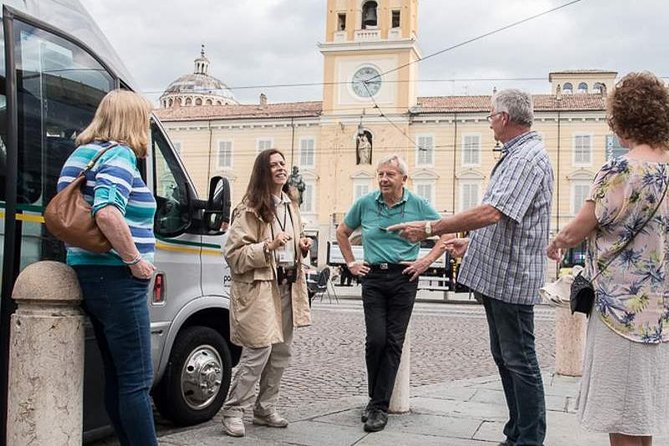
The tour begins at Caffetteria Toschi (Viale Paolo Toschi, 2). The schedule is tight in a good way: you’ll meet around 9:15, then roll out with the group at 9:30. This matters because Parma’s food producers are busy places, and late starts mean you lose the best parts of the visit.
You travel by air-conditioned minivan with round-trip convenience back to the same meeting point. That’s a practical win if you’re staying in central Parma and don’t want to spend your morning navigating rural roads or finding parking. It’s also a good setup if your day plan includes other sightseeing afterward, since you’re not building in extra transit time.
Most days run with an English-speaking guide, and the group cap is 20 travelers. Based on past tour experiences with guides like Sophia, Claudia, Lisa, Marika, Giacomo, and Valentina, the most consistent theme is that the guides focus on the process and the product in plain language, with time for questions. Since you’re grouped fairly small, you’re less likely to get rushed through tastings.
You can also read our reviews of more tours and experiences in Parma.
Parmigiano Reggiano PDO Factory: How Milk Becomes Age-Worthy Cheese
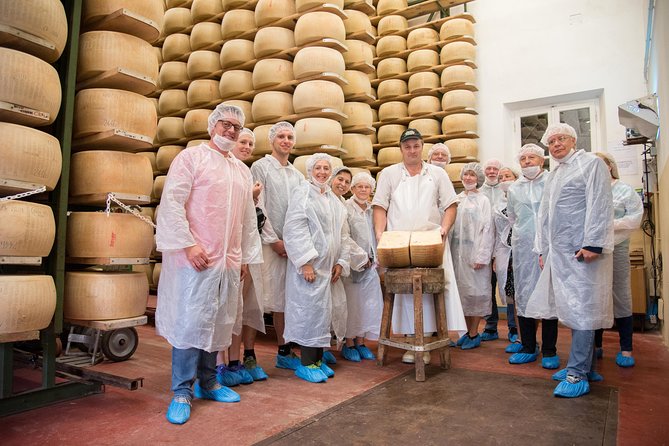
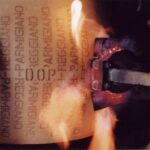
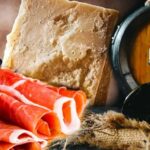
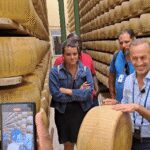
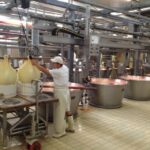
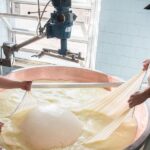
Your first major stop is at a Parmigiano Reggiano PDO production factory. This is the part I’d call the foundation of the day: you start with milk processing, then follow the path that turns it into a cheese designed to last. And the tour doesn’t treat ageing like a mystery box. It explains why this cheese can be preserved for years and why quality can improve over time without chemical additives.
What you’ll learn here is more than trivia. You’ll start to understand why the cheese has different flavors based on how long it’s aged. The guide also helps you distinguish between different ageing stages through a guided tasting. That means when you later see Parmigiano at a shop, you’ll have a mental map: sharper notes vs. rounder, more mature profiles, and the subtle ways texture shifts as the wheel ages.
Practical tip: pace yourself during the tasting. Parmigiano is easy to keep eating, because it’s delicious and you’ll want to compare ages. But if you “taste hard” too early, you’ll feel it by the ham stop. I’d suggest a slow, deliberate approach—small bites, short pauses, and then ask the guide what you should notice in the aroma and finish.
Parma Ham PDO Production: From Meat Handling to the Flavor You Taste
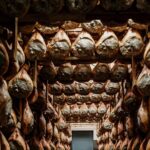
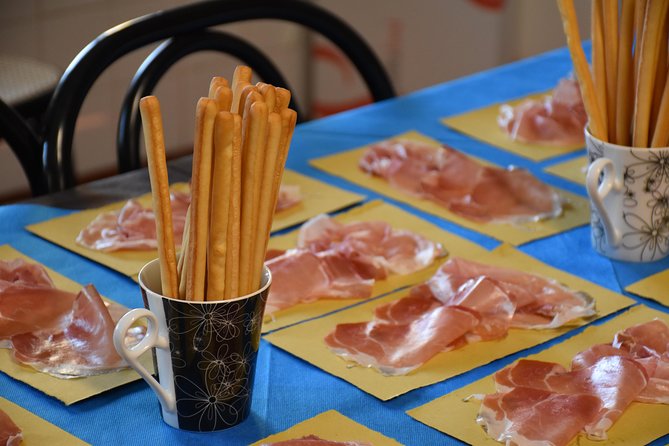
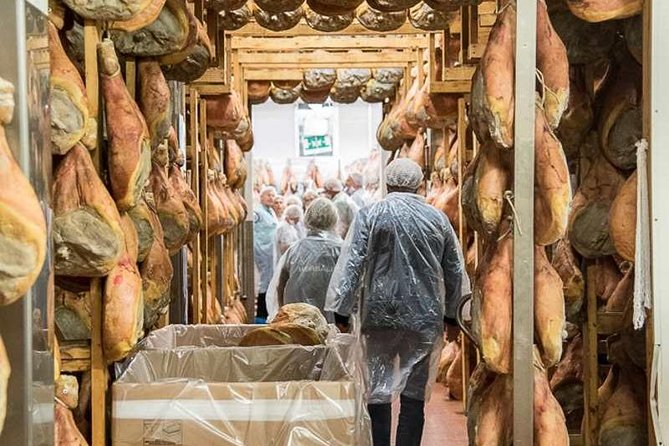
Next comes the Parma ham PDO production factory visit at the Consorzio del Prosciutto di Parma. You’ll follow the process from meat processing through the production phases, and then you’ll move into tasting. This part is where the day becomes emotional for food lovers, because ham is one of those foods where time and environment do serious work.
You’ll also learn why the end result has that signature profile people describe as sweet and distinct. The tour experience is built around seeing the steps and hearing the logic behind them. The more you understand temperature, age, and handling, the less the flavor feels like a random miracle.
If you’re doing the half-day option, your ham tasting is one of the main payoffs, and the tour ends back at the meeting point around 2:00 pm. If you’re doing the full-day option, you’ll keep rolling into lunch and balsamic vinegar after this.
One honest consideration: ham production spaces can smell strong. You might be given a thin mask and protection for clothing, but if you’re sensitive, that may not be enough. A smart move is to bring your own strategy for odor tolerance—something menthol-based (lozenges or similar) and a small tissue can make the difference between enjoying the day and rushing through it.
Half-Day vs Full-Day: What Adds Value Beyond Cheese and Ham
This tour has two ways to structure your day, and both can be worth it depending on your goals.
Half-day (Parmesan Cheese and Parma ham option): You get the two big source visits and the ham tasting. This is great if you’re short on time, want a focused food education, or you’re pairing the tour with other city plans that afternoon.
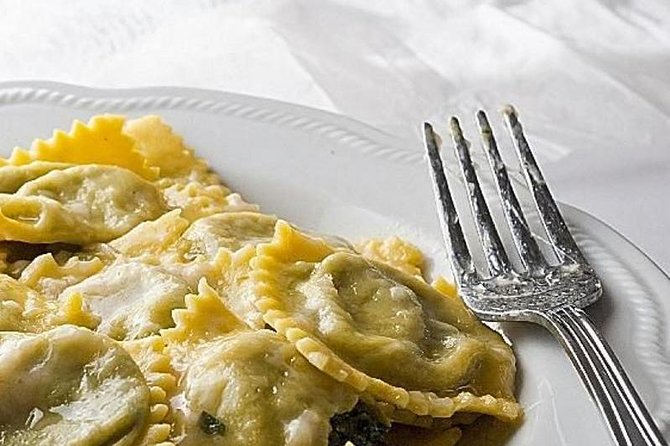
Full-day (Best Parma products in a day option): After ham, you add a light lunch in a typical trattoria and then continue with a traditional balsamic vinegar tasting. Lunch also includes a glass of wine as part of the experience. It’s a nice flow because you’re not just switching topics—you’re moving from savory aged products to the sweet-acid world of balsamic, then back to a guided tasting format.
If you’re deciding between them, I’d base it on your appetite for learning and tasting time. If you love food enough to spend the whole day comparing flavors, the full schedule makes the day feel complete. If you’d rather keep it efficient, the half-day still delivers the two core “why Parma is Parma” lessons.
Trattoria Lunch: A Break That’s Built Into the Product Story
For the full-day option, lunch is at Osteria La Maesta’ and is described as a typical trattoria stop. You’ll try local dishes paired with wine, and the lunch is included as part of the option price.
This meal isn’t just a rest stop. It’s a chance to connect what you learned about aged products with how people actually eat them. Even if the dishes aren’t the same thing you tasted at the factories, you’ll leave with a better sense of what the flavors of Parma look like on a plate.
Timing helps too. The day doesn’t stretch into an all-day blur without breaks. Lunch is built in after ham, which keeps your energy from crashing when you head into the balsamic vinegar tasting later.
Traditional Balsamic Vinegar (DOP): Why Age Creates Aroma, Not Just Sourness
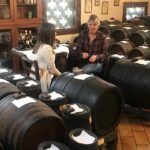
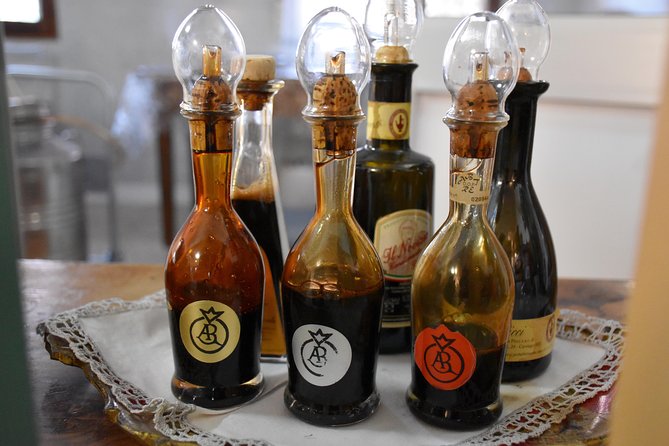
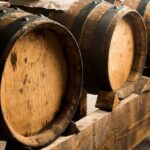
After lunch, the tour heads into an ancient acetaia for the traditional balsamic vinegar tasting (Consorzio Tutela Aceto Balsamico Tradizionale di Reggio Emilia DOP). This matters because traditional balsamic isn’t the same as the bottles you see everywhere. The tasting format is guided, and you’ll learn why every drop is treated like a specialty.
You’ll focus on aroma and fragrance, not only flavor. That’s where many visitors get surprised. Balsamic vinegar can sound simple, like a sweet condiment. But in a tasting built around traditional DOP vinegar, you start noticing the layers—how it smells before it hits your tongue, how sweetness and acidity balance, and how the finish feels.
From a practical perspective, this is the point in the day where you’ll want to be slightly more cautious with eating. You’ve already done cheese and ham tastings. Balsamic can feel intense because it’s concentrated in character. Take small tastes, let them sit, and ask the guide what to look for so you’re not just sipping out of habit.
Transportation and Group Size: The Comfort Factor You’ll Notice
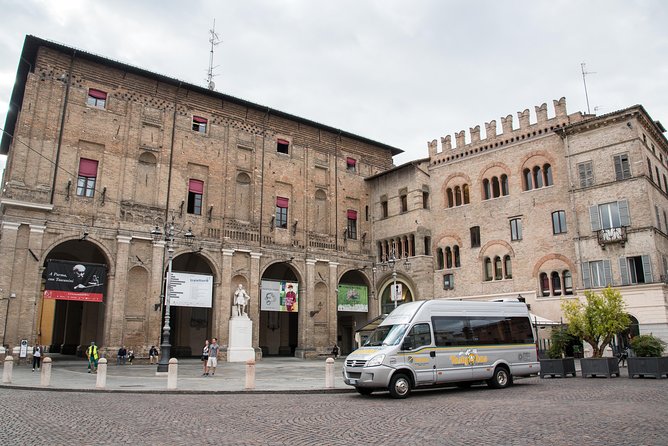
The experience includes transport by air-conditioned minivan, which is a real quality-of-life upgrade in Italy when you’re spending a day on the move. You also don’t need to plan your own pickup points or driving routes. The tour ends back at the meeting point, which makes your afternoon plans simpler.
Group size is capped at 20 travelers, and multiple guide experiences described over time highlight the benefits: smoother pacing, more chance to ask questions, and less time waiting around. That’s exactly what you want for a tasting tour. You’re comparing flavors and processes; waiting kills focus.
Another small detail that helps: there’s a mobile ticket, confirmation at booking, and the meeting point is near public transportation. Even if you’re renting a car, the meeting point is near the Parcheggio Toschi area, making it easier to connect with the tour without turning your morning into a parking search.
Price and Value: Is $169.38 a Good Deal for Parma Food?
At $169.38 per person, this isn’t a cheap activity. The value comes from what’s included and how the day is structured.
Here’s where you get your money’s worth:
- Factory access for two PDO products (Parmigiano Reggiano and Parma ham), plus tastings guided by a professional
- A guided tasting experience that teaches you how ageing changes flavor, rather than just letting you taste randomly
- Transport included, which saves time and reduces stress
- For the full-day option, lunch is included, plus an additional traditional balsamic vinegar tasting
If you’re the type who likes to eat well but also wants the story behind the food, you’ll likely feel the price is justified. You’re paying for access, time with the guide, and multiple tastings in a short window.
The one scenario where the price might sting: if you already know your way around Parma food and you mainly want a simple snack tour with minimal explanation. In that case, you’d spend less by doing a tasting-and-shopping day on your own. But if you want context and comparison—ages of cheese, phases of ham, DOP meaning—this format is built for you.
Who This Tour Fits Best (and Who Might Skip It)
This tour is a strong match for:
- Food lovers who want real product education, not just bites
- Anyone visiting Parma with limited time who still wants to see sources of famous PDO foods
- Travelers who prefer a guided plan with transport handled
- People who enjoy tastings and want help noticing differences (especially ageing)
You might prefer a different kind of experience if:
- You’re mainly after shopping and casual eating rather than production learning
- You have a strong sensitivity to smells, and you don’t want to manage odor tolerance during factory visits
- You’re traveling with very small children or anyone who struggles with scheduled group timing (this tour is structured and paced)
Should You Book TastyBus Parmesan Cheese and Parma Ham?
I’d book it if you want a focused Parma day built around two major PDO products you can actually trace back to the source. The half-day option is especially appealing because you get the key visits and tastings without a long day. For a fuller experience, the full-day add-ons (trattoria lunch and DOP balsamic tasting) make the itinerary feel complete.
My main “check yourself” advice: decide how much you care about tasting differences and production explanations. If that’s your thing, you’ll come away with a sharper palate and a lot more confidence when you buy cheese or ham later. If you’re only looking for a quick food hit and you don’t want to deal with strong factory aromas, consider whether you’ll enjoy the production stops as much as the tastings.
If you do book, show up hungry, go slowly during comparisons, and be ready to ask questions. That’s when the whole experience turns from good food into real understanding.
FAQ
What time does the tour start in Parma?
You meet around 9:15 am and the tour starts at 9:30 am.
Where is the meeting point?
You’ll meet at Caffetteria Toschi, Viale Paolo Toschi, 2, 43121 Parma PR, Italy, and the tour ends back there.
How long is the experience?
It runs about 4 to 7 hours depending on whether you choose the half-day or full-day option.
What’s the price per person?
The price is $169.38 per person.
What’s included in the half-day Parmesan cheese and Parma ham option?
You’ll get Parmigiano Reggiano tasting, a Parmigiano Reggiano PDO production visit, Parma ham PDO production visit, and Parma ham tasting, plus a professional guide and air-conditioned transport.
What’s included only if I book the full-day option?
In addition to the cheese and ham parts, the full-day option includes trattoria lunch and a guided tasting of traditional balsamic vinegar (DOP).
What language is the tour offered in?
The tour is offered in English.
How many people are in the group?
The tour has a maximum of 20 travelers.
Is free cancellation available?
Yes, you can cancel for a full refund up to 24 hours before the experience start time.