REVIEW · PARMA
Parma: Traditional Cheese Factory Visit with Tasting
Book on GetYourGuide →Operated by ParmaLook Food Tours Experience · Bookable on GetYourGuide
Cheese starts as milk, not mystery. I love the curds-to-aging production walkthrough, with the chance to see real cheesemaking steps up close, and I love that the tour ends with a tasting paired with local wine. One thing to plan for is the strict early timing at the pickup point, since late arrivals can’t be accommodated.
This is a guided visit that treats Parmigiano Reggiano like the serious food it is, tied to the EU-protected tradition from Parma’s cheese zone. You’ll get headsets to hear your guide clearly, and based on past tours you may meet guides like Danielle or Roberto, who make the process easy to follow.
If you’re hoping for a laid-back, pick-and-choose experience, this is more “workshop mode” than “stroll.” Still, at 2.5 hours, it’s a smart, efficient way to understand why this cheese tastes the way it does.
In This Review
- Key highlights at a glance
- Parma’s Parmigiano Reggiano factory visit: what makes it worth your time
- From NH Parma to the factory: early pickup, simple van ride
- Inside the cheesemaking line: curds, whey, and the logic of the process
- Shaping, salting, and stagionatura: where thousands of wheels wait
- The tasting finale: Parmigiano pairings with local wine
- Price and value at about $82: what you get for your money
- What to bring and what to wear: small rules that matter
- Who this tour fits best (and who might prefer something else)
- Tips to get the most out of the 2.5 hours
- Should you book this Parmigiano Reggiano factory tour?
- FAQ
- Where is the pickup point?
- What time does the tour pick up?
- How long is the experience?
- What’s included in the tour price?
- Is there a language option for the guide?
- Will the tour run if it rains?
- What should I wear?
- Can I bring luggage or large bags?
- Is the tour wheelchair accessible?
- What if I arrive late to the meeting point?
- Can I get a refund or pay later?
Key highlights at a glance
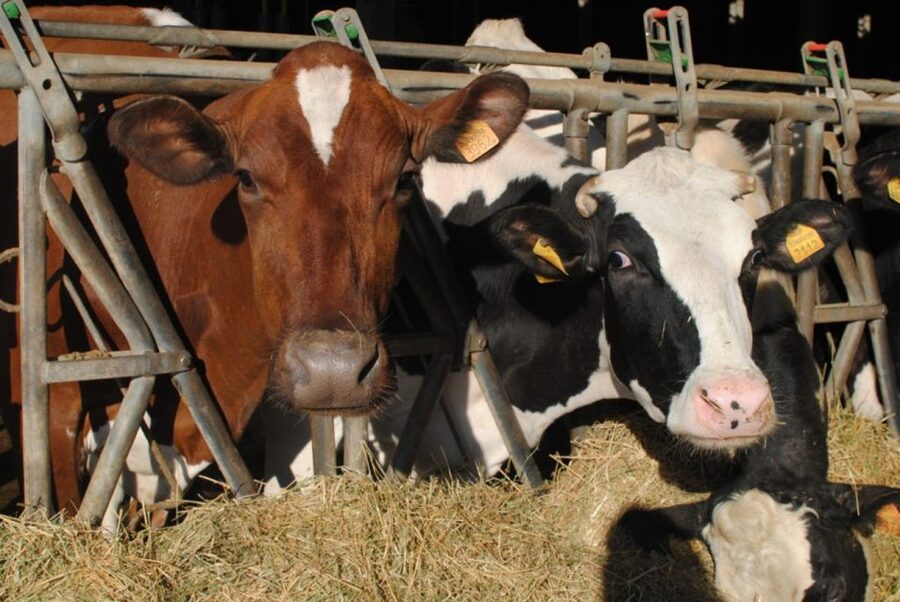
- Parmigiano Reggiano from milk vats to aging racks in one guided flow
- Shaping, salting, and stagionatura (the aging period) explained step by step
- Factory quality checks described through Consorzio hammering and the branding ritual
- A real tasting finale with Parmigiano and local wine like Lambrusco di Parma
- On-site shopping to bring home wheels and wedges you actually learned about
Parma’s Parmigiano Reggiano factory visit: what makes it worth your time
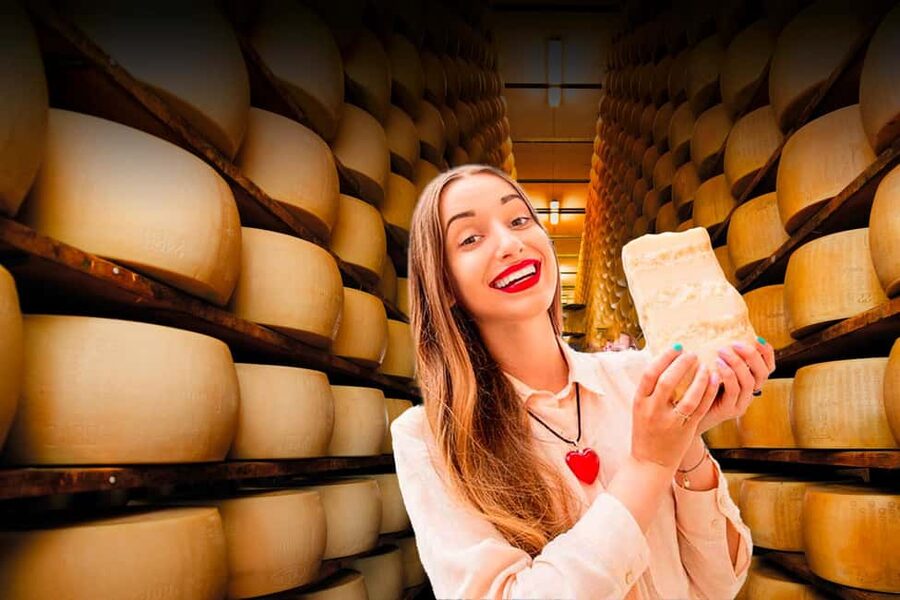
If you only taste Parmigiano Reggiano in a restaurant, you get the flavor. On this tour, you get the reasons behind it—why the milk, the curd, the timing, and the aging rules matter.
Parmigiano Reggiano is tied to a protected tradition and a defined production area (the “Zona Tipica” around Parma, Reggio Emilia, Modena, and parts of Bologna and Mantova). When you hear that laid out, the cheese stops being just a product and becomes a system. It’s the kind of food culture that rewards attention.
The best part for me is that this isn’t a museum-style explanation. You’re shown the stages of production—curds pulled from vats, whey separation, cooking—then you move forward to shaping, salting, and the long wait in the aging rooms. Even if you’re not a cheese nerd, you’ll start noticing how each stage sets up what you taste later.
You can also read our reviews of more tours and experiences in Parma.
From NH Parma to the factory: early pickup, simple van ride
Your day starts with pickup at NH Parma (Viale Paolo Borsellino, 31) at 8:30. The location is easy to spot if you’re coming by train: follow the north exit Falcone/Borsellino and reach the hotel on the right, where the van waits at the parking area in front.
Transportation is part of the value here. You’re not stuck coordinating taxis, and the schedule is built for a smooth round trip: a short van ride out, then return back to the same starting point. You also get headsets, which matters more than it sounds—factory sounds and crowd noise can make a lecture harder than you’d expect.
One practical note: the operator is clear that if you arrive late due to trains or other delays, it may be treated as a no-show. So if you’re flying in the morning or connecting by train, build in a buffer. This tour is strict for a reason: once the factory flow starts, it can’t wait around.
Inside the cheesemaking line: curds, whey, and the logic of the process
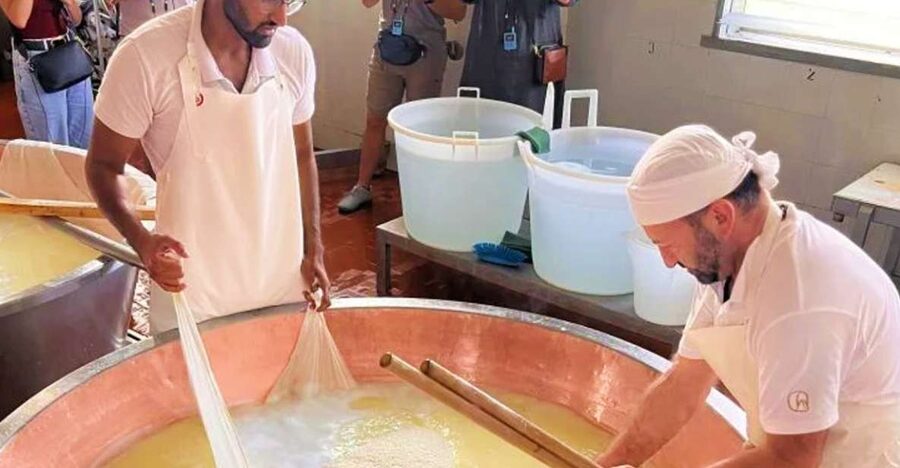
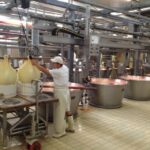
The factory portion is where your interest pays off. You start with the basics of how Parmigiano Reggiano is made, and you see the steps that many people only imagine.
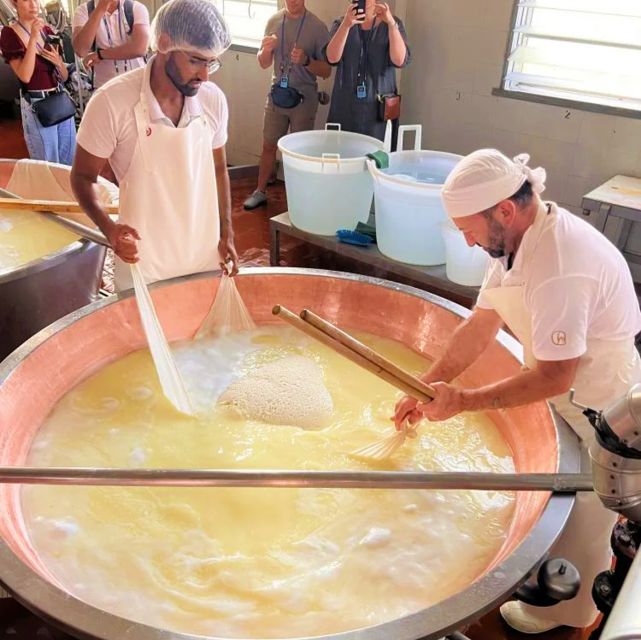
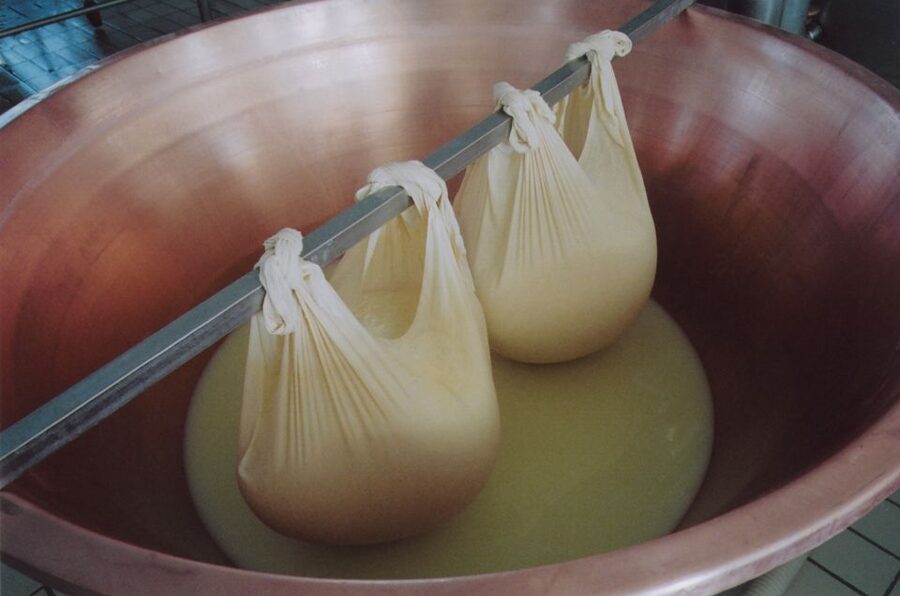
You’ll watch production hands-on, including the moment curds are pulled from the milk vats. From there, the focus shifts to cooking and separating the whey. This is one of those moments where you learn that cheesemaking isn’t one magic trick—it’s a sequence of decisions.
Here’s what to pay attention to while you’re standing there:
- How the curd forms and is handled, since that affects texture later.
- How whey is separated, since the composition of what remains drives the fermentation and flavor development.
- How the factory routine is organized, since speed is less important than consistency.
What surprised me (and what should help you enjoy the tour) is how the guide links each step to the final cheese. When you hear why a stage matters, the tour stops feeling like a checklist and starts feeling like a story with cause and effect.
Also, the group energy tends to be positive. In past tours, people talked about getting to meet senior production team members, and that interaction can add a more personal layer to what you’re seeing on the floor. You don’t just watch machines—you’re introduced to the people behind the work.
Shaping, salting, and stagionatura: where thousands of wheels wait
After the initial steps, you move into the rooms that turn curd into a wheel-shaped cheese—and then into the waiting game that makes Parmigiano Reggiano taste the way it does.
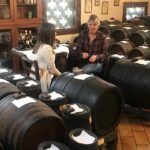
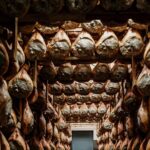
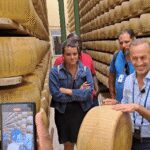
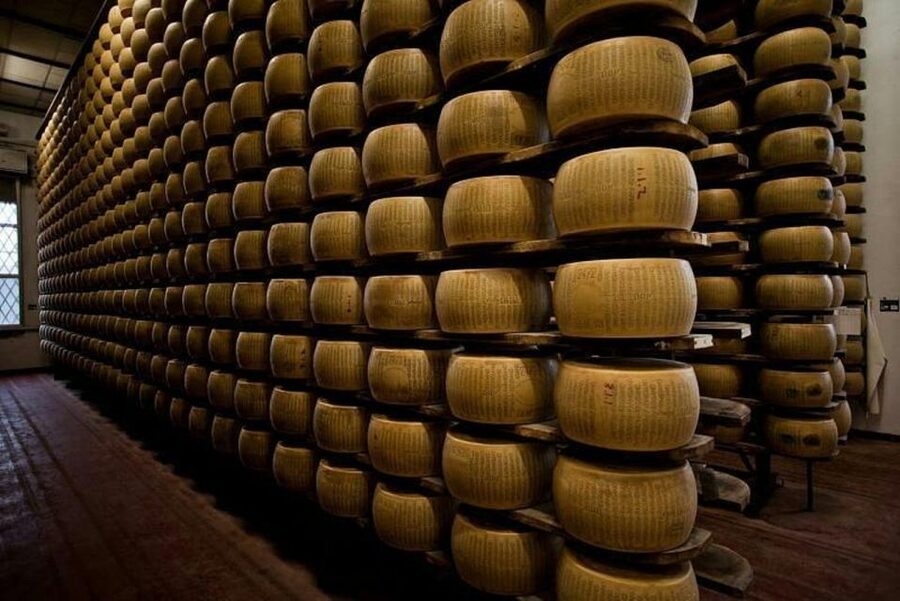
You’ll tour the shaping and salting rooms, and then you enter stagionatura, the aging area where wheels are stored while they mature. This is the part that often changes how people view time. It’s not like bread, where the clock is hours. It’s months, and in this case, tied to tradition and quality checks.
Two details that really anchor the visit:
- You see that the aging area is large-scale—thousands of wheels are mentioned, so you’re not imagining a small hobby setup.
- You get a clear explanation of how quality is verified, not just assumed.
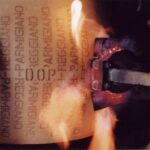
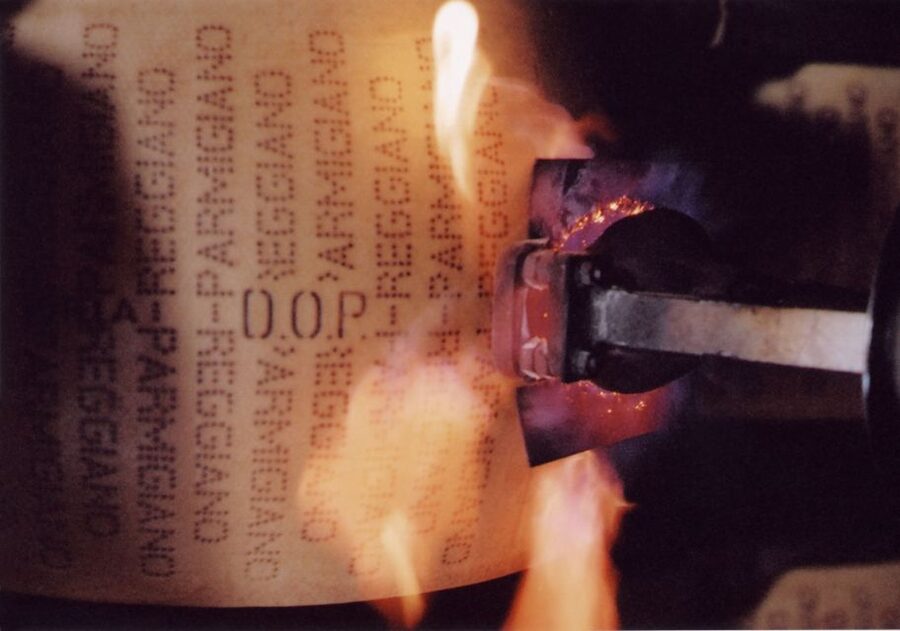
The tour also describes the role of the Consorzio in the process, including hammer testing (yes, you’ll hear why they do it) and then the branding ritual using fire. Even if you’ve never heard of these steps, they make sense once you understand the goal: consistency across wheels, and confidence that what’s aging will match the standard.
If you’re the kind of person who likes food science, you’ll enjoy this section. If you’re not, don’t worry—you can still follow the logic. Staging and rules are the point, and the guide’s job is to connect the rules to the flavor you’ll taste at the end.
The tasting finale: Parmigiano pairings with local wine
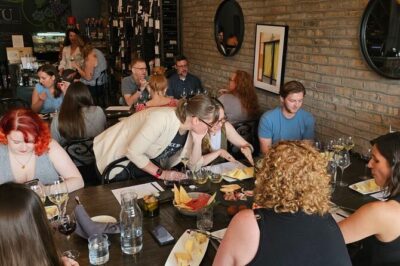
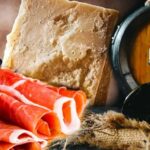
Then comes the payoff: the tasting. This part is included, and it’s where you translate what you saw into what you experience.
You’ll taste Parmigiano Reggiano, paired with local wine. Past guests have mentioned tastings that included sparkling Lambrusco di Parma and sometimes additional pairings like balsamic vinegar. Since details can vary by date, think of this as a structured tasting rather than a single one-size-fits-all glass.
What to do during the tasting:
- Taste first on its own, then try with the wine pairing. Notice the way acidity and bubbles change how the cheese reads.
- Compare textures if you sample more than one age. Younger cheese tends to feel different from well-aged cheese, and the guide can help you connect that to what aging does.
- Don’t rush. The goal is to link what you saw in the aging rooms to what’s in your mouth.
This tasting also makes the earlier factory time feel “earned.” You’re not just watching; you’re getting ready to recognize differences. By the time you step out of the tasting area, Parmigiano Reggiano stops being a generic ingredient and becomes a product with stages and outcomes.
Price and value at about $82: what you get for your money
Let’s talk about the money plainly. At around $82 per person for 2.5 hours, you’re paying for more than cheese samples.
You’re getting:
- Round-trip van transport with a set pickup and return time
- Entry tickets to the production site
- Headsets so you can actually hear the guide in a working environment
- A structured guided walkthrough of multiple stages
- Tastings, including wine pairing
In other words, you’re paying for access, interpretation, and a tastings finale. That’s where the value usually lands. If you simply want parmesan at a café, you can do that in Parma for less. But if you want to understand how the cheese is made and why the quality checks exist, the guided factory format is the point.
One caution if you like to pack your schedule: this experience is focused on the cheese story. If your main goal is also cured meats, you’ll want to plan those separately rather than expecting everything to be bundled into the same session.
What to bring and what to wear: small rules that matter
This tour has a few clear “show up prepared” rules:
- No sandals or flip-flops; you’ll want closed, supportive shoes.
- No open-toed shoes and no slippers.
- No luggage or large bags on the van.
- No pets.
You should also plan for rain or shine. Factories don’t care about weather, and the tour is designed to run anyway.
One more thing: the experience is not suitable for wheelchair users and people with mobility impairments. If that’s your situation, it’s worth choosing a different Parma food tour that matches your pace and access needs.
Who this tour fits best (and who might prefer something else)
This tour is a great match if you:
- Love food culture and want a real production visit, not just a tasting counter
- Want to see aging storage and quality checks, not only the final wedge
- Enjoy guided explanations and want the process broken into understandable steps
- Want a short, efficient half-day plan in Parma
It may feel less ideal if you:
- Need a highly flexible schedule or lots of waiting time
- Prefer a more relaxed walking tour with minimal standing
- Have mobility/access needs that don’t match a working factory environment
Tips to get the most out of the 2.5 hours
You can make this tour smoother with a few small choices:
- Arrive a bit early at NH Parma so you don’t gamble with station timing.
- Wear comfortable shoes—factory floors and transitions add up.
- Keep your hands free for purchases at the end. The factory stop includes shopping, so think ahead about how you’ll carry what you buy (since large bags aren’t allowed).
- Go into the tasting with curiosity, not expectations. The guide’s pairing choices can be a fun surprise, and they’re part of learning.
If you’re a first-time Parmigiano taster, start by noticing what you like: nuttiness, texture, salt level, or aged depth. Then let the guide help you name what you’re feeling.
Should you book this Parmigiano Reggiano factory tour?
Yes—if your goal is to understand Parmigiano Reggiano beyond the flavor.
For the price, you’re getting the full arc: production steps, aging rooms, quality checks, and a wine-paired tasting. It’s also efficient at 2.5 hours, and the setup (van + headsets + a guided process) keeps it from feeling chaotic.
Skip it only if strict timing at the pickup point worries you, or if mobility/access needs make factory touring tough. Otherwise, this is one of the most straightforward ways to connect Parma to its most famous cheese—by seeing how it’s actually made.
FAQ
Where is the pickup point?
The pickup is at NH Parma, Viale Paolo Borsellino, 31, 43122 Parma. The van is scheduled to wait at the parking area in front of the hotel.
What time does the tour pick up?
Pickup time is 8:30.
How long is the experience?
The total duration is 2.5 hours.
What’s included in the tour price?
It includes entry tickets, headsets to hear the guide clearly, and tastings (including cheese and wine pairing).
Is there a language option for the guide?
The live guide is available in Italian and English.
Will the tour run if it rains?
Yes. The tour takes place rain or shine.
What should I wear?
Closed-toe shoes are important. Sandals, flip-flops, open-toed shoes, and slippers are not allowed.
Can I bring luggage or large bags?
No. Luggage or large bags are not allowed on the vans.
Is the tour wheelchair accessible?
No. It is not suitable for people with mobility impairments or wheelchair users.
What if I arrive late to the meeting point?
If you arrive late after the scheduled time due to train or other transportation delays, it can be considered a no-show. Late arrivals cannot be accommodated, and the booking is non-refundable and non-reschedulable.
Can I get a refund or pay later?
Yes. There is free cancellation up to 24 hours in advance for a full refund. You can also reserve now and pay later.