REVIEW · PARMA
Parmesan Cheese Factory Tour & Tasting near Parma
Book on GetYourGuide →Operated by Slow Travel · Bookable on GetYourGuide
A real cheese factory visit beats souvenir shopping. In Noceto near Parma, I like how you watch the traditional Parmigiano Reggiano process up close and then finish with a guided tasting of three ages plus wine and Parmigiano cream. The one catch is timing: the production rooms are only open at 7:30 AM and 8:30 AM, so you’ll want to pick the right slot.
The tour runs about 1 hour and stays human-sized (small group up to 10), which helps you actually hear the guide and ask questions. Guides like Giulia and Lorenzo are praised for keeping things clear in English and Italian, and for making the details fun instead of lecture-y.
My only caution is practical: transport isn’t included, so you’ll need a 30-minute ride from Parma by car or public transport to make the early morning visit work smoothly.
In This Review
- Key things I’d book this for
- Parmigiano Reggiano in Noceto: what $65 really buys
- Morning production rooms at 7:30 or 8:30: plan around access
- Guided visit + video lesson: how the process clicks
- Aging rooms with hundreds of Parmigiano wheels: why time is the ingredient
- Tasting 15, 24, 36 months: the moment you’ll remember
- Sustainability and animal welfare: what farming has to do with flavor
- Small-group (up to 10) and guides like Giulia and Lorenzo
- Timing, duration, and where it fits on your Parma day
- Who this is best for (and who should think twice)
- Should you book this Parmesan Cheese Factory Tour near Parma?
- FAQ
- What time is the cheese-making production area open for the tour?
- How long is the Parmesan Cheese Factory Tour & Tasting?
- What ages of Parmigiano Reggiano will I taste?
- What is included in the tasting?
- Is transportation from Parma included?
- What languages are the tours offered in?
- How big are the groups?
- Is the tour wheelchair accessible?
- Can I get a refund if I cancel?
Key things I’d book this for
- You see real production in the morning when the factory is in operation (not just a museum-style walkthrough).
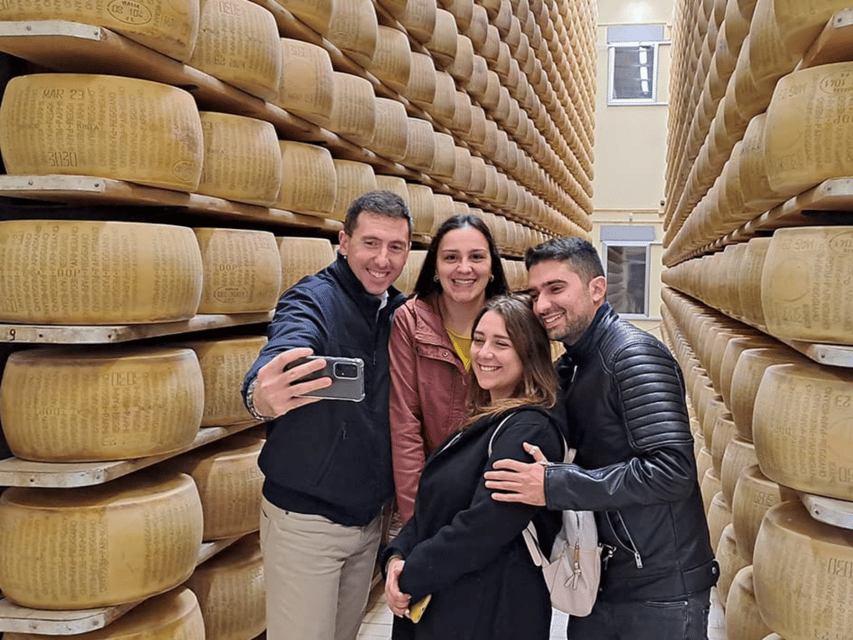
- Aging rooms full of wheels give you scale, smell, and context for why time matters in Parmigiano.
- Three tastings in one sitting: 15, 24, and 36 months, so you can taste how maturity changes texture and flavor.
- Wine pairing and Parmigiano cream (usually Lambrusco or Malvasia, plus water) round out the tasting.
- Small group format (up to 10) with guides who explain in more than one language.
Parmigiano Reggiano in Noceto: what $65 really buys
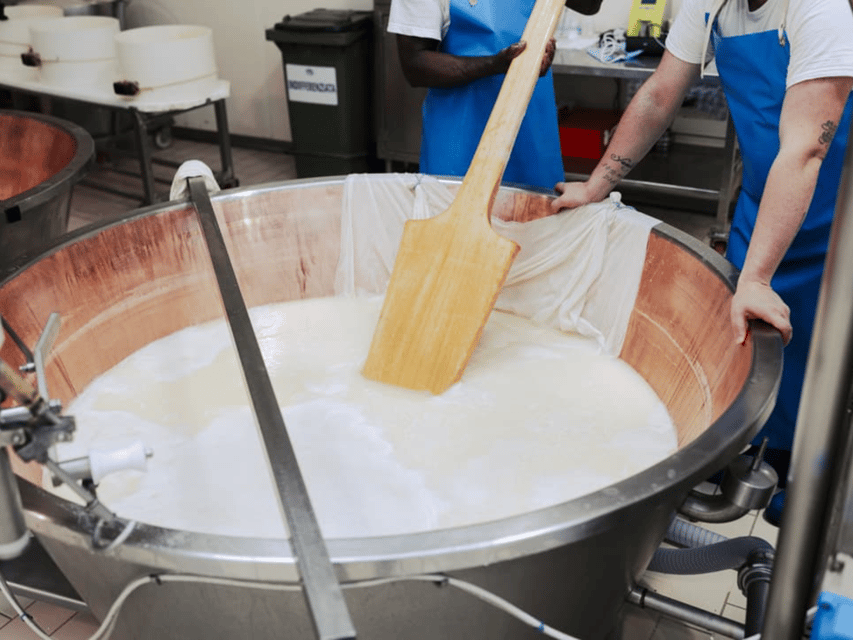
This tour is set up for people who want more than a plate of cheese. For about $65 per person, you get a guided look at how Parmigiano Reggiano moves from fresh milk to shaped wheels, then you get a structured tasting experience with the main production story tying it all together.
You’re also paying for a tight time block that doesn’t waste your morning. The schedule is essentially two chunks: a guided visit of around 40 minutes and a tasting session of about 20 minutes. That balance is why it works well as a short stop from Parma without turning into a half-day commitment.
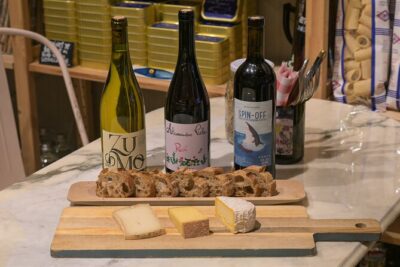
The value gets even better because the tasting isn’t just one wedge. You’ll sample three distinct ages (15, 24, 36 months), which is the easiest way to understand why Parmigiano is sold by maturity, not just by brand. Add a glass of regional wine (Lambrusco or Malvasia), plus Parmigiano cream and water, and you’ve got a full “learn it, taste it” arc.
One more value tip: one guide-style review notes it can be cheaper to book directly through the dairy’s own website. So if price is your top priority, it’s worth checking direct options before you lock in through a reseller.
You can also read our reviews of more tours and experiences in Parma.
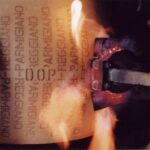
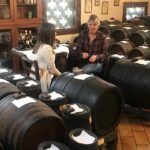
Morning production rooms at 7:30 or 8:30: plan around access
The biggest practical detail is that the production rooms are only accessible at two set times: 7:30 AM and 8:30 AM. That matters because the factory isn’t always open for viewing during normal hours. The early access is what lets you see the process as it’s happening, rather than only reading about it.
So when you choose your time slot, think like this: do you want to start your day early in exchange for the real show of cheese-making? If yes, pick one of those openings and commit to it. If you hate early starts, you may find the visit less satisfying because you’re more likely to feel like you’re just arriving after the best part.
Also, this tour is short enough that arriving late can throw off your whole flow. Aim to get there with a cushion so you can settle in before the guide starts.
Guided visit + video lesson: how the process clicks
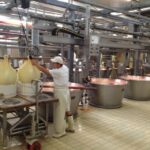
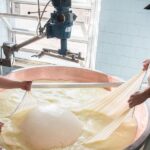
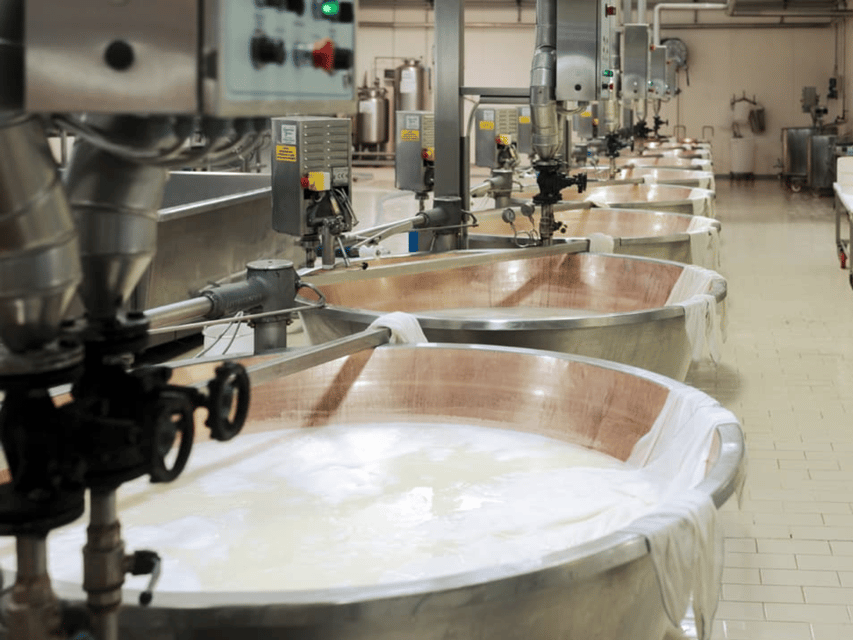
Inside, you’ll begin in the production rooms where artisans demonstrate traditional techniques. You’ll see the stages that turn milk into curds and then into the iconic wheel shape, and you’ll hear how the process is managed so the cheese develops consistently as it ages.
After the hands-on style walkthrough, the tour includes a video lesson that explains the process in different languages. That’s a smart addition for two reasons. First, it gives you a second angle if something was unclear during the walk-through. Second, it helps mixed-language groups stay on the same page without the guide repeating everything from scratch.
This part is where you’ll start connecting the dots between what you saw and what you’ll eat later. The goal isn’t technical trivia for its own sake. It’s to help you taste with context, so the tasting section doesn’t feel random.
Aging rooms with hundreds of Parmigiano wheels: why time is the ingredient
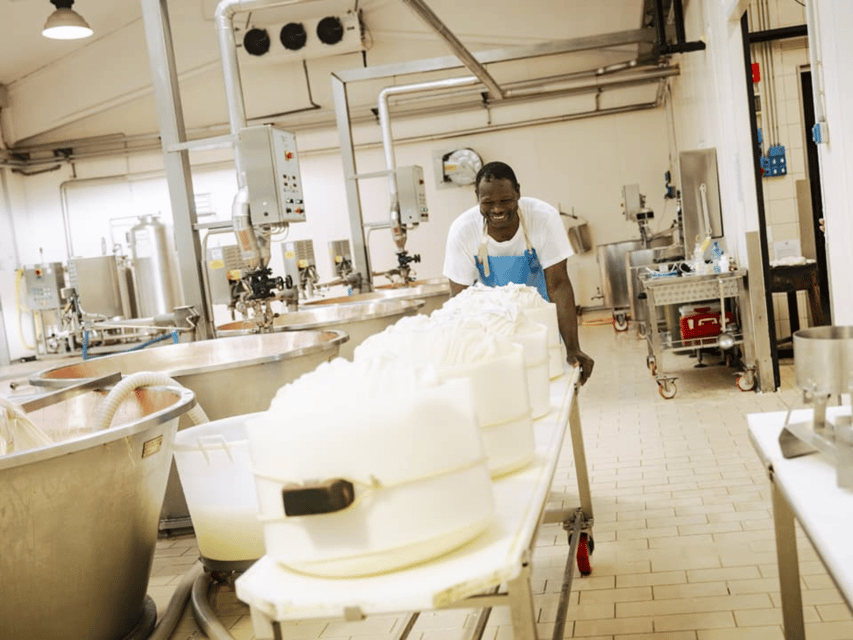
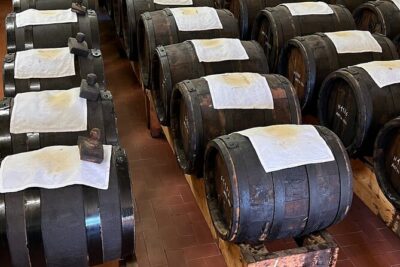
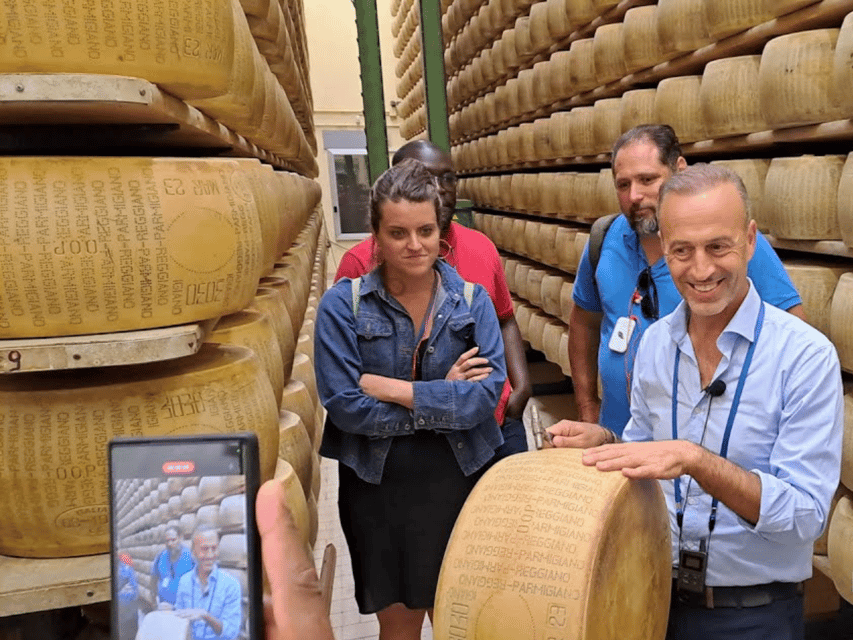
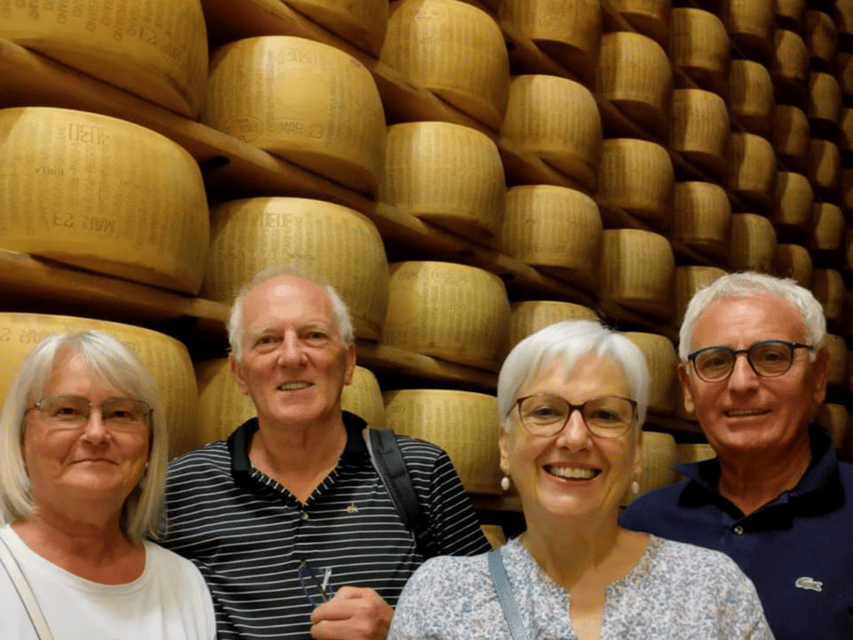
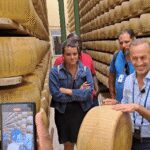
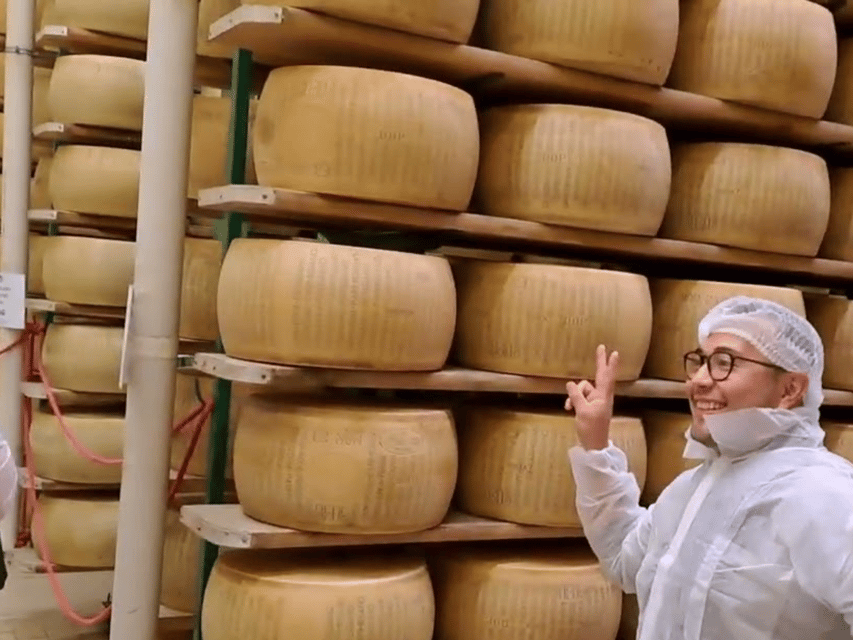
Next comes the storage and aging rooms, where hundreds of wheels are stacked and arranged in long rows. Seeing this scale in person does something photos can’t: it makes aging feel less like a concept and more like an entire system.
In practice, this is where you learn why maturity changes everything. At 15 months, Parmigiano tends to taste more open and delicate; at 24 months, the flavor gets stronger; at 36 months, you’re dealing with deeper intensity and a firmer, more developed texture. You’ll get that meaning here while the wheels are literally around you.
You’re also picking up the sensory side of aging. The air in the aging rooms and the way the wheels are handled help explain why people talk about Parmigiano like it has personality. Even if you don’t want to go full nerd about it, the room itself sets expectations for the tasting.
Tasting 15, 24, 36 months: the moment you’ll remember
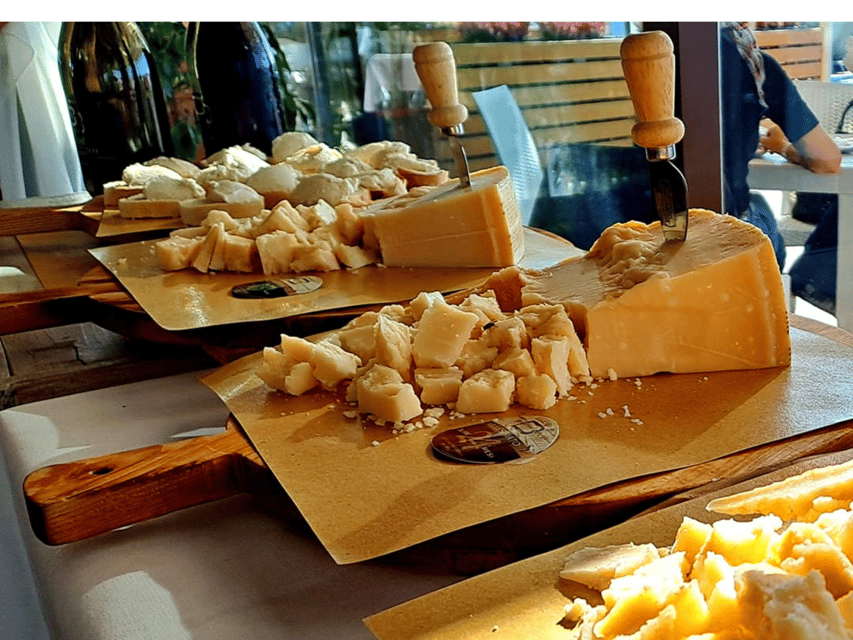
The tasting is the main event, and it’s set up as a comparison. You’ll sample three ages of Parmigiano Reggiano—15, 24, and 36 months—so you can notice how the cheese transforms as it spends more time aging.
At the same time, you’ll get:
- Parmigiano cream (a smoother, mellow counterpart to the wheels)
- A glass of regional wine—typically Lambrusco or Malvasia
- Water, which matters because tasting multiple cheeses works better when you can reset your palate
What I like about this format is that it keeps you from getting lost in one bite. By moving from younger to older, you learn to read the cheese like a timeline. You’ll also understand why people who love Parmigiano often have clear opinions about their favorite age.
If you’re a bit of a foodie, this is also where the guide’s explanation style shows. Reviews consistently praise guides like Lorenzo for being passionate and easy to follow, even when they switch language to make sure everyone understands. That makes the tasting feel guided rather than just free cheese on a counter.
Sustainability and animal welfare: what farming has to do with flavor
One reason this tour gets high scores is that it doesn’t stop at wheels on racks. You’ll also learn about the farm’s approach to sustainability and animal welfare.
The notes provided in the experience description point to organic feed for Friesian cows and practices designed to keep the production aligned with eco-friendly and traditional methods. While you won’t taste “animal welfare” like an ingredient, these farming choices help explain why the milk quality is treated as a foundation rather than an afterthought.
This section is worth paying attention to because it changes how you think about the product. Instead of viewing Parmigiano as only a technique, you start seeing it as a chain: farming, milk, process discipline, then time in the aging rooms.
Small-group (up to 10) and guides like Giulia and Lorenzo
A lot of short food tours fail because they turn into a speed-walk with a loud guide. This one is built differently. The group is limited to 10 participants, so it stays paced and readable, and the guide can actually connect with the room.
English is available, and so is Italian, which helps if your group includes different language levels. Reviews specifically call out Lorenzo and Giulia for explaining things in an entertaining, clear way, and for making sure everyone can follow along. That matters because Parmigiano has enough steps that you’ll want the guidance to be understandable, not just factual.
The tour is also wheelchair accessible, and one review mentions you can bring a stroller/buggy all the way, with the visit working even with a young child. If you’re traveling with family, that’s a big plus because it means the experience can be more than just an adult-only tasting.
Timing, duration, and where it fits on your Parma day
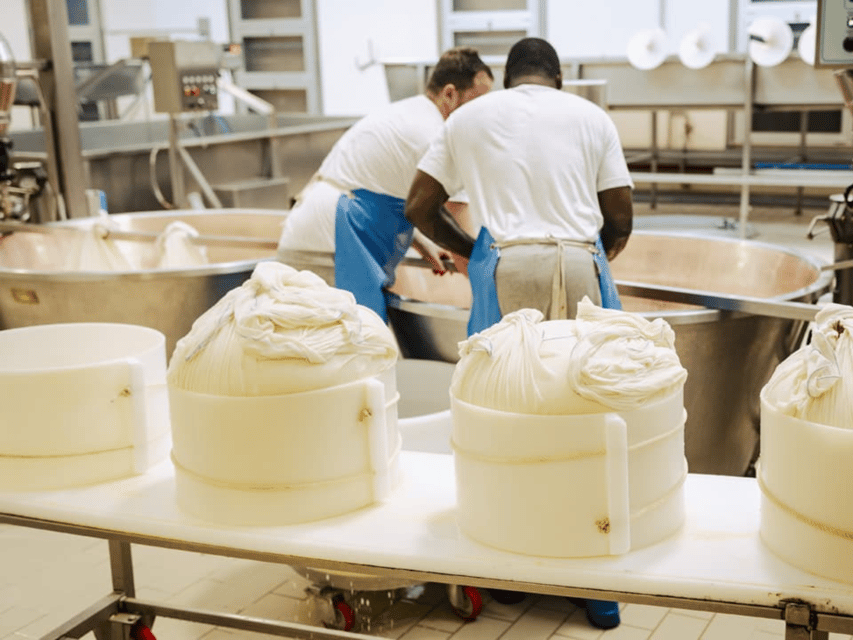
This experience is around 1 hour, which makes it easier to plug into an itinerary. The structure is straightforward: guided production walk, video lesson, then tasting. There’s no long sit-down and no endless pattern of waiting.
Location-wise, the meeting point is Azienda Agricola Bertinelli in Noceto, a village close to Parma. You should plan for about 30 minutes by car from Parma (or public transport). Because transportation isn’t included, you’ll want to think about your route the night before, especially if you’re taking the earlier 7:30 slot.
Also, do yourself a favor and build time around the pre-visit. One review notes there’s a nice cafe/restaurant spot nearby for food before and after. Even with a short tour, a little buffer makes the morning feel less stressful.
Who this is best for (and who should think twice)
This tour is ideal if you want a practical food education, not just a tasting. If you love Italian regional food culture, are curious about how traditional processes stay alive, or you enjoy comparing flavors side by side, the three-age tasting is exactly your kind of payoff.
It’s also a good pick for mixed groups. Small group size and multi-language support help everyone stay engaged.
Consider thinking twice if you hate early mornings. With production-room access limited to 7:30 AM and 8:30 AM, you’ll need to commit to the schedule to get the full factory experience. And if you don’t want to arrange transport from Parma, the lack of included transfers can be a letdown.
Finally, if your budget is tight, you may want to compare prices with booking direct with the dairy. A review notes it can be cheaper through the dairy’s website.
Should you book this Parmesan Cheese Factory Tour near Parma?
Yes, I’d book it if your trip includes Parma and you want to leave with a real sense of what makes Parmigiano Reggiano special. The combination of morning production access, aging-room scale, and a focused tasting of 15, 24, and 36-month cheeses with wine and Parmigiano cream is a strong formula for understanding and enjoying the product.
I’d also book it if you care about how the experience is run. The small group size and guides like Giulia and Lorenzo sound like they genuinely explain the process in a way that sticks, not in a way that melts your brain by minute 10.
Skip it only if the early timing is a deal-breaker for you or if you really don’t want to handle transport on your own.
FAQ
What time is the cheese-making production area open for the tour?
The production rooms are only accessible at 7:30 AM and 8:30 AM.
How long is the Parmesan Cheese Factory Tour & Tasting?
The total experience lasts about 1 hour.
What ages of Parmigiano Reggiano will I taste?
You’ll taste three ages of Parmigiano Reggiano: 15, 24, and 36 months.
What is included in the tasting?
The tasting includes Parmigiano Reggiano (three ages), Parmigiano cream, a glass of regional wine (Lambrusco or Malvasia), and water.
Is transportation from Parma included?
No. You’ll need to arrange transportation to the factory on your own (about 30 minutes by car from Parma).
What languages are the tours offered in?
The live tour guide offers English and Italian.
How big are the groups?
This is a small group tour limited to 10 participants.
Is the tour wheelchair accessible?
Yes, the experience is described as wheelchair accessible.
Can I get a refund if I cancel?
Yes. The experience offers free cancellation up to 24 hours in advance for a full refund.