REVIEW · PARIS
Paris: French Wine and Cheese Guided Tasting
Book on GetYourGuide →Operated by L’Oeno’Vice · Bookable on GetYourGuide
A trip to Paris tastes better when someone teaches you how to notice. This guided tasting at L’OenoVice turns wine and cheese from guesswork into a simple, repeatable routine. I love that Simon keeps it hands-on with guided smelling and tasting steps, not just speeches.
In your two hours, you also get clear wine-to-cheese pairing guidance you can use the moment you walk into a restaurant. One possible drawback: you will drink enough wine to feel it, so plan an easy night afterward.
The best part for me is how the session builds from basics to choices. You start with how French wine works (regions, grapes, climate), then you taste 2 whites, 2 reds, and champagne, each matched with a different cheese. If you’re new to wine, the structure helps you stop overthinking and start noticing.
If you’re extremely sensitive to alcohol (or you simply avoid wine/cheese pairings), this may not be your best fit. It’s not suitable for people under 18 or pregnant women, and the tasting format means you’ll be drinking multiple glasses in a short time.
In This Review
- Key highlights that make this tasting worth it
- Meeting Simon at L’OenoVice: a Paris wine bar class that feels personal
- The 2-hour flow: 2 whites, 2 reds, and champagne with five cheese pairings
- Turning your nose into a tool: perfume samples for wine aromas
- How Simon explains French wine regions without the intimidation
- Pairing wine and cheese like a repeatable skill
- Champagne moment: the classic pour, plus extra during the New Year special
- Who should book this tasting (and who might want a different plan)
- Value in plain terms: why $70 feels fair for what you get
- Practical tips so you enjoy every pour (not just the last one)
- Should you book this French wine and cheese tasting in Paris?
Key highlights that make this tasting worth it
- Simon’s step-by-step tasting method: look, smell, then taste, every single time
- Perfume-style aroma samples to train your nose for wine notes
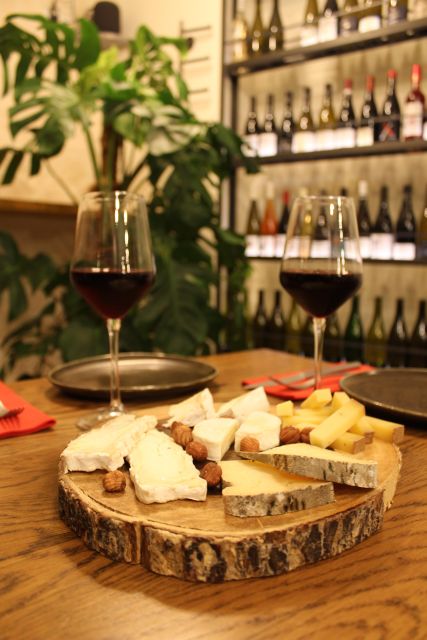
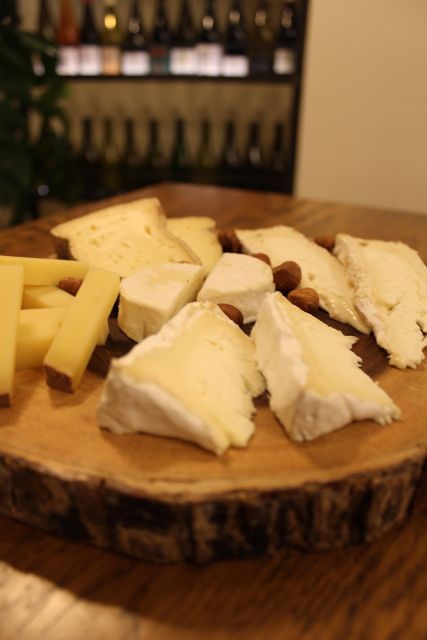
- Five cheese pairings matched to each wine so you can learn the logic, not just the pairing
- A small group (max 8) that keeps questions from getting lost
- Champagne included, with the chance for extra bottles around New Year special dates
Meeting Simon at L’OenoVice: a Paris wine bar class that feels personal
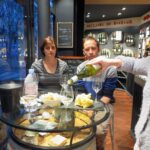
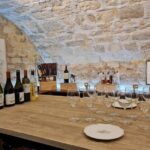
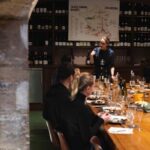
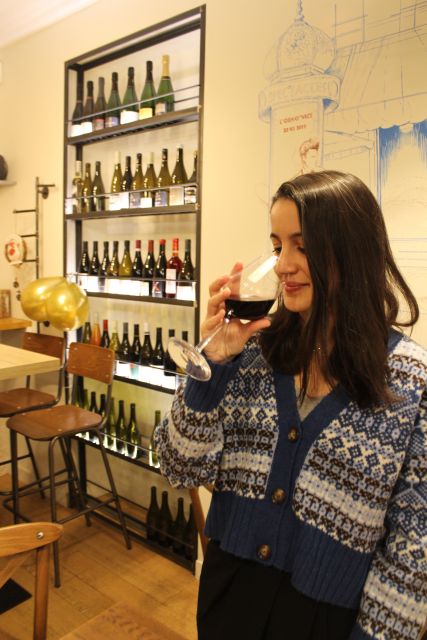
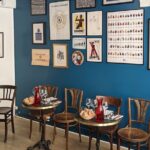
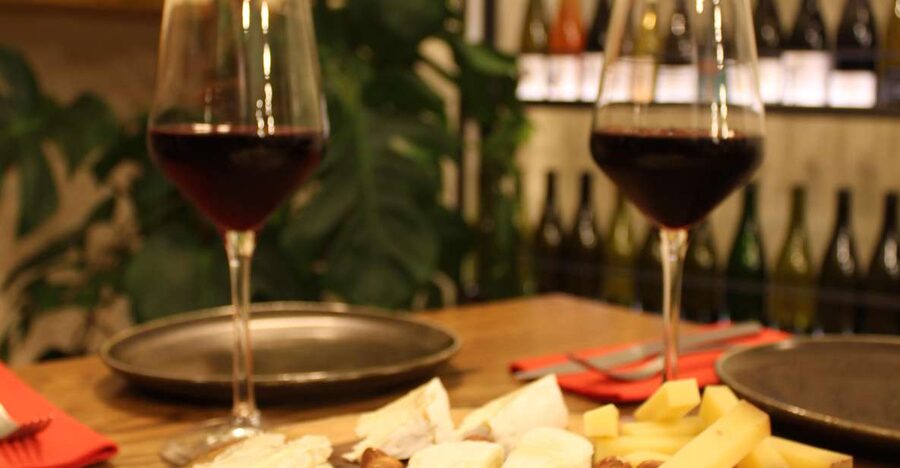
This experience starts right in the center of a real wine bar world. You meet at L’OenoVice, and from the first moments you’re not sent away to a lecture room. You’re standing or sitting in the same space where people order by the glass, which changes the vibe in a good way: it feels practical, not precious.
Simon runs the tasting in a way that works whether you know wine already or you’re starting from zero. He sets expectations quickly, then moves into a short intro that covers how French wine is shaped—without drowning you in jargon. The group stays small (limited to 8), so you’re more likely to get your own questions answered instead of just watching other people taste.
One detail I appreciate: the pace is built for learning. The tasting order follows a clear flow, and you’re repeatedly prompted to use your senses in a specific way. That makes it easier to remember what you liked—and why—so you can choose confidently later.
You can also read our reviews of more tours and experiences in Paris.
The 2-hour flow: 2 whites, 2 reds, and champagne with five cheese pairings
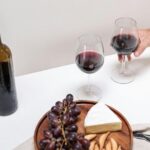
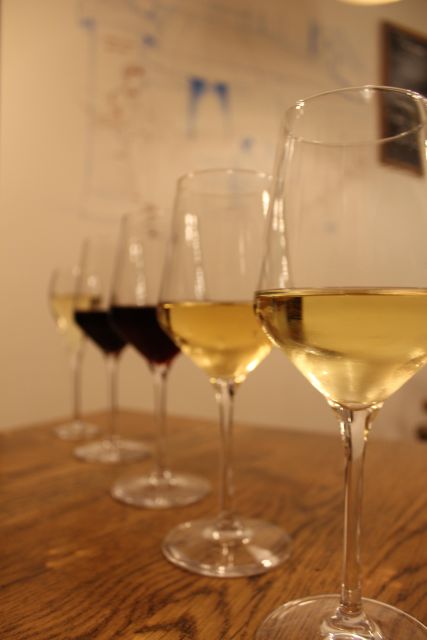
Here’s the tasting rhythm you’ll follow. Over about two hours, you taste:
- 2 glasses of white wine
- 2 glasses of red wine
- 1 glass of champagne
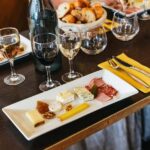
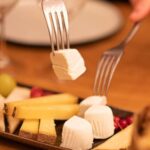
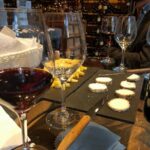
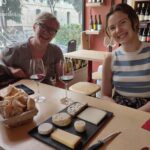
And with each wine you also taste a different cheese. In total, that’s 5 kinds of cheese paired across the session.
That pairing structure is the heart of the value. Many wine tastings give you lots of sips and zero homework. This one makes the pairing the lesson. You taste the wine, taste the cheese, then listen as Simon explains what’s happening between them.
You’ll also notice the tasting method is repeated:
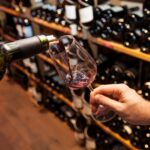
- look at the wine color
- smell it first
- then taste
This matters because wine is partly aroma and partly chemistry in your mouth. If you skip smelling, you’ll miss a big chunk of what makes a wine seem fruity, floral, spicy, or dry. The repeated “look-smell-taste” steps are what help even first-timers get consistent results.
Practical note: you’ll likely get bread and water as part of the relaxed bar setting (it’s mentioned in participant feedback). That’s helpful because it lets you reset between glasses instead of feeling like you’re rushing through a tasting marathon.
Turning your nose into a tool: perfume samples for wine aromas

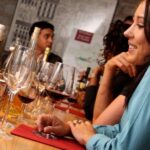
One of the most memorable parts is the aroma training. During the session, Simon compares the smell of each wine to a different perfume sample. The point isn’t to make you become a perfumer. It’s to help you place aroma sensations into categories your brain already understands.
If you’ve ever tasted wine and thought, I can’t describe anything, this is exactly the kind of trick that changes it. Even if you don’t name every note, you start recognizing patterns: maybe one wine smells sharper like citrus, another feels warmer like spice, another reads more floral or fruity.
You also do smell-based interaction during the tasting, so you’re not stuck passively listening. The effect is simple: after a couple of pairings, you start trusting your own reactions more than guessing what you’re supposed to like.
How to use this during the tasting:
- take one note after you smell, before you taste
- focus on what changes after the cheese arrives
- don’t worry about sounding correct; aim for honest descriptions
How Simon explains French wine regions without the intimidation
Before you start tasting, Simon gives a quick foundation. You’ll learn the history of wine in France, and you’ll also get practical context for why wines taste different.
He ties flavor to a few key levers:
- wine regions and geography
- climate
- grape type
- where grapes are grown
The best value here is that you’re not just memorizing names. You’re building a cause-and-effect map. When you later order a wine in Paris, you’ll have a way to reason through it: the label doesn’t have to be a mystery.
This is especially useful because French wine can look complicated at first—there are a lot of regions and lots of styles. The tasting format turns that complexity into something you can experience directly. One sip at a time, you connect what Simon explains to what’s actually in your glass.
Pairing wine and cheese like a repeatable skill
The pairing is where this session becomes more than a fun drink. Simon explains what makes a cheese work with a specific wine, and you can feel the difference when you taste.
Here are the pairing ideas this format trains you to notice—without needing a chemistry degree:
- acidity vs. richness (how sharpness can cut through creamy cheese)
- saltiness and how it changes fruit perception in wine
- texture and how it affects how tannins feel in red wines
- aroma overlap, where the cheese and wine seem to reinforce each other
You’ll probably start with the simple question: Which pairing tastes best? Then, bit by bit, you learn a second question: Why does it work?
That second question is the reason the tasting has such a long tail. When you’re later standing in a restaurant with a cheese board and a wine list, you’ll be able to choose more confidently, because you’ve already tested the logic during the guided tasting.

Champagne moment: the classic pour, plus extra during the New Year special
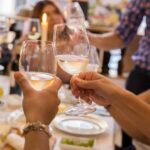
Champagne is part of the standard program: you’ll finish with 1 glass of champagne after the red and white tastings.
And if you’re booking around the New Year special, the description specifically notes more champagne and more wine. It also adds a special touch: you may have the opportunity to taste Simon’s family’s Champagne.
Even if your date isn’t tied to New Year, champagne here isn’t treated as an afterthought. You’re guided through tasting it, then pairing it through the same look-smell-taste process. Champagne also tends to change how cheese feels—bubbles and acidity can reset your palate and make the final impression last longer.
If champagne is your favorite category, this is a good session to choose because you’re getting guided attention on it, not just a small celebratory sip.
Who should book this tasting (and who might want a different plan)
This works best for:
- wine beginners who want structure and a confidence boost
- travelers who like learning practical tips they can use immediately
- people who genuinely enjoy cheese and want to understand pairings
- anyone who appreciates interaction, not just passive tasting
You’ll also be fine if you already know a bit of wine. The session is still interactive, and the perfume-based smell training can sharpen your own descriptions.
Skip it if:
- you don’t drink wine at all or you’re uncomfortable drinking multiple glasses in a short time
- you’re traveling with young kids (it’s not suitable for children under 18)
- you’re pregnant (it’s not suitable for pregnant women)
If you fall somewhere in the middle—maybe you like wine but don’t care about cheese—give it a try anyway, because the pairing format is what teaches the most. But be honest with yourself about whether you want that learning focus.
Value in plain terms: why $70 feels fair for what you get
At $70 per person for about 2 hours, you’re not just paying for a few sips. You’re paying for:
- guided instruction from Simon
- 5 cheese tastings
- 5 wine servings (2 white, 2 red, 1 champagne)
- the repeated sensory method (look, smell, taste) plus aroma training
That matters because the “education” is built into the tasting itself. If you did a self-guided cheese-and-wine evening, you might spend similar money and still not know why certain combinations work. Here, you get the reasoning and the practice during the same sitting.
Also, the small group size (up to 8) increases value because you’re more likely to get real interaction. In a bigger group, you often hear a general explanation and then just drink what’s in front of you. Here, the format supports questions.
Finally, it’s short enough to fit into a normal Paris day. Two hours is a realistic window, even if you’re doing other sightseeing.
Practical tips so you enjoy every pour (not just the last one)
A couple of simple moves can help you get more out of the session:
- Take notes on what you smell before you taste. Your brain will thank you later when you’re choosing wine at a shop.
- Pace yourself between wines. You’re tasting multiple glasses, so water and bread help you reset.
- Ask at least one question during the tasting. Simon is there to explain how to pick wines and how to pair them.
- If you’re aiming to buy something afterward, ask what bottles match what you liked during the tasting. Having a guide’s pairing logic makes shopping easier.
And plan your evening accordingly. You’ll likely leave with more knowledge and more than a little buzz, so don’t schedule your hardest walking day right after.
Should you book this French wine and cheese tasting in Paris?
Book it if you want a Paris activity that’s both fun and useful. The combination of wine + cheese pairings, the perfume aroma training, and the structured tasting method makes it easier to remember what you learn. The small group size and Simon’s interactive style also help you feel like you’re part of the lesson, not just paying for drinks.
Don’t book it if you’re avoiding alcohol entirely or you want a purely sightseeing-style evening. This is a tasting class first, a social hang second.
If you want one solid way to level up your wine choices in Paris—without guessing—this is a strong bet.